Ingeniería de antenas NFC de alto rendimiento para dispositivos portátiles
Los dispositivos portátiles habilitados para NFC, desde pulseras de silicona hasta anillos inteligentes de lujo, requieren antenas que equilibren la miniaturización, acoplamiento del cuerpo, y cumplimiento normativo. En 13.56 megahercio, El rendimiento de la antena NFC se rige por la física: Los factores de forma más pequeños reducen el área de captura de flujo magnético., limitar directamente el rango de lectura. Pero con un diseño inteligente, Se puede lograr un funcionamiento fiable de 3 a 5 cm en el cuerpo.. Así es como.
1. El desafío de la física & Estrategias de compensación
Reducir una antena NFC reduce su inductancia y resistencia a la radiación, Reducir la eficiencia del acoplamiento, especialmente cerca del tejido humano conductor.. para compensar, los diseñadores usan blindaje de ferrita de alta permeabilidad (P.EJ., TDK IFL o 3M AB5000), apilamientos de PCB multicapa, y geometría de bobina optimizada. Estas técnicas restauran la densidad del flujo magnético sin aumentar la huella.
2. Técnica de carga de ferrita
La colocación de láminas de ferrita sinterizada detrás de la antena concentra el flujo magnético hacia el lector y protege contra la desafinación del tejido de la muñeca.. En diseños de pulseras de silicona NFC validados, Esta técnica mejora el rango de lectura en el cuerpo entre un 30% y un 50% en comparación con sus equivalentes sin blindaje, lo cual es fundamental para el acceso a eventos o la autenticación segura..
3. Optimización de la geometría de la antena
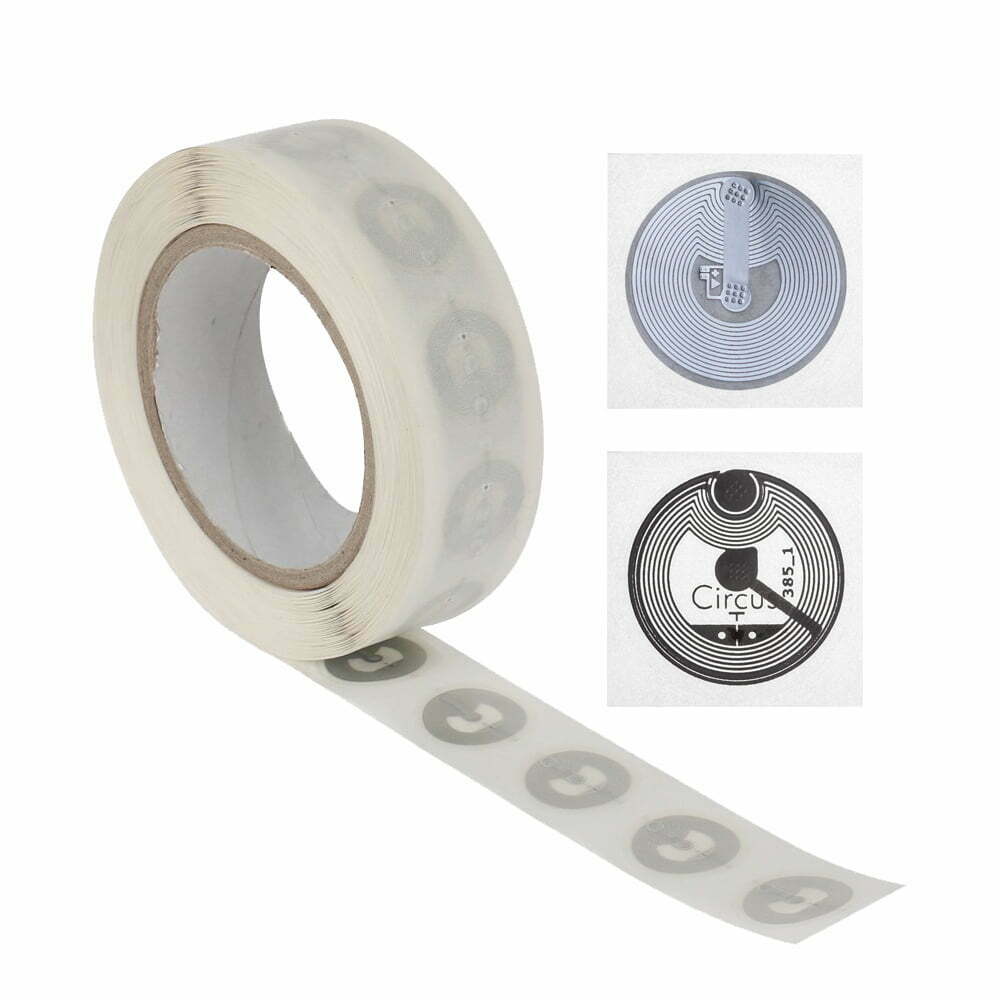
Para wearables, Las bobinas rectangulares ofrecen una mejor utilización del espacio en las pulseras.; Las bobinas circulares se adaptan a anillos y llaveros.; Los patrones en forma de 8 mejoran la uniformidad del campo.. Las antenas FPC de una sola capa son comunes para aplicaciones sensibles al costo; Las variantes multicapa permiten un control más estricto del factor Q. (objetivo: 15–25). El ancho y el espaciado de las pistas se ajustan para gestionar la resistencia y la autocapacitancia, clave para mantener la estabilidad de la resonancia..
4. Consideraciones materiales
- PCB flexibles (FPC): Ideal para superficies curvas como pulseras de silicona nfc y parches médicos.
- Tinta plateada sobre PET: Se utiliza en parches inteligentes desechables: menor conductividad pero alta escalabilidad.
- FR4 grabado con cobre o sustratos cerámicos: Preferido para prima Anillos NFC donde la conductividad y la durabilidad son primordiales.
5. Diseño de red a juego
Una red L-C bien sintonizada garantiza una impedancia de 50 Ω en 13.56 megahercio. Los problemas comunes incluyen la capacitancia parásita de los recintos compactos y los cambios de permeabilidad en ferritas que dependen de la temperatura.. Recomendamos utilizar condensadores NP0/C0G e inductores de coeficiente de baja temperatura para un rendimiento estable entre -10 °C y +50 °C..
6. Pruebas & Validación
La validación incluye:
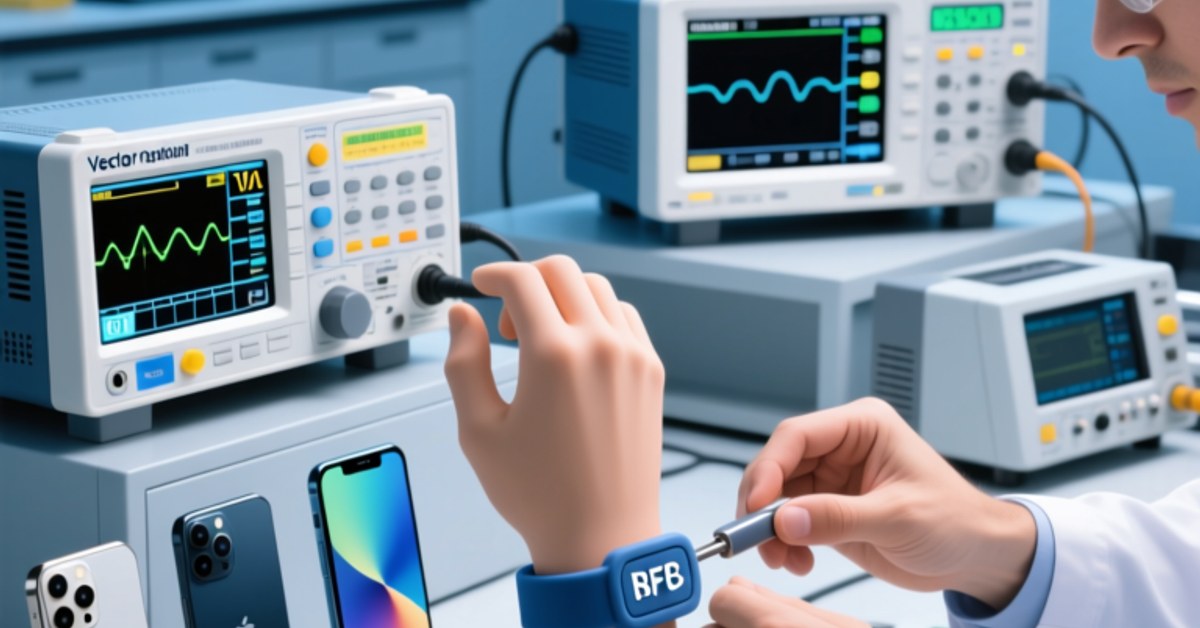
- Medición VNA de la pérdida de retorno S11, frecuencia resonante, y ancho de banda;
- ISO 14443-A/B e ISO 15693 prueba de emulador de tarjeta;
- Pruebas de rango de lectura en el mundo real en dispositivos de referencia: iPhone 14/15, Samsung Galaxy S23, Google Píxel 7.
7. Estudio de caso: Antena de pulsera de silicona NFC
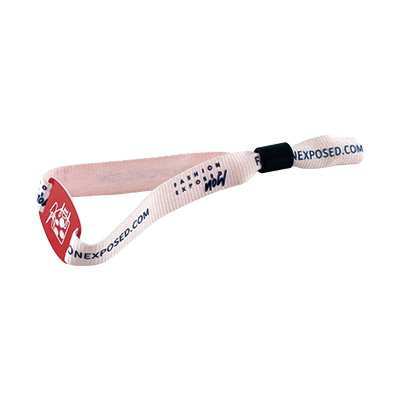
Un diseño reciente integra una antena FPC de 2 capas en un sobremolde de silicona de 2 mm de espesor. Una lámina de ferrita TDK IFL de 0,5 mm protegida contra el tejido de la muñeca. Rango de lectura objetivo: 3–5 centímetros. Resultado medido: 4.2 cm con píxel 7, Totalmente compatible con ISO 14443-A..
8. Tecnología emergente: NTAG I²C para dispositivos portátiles activos
La familia NTAG I²C permite la comunicación bidireccional entre el controlador NFC y el microcontrolador a través del puente I²C, ideal para parches de monitoreo de salud o joyería inteligente interactiva.. El diseño de la antena debe admitir tanto el sondeo pasivo como el intercambio activo de datos sin comprometer la eficiencia de RF..
Parámetros de antena NFC recomendados para dispositivos portátiles comunes
>
| Factor de forma | Dimensiones exteriores | Giros de bobina | Ancho de traza | Tipo de ferrita | Rango de lectura esperado |
|---|---|---|---|---|---|
| pulsera de silicona nfc | 45 × 12 milímetros | 4–6 | 0.25 milímetros | TDK IFL-0.5 milímetros | 3.5–4,5 centímetros |
| anillo NFC | Ø18mm | 3–5 | 0.3 milímetros | 3M AB5000-0,3 mm | 2.5–3,5 centímetros |
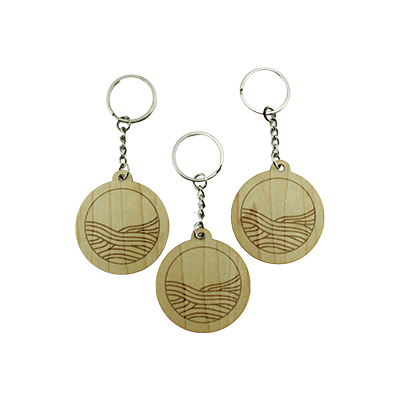
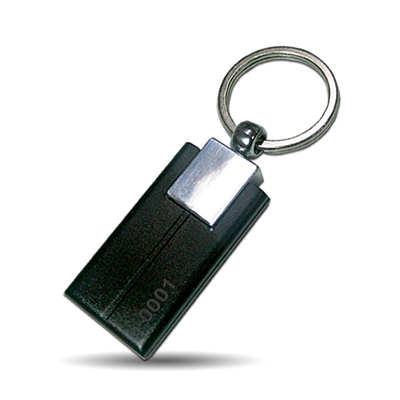
| llavero NFC | 50 × 35 milímetros | 5–7 | 0.35 milímetros | TDK IFL-0.3 milímetros | 4–6 centímetros |
| Parche médico inteligente | 30 × 20 milímetros | 4 | 0.2 milímetros (tinta plateada) | Ninguno (sustrato de mascota) | 2–3 centímetros |
Potencia tu próximo dispositivo portátil con la experiencia en RFIDHY y NFCWORK
Ya sea que estés desarrollando pulseras para eventos NFC, llaveros NFC, o personalizado pulseras RFID para acceso empresarial, Nuestro equipo de ingeniería ofrece diseños de antena listos para producción., Informes de validación conformes con ISO, y soluciones portátiles NFC de pila completa.
Preguntas frecuentes
- ¿Por qué el rendimiento de NFC se degrada en el cuerpo humano??
El tejido humano absorbe y desafina los campos magnéticos NFC. El blindaje de ferrita mitiga esto redirigiendo el flujo y aislando la antena de la interferencia conductiva.. - ¿Puedo usar estándar? Etiquetas NFC en diseños ponibles?
Las incrustaciones NFC disponibles en el mercado rara vez cumplen con los requisitos mecánicos o de RF para dispositivos portátiles. Integración de antena personalizada, incluida la elección de sustrato, blindaje, y coincidencia: es esencial para la confiabilidad. - ¿Cuál es la diferencia entre Pulseras NFC y pulseras RFID?
Pulseras NFC operar en 13.56 megahercio (ISO 14443/15693) y apoyar la interacción bidireccional (P.EJ., toque para autenticar); frecuencia ultraelevada pulseras RFID (860–960MHz) Por lo general, son de solo lectura y se utilizan para el seguimiento de activos a largo plazo; consulte Pulseras RFID UHF de RFIDHY. - ¿Proporciona archivos de simulación de antena o salidas Gerber??
Sí, entregamos informes de simulación HFSS o CST, archivos de diseño (Gerber/ODB++), y documentación de prueba alineada con los requisitos de su socio de fabricación.
Necesita soporte personalizado para el diseño de antena portátil NFC?
Nuestro equipo de ingeniería ofrece desarrollo de antenas NFC de extremo a extremo, desde simulación y creación de prototipos hasta pruebas de cumplimiento ISO y transferencia de producción en volumen.. Ya sea que estés escalando pulseras de silicona nfc, lanzando una línea de timbre inteligente, o incorporar NFC en dispositivos médicos portátiles, Garantizamos un rendimiento óptimo de RF., capacidad de fabricación, y preparación para la certificación.