Τεχνικές κεραίες NFC υψηλής απόδοσης για φορητά
Τα φορητά με δυνατότητα NFC—από βραχιολάκια σιλικόνης έως πολυτελείς έξυπνους δακτυλίους—απαιτούν κεραίες που εξισορροπούν τη μικρογραφία, σύζευξη σώματος, και κανονιστική συμμόρφωση. Στο 13.56 MHz, Η απόδοση της κεραίας NFC διέπεται από τη φυσική: μικρότεροι παράγοντες μορφής μειώνουν την περιοχή σύλληψης μαγνητικής ροής, περιορίζοντας άμεσα το εύρος ανάγνωσης. Ωστόσο, με έξυπνο σχεδιασμό, είναι εφικτή η αξιόπιστη λειτουργία 3–5 cm στο σώμα. Δείτε πώς.
1. Η πρόκληση της φυσικής & Στρατηγικές Αποζημίωσης
Η συρρίκνωση μιας κεραίας NFC μειώνει την επαγωγή και την αντίστασή της στην ακτινοβολία, μείωση της απόδοσης σύζευξης —ειδικά κοντά σε αγώγιμο ανθρώπινο ιστό. Να αποζημιώσει, χρησιμοποιούν οι σχεδιαστές θωράκιση φερρίτη υψηλής διαπερατότητας (Π.χ., TDK IFL ή 3M AB5000), στοίβες PCB πολλαπλών επιπέδων, και βελτιστοποιημένη γεωμετρία πηνίου. Αυτές οι τεχνικές αποκαθιστούν την πυκνότητα της μαγνητικής ροής χωρίς να αυξάνουν το αποτύπωμα.
2. Τεχνική φόρτωσης φερρίτη
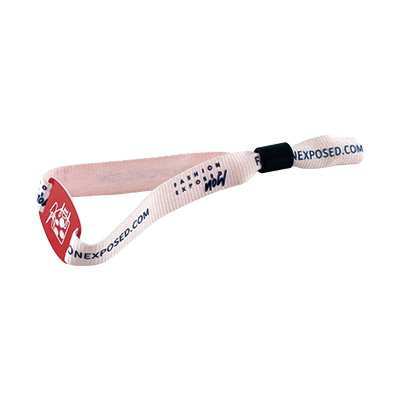
Η τοποθέτηση συντηγμένων φύλλων φερρίτη πίσω από την κεραία συγκεντρώνει τη μαγνητική ροή προς τον αναγνώστη και προστατεύει από τον αποσυντονισμό από τον ιστό του καρπού. Σε επικυρωμένα σχέδια βραχιολιών σιλικόνης NFC, αυτή η τεχνική βελτιώνει το εύρος ανάγνωσης στο σώμα κατά 30–50% σε σύγκριση με μη θωρακισμένα ισοδύναμα — κρίσιμης σημασίας για την πρόσβαση συμβάντων ή τον ασφαλή έλεγχο ταυτότητας.
3. Βελτιστοποίηση γεωμετρίας κεραίας
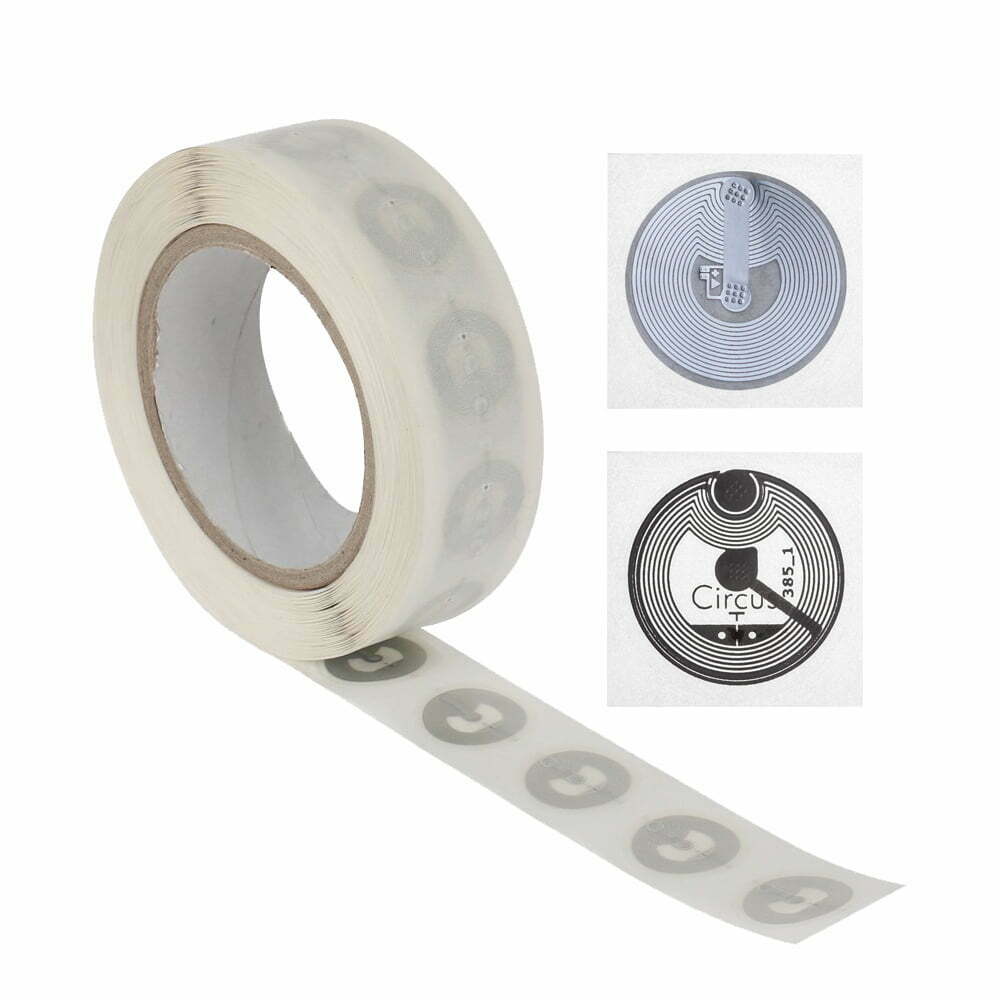
Για φορητές συσκευές, Τα ορθογώνια πηνία προσφέρουν καλύτερη αξιοποίηση του χώρου στα βραχιολάκια; κυκλικά πηνία δαχτυλίδια κοστουμιού και μπρελόκ; Τα σχέδια του σχήματος 8 βελτιώνουν την ομοιομορφία του πεδίου. Οι κεραίες FPC μονής στρώσης είναι κοινές για εφαρμογές ευαίσθητες στο κόστος; Οι παραλλαγές πολλαπλών επιπέδων επιτρέπουν αυστηρότερο έλεγχο του παράγοντα Q (στόχος: 15–25). Το πλάτος και η απόσταση του ίχνους ρυθμίζονται για τη διαχείριση της αντίστασης και της αυτο-χωρητικότητας—κλειδί για τη διατήρηση της σταθερότητας του συντονισμού.
4. Υλικά ζητήματα
- Ευέλικτο PCB (FPC): Ιδανικό για καμπύλες επιφάνειες όπως Βραχιόλια σιλικόνης NFC και ιατρικά επιθέματα.
- Ασημένιο μελάνι σε PET: Χρησιμοποιείται σε έξυπνα μπαλώματα μιας χρήσης—χαμηλότερη αγωγιμότητα αλλά υψηλή επεκτασιμότητα.
- Χαλκοχαρακτικά FR4 ή κεραμικά υποστρώματα: Προτιμάται για premium Δακτύλιοι NFC όπου η αγωγιμότητα και η ανθεκτικότητα είναι πρωταρχικής σημασίας.
5. Αντιστοίχιση σχεδίασης δικτύου
Ένα καλά συντονισμένο δίκτυο L-C εξασφαλίζει αντίσταση 50Ω στο 13.56 MHz. Οι κοινές παγίδες περιλαμβάνουν την παρασιτική χωρητικότητα από συμπαγή περιβλήματα και τις μετατοπίσεις της διαπερατότητας που εξαρτώνται από τη θερμοκρασία στους φερρίτες. Συνιστούμε τη χρήση πυκνωτών NP0/C0G και πηνίων χαμηλού συντελεστή θερμοκρασίας για σταθερή απόδοση στους -10°C έως +50°C.
6. Δοκιμές & Νομιμοποίηση
Η επικύρωση περιλαμβάνει:
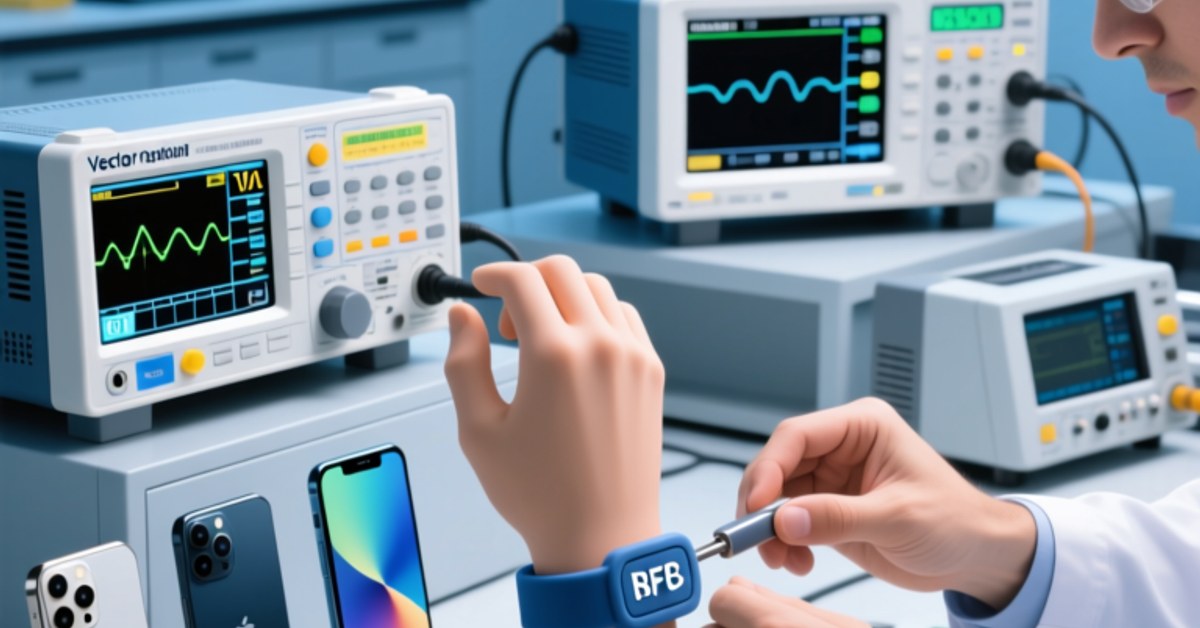
- Μέτρηση VNA της απώλειας επιστροφής S11, συχνότητα συντονισμού, και το εύρος ζώνης;
- ISO 14443-A/B και ISO 15693 δοκιμή εξομοιωτή κάρτας;
- Δοκιμές εύρους ανάγνωσης πραγματικού κόσμου σε συσκευές αναφοράς: iPhone 14/15, Samsung Galaxy S23, Google Pixel 7.
7. Μελέτη περίπτωσης: Κεραία βραχιολάκι σιλικόνης NFC
Ένας πρόσφατος σχεδιασμός ενσωμάτωσε μια κεραία FPC 2 επιπέδων σε ένα καλούπι σιλικόνης πάχους 2 mm. Ένα φύλλο φερρίτη TDK IFL 0,5 mm προστατευμένο από ιστό καρπού. Εύρος ανάγνωσης στόχου: 3– 5 cm. Μετρημένο αποτέλεσμα: 4.2 cm με Pixel 7, πλήρως συμβατό με το ISO 14443-A.
8. Αναδυόμενη Τεχν: NTAG I²C για Active Wearables
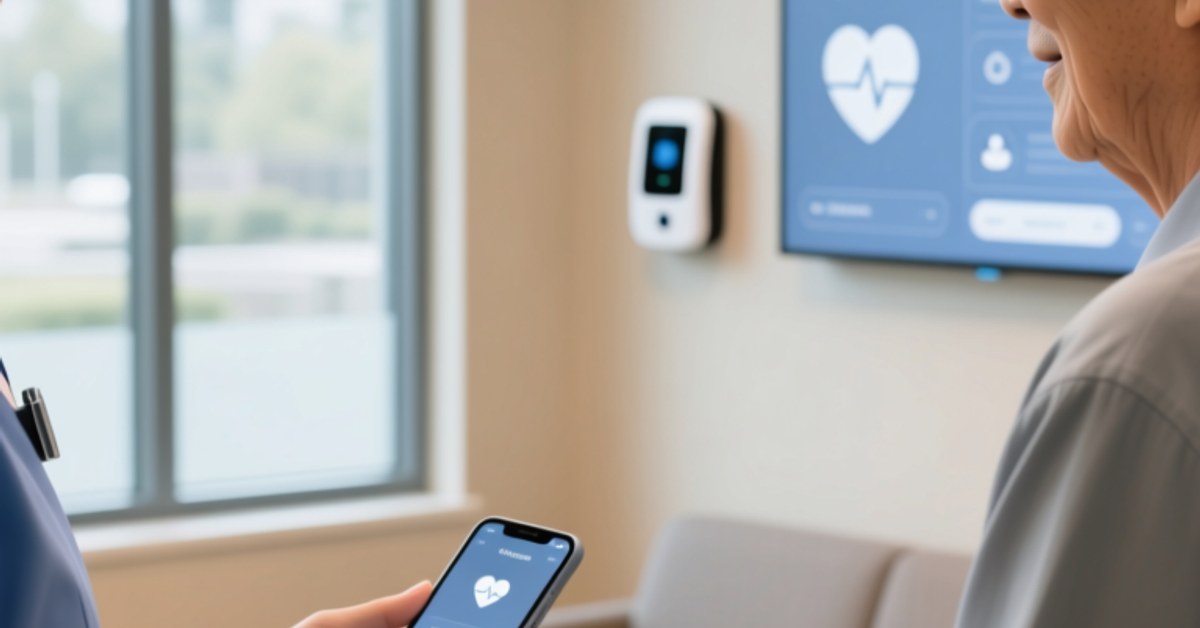
Η οικογένεια NTAG I²C επιτρέπει την αμφίδρομη επικοινωνία μεταξύ του ελεγκτή NFC και του μικροελεγκτή μέσω γέφυρας I²C—ιδανικό για επιθέματα παρακολούθησης της υγείας ή διαδραστικά έξυπνα κοσμήματα. Ο σχεδιασμός της κεραίας πρέπει να υποστηρίζει τόσο την παθητική τηλεπαραλαβή όσο και την ενεργητική ανταλλαγή δεδομένων χωρίς να διακυβεύεται η απόδοση ραδιοσυχνοτήτων.
Προτεινόμενες παράμετροι κεραίας NFC για κοινά φορητά
>
| Form Factor | Εξωτερικές Διαστάσεις | Περιστροφές πηνίου | Πλάτος ίχνους | Τύπος Φερρίτη | Αναμενόμενο εύρος ανάγνωσης |
|---|---|---|---|---|---|
| Βραχιόλι σιλικόνης NFC | 45 × 12 mm | 4–6 | 0.25 mm | TDK IFL-0.5 mm | 3.5– 4,5 εκ |
| Δαχτυλίδι NFC | Ø18 mm | 3–5 | 0.3 mm | 3M AB5000-0,3 χλστ | 2.5– 3,5 cm |
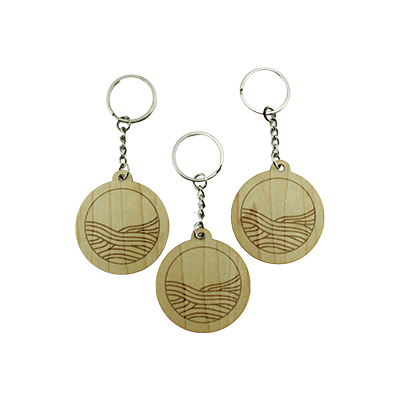
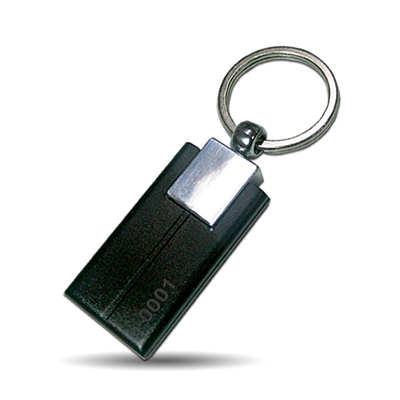
| Μπρελόκ NFC | 50 × 35 mm | 5–7 | 0.35 mm | TDK IFL-0.3 mm | 4– 6 cm |
| Έξυπνο ιατρικό έμπλαστρο | 30 × 20 mm | 4 | 0.2 mm (ασημένιο μελάνι) | Κανένας (Υπόστρωμα PET) | 2– 3 cm |
Δώστε δύναμη στο επόμενο φορετό σας με την τεχνογνωσία RFIDHY και NFCWORK
Είτε αναπτύσσεστε Βραχιόλια συμβάντων NFC, Μπρελόκ NFC, ή έθιμο Βραχιόλια RFID για εταιρική πρόσβαση, Η ομάδα μηχανικών μας παρέχει διατάξεις κεραιών έτοιμες για παραγωγή, Εκθέσεις επικύρωσης συμβατές με το ISO, και full-stack φορητές λύσεις NFC.
Συχνές ερωτήσεις
- Γιατί η απόδοση του NFC υποβαθμίζεται στο ανθρώπινο σώμα?
Ο ανθρώπινος ιστός απορροφά και αποσυντονίζει τα μαγνητικά πεδία NFC. Η θωράκιση από φερρίτη το μετριάζει αυτό ανακατευθύνοντας τη ροή και απομονώνοντας την κεραία από αγώγιμες παρεμβολές. - Μπορώ να χρησιμοποιήσω τυπικό Ετικέτες NFC σε φορετά σχέδια?
Τα ένθετα NFC εκτός ραφιού σπάνια πληρούν τις μηχανικές απαιτήσεις ή τις απαιτήσεις ραδιοσυχνοτήτων για φορητές συσκευές. Προσαρμοσμένη ενσωμάτωση κεραίας—συμπεριλαμβανομένης της επιλογής υποστρώματος, θωράκιση, και αντιστοίχιση—είναι απαραίτητη για την αξιοπιστία. - Ποια είναι η διαφορά μεταξύ NFC Wristbands και Βραχιόλια RFID?
NFC Wristbands λειτουργούν στο 13.56 MHz (ISO 14443/15693) και υποστηρίζουν την αμφίδρομη αλληλεπίδραση (Π.χ., πατήστε για έλεγχο ταυτότητας); UHF Βραχιόλια RFID (860– 960 MHz) είναι συνήθως μόνο για ανάγνωση και χρησιμοποιούνται για παρακολούθηση περιουσιακών στοιχείων μεγάλης εμβέλειας—βλ Τα βραχιολάκια UHF RFID της RFIDHY. - Παρέχετε αρχεία προσομοίωσης κεραίας ή εξόδους Gerber?
Ναι—παρέχουμε αναφορές προσομοίωσης HFSS ή CST, αρχεία διάταξης (Gerber/ODB++), και τεκμηρίωση δοκιμής ευθυγραμμισμένη με τις απαιτήσεις του κατασκευαστικού συνεργάτη σας.
Χρειάζεστε υποστήριξη σχεδιασμού προσαρμοσμένης φορητής κεραίας NFC?
Η ομάδα μηχανικών μας προσφέρει ανάπτυξη κεραίας NFC από άκρο σε άκρο — από προσομοίωση και πρωτοτυποποίηση έως δοκιμές συμμόρφωσης ISO και παράδοση όγκου παραγωγής. Είτε κλιμακώνετε Βραχιόλια σιλικόνης NFC, λανσάροντας μια σειρά έξυπνων δακτυλίων, ή ενσωμάτωση του NFC σε ιατρικά wearables, εξασφαλίζουμε βέλτιστη απόδοση RF, δυνατότητα κατασκευής, και ετοιμότητα πιστοποίησης.