כיצד תגי NFC עמידים בפני קורוזיה משנים את ניהול דרכונים של מוצרים דיגיטליים ימיים
למנהלים ימיים, האוקיינוס הוא גם נשמת החיים של ה $3 כלכלת טריליון והאויב הגדול ביותר שלה. קורוזיה של מי ים לבדה עולה לתעשייה הימית העולמית בהערכה $80 מיליארד בשנה (דוח ההשפעה הבינלאומי של NACE). כאשר תגי נכס מסורתיים נכשלים, עקיבות, הַתאָמָה, וגם בקרת עלויות מושפעת. עמיד בפני קורוזיה תגיות NFC שתוכננו במיוחד עבור סביבות ימיות הופכים את האתגר הזה ליתרון תחרותי מתמשך.
העלות הגבוהה של סביבות קשות: מדוע המעקב הסטנדרטי נכשל
במבצעים ימיים, קורוזיה מתמשכת הנגרמת על ידי מי ים, לַחוּת, ובלאי פיזי עלול להוביל לכשלים חמורים:
- תגיות בלתי קריאות: ברקודים שחוקים ו תגיות RFID להפוך את זיהוי הנכס לבלתי אפשרי.
- אובדן נתונים: כשל בתג יכול להוביל לאובדן היסטוריית תחזוקה קריטית, אישורי בטיחות, ומידע על מקור חלק.
- סיכון ציות: מסלולי ביקורת לכללי חברת הסיווג (ABS, DNV, רישום של לויד) ולא ניתן לספק תקנות סביבתיות.
- עלויות תפעול: מעקב ידני מועד לשגיאות וגוזל זמן, מה שמוביל להחלפת חלקים מיותרת ולזמן השבתה יקר.
פִּתָרוֹן: דרכון מוצר דיגיטלי NFC ברמה ימית
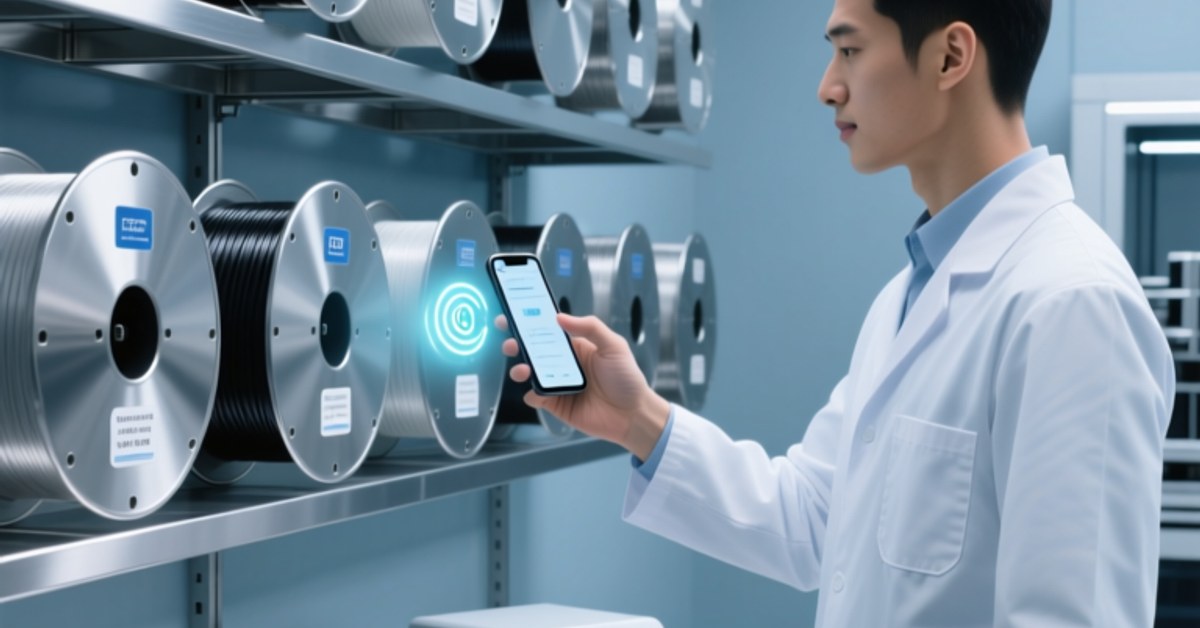
פריצת הדרך טמונה בעמיד במיוחד תגיות NFC העומדים בפני האלמנטים תוך תיעוד מחזור החיים הדיגיטלי של הרכיב.
תמיכה טכנית:
מעטפת סגסוגת טיטניום: התגים מכוסים במארז סגסוגת טיטניום בדרגת תעופה וחלל, מציע עמידות ללא תחרות בפני קורוזיה של מי ים, לַחַץ, והשפעה.
ISO 9227 הסמכה: תגים אלו עוברים בדיקות קפדניות ועברו אלפי שעות של בדיקות ריסוס מלח, הבטחת פעולה אמינה גם בתנאים הימיים הקשים ביותר.
אחסון נתונים דינמי: כל תג חסין חבלה מאחסן נתונים קריטיים ישירות על השבב, נגיש במצב לא מקוון:
- יצרן ציוד מקורי של רכיבים (OEM) ותאריך ההתקנה
- היסטוריית תחזוקה ושירות דינמית
- תעודת בדיקת בטיחות
- תאריך השירות המתוכנן הבא
- חיבור לתיעוד טכני מלא מבוסס ענן
מקרה מבחן: איך מספנה גדולה הוזלה עלויות חלקים על ידי 50%
מפעילת מספנות וכלי שיט מובילה באירופה התמודדה עם עלויות משמעותיות:
- שיעור החלפה שנתי של עד 35% עבור שסתומים ומשאבות קריטיות עקב היסטוריית שירות לא מאומתת.
- אלפי שעות עבודה בזבזו במעקב אחר חלקים לצורך ביקורת בטיחות חובה.
- פרויקטים התעכבו לעתים קרובות בהמתנה לחלקי חילוף שלא ניתן היה לאמת את מקורם.
פתרון הגנת נתונים של NFC (DPP) הם פרסו על הסיפון:
- מֵעַל 5,000 רכיבים קריטיים (שסתומים, משאבות, מכסי צוהר) היו מצוידים בתגי NFC מכוסי טיטניום.
- כל רכיב צויד בדרכון דיגיטלי ייחודי המכיל יצרן ציוד מקורי (OEM) נְתוּנִים, installation date, ויומני שירות.
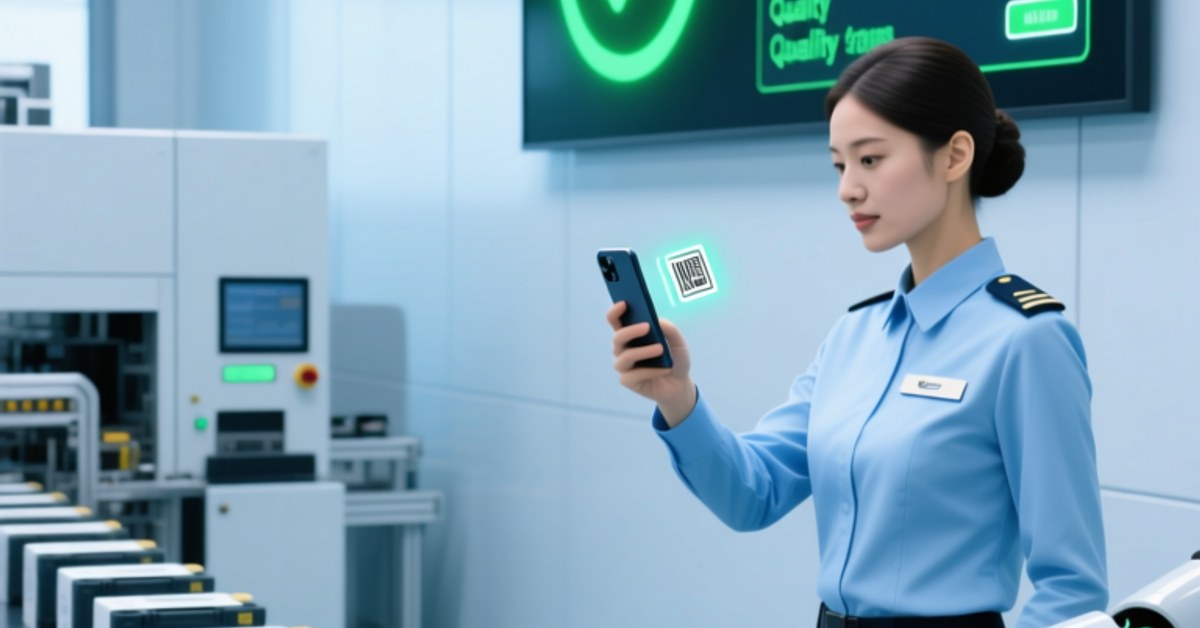
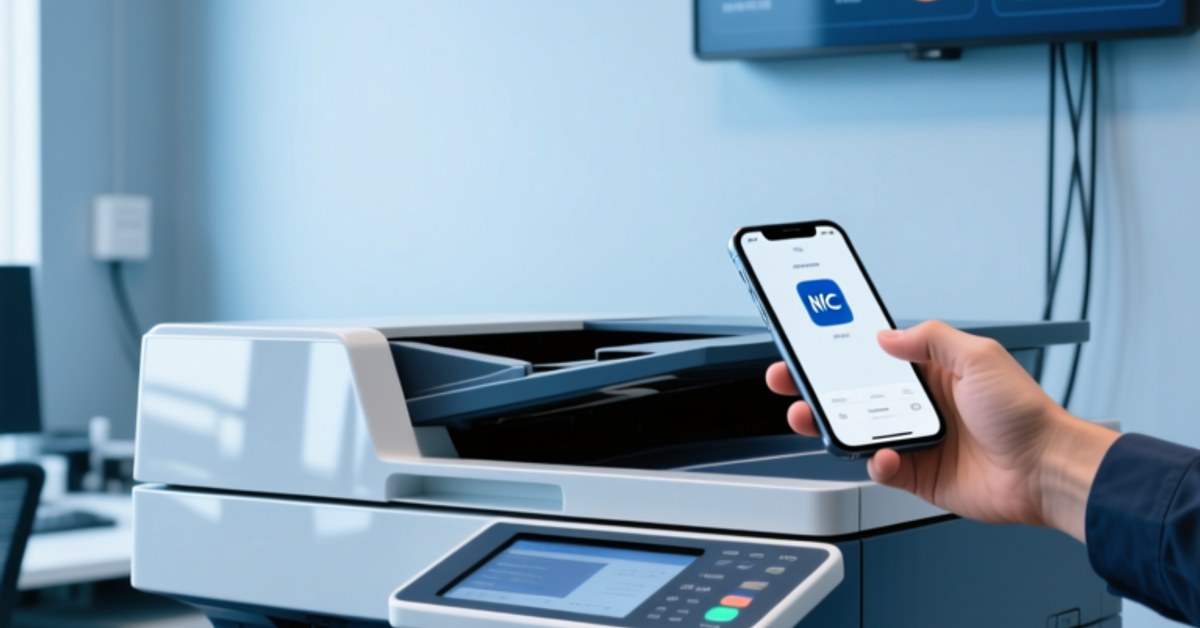
- המהנדסים היו מצוידים עם קשוח טלפונים חכמים כדי לסרוק ולעדכן את DPP בזמן אמת במהלך תחזוקה.
תוצאות מתועדות:
- צמצם החלפות חלקים מיותרות על ידי 50% על ידי אימות חיי שירות בפועל מול צפוי.
- הגדל את תאימות ביקורת הבטיחות על ידי 90% עם גישה דיגיטלית מיידית להיסטוריית הרכיבים.
- לְהַצִיל $1.2 מיליון עלויות חלקים ועלויות עבודה בשנה הראשונה.
- תואם באופן מלא ל-IMO DSS (הארגון הימי הבינלאומי) הנחיות.
בניית מערכת DPP של כלי שיט: רכיבי מפתח
| רְכִיב | דְרִישָׁה | מַטָרָה |
|---|---|---|
| תג NFC | עטוף טיטניום, ISO 9227 מוּסמָך | שורד מי ים, חשיפת UV, השפעה פיזית |
| מבנה נתונים | נתונים קריטיים לא מקוונים (תְעוּדַת זֶהוּת, שירות אחרון) | נגיש ללא קישוריות בחדרי מכונות/חזקות |
| פלטפורמת ענן | מאובטח בסייבר, מאושר בכיתה | מאחסן קבצים טכניים מלאים, מדריכים, ולעדכן את ההיסטוריה |
| קוֹרֵא | מחוספס, מוסמך ATEX עבור אזורים מסוכנים | לשימוש בכל הסביבות מהגשר ועד הגשר |
תוכנית הפעולה הבלתי ניתנת למעקב שלך
- זיהוי יעדים בעלי ערך גבוה: התחל עם רכיבים קריטיים לבטיחות ועתירי עלות (מערכות הנעה, ציוד היגוי, שסתומי נטל).
- בחר את החומרה הנכונה: תעדוף תגי NFC עם הסמכה עצמאית (לְמָשָׁל., ISO 9227).
- הגדר פרוטוקולי נתונים: קבע אילו נתונים צריכים להיות מאוחסנים במצב לא מקוון בתג ואילו צריך להיות מאוחסן בענן עבור מבקרים ומהנדסים.