Pontos problemáticos do gerenciamento de estoque de EPI e soluções RFID
Na fabricação, energia, e indústrias químicas, empresas investem orçamentos significativos em EPI (Equipamento de proteção individual) anualmente. No entanto, devido à má gestão, aproximadamente 20% a 30% dos registros de inventário de equipamentos de segurança são imprecisos ou perdidos.
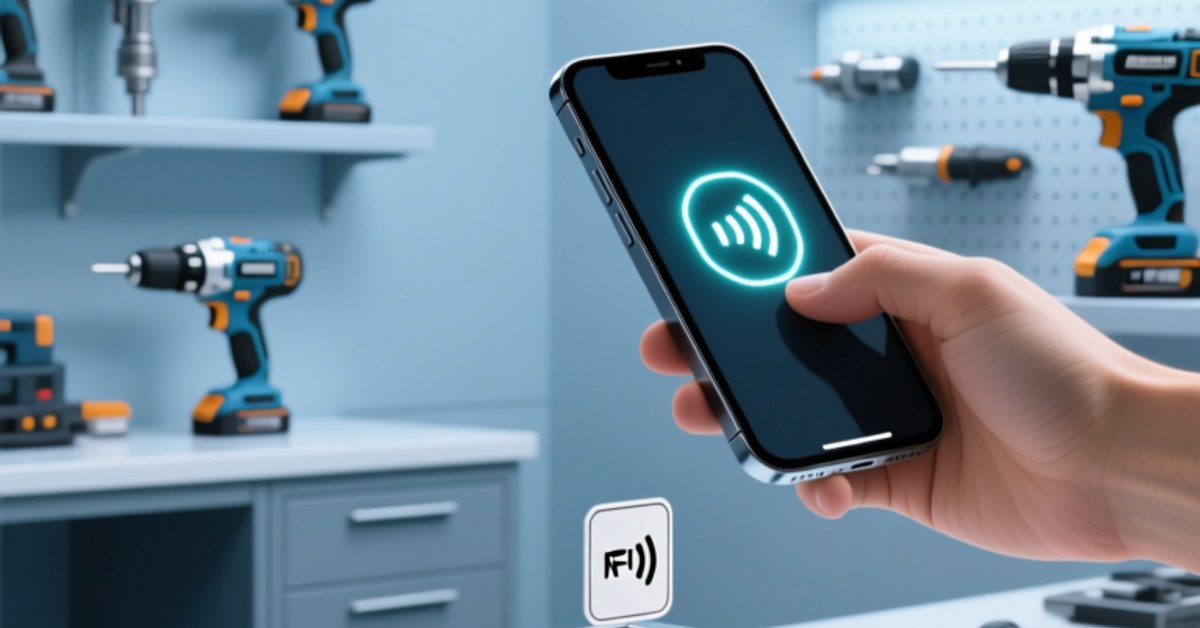
Os métodos tradicionais de contagem manual de estoque são demorados, trabalho intensivo, e sujeito a erros, enquanto Leitor RFID-soluções baseadas em dados podem identificar e registrar dezenas a centenas de itens em segundos. Ao sincronizar leitores RFID portáteis com sistemas backend, as empresas podem monitorar o status do estoque em tempo real e reduzir os custos de mão de obra. Ao otimizar antenas RFID e caminhos de leitura, a precisão da identificação pode ser melhorada a partir de 90% acabar 97%.
Princípio de funcionamento dos leitores RFID EPI
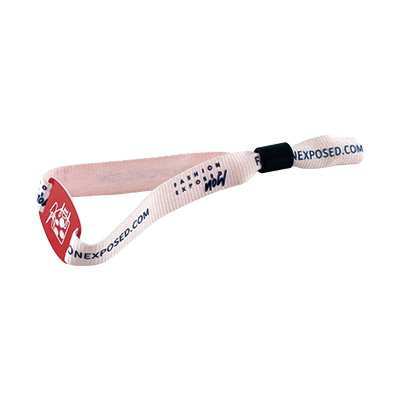
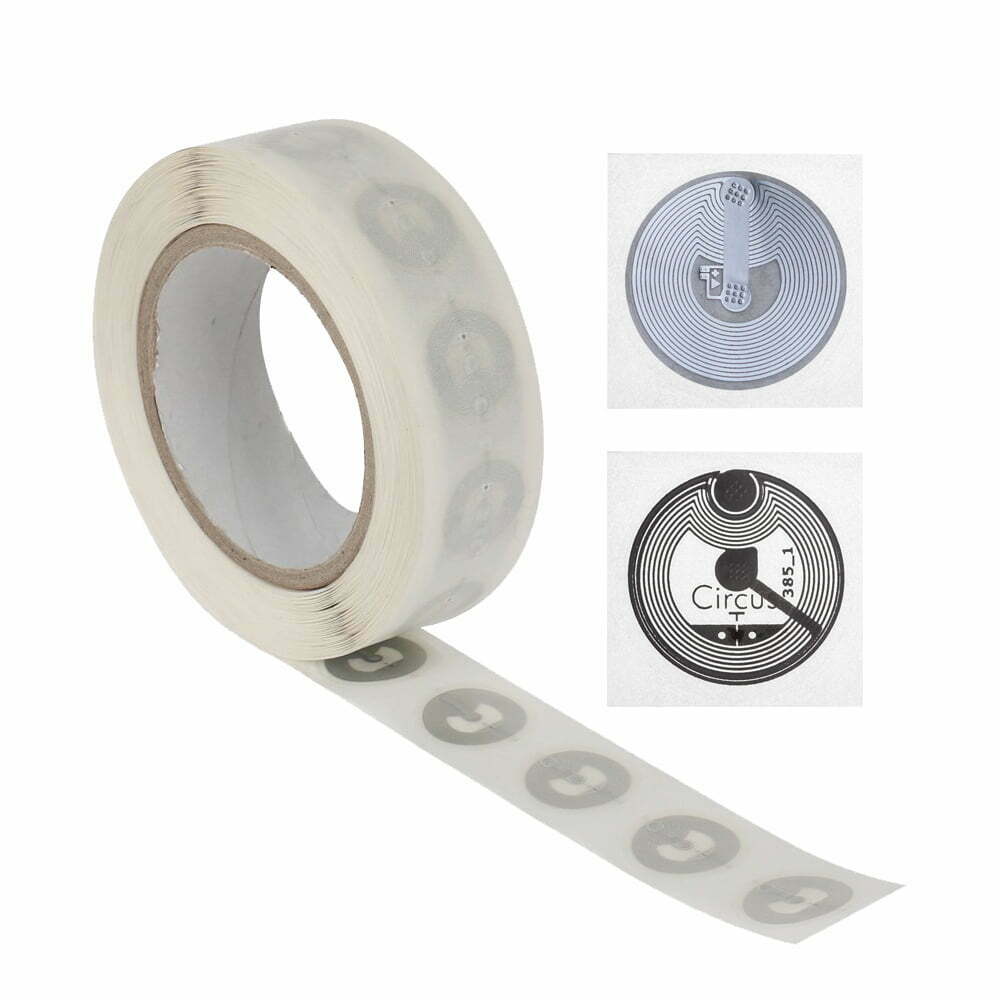
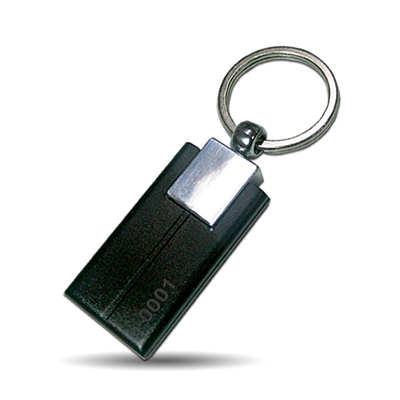
Tags RFID (Por exemplo, etiquetas anti-metal ou etiquetas de tecido) estão anexados aos itens de EPI. Leitores RFID portáteis leem as tags, permitindo identificação rápida e registro automático.
Uma arquitetura típica inclui:
- EPI Leitor RFID: Lê e carrega as informações EPC das tags;
- Layout de implementação: Planeja caminhos de leitura para reduzir pontos cegos;
- Sistema de gerenciamento de back-end: Integra inventário, envio, e retornar registros.
Comparado à leitura tradicional de código de barras, Leitores RFID PPE suportam leitura em lote (aproximadamente 200 itens por segundo), leitura sem contato, e reconhecimento de cena complexo, melhorando significativamente a eficiência do gerenciamento de estoque no local.
Como melhorar o desempenho do leitor RFID
Em cenários complexos, como prateleiras metálicas ou entradas e saídas multicanais, Os sinais RFID são frequentemente afetados por reflexos ou obstáculos. Através de modelagem de dados e análise térmica de sinais, soluções de otimização são fornecidas para leitores portáteis RFID PPE:
- Análise do ângulo de leitura: Determina a distância e o ângulo de leitura ideais;
- Previsão de interferência de sinal: Identifica fontes de reflexão e ajusta a potência;
- Planejamento de caminho: Otimiza rotas de inspeção e reduz pontos cegos.
Testes de campo mostram que o RFIDHY O sistema de leitor RFID pode melhorar a precisão da leitura ao 22% e reduzir o tempo médio de contagem de estoque em 45% em ambientes de alta refletividade.
Cenários de aplicação: Dos armazéns de fábrica às inspeções no local
- Estoque de armazém: Usando leitores RFID portáteis para contagens de inventário de armazém de EPI, centenas de produtos de EPI podem ser identificados simultaneamente com uma única varredura. Através da integração com o sistema backend, os dados do inventário são atualizados em tempo real, evitando emissão duplicada ou omissões.
- Inspeções no local: Trabalhadores usam capacetes de segurança, óculos de proteção, e outros EPIs com Tags RFID. Os gerentes podem usar leitores RFID para verificar rapidamente a conformidade, permitindo o rastreamento da conformidade do EPI.
- Emissão e Reciclagem de Equipamentos: Utilizando algoritmos de identificação, o sistema pode identificar automaticamente tempos de reciclagem e informações pessoais, ajudando as empresas a alcançar o gerenciamento completo do ciclo de vida dos EPI.
Leitores e etiquetas RFID portáteis recomendados pela RFIDHY
RFIDHY oferece uma variedade de equipamentos de proteção individual RFID de nível industrial (EPI) leitores e soluções de tags correspondentes adequadas para vários cenários de aplicação de EPI.
Produtos recomendados:
Leitor RFID UHF portátil HY-R6100
- Distância de leitura: >5 metros;
- Suporta comunicação Wi-Fi/Bluetooth/4G;
- Compatível com vários leitores RFID portáteis para aplicações de EPI.
Etiqueta anti-metal HY-RLT5025
- Adequado para ferramentas de metal e capacetes de segurança;
- Mantém 99% taxa de reconhecimento mesmo em ambientes complexos.
- Projetado para roupas e luvas de proteção;
- Suporta leitura em lote e ambientes de limpeza em alta temperatura.
Através da solução geral RFIDHY, as empresas podem alcançar integração ponta a ponta de leitores RFID PPE + tags + plataforma do sistema.
Benefícios de implementação
Depois de adotar leitores RFID portáteis para equipamentos de proteção individual (EPI) inventário, um fabricante de peças automotivas viu as seguintes melhorias:
- Tempo de estoque de EPI reduzido de 2 horas para 25 minutos;
- A precisão da leitura aumentou de 88% para 97%;
- Taxa anual de perda de EPI reduzida em 45%;
Economia anual de mais de 200,000 ienes em custos trabalhistas e perdas. A flexibilidade e escalabilidade da solução RFIDHY permitem integração com ERP, MES, e outros sistemas, apoiando relatórios automatizados e auditorias de conformidade de EPI.
Perguntas frequentes
1º trimestre: Quais são as vantagens dos leitores RFID PPE portáteis em comparação aos leitores fixos?
UM: Leitores portáteis RFID PPE oferecem alta flexibilidade, adequado para verificações de inventário móvel e auditorias no local; leitores fixos são adequados para controle de acesso e vigilância. Eles podem ser usados em combinação.
2º trimestre: Os leitores RFID portáteis de EPI podem ler etiquetas feitas de diferentes materiais?
UM: Suporta etiquetas anti-metal, etiquetas de tecido, e etiquetas resistentes a altas temperaturas.
3º trimestre: É necessário Wi-Fi ou uma conexão de rede?
UM: Suporta leitura offline; os dados podem ser carregados automaticamente para o back-end quando uma conexão de rede estiver disponível.
4º trimestre: A RFIDHY oferece serviços de personalização?
UM: RFIDHY suporta personalização de tags, integração de sistemas, e depuração no local para garantir a implantação precisa e confiável de leitores RFID PPE.
Conclusão
Implantando leitores RFID portáteis para gerenciar equipamentos de proteção individual (EPI), a indústria manufatureira pode alcançar o digital, inteligente, e gestão rastreável do inventário de EPI. Combinado com equipamentos RFIDHY de nível industrial, as empresas podem não apenas melhorar a eficiência do gerenciamento de EPI, mas também melhorar significativamente a conformidade e a segurança. RFIDHY oferece leitor RFID EPI completo + marcação + soluções de plataforma, tornando-se um parceiro ideal para impulsionar a inteligência industrial e a transformação digital e alcançar uma produção mais segura.
Para mais informações,por favor Contate-nos.