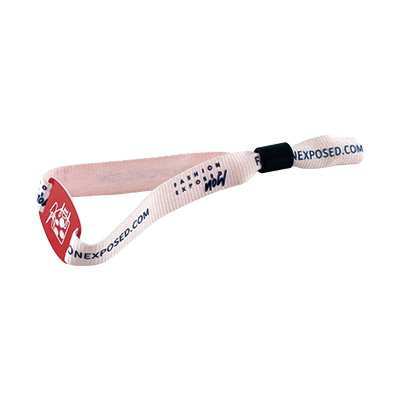
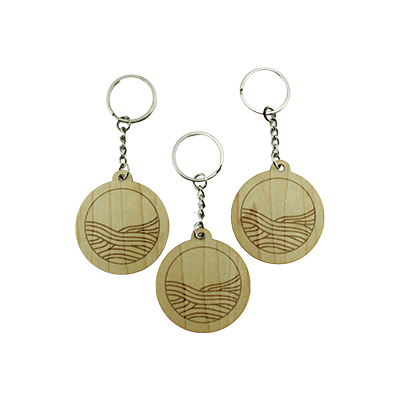
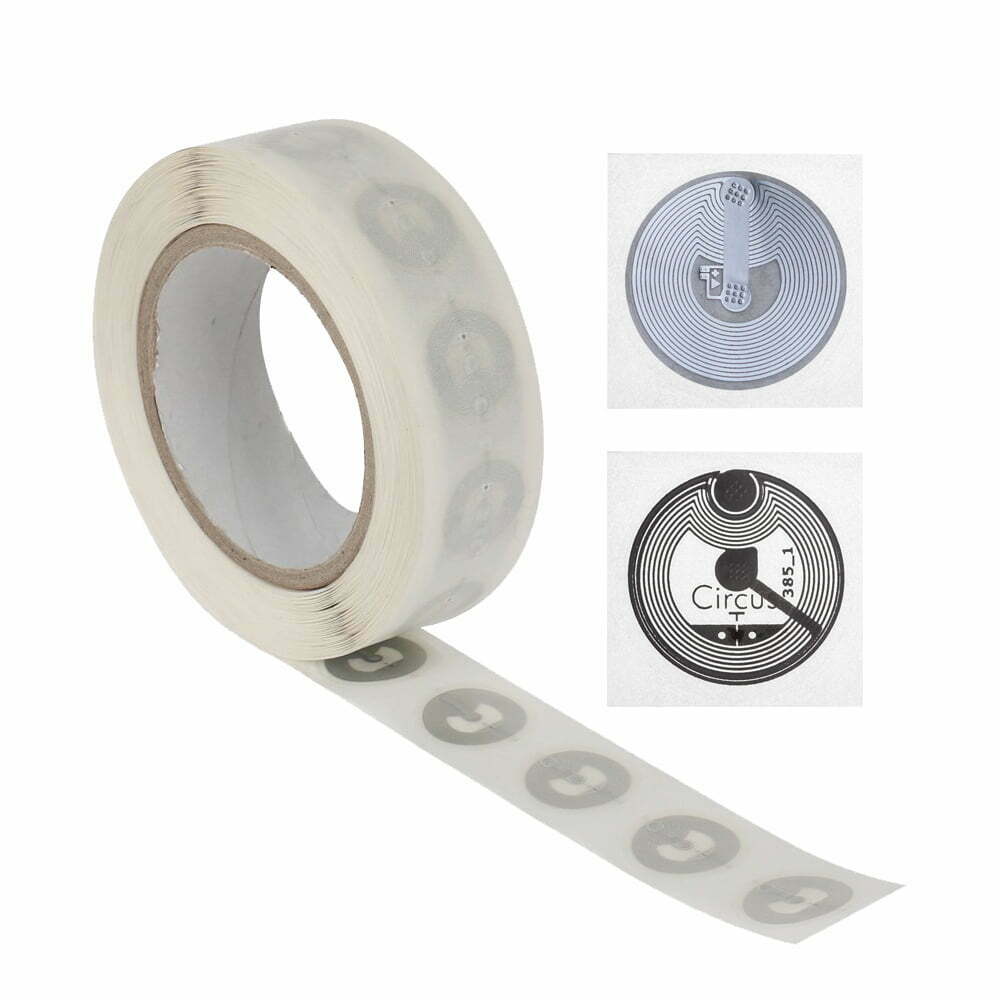
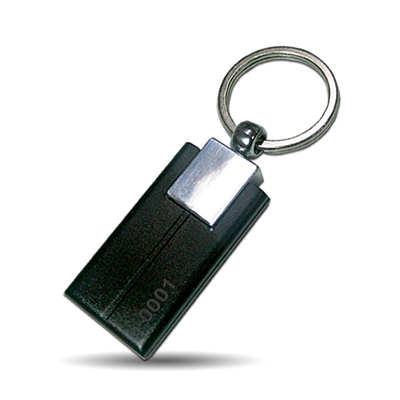
Өнөр жай идустарлары текстильдин чоң көлөмүн тутушат (Керебеттер барактары, сүлгү, форма, жана башкалар) күн сайын. Салттуу кол менен эсептөө ыкмалары эффективдүү эмес, катага жакын, жана текстилдин колдонуу абалын көзөмөлдөөнү кыйындатат. RFID колдонуу автоматташтырылган текстилдик башкарууну камсыз кылат, иштин натыйжалуулугун бир кыйла жогорулатуу жана коромжуга учуратуу-га кеткен чыгымдарды кыскартуу.
RFID Textile Tags: Өнөр жай кир жуучу башкаруунун интеллектуалдык өзөгү
RFID текстилдик теги жогорку температурага жана жууга чыдамдуу электрондук биркалар тигилип же текстильге салынышы мүмкүн. Алар радио жыштык технологиясы аркылуу байланышсыз тез окуса болот. Атайын жогорку температура үчүн иштелип чыккан, жогорку басым, жана өнөр жай кир жуугучтарды химиялык жууган чөйрөлөр, алар узак мөөнөттүү туруктуу иштешин камсыз кылат.
салттуу текстилдик башкаруу ыкмалары менен салыштырганда, RFID технологиясы инвентаризациянын натыйжалуулугу жагынан олуттуу артыкчылыктарга ээ, маалыматтардын тактыгы, текстилдик көзөмөлдөө жана жоготууларды алдын алуу. Салттуу кол менен инвентаризациялоо процесси жай жана каталарга жакын, ал эми RFID тутуму пакеттик сканерлөө жүргүзө алат, секунданын ичинде инвентаризацияны бүтүрүңүз, жана маалыматтарды автоматтык түрдө жаздыруу, нөл ката башкарууга жетишүү. Ошол эле учурда, RFID технологиясы толугу менен текстилдик колдонуу жазууларды көзөмөлдөй алат, жана электрондук мониторинг аркылуу текстилдик жоготууларды натыйжалуу азайтат.
RFIDдин өнөр жайлык кир жуучу процессинде негизги колдонулушу
Текстильди автоматташтырылган жыйноо жана классификациялоо
Салттуу чогултуу ыкмасы сандардын кол менен текшерүүнү талап кылат, ар кандай кардарларга байланыштуу баш аламандыкка жакын’ текстиль. менен RFID чечим, чогултуу учурунда, текстиль окурмандар тарабынан автоматтык түрдө сканерленет, жана кездемелердин саны жана түрлөрү реалдуу убакытта жазылат. Система текстильди автоматтык түрдө классификациялай алат, аралаш жууштан качуу жана сорттоо натыйжалуулугун бир кыйла жогорулатуу.
Жуу процессин оптималдаштыруу
Салттуу жууган ыкмасы жуугандардын санын так жаза албайт, ашыкча жуулушуна же жетишсиз жуулушуна алып келиши мүмкүн. The RFID тутуму ар бир жууганды автоматтык түрдө жаздырат, процесс стандарттык жол-жоболор боюнча жүргүзүлүшүн камсыз кылуу жана жуунуунун санына жараша программаны акылдуу түрдө тууралай алат, текстилдин кызмат мөөнөтүн натыйжалуу узартуу.
Текстильди кургатуу жана жасалгалоону интеллектуалдык башкаруу
The Rfid теги жогорку температурага туруштук берет жана реалдуу убакытта кургатуу процессинде текстилдин абалын көзөмөлдөй алат. Система кургатуулардын санын автоматтык түрдө эсептеп, кол менен кийлигишүүнү кыйла азайтат, иштин натыйжалуулугун жогорулатуу.
Текстильди бөлүштүрүү жана инвентарды башкаруу
Чыгып кетүү процессинде, RFID кирүү башкаруу системасы текстилдик жоготууга же туура эмес бөлүштүрүүгө жол бербөө үчүн автоматтык түрдө сканерлейт. Реалдуу убакытта жаңыланган инвентаризация маалыматтары кир жуучу фабрикага жетишсиздик же ашыкча жагдайлардан качууга жардам берет.
Текстиль сыныктары жана алмаштыруу боюнча чечим кабыл алуу
Система ар бир текстиль үчүн жуулуунун санын толук жазып алат. Алдын ала белгиленген чекке жеткенде, система автоматтык түрдө алмаштырууну сунуштайт. Бул маалыматтарга негизделген чечим кабыл алуу ыкмасы ашыкча колдонуудан келип чыккан кардарлардын даттанууларын натыйжалуу азайтат.
RFID текстиль биркаларынын өнөр жайлык мүнөздөмөлөрү
Жогорку туруктуулук
RFID текстилдик тэгдер 200 ℃ жогору температурага туруштук бере алат жана өнөр жай кир жуучу буу менен дезинфекциялоо чөйрөсүнө толугу менен шайкеш келет. Алардын кислотага жана щелочко туруктуулугу, ошондой эле механикалык сүрүлүү, катаал жууган шарттарда узак мөөнөттүү туруктуу пайдаланууну камсыз кылат.
Натыйжалуу аныктоо мүмкүнчүлүгү
UHF RFID технологиясын колдонуу, ал узак аралыкта партия окууну колдойт, ири кир жуучу фабрикалардын эксплуатациялык муктаждыктары үчүн өзгөчө ылайыктуу. Система секундасына жүздөгөн текстиль буюмдарын сканерлей алат, эксплуатациялоонун натыйжалуулугун бир кыйла жогорулатуу.
Маалыматтын коопсуздугу жана көзөмөлдөө
RFID системасы шифрленген сактоо технологиясын кабыл алат, маалыматтарды бурмалоону натыйжалуу алдын алуу. Ошол эле учурда, ал толугу менен булагын жазып алат, жууган тарыхы, жана текстилдин колдонуу абалы, башкаруу чечимдерин кабыл алуу үчүн ишенимдүү негизди камсыз кылуу.
RFID текстилдик теги системасын кантип ишке ашыруу керек?
Тийиштүү RFID тэгдерин тандаңыз
өнөр жай кир жуугуч чөйрөлөр үчүн, UHF RFID тэгдери алар узак аралыкка жана тез сканерлөө үчүн ылайыктуу болгондуктан сунушталат. Биркалардын капсулдук материалы ысыкка жана коррозияга туруктуу силикон же эпоксиддик чайырдан тандалышы керек..
RFID окуу жана жазуу түзүлүштөрүн жайылтуу
Жыйноо сыяктуу негизги этаптарда туруктуу же колдук окурмандарды орнотуу, сорттоо, Жуу, жана чыгуу. Кирүүнү башкаруу системасы менен айкалышкан, ал натыйжалуу текстилдик жоготууга жол бербейт.
Кир жуугучтарды башкаруу программасын бириктириңиз
Толук процессти санариптик башкарууга жетишүү үчүн RFID маалыматтарын ERP же MES системалары менен туташтырыңыз. Система тарабынан түзүлгөн ар кандай отчеттор оперативдүү чечимдерге күчтүү колдоо көрсөтө алат.
Чыныгы окуя: RFID кир жуучу заводдун натыйжалуулугун кантип жакшыртат?
Чоң чынжыр мейманкананын кир жуучу заводу иштеп жатат 100,000 күн сайын текстиль даана. Мурун, кол менен эсептөө ыкмаларын колдонушкан, бул көп убакытты жана эмгекти көп талап кылуу менен гана чектелбестен, жаңылыштыктын деңгээли да жогору болгон. текстилдик жоготуу көрсөткүчү болжол менен болгон 5%.
UHF RFID төшөнчү тегдерин кыстарып, кир жуугуч линиясына автоматтык сканерлөө системасын орноткондон кийин, ажайып нетижелер газанылды: инвентаризациялоо убактысы кыскарды 85%, төшөктөрдү жоготуу көрсөткүчү төмөндөдү 1%, жана бир кыйла унемдееге жетишилди.
Биз менен байланышыңыз кесиптик чечимдерди алуу үчүн.
Сизди дагы кызыктырышы мүмкүн:
Көбүрөөк маалымат алуу үчүн,өтүнөмүн Биз менен байланышыңыз.