La industria de la construcción genera más 35% de todos los residuos en la UE. Las nuevas regulaciones de taxonomía de la UE exigen una tasa de reciclaje de al menos 70% para materiales de construcción. El incumplimiento no sólo daña el medio ambiente sino que también pone en peligro la elegibilidad para la financiación verde y puede dar lugar a multas importantes.. La NFC Pasaporte de producto digital (DPP) transforma el seguimiento de residuos de una carga regulatoria a una ventaja estratégica, permitiendo una trazabilidad precisa de los materiales y desbloqueando los beneficios de la economía circular.
Según los estándares de taxonomía de la UE y el Plan de Acción de Economía Circular, empresas constructoras enfrentan:
- Objetivos estrictos de reciclaje: Reciclaje obligatorio de 70% de residuos de construcción no peligrosos.
- Requisitos de documentación: Documentación digital de la composición del material., rutas de reciclaje, y huella de carbono.
- Riesgos financieros: El incumplimiento conducirá a una pérdida de confianza en la financiación verde y en los inversores ESG.
- Seguimiento manual ineficiente: Los métodos actuales se basan en inspecciones visuales y papeleo propenso a errores..
El programa de protección de datos NFC (DPP) aborda este problema incorporando identificación de material inmutable directamente en los componentes del edificio, permitiendo el cumplimiento automatizado y la valorización de residuos.
Cómo funciona la asociación digital NFC (DPP) Impulsa los edificios circulares
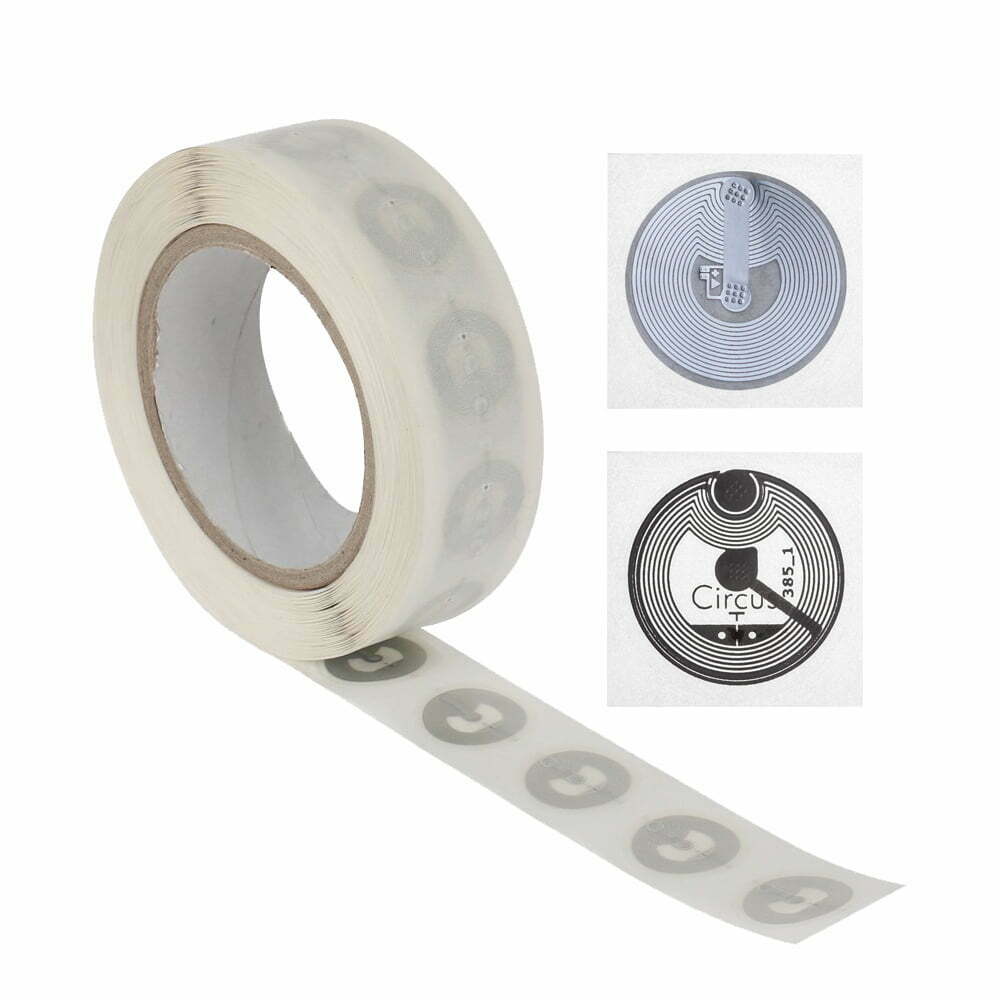
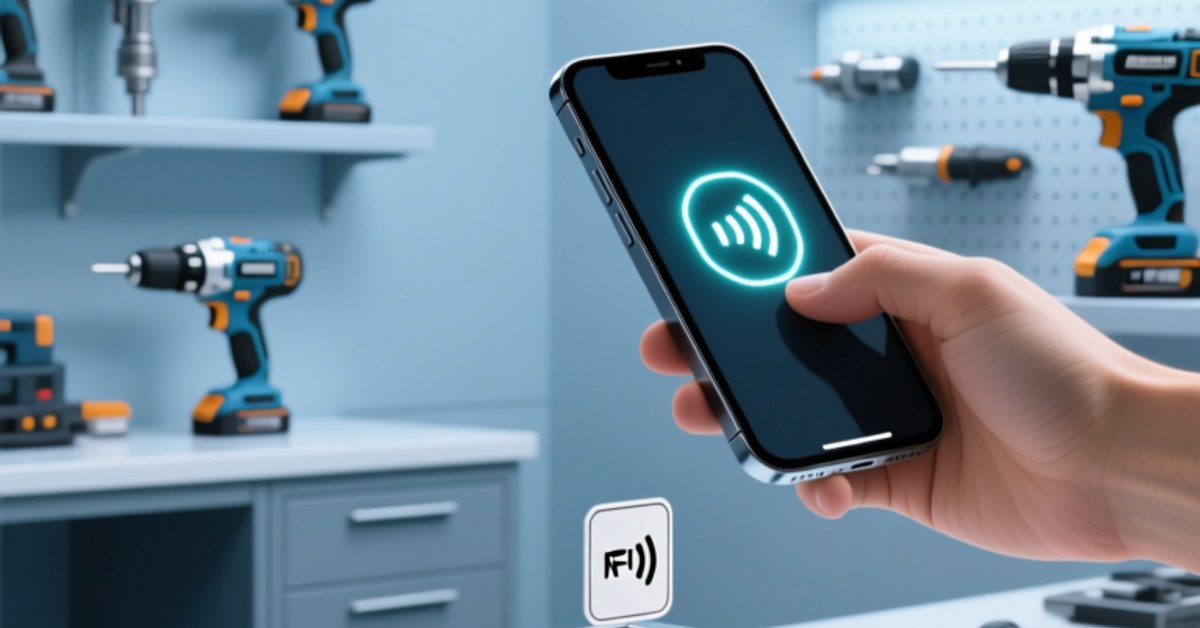
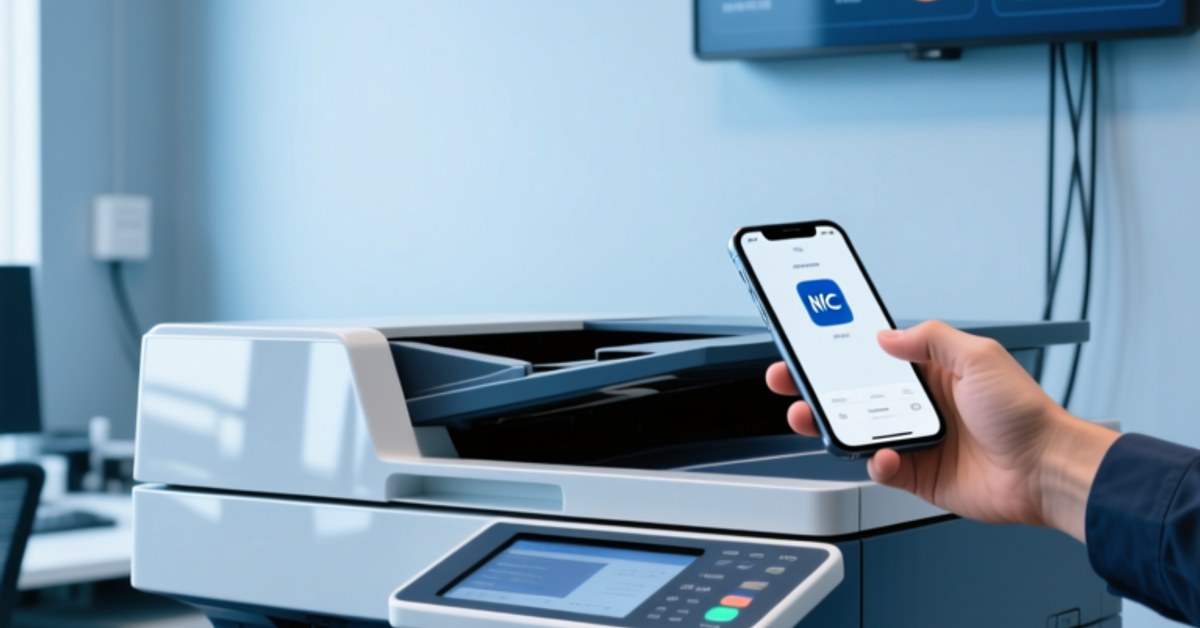
Etiquetas NFC Se puede unir o incrustar en materiales de construcción. (P.EJ., bloques de concreto, vigas de acero, paneles aislantes), crear un registro digital accesible a través de un teléfono inteligente:
Clasificación y reciclaje de residuos:
- Composición de materiales: Las etiquetas almacenan datos de composición de materiales (P.EJ., grado de concreto, aleación de acero, tipo de plastico), permitiendo una clasificación precisa.
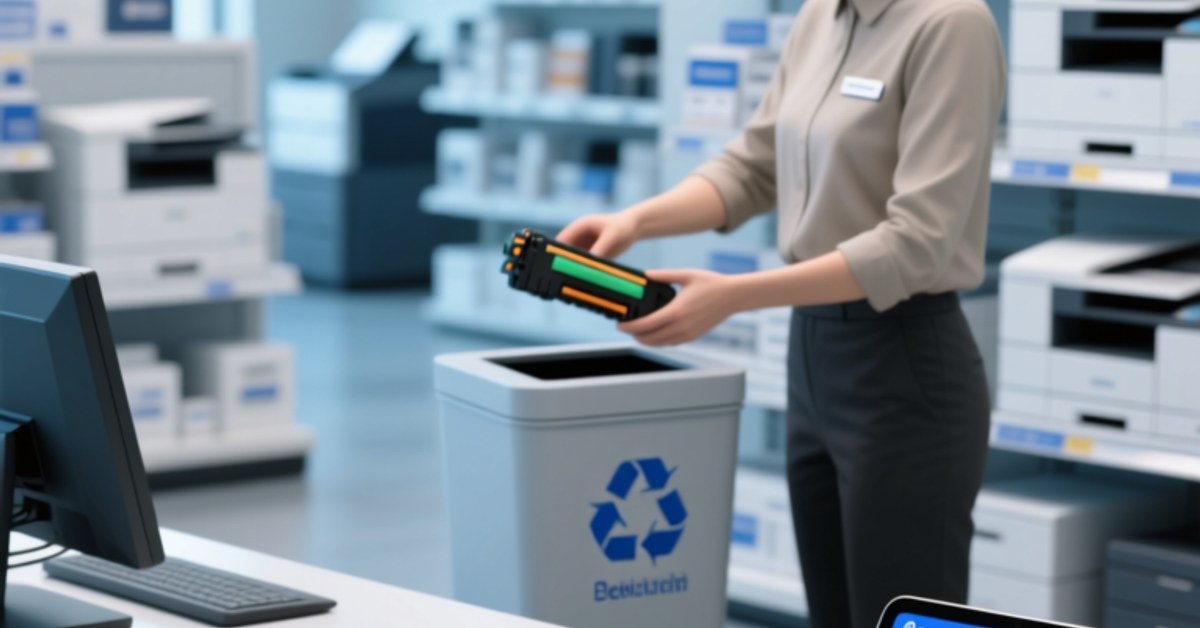
- Instrucciones de reciclaje: Basado en las características del material., Los manipuladores de residuos son guiados hacia el camino de reciclaje óptimo..
- Seguimiento de la huella de carbono: Registros de carbono incorporado para informes ESG y certificación verde.
Cumplimiento normativo:
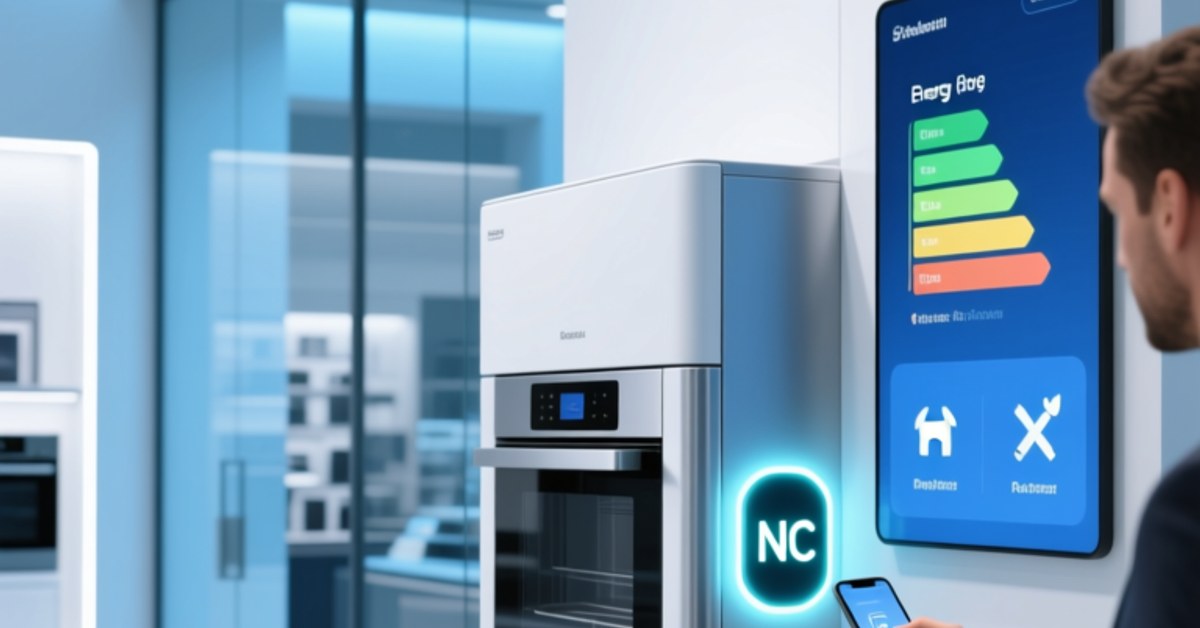
- Informes automatizados: Genera informes de tasas de reciclaje en tiempo real para auditorías de taxonomía de la UE.
- Prueba de circularidad: Verifica la reutilización de materiales en nuevos proyectos para calificar para incentivos verdes.
- Transparencia de la cadena de suministro: La trazabilidad de los proveedores de materiales garantiza el cumplimiento de los estándares de sostenibilidad.
Un gran grupo constructor europeo se enfrentaba a los siguientes retos:
- La tasa de reciclaje de residuos de demolición fue sólo 45%, por debajo de los estándares de la UE.
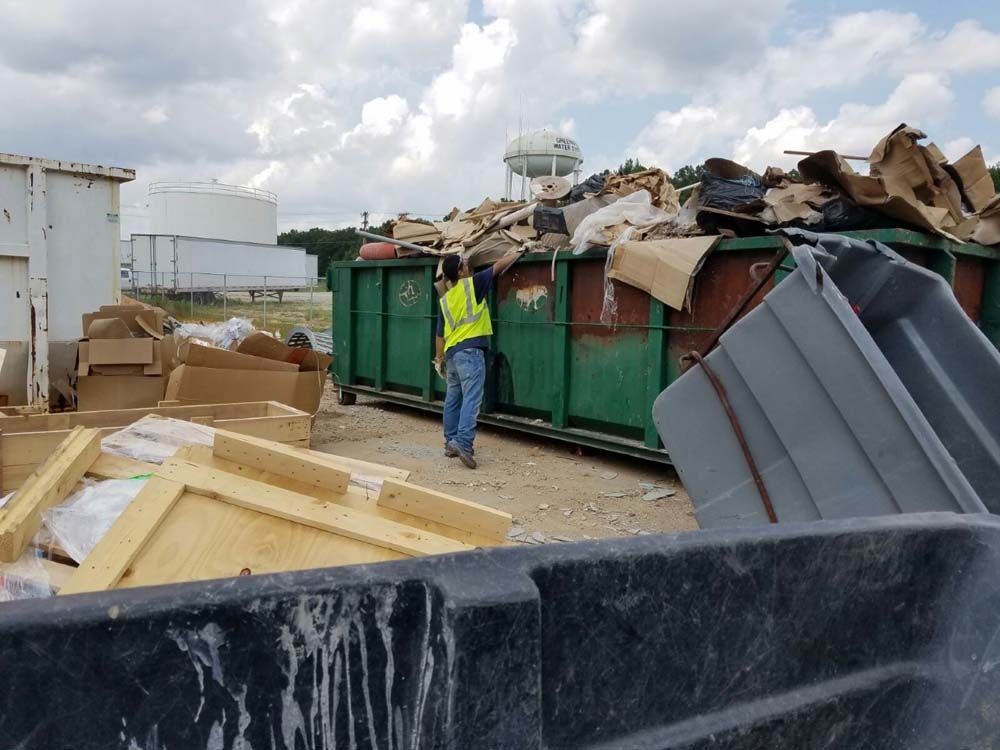
- Debido a una clasificación ineficiente, Los materiales mezclados fueron enviados al vertedero a un alto costo..
- El proceso de auditoría manual se hizo cargo 200 horas por proyecto.
Solución implementada:
Encima 10,000 Los componentes de hormigón y acero fueron etiquetados con etiquetas duraderas. Etiquetas NFC durante el proceso de fabricación.
Etiquetas almacenadas:
- Código de composición y reciclaje de materiales.
- Fecha de instalación e ID del proyecto.
- Instrucciones de demolición y reciclaje.
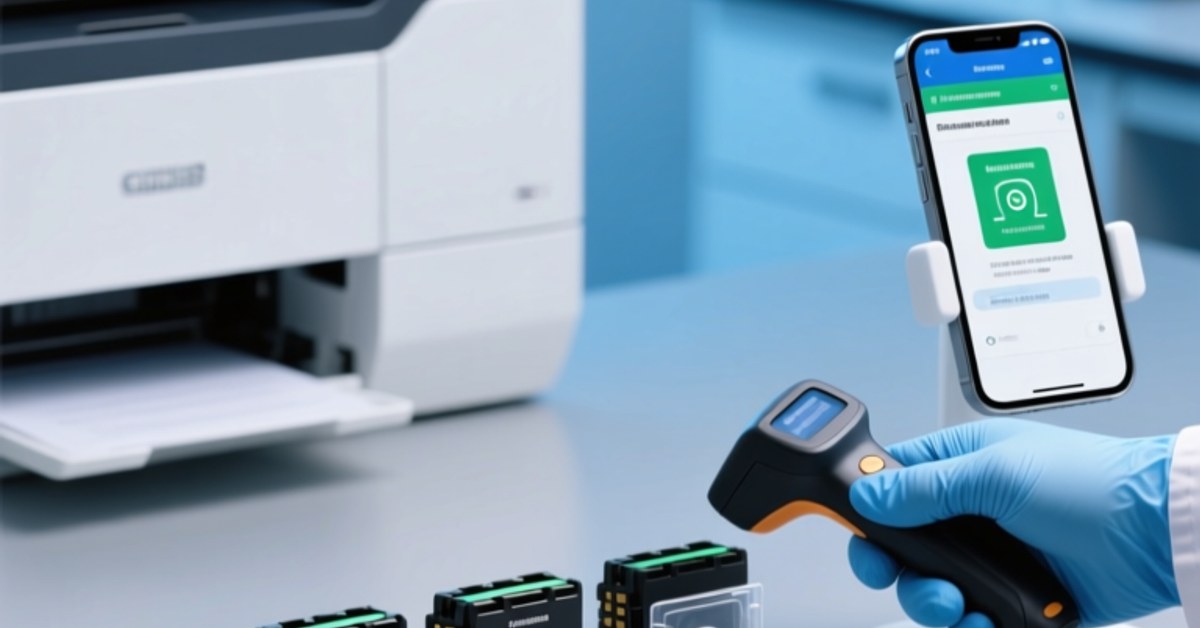
Los equipos de demolición escanearon las etiquetas con sus teléfonos para clasificar los materiales en el flujo de reciclaje correcto..
Resultados obtenidos en 12 Meses:
- La tasa de reciclaje aumentó en 50% (de 45% a 68%, acercándonos a los objetivos de la UE).
- Un solo proyecto ahorró 120.000 € en costes de vertederos y materias primas.
- Los informes digitales automatizados redujeron el tiempo de auditoría en 80%.
- Mejora de la elegibilidad para bonos verdes y financiación sostenible.
El valor estratégico de NFC DPP:
- Valorización de Residuos: Venta de materiales cuidadosamente clasificados a socios de reciclaje a un precio superior.
- Diseño para demolición: Uso de datos DPP para optimizar los edificios futuros para la circularidad.
- Responsabilidad del proveedor: Recompensar a los contratistas que se adhieran a los protocolos de sostenibilidad.
Por qué NFC es superior al seguimiento manual y a los códigos de barras
| Desafío | Métodos tradicionales | Solución NFC DPP |
|---|---|---|
| Precisión de los datos | Registros manuales propensos a errores | Digital, registros inmutables |
| Eficiencia de clasificación | Inspección visual lenta | Toca para identificarte en segundos |
| Durabilidad | Los códigos de barras se degradan en el sitio | Escabroso, etiquetas resistentes a la intemperie |
| Capacidad de datos | Datos estáticos limitados | Dinámica, información actualizable |
Implementación del programa de protección de datos NFC (DPP): Un marco para líderes de la construcción
- Comience con materiales de alto impacto: Centrarse en el acero, concreto, y plasticos.
- Integrar con BIM: Conecte datos NFC al modelado de información de construcción (BIM) sistemas.
- Capacitar equipos de campo: Equipar a los equipos de demolición con teléfonos inteligentes para etiquetar y rastrear.
- Trabajar con recicladores: Garantizar que las instalaciones de reciclaje acepten materiales con etiquetas NFC.
“En la economía circular, El desperdicio es un defecto de diseño., y el Programa de Protección de Datos NFC (DPP) es la solución.”
Puede que esté interesado también en:
Para más información,por favor Contáctenos.