The construction industry generates over 35% of all waste in the EU. New EU taxonomy regulations require a recycling rate of at least 70% for construction materials. Non-compliance not only harms the environment but also jeopardizes green financing eligibility and can result in significant fines. The NFC Digital Product Passport (DPP) transforms waste tracking from a regulatory burden into a strategic advantage, enabling precise material traceability and unlocking circular economy benefits.
According to the EU taxonomy standards and the Circular Economy Action Plan, construction companies face:
- Stringent recycling targets: Mandatory recycling of 70% of non-hazardous construction waste.
- Documentation requirements: Digital documentation of material composition, recycling routes, and carbon footprint.
- Financial risks: Non-compliance will lead to a loss of confidence in green financing and ESG investors.
- Inefficient manual tracking: Current methods rely on error-prone paperwork and visual inspections.
The NFC Data Protection Program (DPP) addresses this issue by embedding immutable material identification directly into building components, enabling automated compliance and waste valorization.
How the NFC Digital Partnership (DPP) Powers Circular Buildings
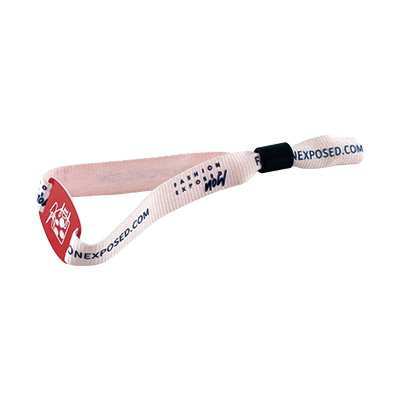
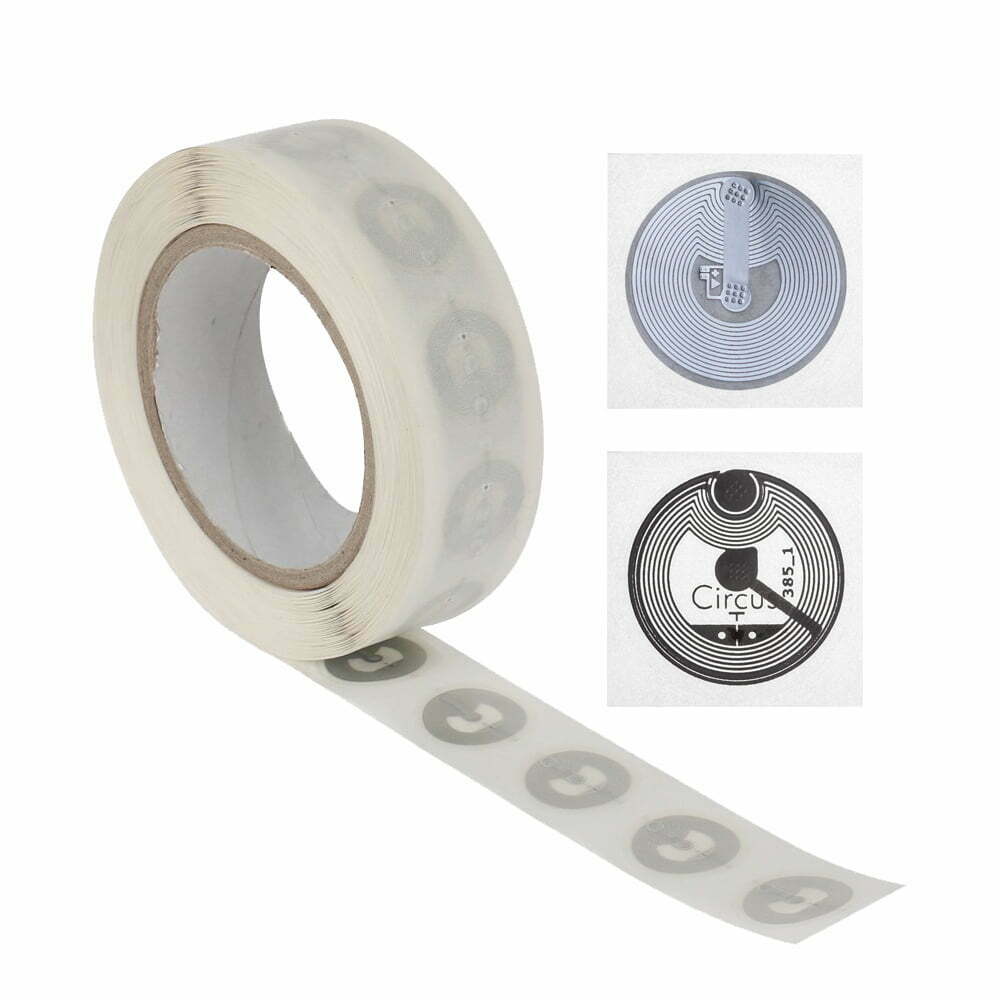
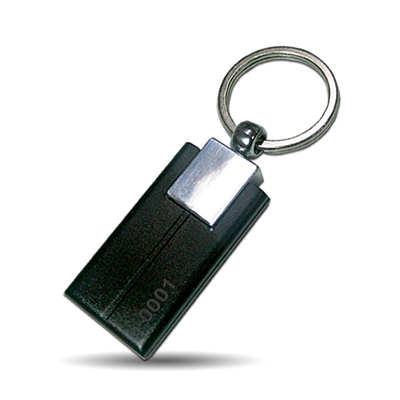
NFC tags can be attached to or embedded in building materials (e.g., concrete blocks, steel beams, insulation panels), creating a digital record accessible via smartphone:
Waste Sorting and Recycling:
- Material Composition: Tags store material composition data (e.g., concrete grade, steel alloy, plastic type), enabling precise sorting.
- Recycling Instructions: Based on material characteristics, waste handlers are guided to the optimal recycling path.
- Carbon Footprint Tracking: Records embodied carbon for ESG reporting and green certification.
Regulatory Compliance:
- Automated Reporting: Generates real-time recycling rate reports for EU taxonomy audits.
- Circularity Proof: Verifies material reuse in new projects to qualify for green incentives.
- Supply Chain Transparency: Traceability of material suppliers ensures compliance with sustainability standards.
A large European construction group faced the following challenges:
- The recycling rate for demolition waste was only 45%, below EU standards.
- Due to inefficient sorting, mixed materials were sent to landfill at high costs.
- The manual audit process took over 200 hours per project.
Deployed Solution:
Over 10,000 concrete and steel components were tagged with durable NFC tags during the manufacturing process.
Stored Tags:
- Material composition and recycling code
- Installation date and project ID
- Demolition and recycling instructions
Demolition crews scanned the tags with their phones to sort materials into the correct recycling stream.
Achieved Results in 12 Months:
- Recycling rate increased by 50% (from 45% to 68%, approaching EU targets).
- A single project saved €120,000 in landfill and raw material costs.
- Automated digital reporting reduced audit time by 80%.
- Improved eligibility for green bonds and sustainable financing.
The Strategic Value of NFC DPP:
- Waste Valorization: Selling accurately sorted materials to recycling partners at a premium.
- Design for Demolition: Using DPP data to optimize future buildings for circularity.
- Supplier Accountability: Reward contractors who adhere to sustainability protocols.
Why NFC is superior to manual tracking and barcodes
| Challenge | Traditional Methods | NFC DPP Solution |
|---|---|---|
| Data Accuracy | Error-prone manual logs | Digital, immutable records |
| Sorting Efficiency | Slow visual inspection | Tap-to-identify in seconds |
| Durability | Barcodes degrade on-site | Rugged, weather-proof tags |
| Data Capacity | Limited static data | Dynamic, updatable information |
Implementing NFC Data Protection Program (DPP): A Framework for Construction Leaders
- Start with high-impact materials: Focus on steel, concrete, and plastics.
- Integrate with BIM: Connect NFC data to Building Information Modeling (BIM) systems.
- Train Field Teams: Equip demolition crews with smartphones for tagging and tracking.
- Work with Recyclers: Ensure recycling facilities accept materials with NFC tags.
“In the circular economy, waste is a design flaw, and the NFC Data Protection Program (DPP) is the fix.”
You may be interested also in:
For more information,please contact us.