Por qué el PPD de la UE es importante para las pymes
La Unión Europea DPP es una piedra angular del ESPR, requiriendo verificable, datos del producto legibles por máquina durante todo el ciclo de vida. Si bien las grandes empresas cuentan con equipos de cumplimiento dedicados, Las PYMES enfrentan una presión desproporcionada, pero también tienen una agilidad única para adoptar tecnologías escalables., soluciones rentables. Comenzando en 2027, DPP Los requisitos se implementarán por categoría de producto. (P.EJ., baterias, textiles, electrónica), y se espera que se aplique plenamente 2030.
Lo que las PYMES necesitan saber: Línea de tiempo & Requisitos mínimos de datos
El ESPR se aplica a todos los productos comercializados en el mercado de la UE, independientemente del tamaño o el origen del fabricante.. Los hitos clave incluyen:
- 2027: Se requieren primeros DPP para baterías y vehículos eléctricos
- 2028: Textiles, muebles, y llantas
- 2029–2030: Electrónica, materiales de construcción, y dispositivos médicos
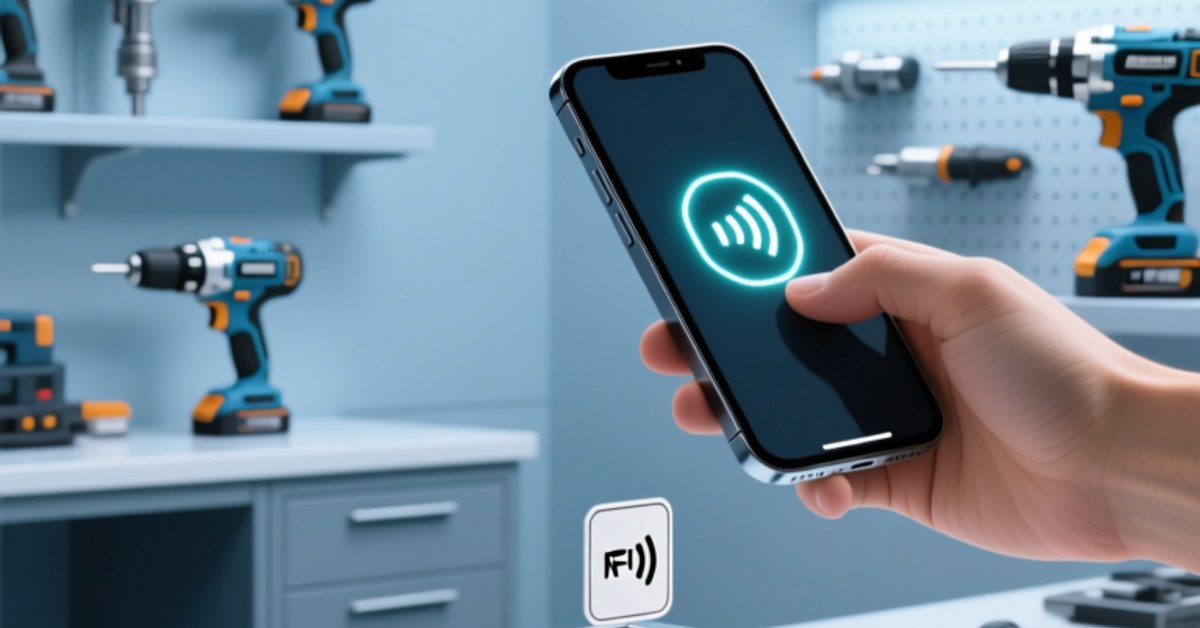
Mínimo DPP Los datos incluyen la identificación del producto., composición de materiales, puntuación de reparabilidad, huella de carbono, e instrucciones al final de su vida útil. Todos los datos deben ser accesibles a través de un identificador digital persistente, más comúnmente un Etiqueta NFC Incrustado en el embalaje o en el etiquetado del producto..
Una guía práctica de preparación de DPP de 6 pasos para pymes
1. Empezar poco a poco: Piloto con una línea de productos
Comience con su línea de productos de mayor margen o más expuesta a las exportaciones. Integrar Etiquetas NFC en etiquetas o embalajes existentes: no se requieren nuevas líneas de producción. Aproveche su proveedor de etiquetas actual; muchos admiten la integración de incrustaciones NFC mediante flujos de trabajo de impresión flexográfica o digital estándar.
2. Elija la etiqueta NFC adecuada: presupuesto & Seguridad equilibrada
Para PYMES, RFIDTAGHY ofertas certificadas, Etiquetas NFC de grado industrial ideales para casos de uso de DPP. Dos opciones recomendadas:
>
| Característica | NTAG 213 | NTAG 424 ADN |
|---|---|---|
| Memoria | 144 bytes | 888 bytes |
| Seguridad | Protección básica de contraseña | Firma de URL dinámica, autenticación criptográfica |
| Mejor para | Bienes de consumo de bajo riesgo (P.EJ., vestir, artículos para el hogar) | Lujo, regulado, o artículos de alto valor (P.EJ., productos cosméticos, electrónica) |
| Fuente | RFIDHY NTAG 213 Etiquetas NFC | RFIDHY NTAG 424 Etiquetas NFC de ADN |
3. Seleccione una plataforma de software DPP ligera
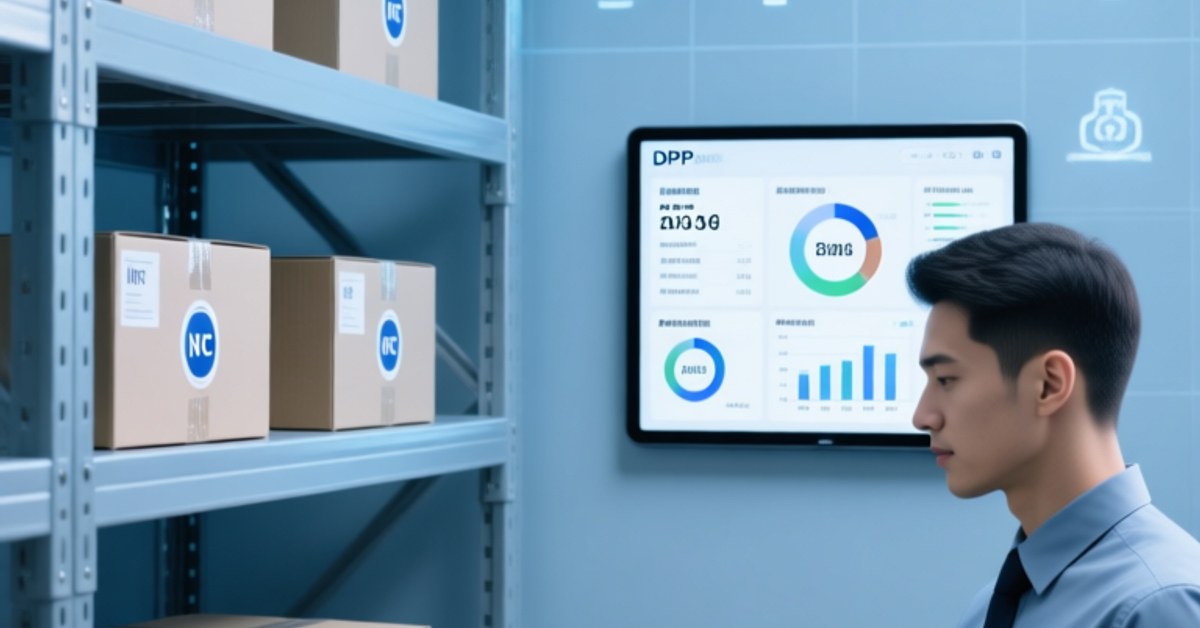
Busque basado en la nube, Plataformas API-first que no requieren inversión en infraestructura. Dar prioridad a aquellos que soportan los estándares GS1 Digital Link y ofrecen plantillas prediseñadas para campos de datos exigidos por ESPR.. Plataformas como La solución DPP SaaS de RFIDHY proporcionar precios a nivel de PYME, carga de datos con arrastrar y soltar, y generación de enlaces QR/NFC: implementable en menos de 48 horas.
4. Integrar con el embalaje existente & Etiquetado
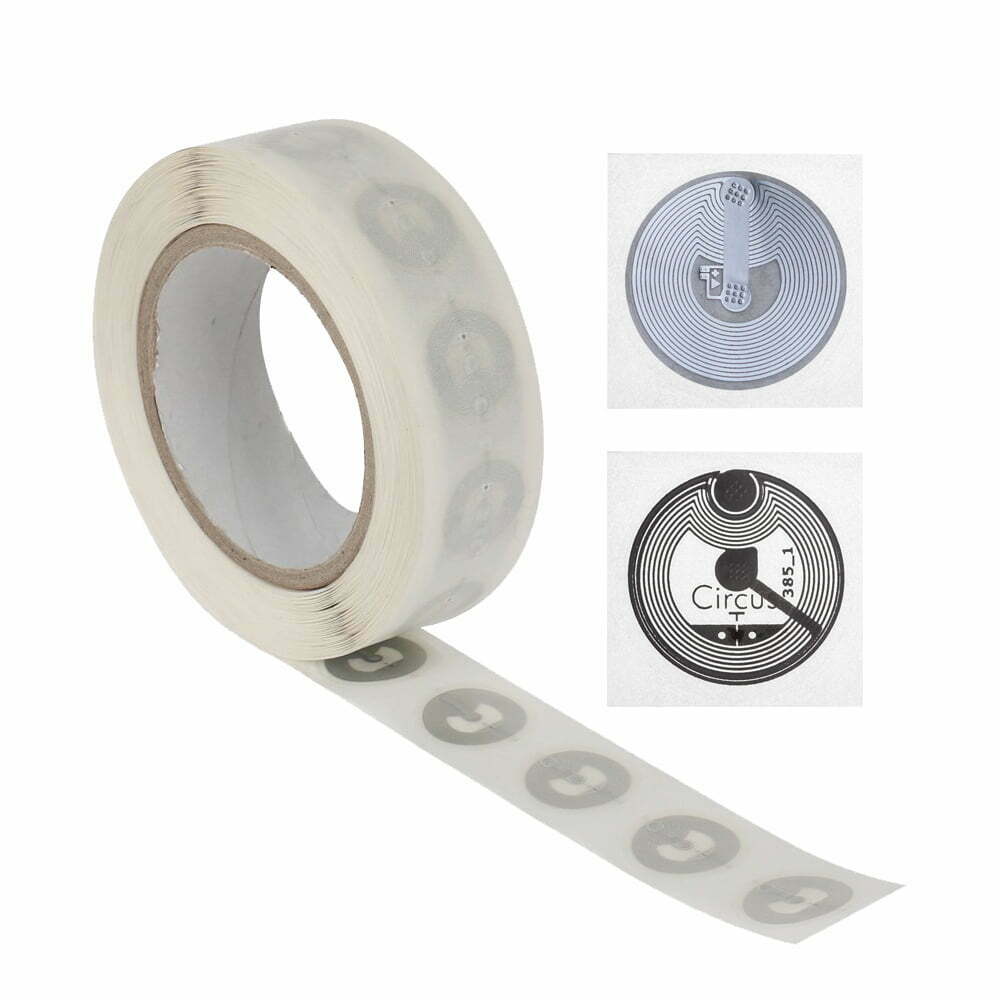
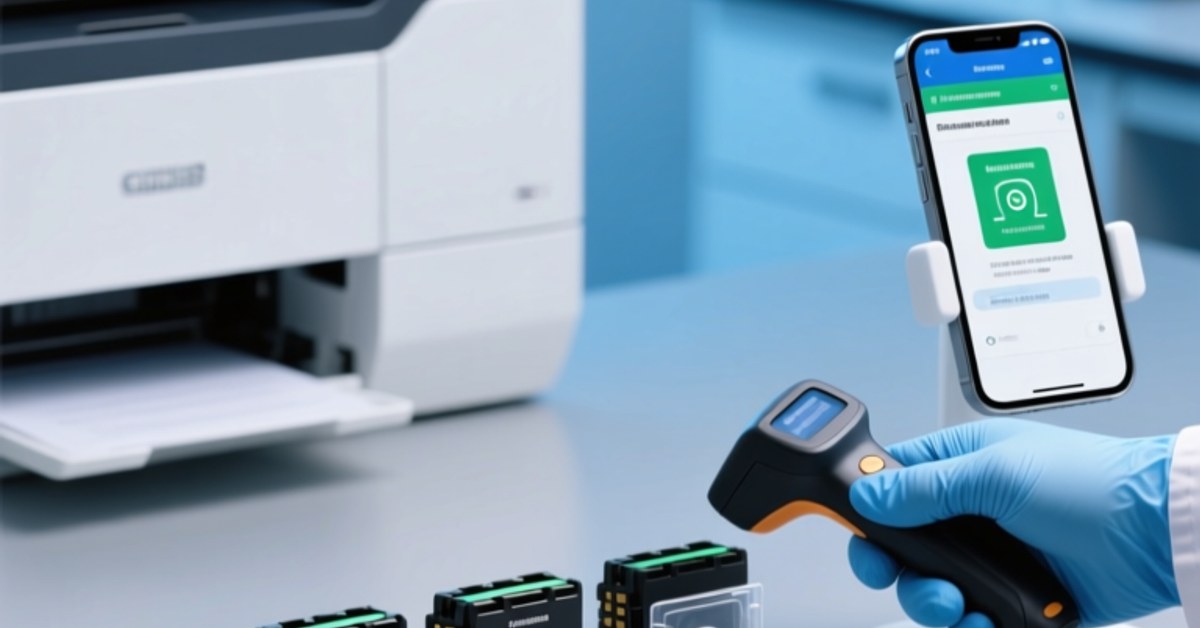
Trabaje con su proveedor de etiquetas para incorporar incrustaciones NFC durante las tiradas de impresión.. RFIDTAGHY suministra incrustaciones húmedas NFC compatibles con convertidores de etiquetas comunes: no es necesario rediseñar el proceso. Usar Pegatinas de NFC para aplicación retroactiva sobre acciones heredadas.
5. Evite los errores comunes de las pymes
- Asumiendo que "una etiqueta sirve para todos": Las diferentes categorías de productos exigen distintos niveles de seguridad: haga coincidir la elección de la etiqueta con el perfil de riesgo.
- Recopilación de datos sobre ingeniería: Comience solo con campos ESPR obligatorios; expandir más tarde.
- Ignorar la longevidad de la URL: Asegúrese de que el dominio de su página de destino de DPP sea de propiedad a largo plazo y admita redireccionamientos HTTPS.
6. Comprender rangos de costos realistas
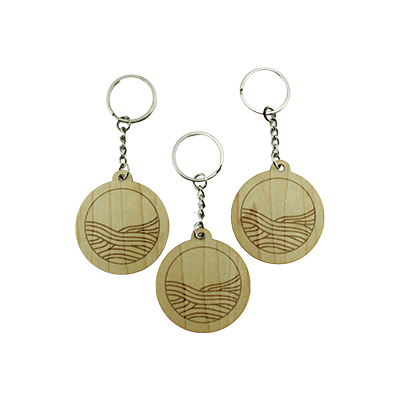
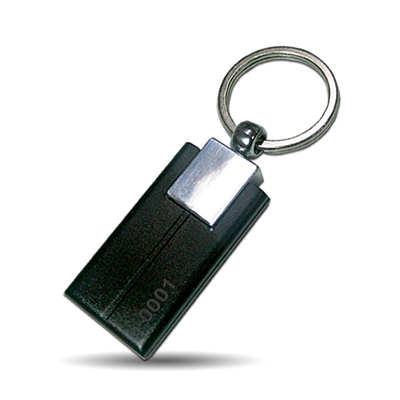
Los costos de gestión de DPP y etiquetado NFC por unidad para las PYME generalmente se encuentran dentro de estos rangos: —Más información sobre soporte de llavero.
- Etiqueta NFC (NTAG 213): 0,08€–0,15€/unidad (dependiente del volumen)
- Etiqueta NFC (NTAG 424 ADN): 0,22€–0,38€/unidad
- Suscripción a la plataforma DPP: 99€–299€/mes (según los SKU del producto y la frecuencia de actualización)
- Tarifa de integración de etiquetas (una sola vez): 500€–2000€ (dependiendo de la complejidad del convertidor)
Su lista de verificación de preparación para el DPP de 90 días
- Semanas 1-2: Auditoría superior 3 SKU orientados a la exportación; identificar el proveedor principal de etiquetas/envases
- Semanas 3-4: Solicite muestras de incrustaciones NFC a RFIDTAGHY; rango de lectura de prueba y durabilidad
- Semanas 5 a 6: Suscríbase a una plataforma DPP de prueba; completar datos de muestra para un SKU
- Semanas 7 a 8: Finalizar la ubicación de NFC y la estructura de URL; validar el cumplimiento de GS1 Digital Link
- Semanas 9 a 12: Ejecutar lote piloto (500–1.000 unidades); recopilar comentarios internos e informes de compatibilidad de lectores
Preguntas frecuentes
- ¿Deben cumplir las PYME si sólo venden fuera de la UE??
- No, el DPP se aplica únicamente a los productos comercializados en el mercado de la UE., incluso si se fabrica en otro lugar. Los exportadores a la UE deben cumplir.
- ¿Puedo usar códigos QR en lugar de NFC para DPP??
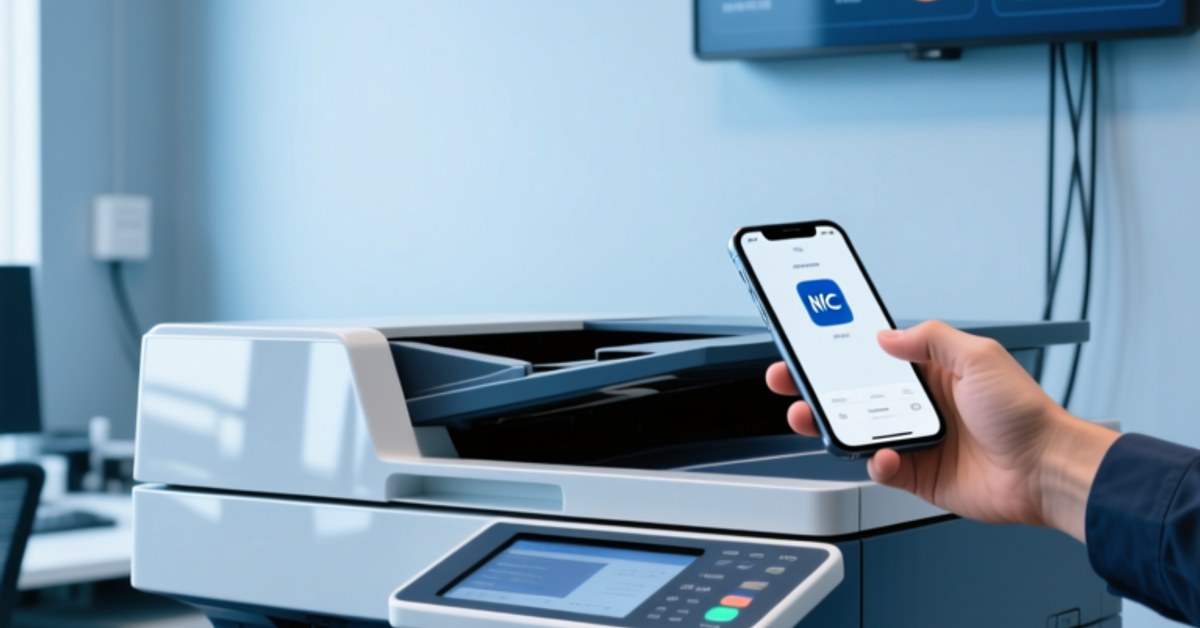
- Los códigos QR están permitidos pero no recomendados: NFC permite sin conexión, seguro, Acceso autenticado sin aplicaciones de escaneo ni dependencia de Internet: fundamental para entornos minoristas y de logística..
- ¿Están las etiquetas NFC de RFIDHY certificadas para el cumplimiento normativo de la UE??
- Sí. Todo RFIDHY Las etiquetas NFC cumplen con los estándares ISO/IEC 14443-A y CE RED, y se prueban su interoperabilidad con los principales teléfonos inteligentes y lectores empresariales.
- ¿Qué sucede si mi URL de DPP se desconecta??
- Los requisitos ESPR persisten, acceso confiable. Utilice un proveedor de alojamiento confiable o una plataforma DPP administrada como la de RFIDHY, que incluye acuerdos de nivel de servicio (SLA) de tiempo de actividad y conmutación por error automática..
Comience su viaje DPP hoy
Descarga nuestro gratis Kit de preparación para el PPD para PYME, incluyendo una plantilla de datos personalizable, lista de verificación de evaluación de proveedores, y guía de integración NFC: todo diseñado para operaciones de PYME en el mundo real.