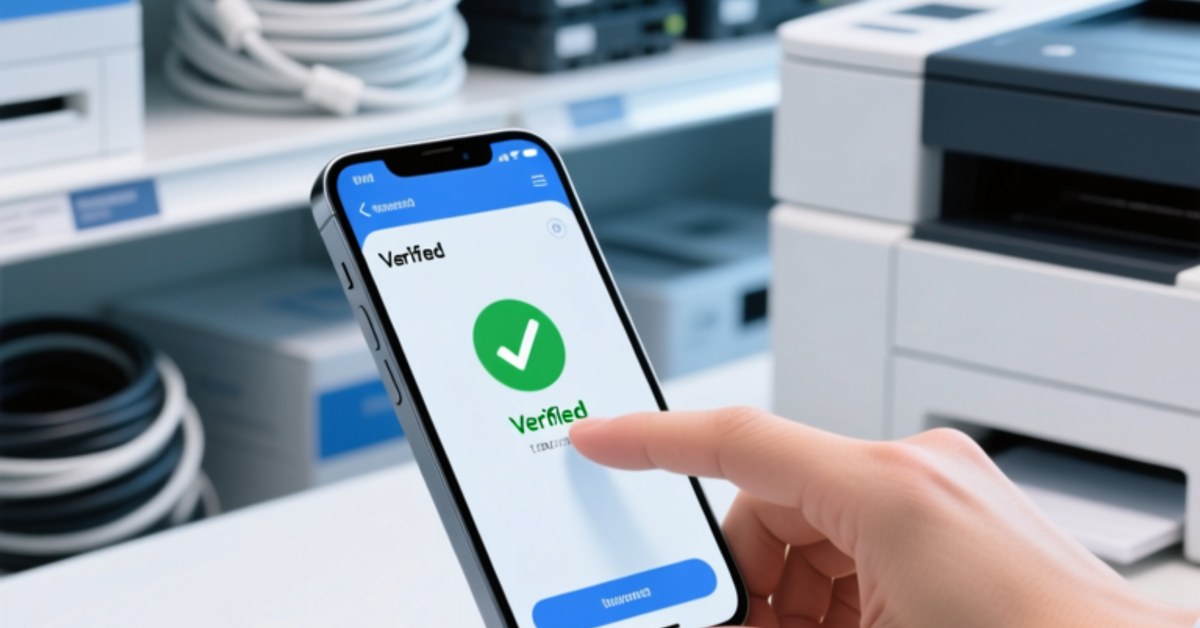
Avec l'adoption officielle du règlement européen sur l'écoconception des produits durables (ESPR), le textile a été répertorié comme l'une des premières industries clés à être mandatées pour mettre en œuvre des passeports de produits numériques (DPP). La Commission européenne s’attend à ce qu’à partir de 2026-2027, des catégories telles que les vêtements et les textiles de maison seront tenues de divulguer leurs sources matérielles, empreinte carbone, réparation, et recyclage des informations via les DPP. Selon l’analyse d’impact de la Commission européenne, Les DPP couvriront environ 80% de produits textiles circulant sur le marché de l’UE pour soutenir les objectifs d’économie circulaire.
Pourquoi Étiquettes lavables RFID?
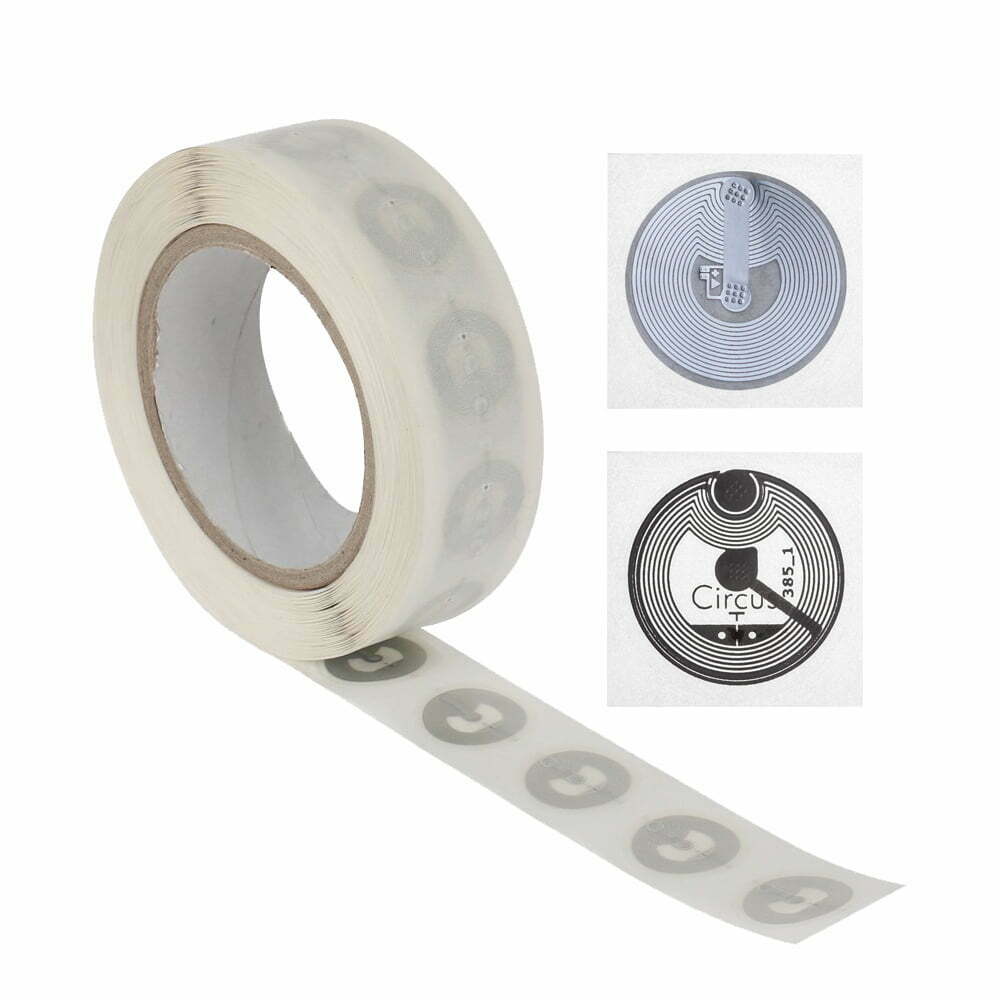
En pratique, un seul code QR est difficile à répondre aux exigences de “lire et écrire tout au long du cycle de vie” de vêtements. Après le lavage, repassage, et plusieurs transferts, Les codes QR sont facilement endommagés, tout en étant passif Étiquettes RFID peut fonctionner de manière stable pendant 5 à 10 ans sans piles. L'utilisation d'étiquettes RFID UHF lavables à haute température et résistantes aux produits chimiques garantit une collecte continue de données depuis la production., entreposage, et du commerce de détail au recyclage.
Selon McKinsey, entreprises de vêtements qui déploient Systèmes de suivi RFID peuvent augmenter la précision de leur inventaire de 65% à plus 95%, et réduire les taux de retour d'une moyenne de 15%. Cela signifie que DPP n'est pas seulement un outil de conformité mais aussi un “moteur de données” pour des opérations de marque raffinées.
Trois rôles fondamentaux de la RFID dans le DPP
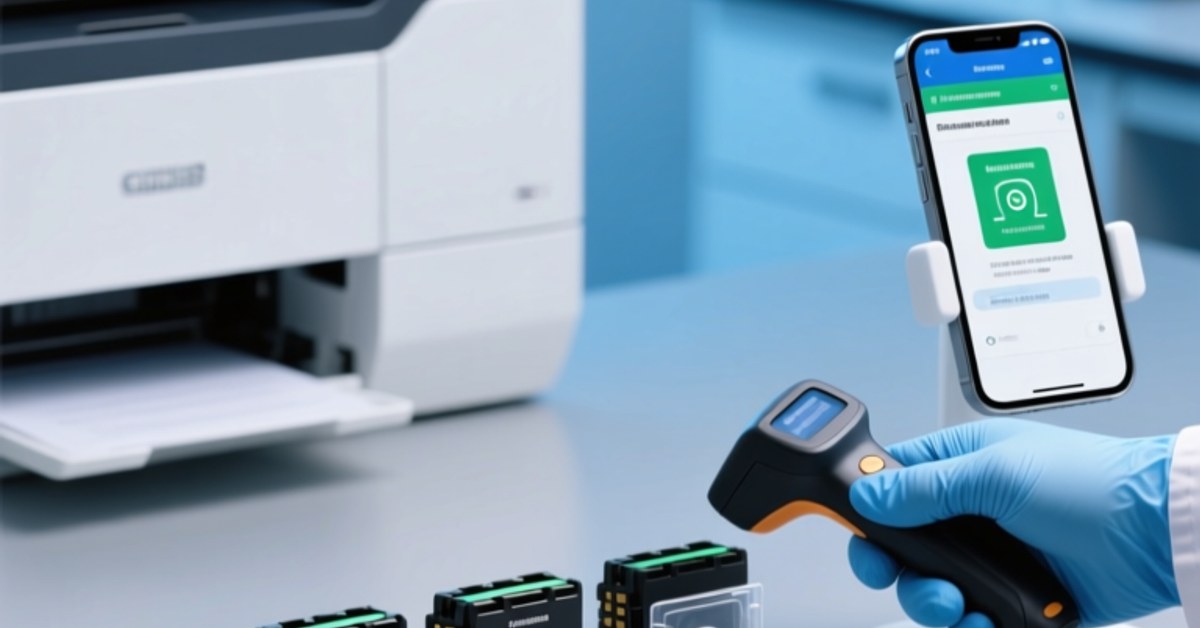
- Acquisition: Lier automatiquement les identifiants DPP sur la ligne de production via Étiquette RFID lecteurs, éviter les erreurs de saisie manuelle.
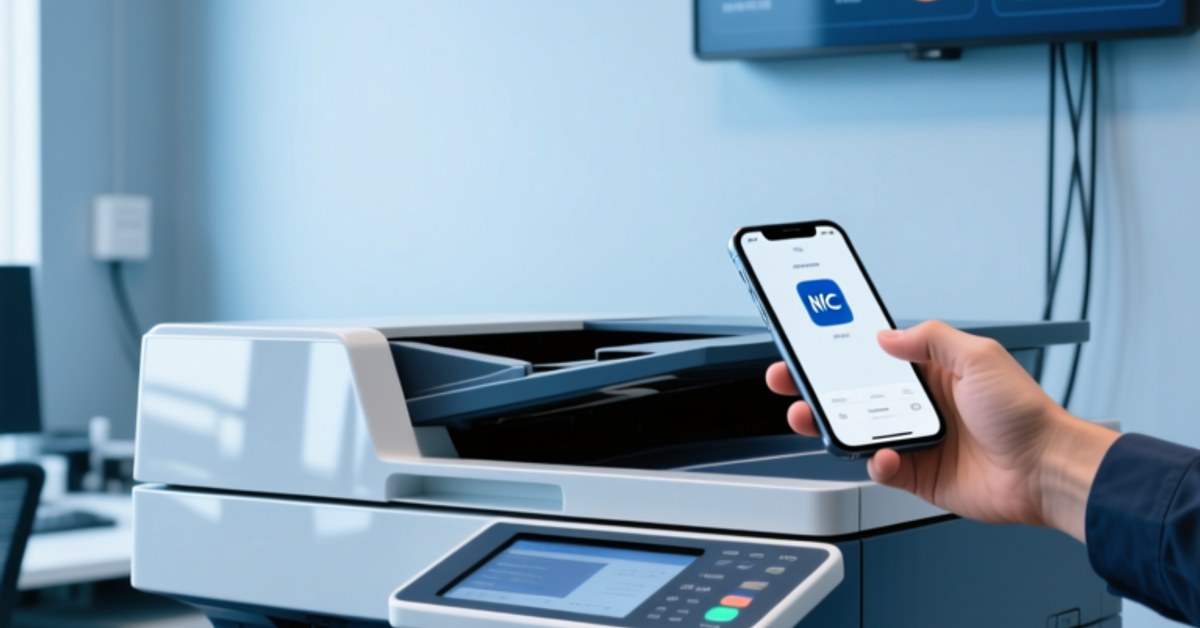
- Exécution: Dans les entrepôts et les magasins, Le suivi des stocks RFID et le suivi des actifs RFID synchronisent les données DPP, prendre en charge les mises à jour en temps réel de domaines tels que les émissions de carbone et la traçabilité des matériaux.
- Optimisation: Aux étapes de recyclage et de reconditionnement, Les étiquettes de suivi RFID aident à identifier les proportions des composants, soutenir les décisions de réutilisation.
Pratiques de mise en œuvre de RFIDHY
En tant que produit de haute qualité Solution RFID fournisseur, RFIDHY a fourni “RFID + Interface DPP” solutions à plusieurs usines de confection exportant vers l’Europe, couvrant la sélection des étiquettes RFID, Étiquettes RFID pour la configuration des stocks, et intégration avec les systèmes PLM/ERP. C'est Étiquettes de blanchisserie RFID maintenir un taux de lecture de >99% même après 200 lavages industriels à 80°C, aider les clients à réaliser des simulations de conformité DPP plus tôt que prévu pendant la phase pilote.
Compte à rebours de conformité: Que devraient faire les marques maintenant?
- Identifier les écarts entre les systèmes de suivi RFID existants pour les domaines de la fabrication et du DPP.
- Évaluer la rentabilité des étiquettes RFID et leur durée de vie.
- Sélectionnez des dispositifs et des plates-formes de suivi RFID prenant en charge l'intégration inter-systèmes.
Conclusion
Le DPP textile de l’UE n’est pas simplement une mise à niveau réglementaire, mais une transformation numérique complète à l’échelle de l’industrie. Celui qui sera le premier à transformer les étiquettes RFID pour le linge en “infrastructure de conformité invisible” pourra saisir le dividende fiduciaire du marché européen avant 2027.
Pour plus d'informations,s'il te plaît Contactez-nous.