소개: 공유경제시대 섬유자산관리의 과제
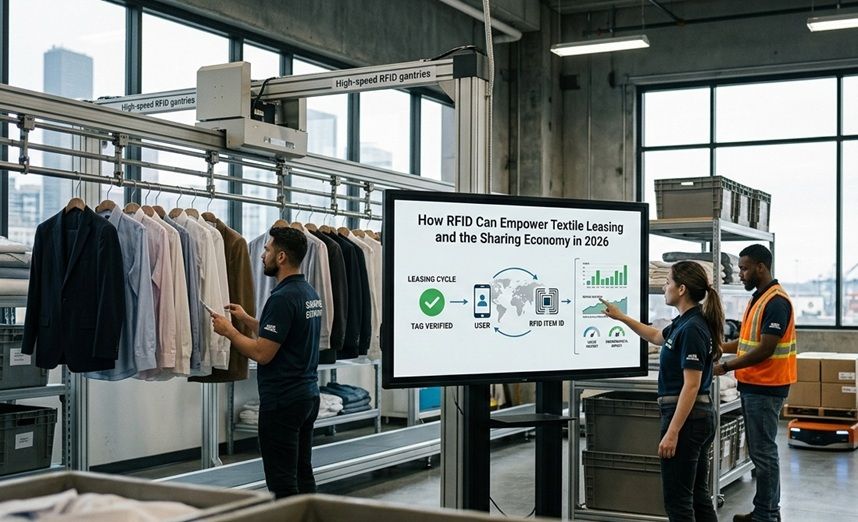
맥킨지에 따르면 2025 “순환 패션 보고서,” 글로벌 섬유 임대 및 공유 경제 시장은 다음과 같이 성장할 것으로 예상됩니다. $34 10억 2026, CAGR로 22%. 하지만, 고주파 회전율, 자산 손실, 위생 관리는 산업 발전을 제한하는 핵심 병목 현상이 되었습니다.. RFID 기술, 각 직물 품목에 고유한 디지털 ID를 할당하여, 임대 관리 및 자산 추적의 모든 측면을 재편하고 있습니다..
섬유리스 자산관리의 문제점
1.1 높은 자산 손실률
유럽 임대 산업 협회(European Leasing Industry Association)의 데이터에 따르면 기존 바코드로 관리되는 임대 직물의 연간 손실률은 8-12%. 작업복 렌탈 회사의 경우 100,000 인벤토리에 있는 조각, 연간 손실액은 €800,000~€120만에 달할 것입니다..
1.2 낮은 재고 효율성
수동으로 인벤토리 작성 100,000 항목이 필요합니다 40-60 맨데이, 정확도 비율로만 85%. 고주파 회전율로, 기록과 실제 재고 간의 불일치가 일반화됨, 고객 경험과 갱신율에 직접적인 영향을 미칩니다..
1.3 위생 및 수명주기 관리 부족
임대한 직물은 정기적인 청소 및 소독이 필요합니다., 하지만 각 청소에 대한 기록이 부족합니다., 청소횟수, 위생상태 추적이 불가능, 건강 위험 및 규정 준수 위험을 초래합니다..
RFID 솔루션: 에서 “품목” 에게 “데이터 자산”
2.1 기술원리: 세척 가능한 디지털 ID 카드
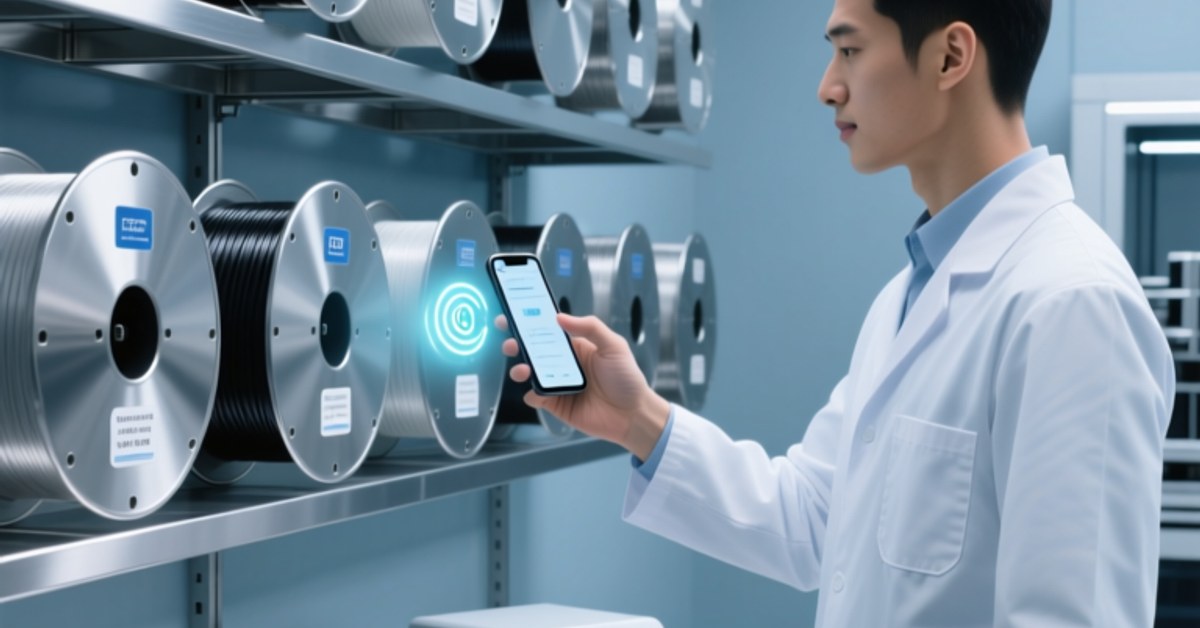
빨 수 있는 RFID 태그 (NXP UCODE 기반의 것과 같은 9 또는 Impinj M730 칩) ISO 18000-6C 표준 프로토콜을 사용하여 각 직물 품목에 고유 ID를 바인딩합니다.. 주요 모델은 다음과 같습니다:
- RFIDHY 워시태그: AARH 클래스에 적합 10 산업용 세척 테스트, 견디다 200 85°C 산업용 세탁 주기.
- 임핀저 M730: QT 기술 통합, 고속 모바일 읽기 지원.
- NXP U코드 9: 감도 -24dBm, 밀집된 환경에 적합.
- 외계인 힉스-9: 512-비트 사용자 메모리, 세탁 횟수 및 대여 내역 저장.
2.2 자동화된 임대 관리 프로세스
- 인바운드 코딩: 새로 구입한 직물은 RFID 터널링 기계를 통해 시스템에 일괄 입력됩니다. (~와 같은 RFIDHY 터널), 배치 식별 속도는 최대 800 조각/분.
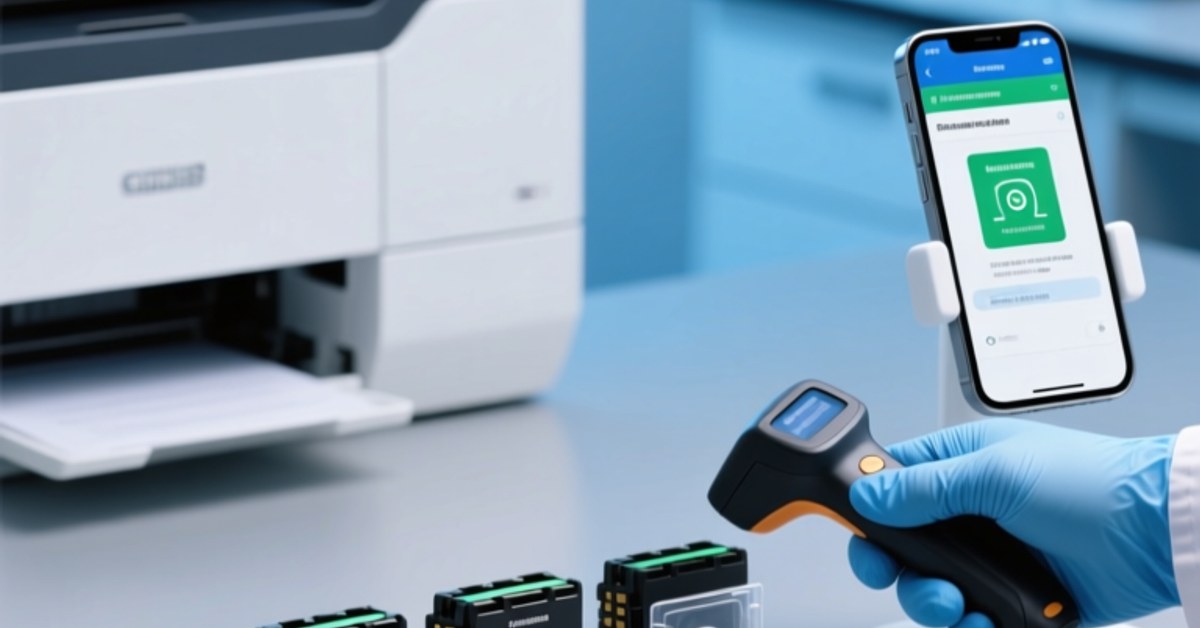
- 아웃바운드 렌탈: 고객이 대량으로 상품을 픽업하는 경우, 시스템은 휴대용 단말기를 사용하여 자동으로 데이터를 읽습니다. (Rfidhy Hy-R6100) 또는 액세스 제어 안테나 (RFIDHY HY-RA9002 9dbi). 시스템은 실시간으로 임대 주문을 생성합니다., 임대 관리 효율성 향상 200%.
- 반품 접수: 귀국 시, 의류가 다시 터널 기계를 통과합니다.. 시스템이 자동으로 수량과 ID를 확인합니다., 이상 징후 식별 (소유하지 않은 자산이나 손해 등). 소요시간이 기존보다 단축되었습니다. 15 분당 주문당 수동으로 10 주문당 초.
- 청소 추적: 의류가 세탁 과정에 들어갈 때마다, RFID 리더는 청소 시간과 청소 주기 횟수를 기록합니다.. 미리 설정된 임계값을 초과하면 자동 경보가 트리거됩니다., 위생 준수 보장.
실제 사례 연구: 네덜란드 작업복 렌탈 회사의 RFID 혁신
3.1 사례 배경
네덜란드 작업복 렌탈 회사 “클린워크” 소유하다 120,000 작업복 세트, 피복재 200 회사. ~ 안에 2024, 자산 손실률 도달 9.5%, 매월 전체 재고 확인이 필요합니다. 35 맨데이, 고객 만족도와 이익에 심각한 영향을 미침.
3.2 해결책
~ 안에 2025, CleanWork는 전문가와 파트너십을 맺었습니다. RFID 솔루션 RFID 자산 관리 시스템을 구현하는 공급자:
- 태그 선택: NXP UCODE를 기반으로 한 RFID 세척 가능 태그 9 칩
- 배포 장비: 3 RFID 터널 기계, 10 RFID 휴대용 단말기, 8 액세스 제어 안테나
3.3 결과 데이터 (2월 현재 2026)
| 지표 | 구현 전 (2024) | 구현 후 (1분기 2026) | 개선 |
| 자산 손실률 | 9.5% | 2.1% | ↓78% |
| 전체 재고 확인 시간 | 35 인-일/월 | 4 시간/월 | ↓95% |
| 임대 주문 처리 | 8 분/주문 | 0.5 분/주문 | ↓94% |
| 청소 빈도 추적성 | 기록 없음 | 100% 추적 가능 | – |
| 연간 자산 손실 | 108만 유로 | €240,000백만 | €840,000 절감 |
맞춤화 기능: 복잡한 임대 시나리오 해결
다양한 임대 시나리오 (작업복, 호텔 리넨, 의료용 섬유) 다양한 요구를 가지고 있다. RFIDHY 심층적인 맞춤화 기능 제공:
4.1 다중 대역 적응 기술
국경 간 임대 사업에서, 태그는 다양한 국가의 주파수 대역과 호환되어야 합니다.. RFIDHY WashTag는 FCC 간 동적 전환을 지원합니다., ETSI, 및 SRRC 표준.
4.2 깨지기 쉬운 도난 방지 태그
고가의 임대물품의 경우, RFIDHY TamperTag 제공. 불법적으로 제거한 후, 영구적으로 무효가 됩니다, 자산 손실을 효과적으로 방지.
4.3 청소 장비와의 통합
미들웨어는 산업용 세탁기와의 PLC 인터페이스를 지원합니다. (JENSEN 및 Kannegiesser와 같은). 청소 데이터는 태그의 사용자 메모리에 자동으로 기록됩니다., 완전한 라이프사이클 파일 형성.
결론
에 의해 2026, 섬유리스 관리가 집중관리에서 집중관리로 전환되었습니다.. RFID 기술, 각 직물 품목에 추적 가능하고 변조 방지된 디지털 ID를 할당함으로써, 자산 손실률을 100% 이상 감소시킵니다. 70% 재고 효율성을 향상시킵니다. 95%, 공유경제 모델의 대규모 확산을 위한 기술적 초석이 됩니다.. 파트너 선택 (RFIDHY와 같은) EPC Gen2v2 및 ISO 18000-6C 표준을 충족하고 심층적인 사용자 정의 기능을 보유하는 것은 임대 회사가 핵심 경쟁력을 구축하는 데 중요한 단계입니다..
FAQ
1분기: 세척 가능한 RFID 태그를 몇 번이나 사용할 수 있습니까??
고품질 세탁 가능한 태그 (RFIDHY WashTag와 같은) AARH 레벨 통과 10 테스트하고 견딜 수 있습니다 200 85°C에서 산업용 세탁, 일반적인 임대 수명과 동일합니다. 3-5 연령.
2분기: 렌탈 모델에서 악의적인 태그 제거를 방지하는 방법?
부서지기 쉬운 RFID 태그 (RFIDHY TamperTag와 같은) 사용될 수 있다. 직물에서 제거한 후, 안테나가 고장나다, 태그가 영구적으로 유효하지 않게 됩니다., 시스템이 즉시 경고합니다.. 손해배상 조항은 임대 계약서에도 명시될 수 있습니다..
3분기: 시스템이 처리할 수 있는가 “대량 반품” 시나리오?
예. RFID 터널링 기계 사용, 고객은 임대 품목을 전체 상자에 담아 반납할 수 있습니다.. 시스템이 모든 판독을 완료합니다., 검증, 이내에 반품 전표를 생성합니다. 10 초, 품목별로 스캔할 필요가 없어지고 고객 경험이 크게 향상됩니다..
4분기: RFID는 직물이 제조되었음을 증명하는 데 어떻게 도움이 됩니까? “씻은”?
각 세탁 과정에서, 그만큼 RFID 리더 세탁시간을 자동으로 기록해줌, 장비번호, 그리고 세탁과정, 이 정보를 태그의 사용자 메모리에 씁니다.. 고객은 태그를 스캔하여 전체 세탁 기록을 볼 수 있습니다., 위생 투명성 확보.
Q5: 중소 렌탈 회사는 어떻게 시작하나요??
RFIDHY 스타터 키트 (포함 2 휴대용 단말기 + 5000 빨 태그 + 소프트웨어 라이센스) 사용될 수 있다. €20,000-30,000의 초기 투자로 핵심 자산을 충당하고 점진적인 확장이 가능합니다..
자세한 정보,제발 저희에게 연락하십시오.