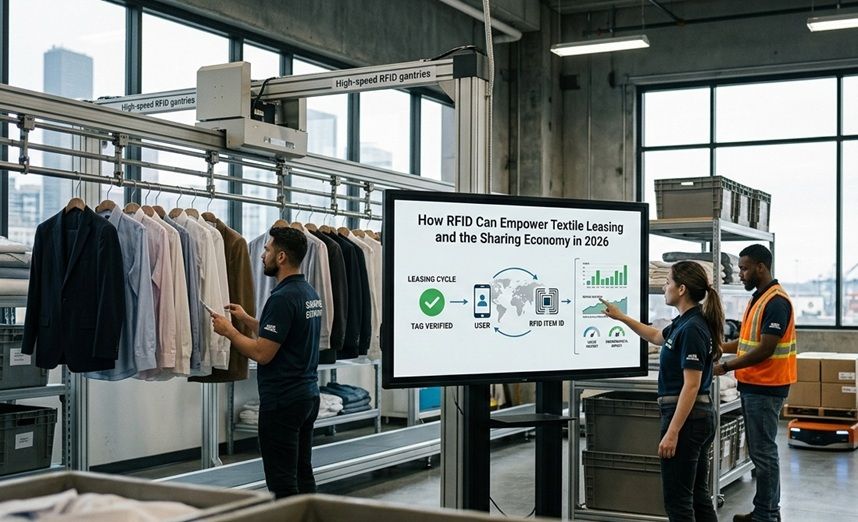
Introduzione: Le sfide della gestione delle risorse tessili nell’era della sharing economy
Secondo McKinsey 2025 “Rapporto sulla moda circolare,” si prevede che il mercato globale del leasing tessile e della sharing economy verrà raggiunto $34 miliardi di dollari 2026, con un CAGR di 22%. Tuttavia, turnover ad alta frequenza, perdita patrimoniale, e la gestione dell’igiene sono diventati i principali colli di bottiglia che limitano lo sviluppo del settore. Tecnologia RFID, assegnando un'identità digitale unica a ciascun articolo tessile, sta rimodellando ogni aspetto della gestione del leasing e del tracciamento dei beni.
Punti critici nella gestione patrimoniale del leasing tessile
1.1 Tasso di perdita patrimoniale elevato
I dati della European Leasing Industry Association mostrano che il tasso di perdita annuale dei tessili noleggiati gestiti con codici a barre tradizionali è pari a 8-12%. Per una società di noleggio di indumenti da lavoro con 100,000 pezzi in inventario, la perdita annua raggiungerebbe gli 800.000-1,2 milioni di euro.
1.2 Bassa efficienza delle scorte
Inventariazione manuale 100,000 gli articoli richiedono 40-60 giorni-uomo, con un tasso di precisione di solo 85%. Con turnover ad alta frequenza, le discrepanze tra i registri e l'inventario effettivo diventano comuni, con un impatto diretto sull'esperienza del cliente e sui tassi di rinnovo.
1.3 Mancanza di igiene e gestione del ciclo di vita
I tessili noleggiati necessitano di pulizia e disinfezione regolari, ma mancano i registri per ogni pulizia, rendendo impossibile risalire al numero delle pulizie e allo stato igienico, che comportano rischi per la salute e rischi di conformità.
Soluzione RFID: Da “Elementi” A “Risorse di dati”
2.1 Principio tecnico: Carta d'identità digitale lavabile
Lavabile Tag RFID (come quelli basati su NXP UCODE 9 o chip Impinj M730) associare un ID univoco a ciascun articolo tessile utilizzando il protocollo standard ISO 18000-6C. I modelli chiave includono:
- Tag di lavaggio RFIDHY: Adatto alla classe AARH 10 prova di lavaggio industriale, resiste 200 cicli di lavaggio industriale a 85°C.
- Impinger M730: Integra la tecnologia QT, supporta la lettura mobile ad alta velocità.
- CODICE NXP 9: Sensibilità -24dBm, adatto per ambienti densamente accatastati.
- Higgs alieno-9: 512-bit di memoria utente, memorizza i conteggi dei lavaggi e la cronologia dei noleggi.
2.2 Processo automatizzato di gestione del noleggio
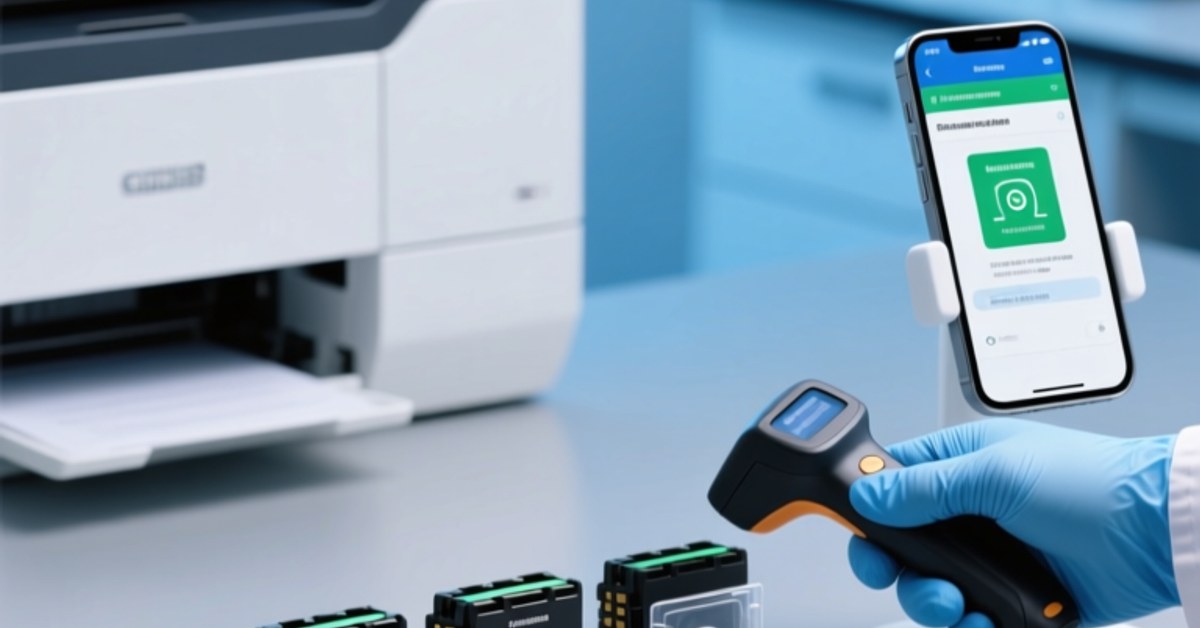
- Codificazione in entrata: I tessuti appena acquistati vengono inseriti in lotti nel sistema tramite tunneling RFID (ad esempio Rfidhy Tunnel), con una velocità di identificazione dei lotti fino a 800 pezzi/minuto.
- Noleggio in uscita: Quando i clienti ritirano gli articoli in grandi quantità, il sistema legge automaticamente i dati utilizzando un terminale palmare (RFIDHY HY-R6100) o antenna di controllo accessi (RFIDHY HY-RA9002 9dbi). Il sistema genera ordini di noleggio in tempo reale, migliorare l’efficienza della gestione degli affitti 200%.
- Accettazione del reso: Al ritorno, il capo passa nuovamente attraverso la macchina tunnel. Il sistema verifica automaticamente la quantità e l'ID, identificazione delle anomalie (quali beni non di proprietà o danni). Il tempo richiesto è stato ridotto da 15 minuti per ordine manualmente a 10 secondi per ordine.
- Monitoraggio della pulizia: Ogni volta che l'indumento entra nel processo di pulizia, I lettori RFID registrano il tempo di pulizia e il numero di cicli di pulizia. Gli allarmi automatici vengono attivati quando vengono superate le soglie preimpostate, garantendo il rispetto dell’igiene.
Caso di studio nel mondo reale: Trasformazione RFID di un'azienda olandese di noleggio di abbigliamento da lavoro
3.1 Sfondo del caso
L'azienda olandese di noleggio di indumenti da lavoro “Lavoro pulito” possiede 120,000 set di indumenti da lavoro, servire 200 aziende. In 2024, ha raggiunto il suo tasso di perdita patrimoniale 9.5%, e sono richiesti controlli mensili completi dell'inventario 35 giorni-uomo, incidendo gravemente sulla soddisfazione e sui profitti dei clienti.
3.2 Soluzione
In 2025, CleanWork ha collaborato con un professionista Soluzione RFID fornitore di implementare un sistema di gestione delle risorse RFID:
- Selezione dell'etichetta: Tag lavabili RFID basati su NXP UCODE 9 chip
- Attrezzatura di distribuzione: 3 Macchine per tunnel RFID, 10 Terminali portatili RFID, 8 antenne di controllo accessi
3.3 Dati dei risultati (a partire da febbraio 2026)
| Indicatori | Prima dell'implementazione (2024) | Dopo l'implementazione (Q1 2026) | Miglioramento |
| Tasso di perdita patrimoniale | 9.5% | 2.1% | ↓78% |
| Orario di controllo completo dell'inventario | 35 giorni-persona/mese | 4 ore/mese | ↓95% |
| Elaborazione degli ordini di noleggio | 8 minuti/ordine | 0.5 minuti/ordine | ↓94% |
| Tracciabilità della frequenza di pulizia | Nessun record | 100% tracciabile | – |
| Perdita patrimoniale annuale | 1,08 milioni di euro | 240.000 milioni di euro | Risparmio di 840.000€ |
Funzionalità di personalizzazione: Affrontare scenari di leasing complessi
Diversi scenari di leasing (indumenti da lavoro, biancheria alberghiera, tessili medicali) hanno esigenze diverse. Rfidhy fornisce profonde capacità di personalizzazione:
4.1 Tecnologia adattiva multibanda
Nelle attività di leasing transfrontaliere, i tag devono essere compatibili con le diverse bande di frequenza nazionali. RFIDHY WashTag supporta la commutazione dinamica tra FCC, ETSI, e gli standard SRRC.
4.2 Tag antifurto fragili
Per beni noleggiati di valore elevato, Viene fornito il TamperTag RFIDHY. Una volta rimosso illegalmente, diventa definitivamente invalido, prevenire efficacemente la perdita di beni.
4.3 Integrazione con attrezzature per la pulizia
Il middleware supporta l'interfaccia PLC con lavatrici industriali (come JENSEN e Kannegiesser). I dati di pulizia vengono scritti automaticamente nella memoria utente del tag, formando un file del ciclo di vita completo.
Conclusione
Di 2026, la gestione del leasing tessile è passata da una gestione estensiva a una gestione intensiva. Tecnologia RFID, assegnando ad ogni capo tessile un’identità digitale tracciabile e a prova di manomissione, riduce i tassi di perdita delle attività di oltre 70% e migliora l'efficienza dell'inventario 95%, diventando la pietra angolare tecnologica per l’espansione su larga scala del modello di sharing economy. Scegliere un partner (come RFIDHY) che soddisfa gli standard EPC Gen2v2 e ISO 18000-6C e possiede profonde capacità di personalizzazione è un passo cruciale per le società di leasing per costruire competitività di base.
FAQ
Q1: Quante volte è possibile utilizzare un tag RFID lavabile?
Etichette lavabili di alta qualità (come RFIDHY WashTag) superare il livello AARH 10 testare e resistere 200 lavaggi industriali a 85°C, equivalente ad una normale durata di noleggio di 3-5 anni.
Q2: Come prevenire la rimozione dannosa dei tag nel modello di noleggio?
Fragile Tag RFID (come RFIDHY TamperTag) può essere utilizzato. Una volta rimosso dal tessuto, si rompe l'antenna, il tag diventa permanentemente non valido, e il sistema avvisa immediatamente. Nel contratto di noleggio possono essere stipulate anche clausole di risarcimento danni.
Q3: Il sistema può gestire “reso in blocco” scenari?
SÌ. Utilizzando macchine tunnel RFID, i clienti possono restituire gli articoli noleggiati in scatole intere. Il sistema completa tutte le letture, verifiche, e genera una ricevuta di ritorno all'interno 10 Secondi, eliminando la necessità di eseguire la scansione articolo per articolo e migliorando notevolmente l'esperienza del cliente.
Q4: In che modo l'RFID aiuta a dimostrare che i tessili sono stati “lavato”?
Durante ogni processo di lavaggio, IL Lettore RFID registra automaticamente il tempo di lavaggio, numero dell'attrezzatura, e procedura di lavaggio, e scrive queste informazioni nella memoria utente del tag. I clienti possono scansionare l'etichetta per visualizzare il registro completo del lavaggio, garantire la trasparenza igienica.
Q5: Come possono iniziare le piccole e medie imprese di noleggio?
Il kit di base RFIDHY (tra cui 2 terminali portatili + 5000 etichette lavabili + licenza del software) può essere utilizzato. Un investimento iniziale di 20.000-30.000 euro può coprire le risorse principali e consentire un’espansione graduale.
Per ulteriori informazioni,Per favore contattaci.