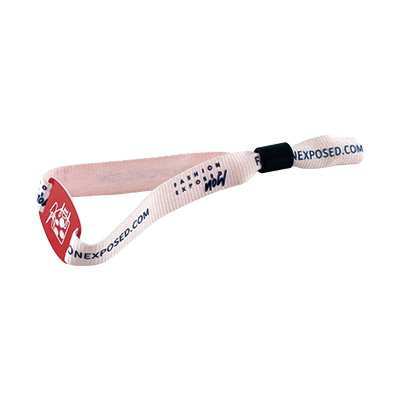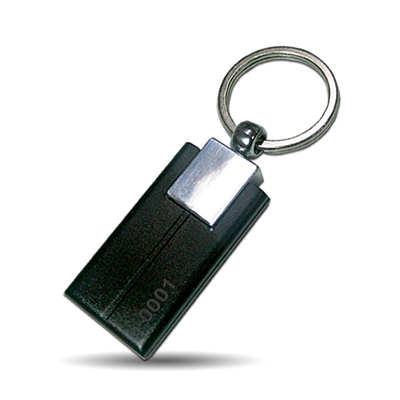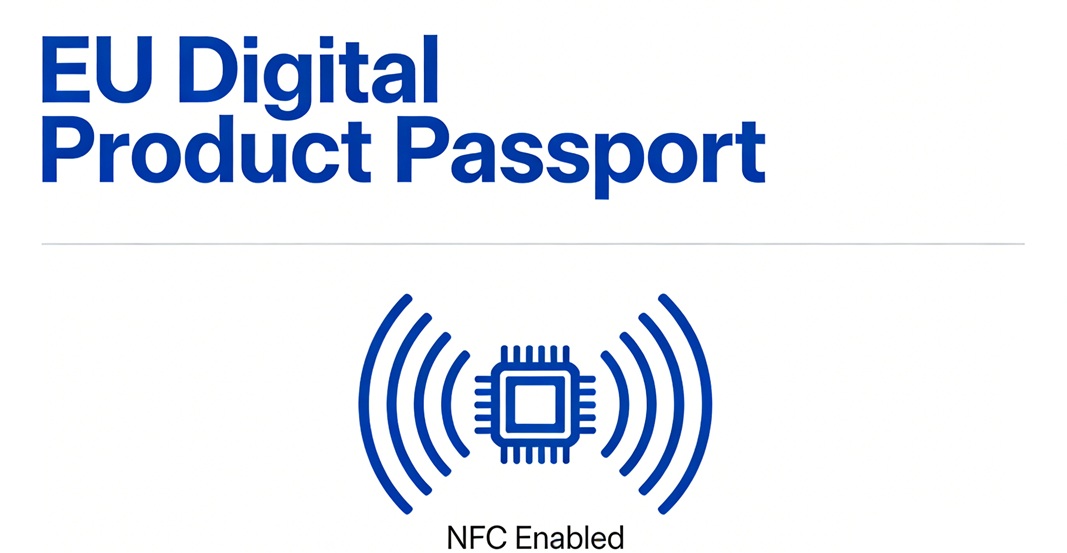
With the implementation of the EU’s Ecodesign for Sustainable Products Regulation (ESPR), the Digital Product Passport (DPP) is becoming a standard requirement in the home appliance industry. Among various data carriers, NFC (Near Field Communication), with its superior interactivity, is transforming home appliance after-sales service from a “difficult repair request” process to a “one-touch access” smart experience.
From “Instruction Manual” to “Digital Twin”
Traditional home appliance after-sales service is often hampered by lost paper instruction manuals or illegible product labels. Appliances integrated with NFC chips, using RFID tag technology, create a unique “digital fingerprint” for each device.
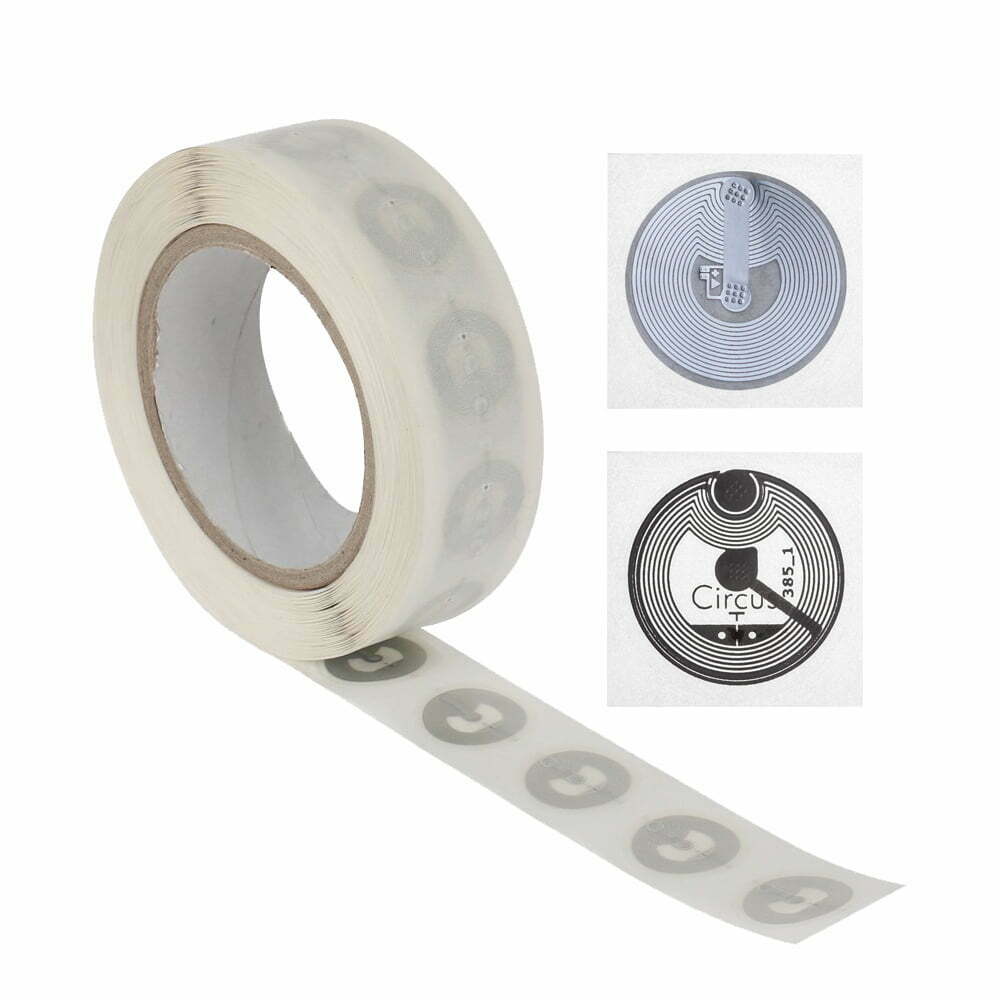
Instant Access: Consumers can simply bring their mobile phone close to the appliance to view repair guides, accessory models, and energy efficiency data stored in the printable NFC tags.
Data Longevity: Compared to easily worn-out QR codes, embedded NFC tags have a lifespan of 10-50 years, ensuring that product information remains readable throughout its entire lifecycle.
Empowering the “Right to Repair”: Data-Driven Efficiency Improvement
One of the core objectives of DPP is to extend product lifespan. NFC technology makes repairs more professional and transparent:
Accurate Diagnosis: Technicians can instantly access the device’s repair history and core component specifications by reading and writing NFC card tags, reducing the rate of repeated repairs. According to research, the application of NFC DPP can improve on-site repair efficiency by approximately 50%.
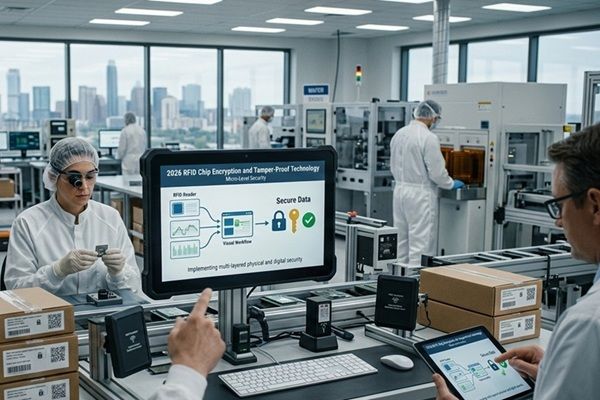
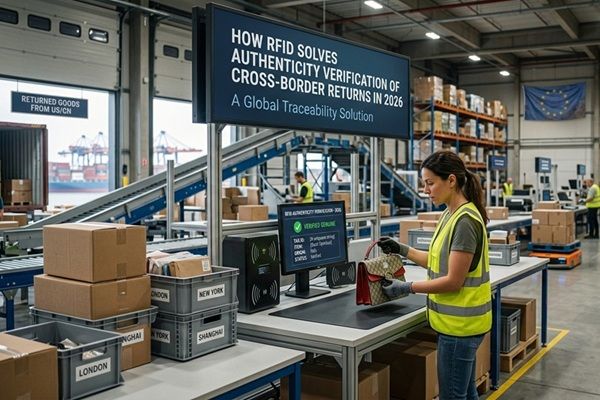
Original Part Verification: The consumer electronics sector is often plagued by counterfeit parts. RFIDHY’s encrypted NFC solution enables parts authentication, ensuring that every replaced part meets environmental and safety standards.
Seamless Integration and Industry Vision
As a leading global RFID solution provider, RFIDHY is committed to helping home appliance brands quickly build compliant DPP systems through high-performance NFC tag stickers and industry-customized chips. This is not only a response to regulations but also a strategic choice to enhance brand loyalty through transparent services.
Conclusion
NFC is not only the key to unlocking digital product passports but also a bridge for home appliance companies to the circular economy. Through customized NFC tag design, future home appliances will no longer be isolated pieces of hardware, but rather digital assets that can verify their own authenticity and are easy to repair.
For more information,please contact us.