La convergenza strategica di NFC e IoT
Mentre le imprese accelerano la trasformazione digitale, la convergenza di NFC e IoT non è più teorico: è operativo. Mentre l’IoT fornisce l’infrastruttura per l’interconnettività dei dispositivi e lo scambio di dati tra le reti, NFC offre la funzionalità di collegamento finale essenziale: sicuro, a bassa potenza, Interazione tra esseri umani basata sulla prossimità, dispositivi, e oggetti fisici. Questa sinergia posiziona NFC come il definitivo tecnologia di connettività dell'ultimo centimetro nelle moderne implementazioni IoT.
Il ruolo dell’NFC nell’architettura IoT
Nelle architetture IoT a più livelli, NFC colma il divario tra i sensori edge e l’intelligenza del cloud. A differenza del Bluetooth o del Wi-Fi, NFC non richiede associazione, consuma una potenza minima, e offre funzionalità di sicurezza integrate, tra cui l'autenticazione reciproca e lo scambio di dati crittografati, che lo rendono ideale per l'onboarding, configurazione, e verifica dell'identità dei nodi IoT. Per esempio, un'azienda può utilizzare un inlay NFC incorporato in apparecchiature industriali per fornire istantaneamente un nuovo nodo sensore nella propria piattaforma IoT tramite tocco per configurare.
Case intelligenti: Interoperabilità perfetta tramite NFC
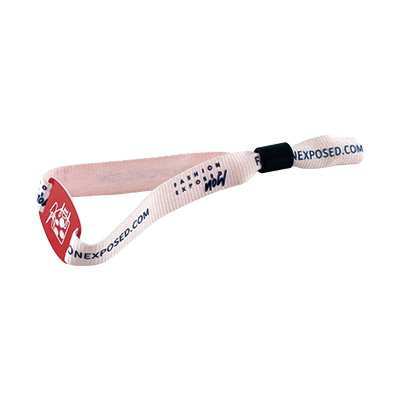
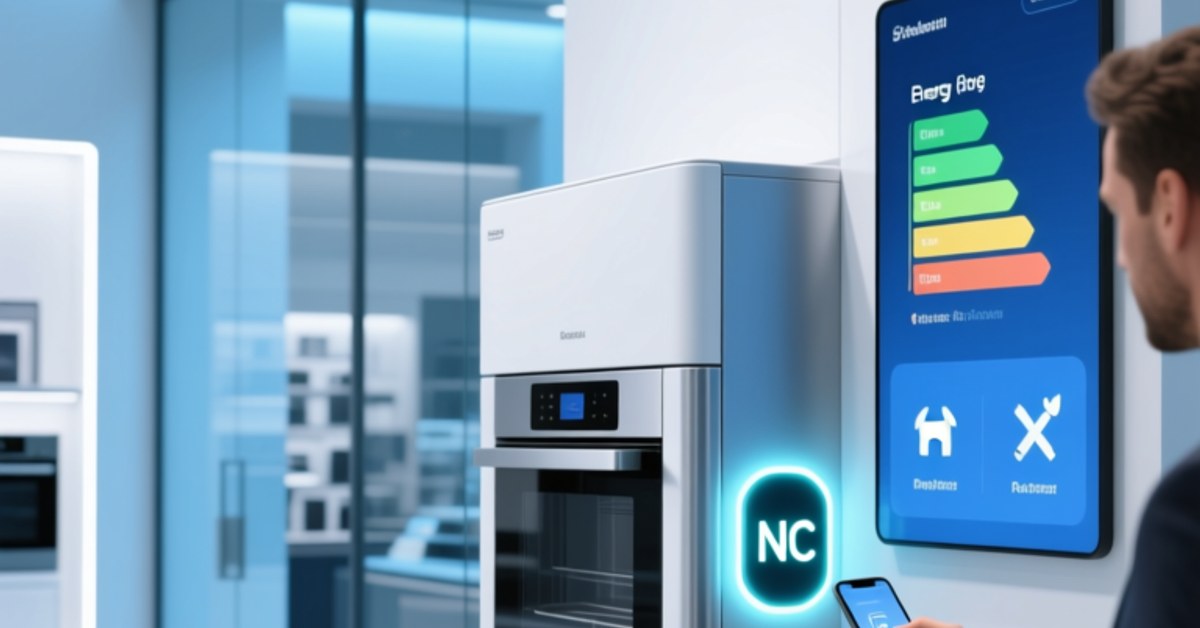
All'interno di ambienti di costruzione intelligente residenziali e commerciali, Soluzioni intelligenti NFC semplificare l'interazione dell'utente rafforzando l'integrità del sistema. Serrature intelligenti abilitate NFC, controlli di illuminazione, e le interfacce HVAC consentono agli inquilini o al personale della struttura di autenticare e regolare le impostazioni con un solo tocco da uno smartphone o Bracciale in silicone NFC. Queste interazioni attivano flussi di lavoro automatizzati, come il rilevamento dell'occupazione della stanza collegato all'ottimizzazione energetica, senza richiedere download di app o configurazioni complesse. Il risultato è un’adozione più elevata, supporto inferiore in alto, e UX coerente tra diversi gruppi di utenti.
Industria 4.0: Asset Intelligence abilitato NFC
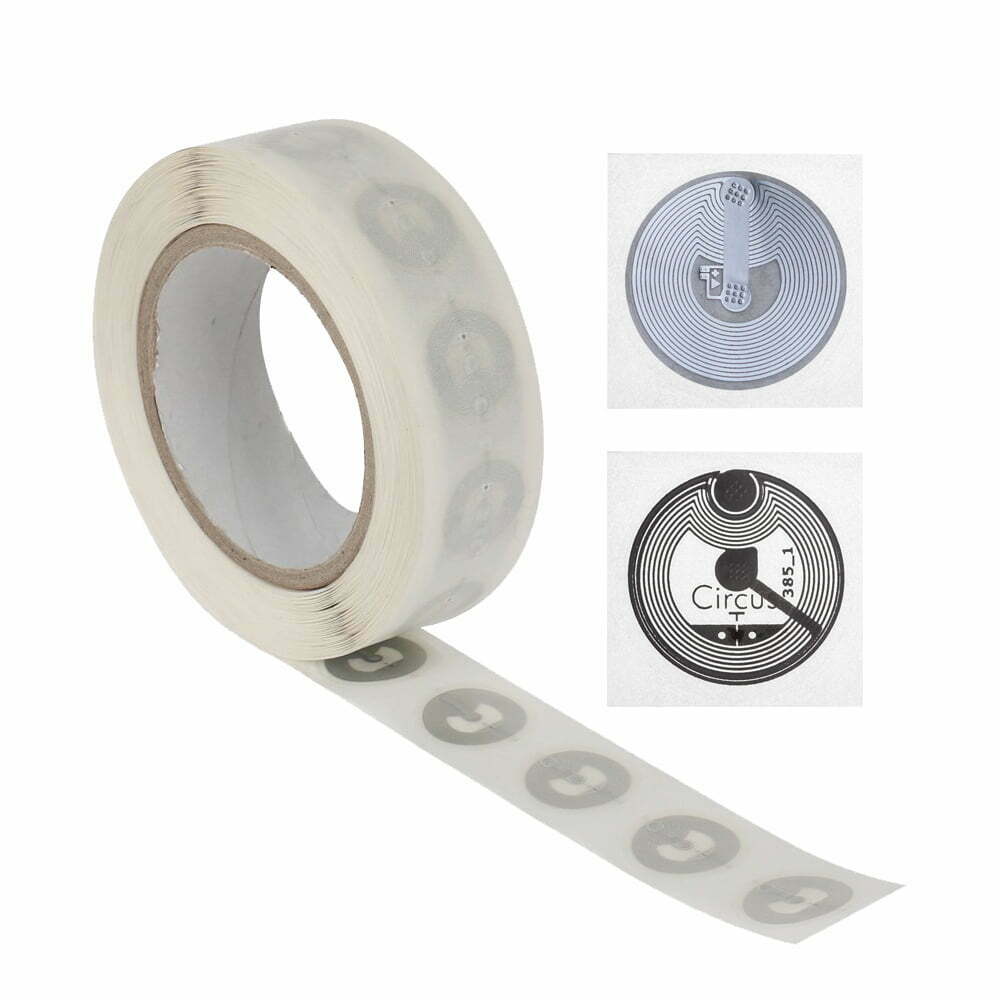
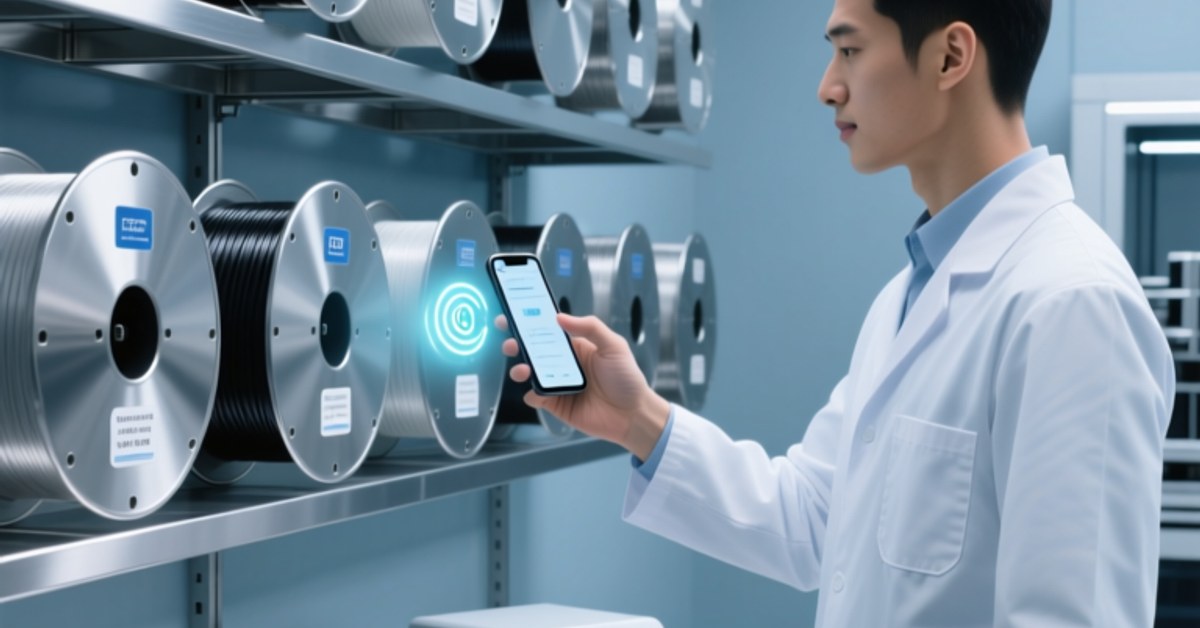
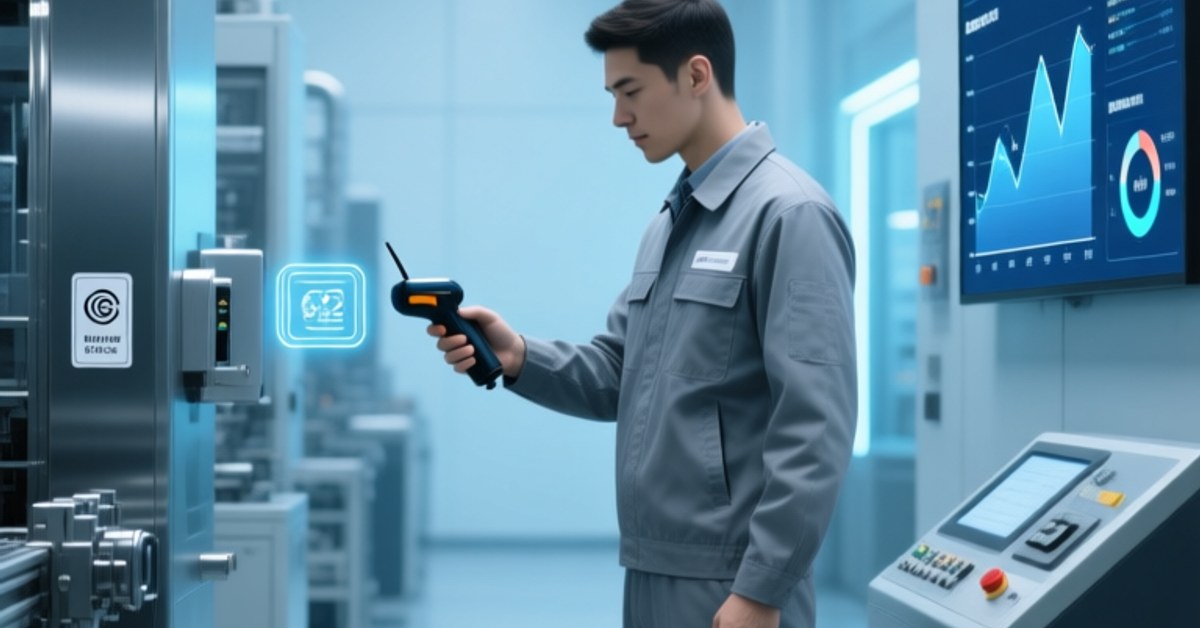
Nella produzione e nella logistica, IL Internet delle cose NFC trasforma le risorse statiche in endpoint intelligenti. Integrando Lettori RFID UHF con tag RFID anti-metallo E Adesivi NFC sui macchinari, utensileria, e contenitori, le aziende ottengono la tracciabilità end-to-end e la disponibilità alla manutenzione predittiva. Un tecnico toccando un Tag NFC su una macchina CNC recupera i registri di calibrazione in tempo reale, storia del servizio, e parametri di vibrazione/temperatura raccolti dall'IoT, tutti sincronizzati su un sistema centralizzato Gestione intelligente pannello di controllo.
Vantaggio comparativo: NFC vs. Altri protocolli a corto raggio
>
| Caratteristica | NFC | Bluetooth LE | Wi-Fi diretto |
|---|---|---|---|
| Requisiti di alimentazione | Ultra basso (modalità passiva) | Basso | Moderare |
| Complessità di installazione | Tocco zero-touch | Abbinamento richiesto | Scoperta della rete + credenziali |
| Fondazione per la sicurezza | Crittografia supportata da hardware & autenticazione reciproca | Definito dal software, implementazione variabile | Dipende da WPA2/WPA3 |
Domande frequenti
- Perché l'NFC è chiamato "l'ultimo centimetro"?’ tecnologia nell’IoT?
NFC consente la sicurezza, istantaneo, interazione avviata dall'uomo nel punto preciso in cui i sistemi digitali incontrano gli oggetti fisici, completando la catena del valore dell'IoT senza richiedere la configurazione di rete o account utente. - Potere Tag NFC lavorare insieme all'RFID UHF nella stessa soluzione IoT?
SÌ. Molte aziende implementano sistemi ibridi: I lettori RFID UHF gestiscono la scansione di inventari di massa a distanza, mentre i tag NFC forniscono informazioni granulari, accesso autenticato a singoli elementi o record di manutenzione, entrambi supportati da Rfidhy hardware. - Le soluzioni IoT abilitate NFC sono compatibili con l'infrastruttura IT aziendale esistente?
SÌ. I payload di dati NFC si integrano perfettamente con le API REST, Broker MQTT, e sistemi ERP come SAP o Oracle, consentendo l'interoperabilità plug-and-play all'interno della tua azienda attuale Gestione intelligente ecosistema.