Die strategische Konvergenz von NFC und IoT
Während Unternehmen die digitale Transformation beschleunigen, die Konvergenz von NFC und IoT ist nicht mehr theoretisch – es ist praktisch. Während IoT die Infrastruktur für die Gerätekonnektivität und den Datenaustausch über Netzwerke hinweg bereitstellt, NFC bietet die wesentliche Final-Link-Fähigkeit: sicher, geringer Stromverbrauch, auf Nähe basierende Interaktion zwischen Menschen, Geräte, und physische Objekte. Diese Synergie positioniert NFC als das Nonplusultra Konnektivitätstechnologie auf dem letzten Zentimeter in modernen IoT-Implementierungen.
Die Rolle von NFC in der IoT-Architektur
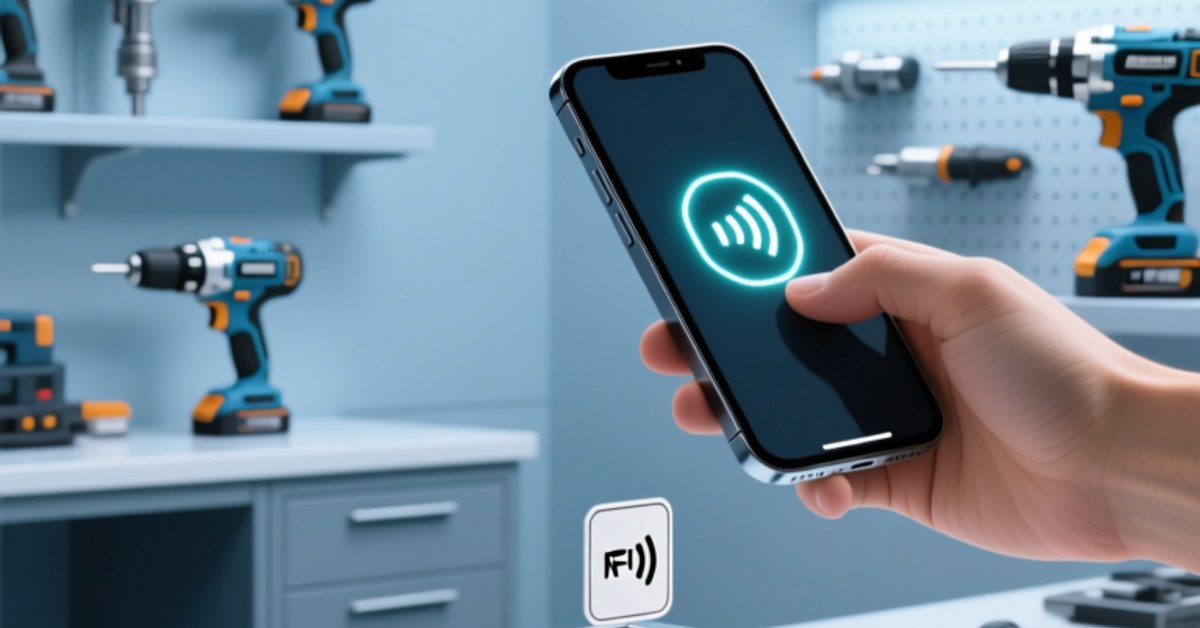
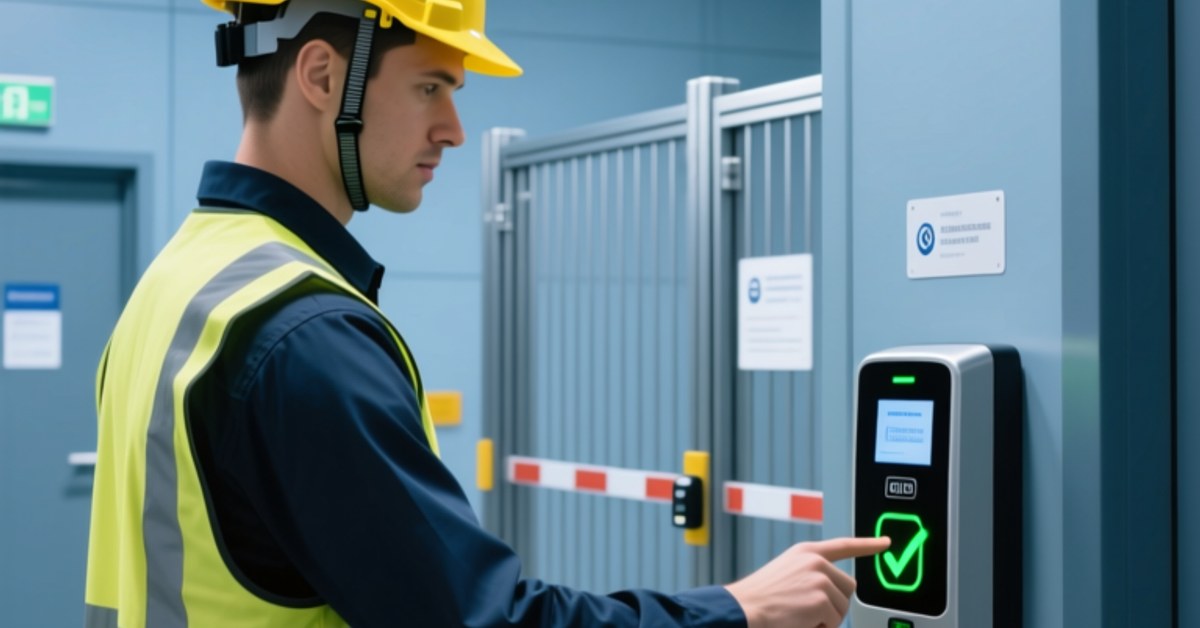
In geschichteten IoT-Architekturen, NFC schließt die Lücke zwischen Edge-Sensoren und Cloud-Intelligenz. Im Gegensatz zu Bluetooth oder Wi-Fi, NFC erfordert keine Kopplung, verbraucht minimal Strom, und bietet integrierte Sicherheitsfunktionen – einschließlich gegenseitiger Authentifizierung und verschlüsseltem Datenaustausch – und ist somit ideal für das Onboarding, Konfiguration, und Identitätsprüfung von IoT-Knoten. Zum Beispiel, Ein Unternehmen kann ein in Industrieanlagen eingebettetes NFC-Inlay verwenden, um per Tap-to-Configure sofort einen neuen Sensorknoten in seiner IoT-Plattform bereitzustellen.
Intelligente Häuser: Nahtlose Interoperabilität durch NFC
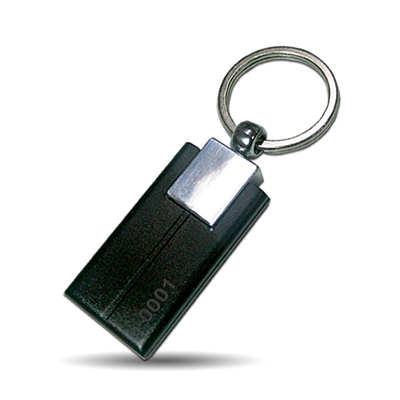
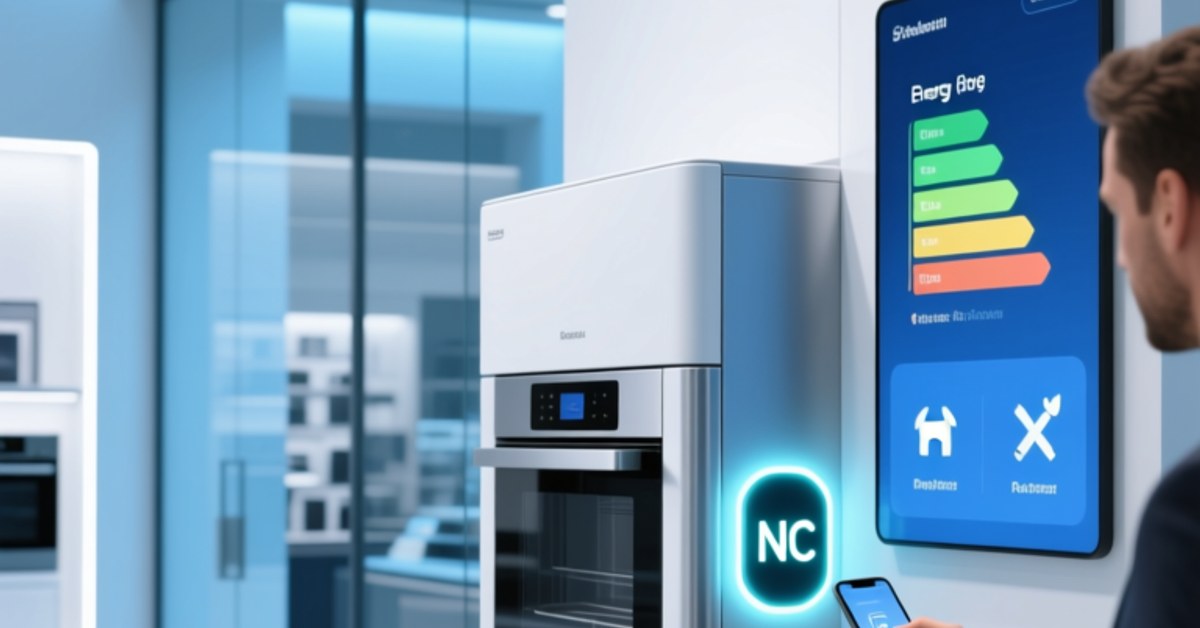
In privaten und gewerblichen Smart-Building-Umgebungen, Intelligente NFC-Lösungen Vereinfachen Sie die Benutzerinteraktion und stärken Sie gleichzeitig die Systemintegrität. NFC-fähige Smart-Schlösser, Lichtsteuerungen, und HVAC-Schnittstellen ermöglichen Mietern oder Einrichtungspersonal die Authentifizierung und Anpassung von Einstellungen mit einem einzigen Tastendruck über ein Smartphone oder NFC-Silikonarmband. Diese Interaktionen lösen automatisierte Arbeitsabläufe aus – beispielsweise die Erkennung der Raumbelegung in Verbindung mit der Energieoptimierung –, ohne dass App-Downloads oder komplexe Einrichtung erforderlich sind. Das Ergebnis ist eine höhere Akzeptanz, Untere Stütze über Kopf, und konsistente UX für verschiedene Benutzergruppen.
Industrie 4.0: NFC-fähige Asset Intelligence
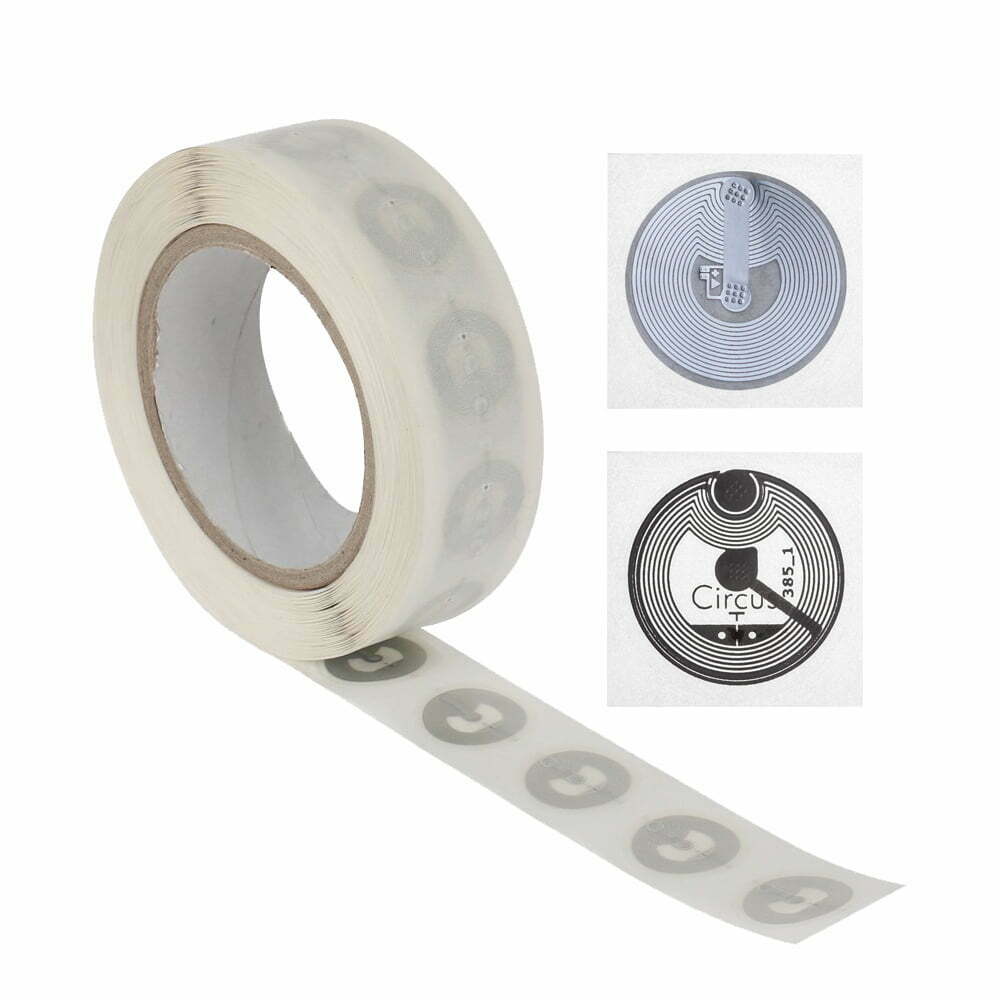
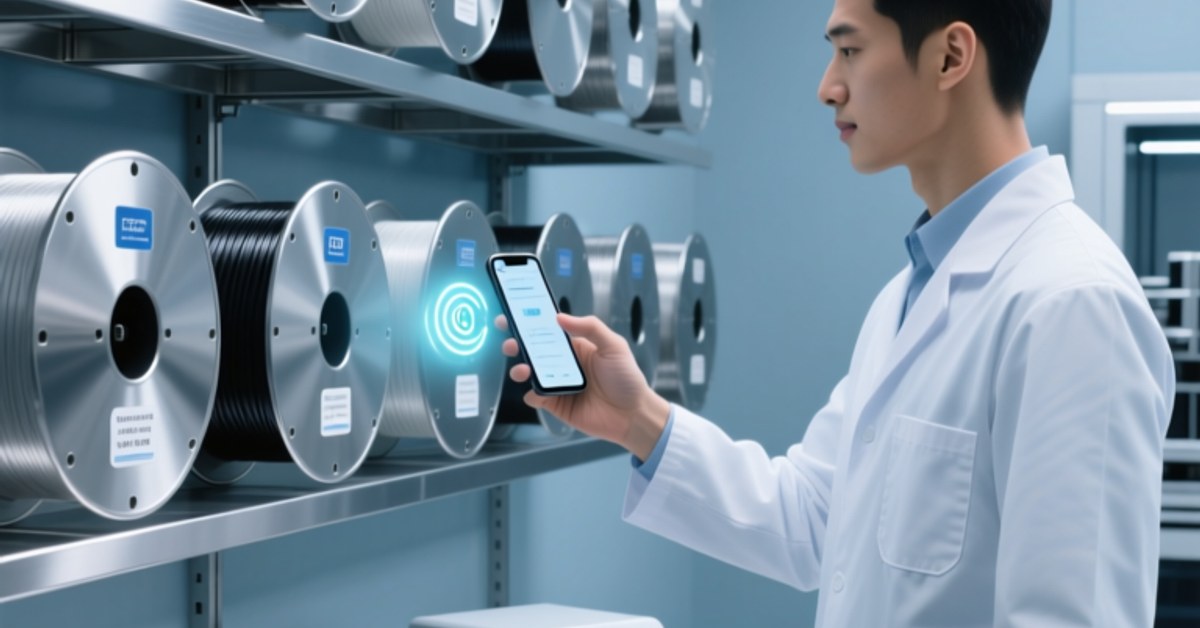
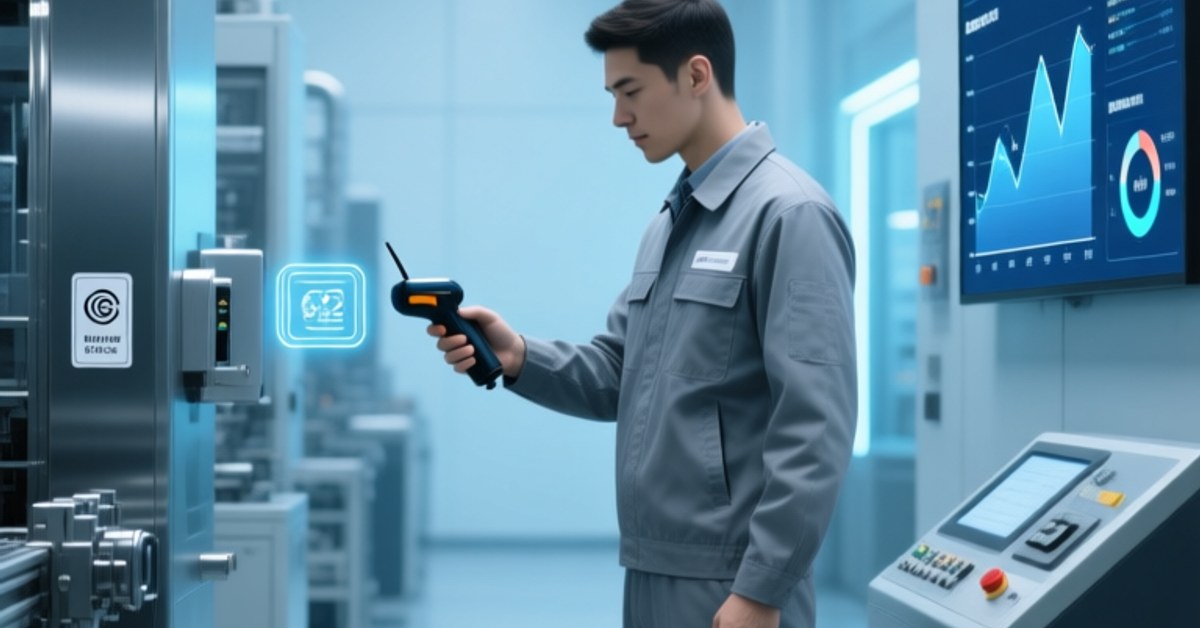
In der Fertigung und Logistik, Die NFC Internet der Dinge verwandelt statische Assets in intelligente Endpunkte. Durch Integration UHF-RFID-Lesegeräte mit Anti-Metall-RFID-Tags Und NFC -Aufkleber auf Maschinen, Werkzeuge, und Behälter, Unternehmen erreichen eine durchgängige Rückverfolgbarkeit und vorausschauende Wartungsbereitschaft. Ein Techniker tippt auf ein NFC-Tag auf einer CNC-Maschine ruft Kalibrierungsprotokolle in Echtzeit ab, Servicehistorie, und IoT-erfasste Vibrations-/Temperaturmetriken – alle synchronisiert mit einer zentralen Intelligentes Management Armaturenbrett.
Komparativer Vorteil: NFC vs. Andere Kurzstreckenprotokolle
>
| Besonderheit | NFC | Bluetooth LE | Wi-Fi Direct |
|---|---|---|---|
| Leistungsbedarf | Ultra-niedrig (Passivmodus) | Niedrig | Mäßig |
| Komplexität des Setups | Berührungsloses Tippen | Kopplung erforderlich | Netzwerkerkennung + Anmeldeinformationen |
| Sicherheitsstiftung | Hardwaregestützte Verschlüsselung & gegenseitige Authentifizierung | Softwaredefiniert, variable Implementierung | Abhängig von WPA2/WPA3 |
Häufig gestellte Fragen
- Warum wird NFC als „letzter Zentimeter“ bezeichnet?’ Technologie im IoT?
NFC ermöglicht Sicherheit, augenblicklich, Vom Menschen initiierte Interaktion genau an der Stelle, an der digitale Systeme auf physische Objekte treffen – und vervollständigt die IoT-Wertschöpfungskette, ohne dass eine Netzwerkeinrichtung oder Benutzerkonten erforderlich sind. - Kann NFC-Tags arbeiten zusammen mit UHF-RFID in derselben IoT-Lösung?
Ja. Viele Unternehmen setzen Hybridsysteme ein: UHF-RFID-Lesegeräte ermöglichen das Scannen großer Bestände über Entfernungen hinweg, während NFC-Tags eine detaillierte Darstellung ermöglichen, authentifizierter Zugriff auf einzelne Artikel oder Wartungsaufzeichnungen – beides unterstützt von RFIDHY Hardware. - Sind NFC-fähige IoT-Lösungen mit der bestehenden Unternehmens-IT-Infrastruktur kompatibel??
Ja. NFC-Datennutzlasten lassen sich nahtlos in REST-APIs integrieren, MQTT-Broker, und ERP-Systeme wie SAP oder Oracle – was eine Plug-and-Play-Interoperabilität innerhalb Ihrer aktuellen Systeme ermöglicht Intelligentes Management Ökosystem.