In defense logistics, lack of component visibility creates a significant vulnerability. According to NATO’s 2023 Logistics Report, 68% of member states ranked supply chain transparency as their top security challenge. With the global defense equipment budget exceeding $2.2 trillion, unverified components can lead to mission failure and endanger soldier safety. The NFC Digital Product Passport (DPP), powered by military-grade encryption, is addressing this issue by providing tamper-proof, battlefield-ready traceability for critical assets.
The Battlefield Transparency Crisis
Defense contractors and military logistics teams face four major operational nightmares:
- Counterfeit parts: 12% of spare parts in the defense supply chain are counterfeit.
- Tampering Risk: Unsecured components are susceptible to malicious modification.
- Interoperability gaps: Tracking systems between NATO allies are incompatible.
- Audit fatigue: Manual inspections delay deployment and increase human error.
The NFC Data Protection Program (DPP) addresses this issue by embedding FIPS 140-2 certified cryptography directly into critical components, ensuring data integrity from the factory floor to the front line.
How Military-Grade NFC Digital Identity (DPP) Works
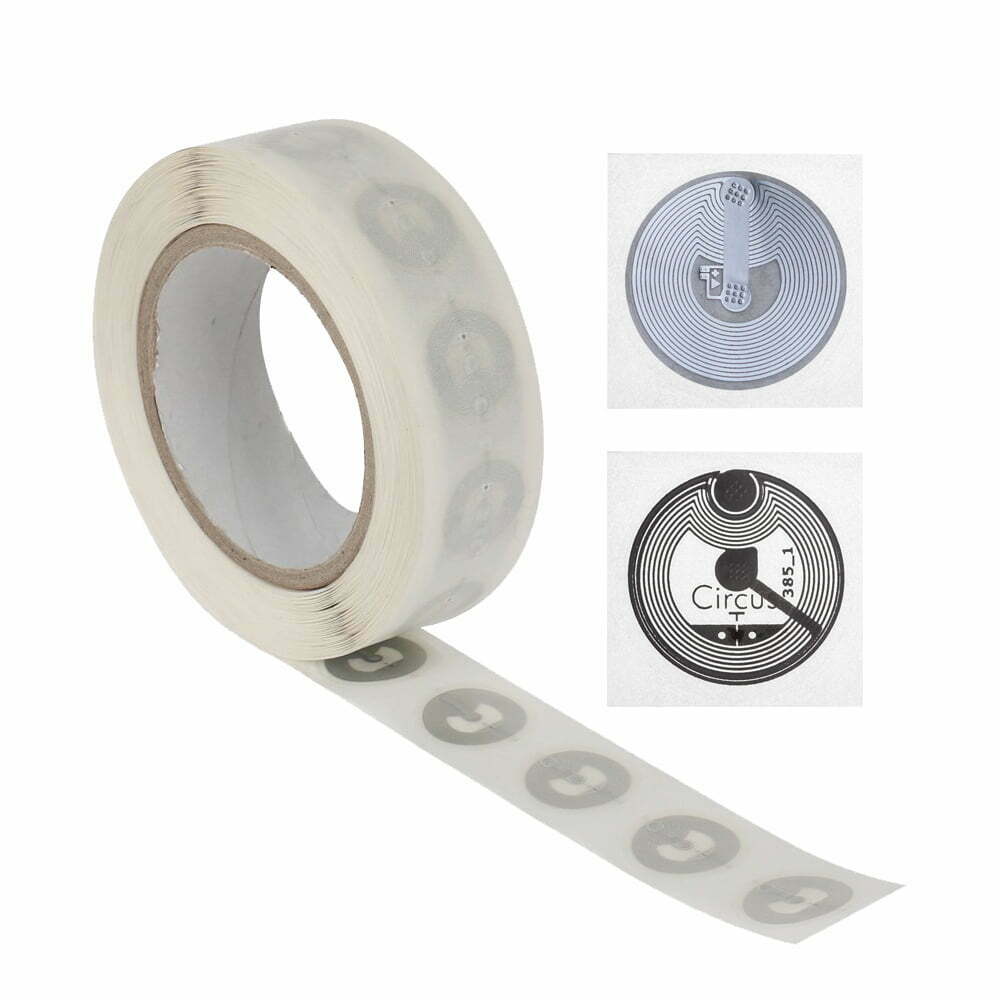
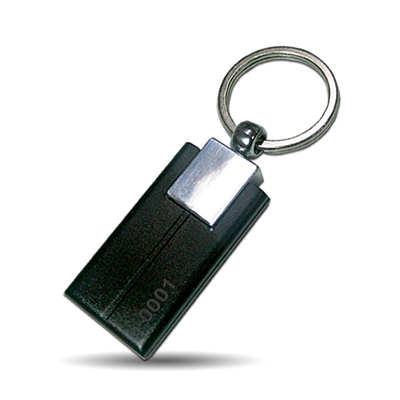
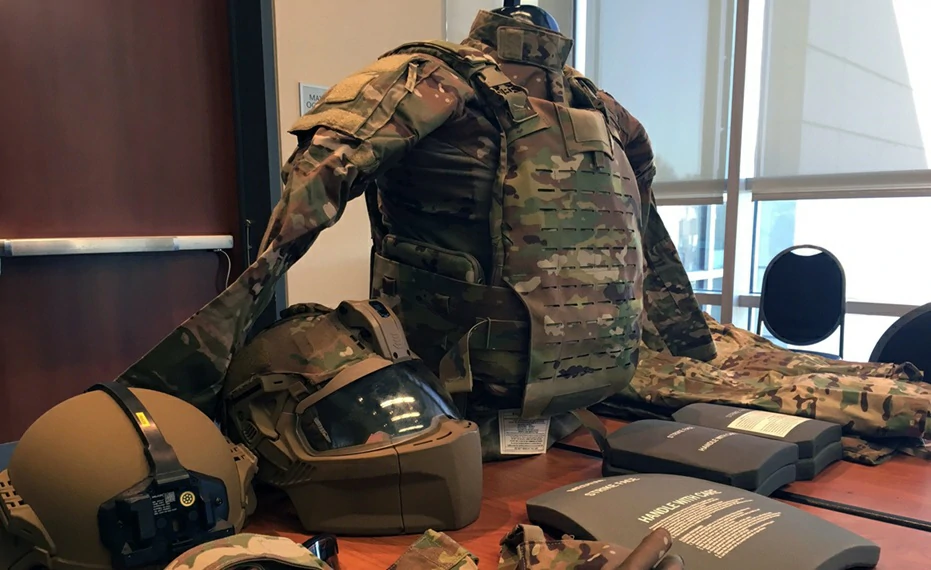
Ruggedized NFC tags, compliant with MIL-STD-810H environmental standards, can be attached to components (e.g., weapons systems, communications equipment, vehicle parts) to create an encrypted digital identity.
Tamper-resistant and secure:
- NATO-STANAG 7194 compliant: The tag stores a tamper-proof log for component access and modification.
- Cryptographic authentication: The FIPS 140-2 certified chip prevents cloning or counterfeiting.
- Offline operation: Read and write operations can be performed in remote environments without network access.
Logistics and maintenance:
- Lifecycle tracking: Records manufacturing provenance, maintenance history, and deployment status.
- Interoperable Data: Standardized NATO data formats ensure full compatibility.
- Condition Monitoring: Integrated sensors record shock, temperature, or unauthorized access.
Case Study: Defense Contractor Improves Supply Chain Transparency by 90%
A top defense supplier of electronic warfare systems faced the following challenges:
- A 17% counterfeit rate in its parts supply chain.
- Failed a NATO audit due to incomplete equipment history records.
- Part authenticity verification was delayed by six months.
Deployed Solution:
Embedded FIPS 140-2-certified NFC tags in over 20,000 parts.
Implemented encrypted DPP storage:
- Manufacturing details and quality assurance records
- Maintenance logs with cryptographic signatures
- Cross-supplier chain of custody
- Data access by authorized personnel via secure mobile devices.
Achieved Results in Six Months:
- Supply chain transparency increased by 90%.
- Equipment traceability fully met NATO audit requirements.
- Part verification speed increased by 67% during emergency deployments.
- Zero confirmed counterfeit incidents since implementation.
Why NFC Outperforms RFID and Barcodes in Defense
| Capability | Traditional RFID/Barcode | Military NFC DPP |
|---|---|---|
| Security | Easily cloned or scanned | FIPS 140-2 encrypted |
| Data Integrity | Static data | Dynamic, updatable logs |
| Environment Resistance | Limited durability | MIL-STD-810H certified |
| Operational Flexibility | Requires dedicated scanners | Works with secure mobile devices |
You may be interested also in:
For more information,please contact us.