With the official entry into force of the EU’s Ecodesign for Sustainable Products Regulation (ESPR), the clothing industry exporting to Europe is facing a “digital countdown.” By 2026, every textile product entering the EU market must be equipped with a Digital Product Passport (DPP).
Although the policy allows the use of QR codes as an entry-level carrier, the deep-seated industry consensus is that without high-performance RFID tags, complex full-lifecycle management is simply impossible.
Why are QR codes “inadequate” for DPP?
The core of DPP is not only about “displaying information,” but also about “full-lifecycle tracking and feedback.”
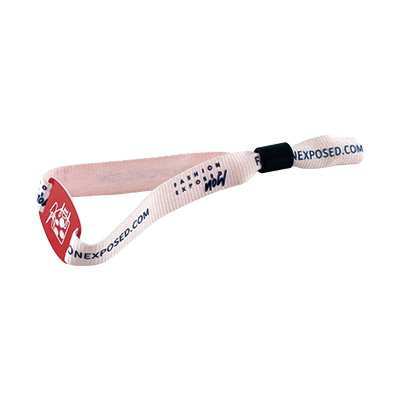
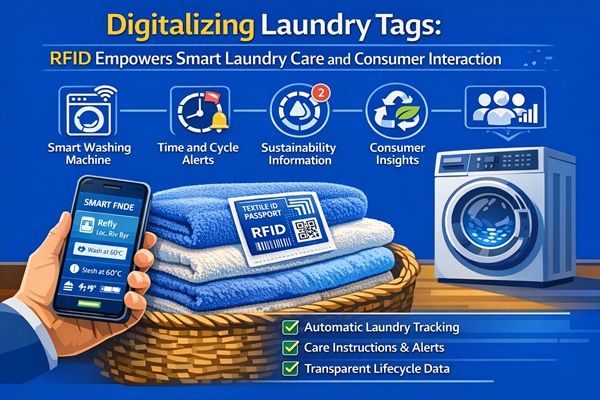
Lack of durability: QR codes are printed on wash labels or hangtags, which are easily worn out during circulation or lost with the hangtags. Embedded RFID clothing tags, however, can coexist with the garment, ensuring that passport information remains intact from the factory to the final recycling stage.
Efficiency bottleneck: The EU generates approximately 7 million tons of textile waste annually, of which less than 1% is recycled. QR codes require manual scanning of each item, which cannot support large-scale automated recycling and sorting.
Data proves: the overwhelming advantage of RFID tracking systems
According to joint research by McKinsey and CISUTAC, in industrial recycling scenarios, automated systems using RFID tracking tags have an identification accuracy rate of up to 99.8%, and the processing speed is more than 20 times faster than traditional manual identification.
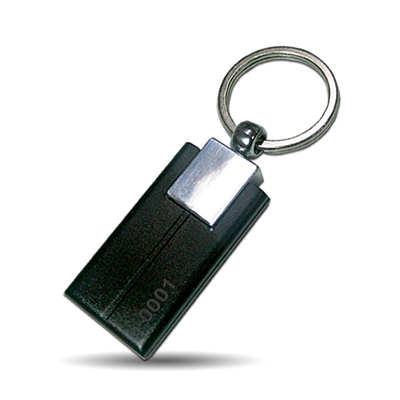
The industrial-grade RFID tracking system solution provided by RFIDHY can record every key data point of the DPP, from fiber source and chemical use to carbon footprint. This “invisible identity card” creates a closed loop for customs supervision, retail inventory, and end-of-life recycling.
How can export companies use RFIDHY to overcome the “green barrier”?
For Chinese export companies, deploying RFID tags is no longer just about improving internal warehousing efficiency, but a survival strategy to comply with EU regulations.
Proactive Compliance: By using RFID tracking tags that meet global standards, companies can directly write initial DPP (Digital Product Passport) values during the production phase.
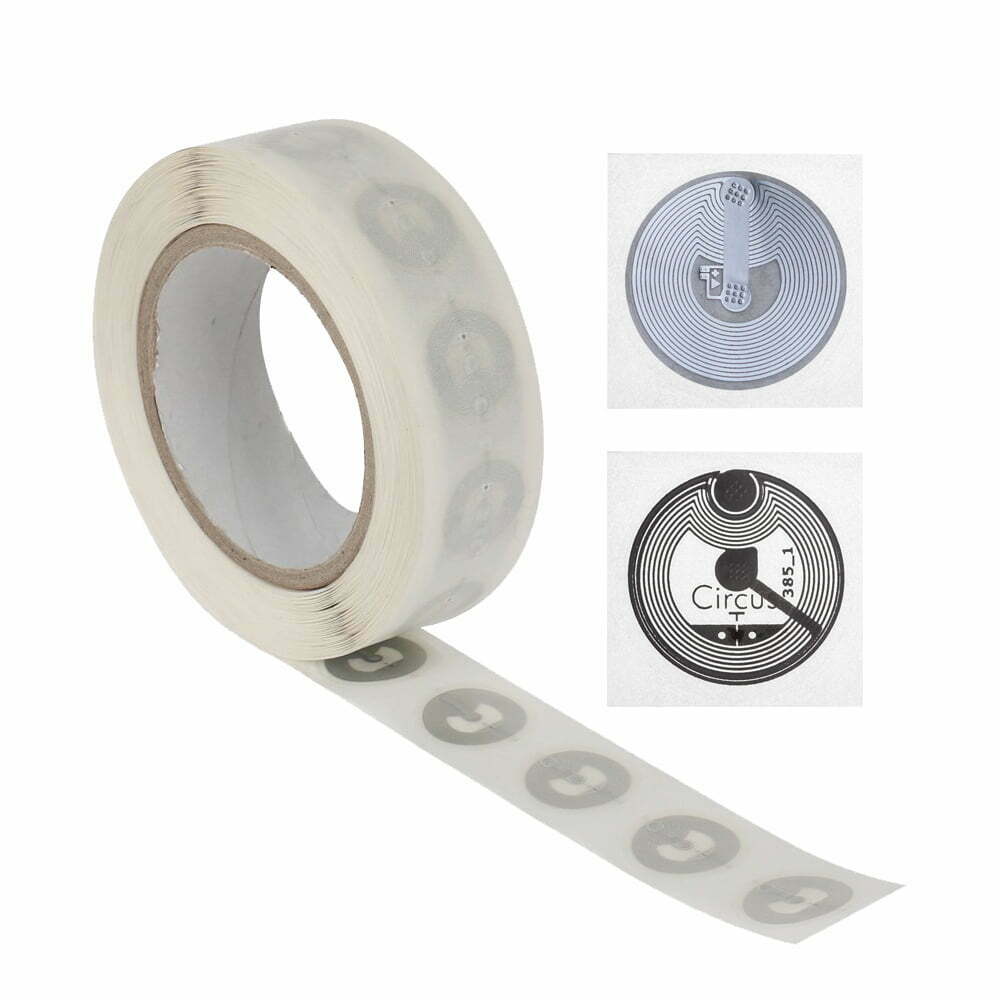
Cost Reduction and Efficiency Improvement: Introducing RFID stickers for inventory not only meets regulatory requirements but also reduces inventory losses in the logistics chain by 1.5%-5.5%, achieving a win-win situation of regulatory compliance and business benefits.
Summary
Without RFID support, the DPP will become meaningless. As a professional RFID tag manufacturer, RFIDHY is committed to providing export brands with highly durable and compatible tag technology solutions, helping your products navigate the green trade storm with confidence.
For more information,please contact us.