La portata della crisi globale dei beni di lusso contraffatti
Lo dicono l'Ocse e l'Ufficio europeo per la proprietà intellettuale, i prodotti contraffatti e piratati rappresentano 3.3% del commercio globale– uno sconcertante $509 miliardi all'anno. Gli articoli di lusso costituiscono il segmento più ampio all’interno di questa economia illecita, con le borse, orologi, abbigliamento, e accessori presi di mira in modo sproporzionato. Solo in Europa, le autorità doganali hanno sequestrato 31 milioni di articoli di lusso contraffatti nel 2023—a 17% aumento anno su anno.
Perché i metodi anticontraffazione tradizionali non sono all’altezza
Ologrammi, Codici QR, e i numeri di serie sono da tempo standard del settore, ma sono sempre più inefficaci:
- Ologrammi può essere decodificato e replicato in massa utilizzando strumenti di stampa standard.
- Codici QR mancano di integrità crittografica; sono URL statici facilmente clonabili su confezioni false.
- Numeri di serie non offrono alcuna prova dell’origine né alcun meccanismo di verifica, nessuna crittografia, nessun rilevamento di manomissione.
Questi approcci forniscono aspetto di sicurezza, non reale, garanzia verificabile.
In che modo l'autenticazione NFC offre una protezione reale
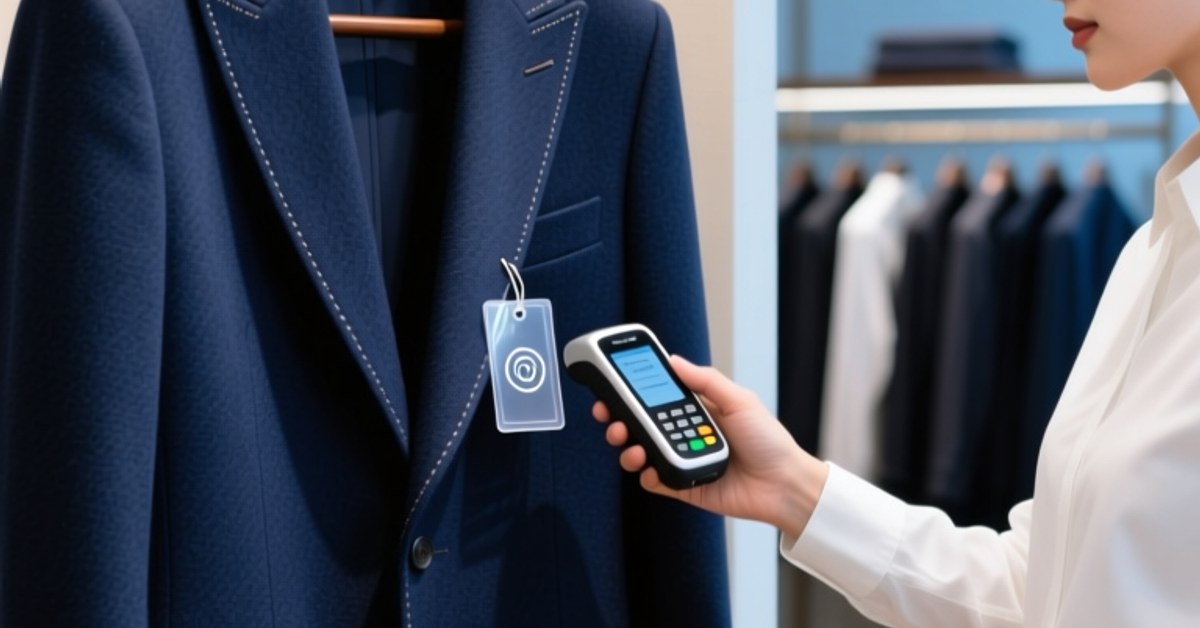
L'anticontraffazione basata su NFC sfrutta la sicurezza basata sull'hardware incorporata direttamente nel prodotto o nella sua confezione. A differenza dei metodi ottici, L'NFC richiede la vicinanza fisica (<3 cm) e si autentica tramite protocolli crittografici di risposta-sfida. I principali vantaggi tecnici includono:
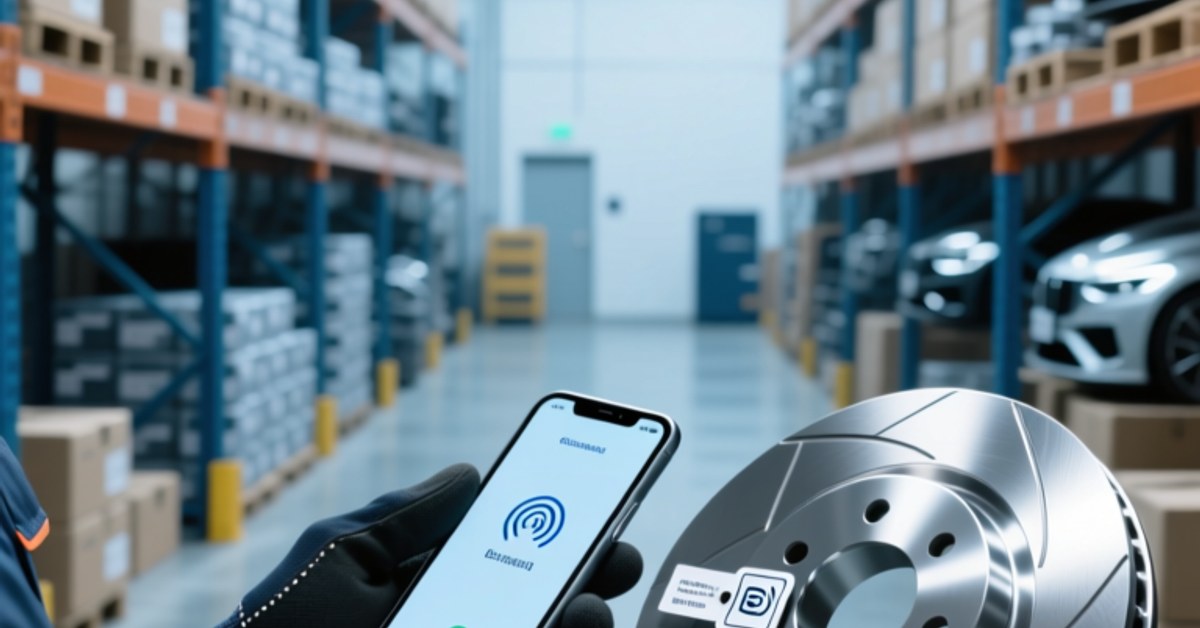
- ID chip univoci crittografati: Ogni Tag NFC (PER ESEMPIO., Tag NFC da Rfidhy) presenta un UID programmato in fabbrica impossibile da duplicare.
- Allegate 424 Compatibilità del DNA: Abilita contatori sicuri, Crittografia AES-128, e generazione di firme dinamiche, che impediscono attacchi di riproduzione e clonazione.
- Etichette NFC antimanomissione: Progettato per rompersi al momento della rimozione, invalidando visivamente e funzionalmente i tentativi di autenticazione sui prodotti riconfezionati.
Verifica rivolta al consumatore: Tocca e verifica su larga scala
Con oltre 2.2 miliardi abilitati NFC smartphone in uso attivo a livello globale, i consumatori non hanno bisogno di scaricare o registrare l'app. Un semplice tocco avvia un'interfaccia di verifica con marchio, mostrando lo stato di autenticità, lotto di produzione, paese di origine, e istruzioni per la cura. Questa UX fluida crea fiducia raccogliendo dati di coinvolgimento proprietari.
Adozione aziendale: Dai consorzi all'implementazione
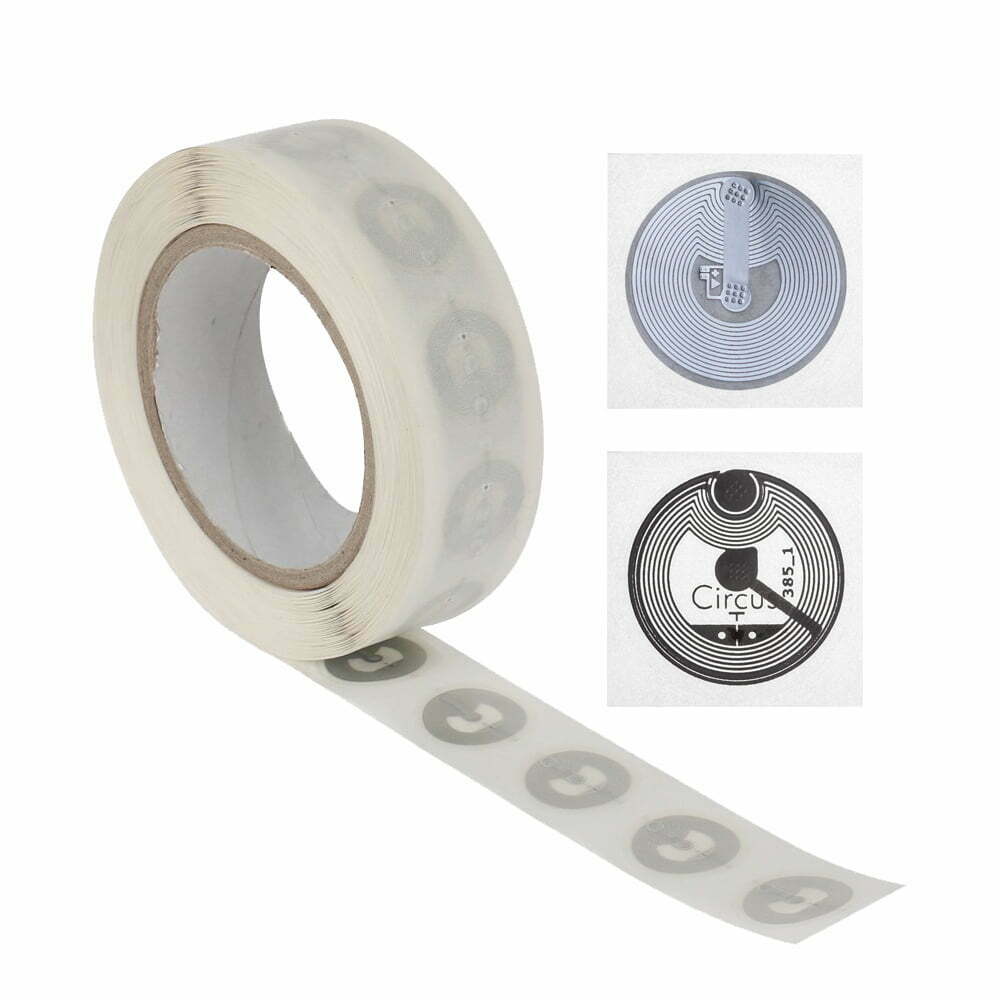
LVMH, Richemont, e Kering ha co-fondato il Consorzio Aura Blockchain, integrazione dell'hardware NFC con l'infrastruttura di contabilità distribuita per ancorare la provenienza del prodotto. Il loro approccio si basa su inserti NFC certificati, come quelli disponibili tramite Il portafoglio di inlay NFC e adesivi NFC di NFCWORK—garantire l'interoperabilità tra i livelli della catena di approvvigionamento e le piattaforme di rivendita.
Il caso aziendale per l'autenticazione NFC
>
| Obiettivo aziendale | Come NFC offre valore |
|---|---|
| Protezione del marchio | Riduce il rischio di diluizione e l'esposizione legale; consente la rimozione proattiva delle inserzioni contraffatte utilizzando i dati dei tag verificati. |
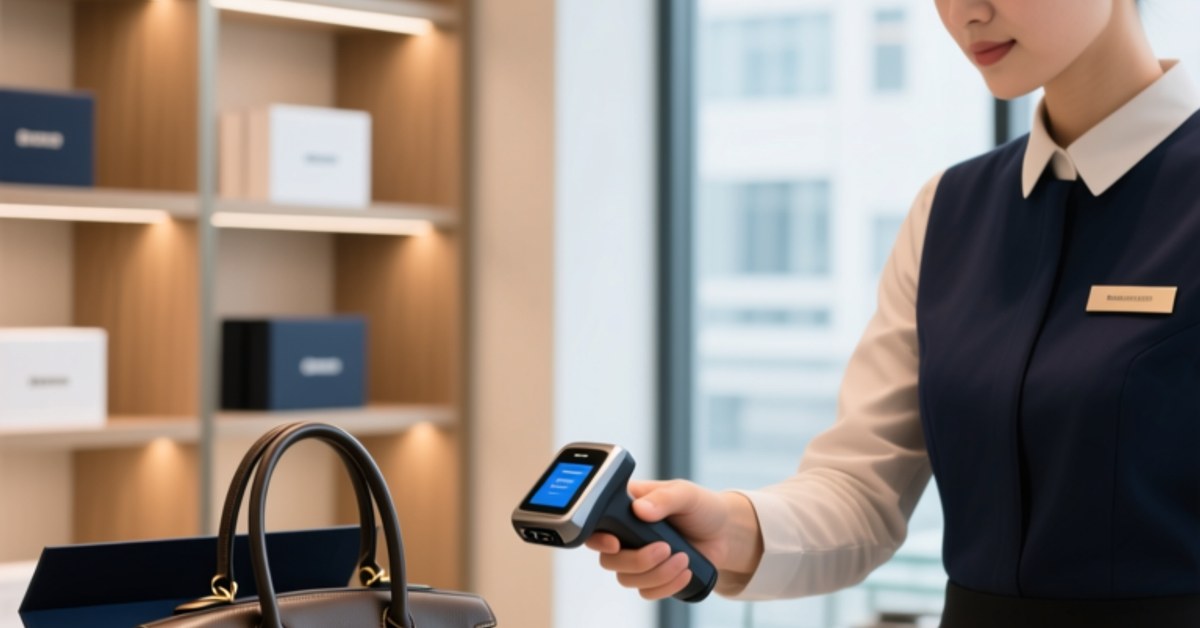
| Abilitazione del mercato di rivendita | Autentica istantaneamente gli articoli usati: fondamentale per piattaforme come Vestiaire Collective e Mytheresa. |
| Fiducia dei consumatori & Lealtà | 86% degli acquirenti di prodotti di lusso afferma che la verifica dell'autenticità aumenta la fiducia nell'acquisto (McKinsey, 2023). |
| Verifica di seconda mano | Abilita programmi di ristrutturazione certificati e convalida della garanzia, anche dopo la scadenza della proprietà primaria. |
Tendenze future: NFC + DPP e integrazione Blockchain
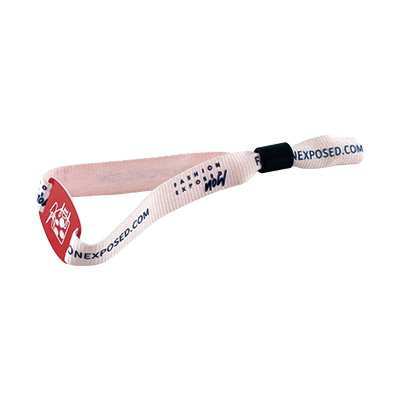
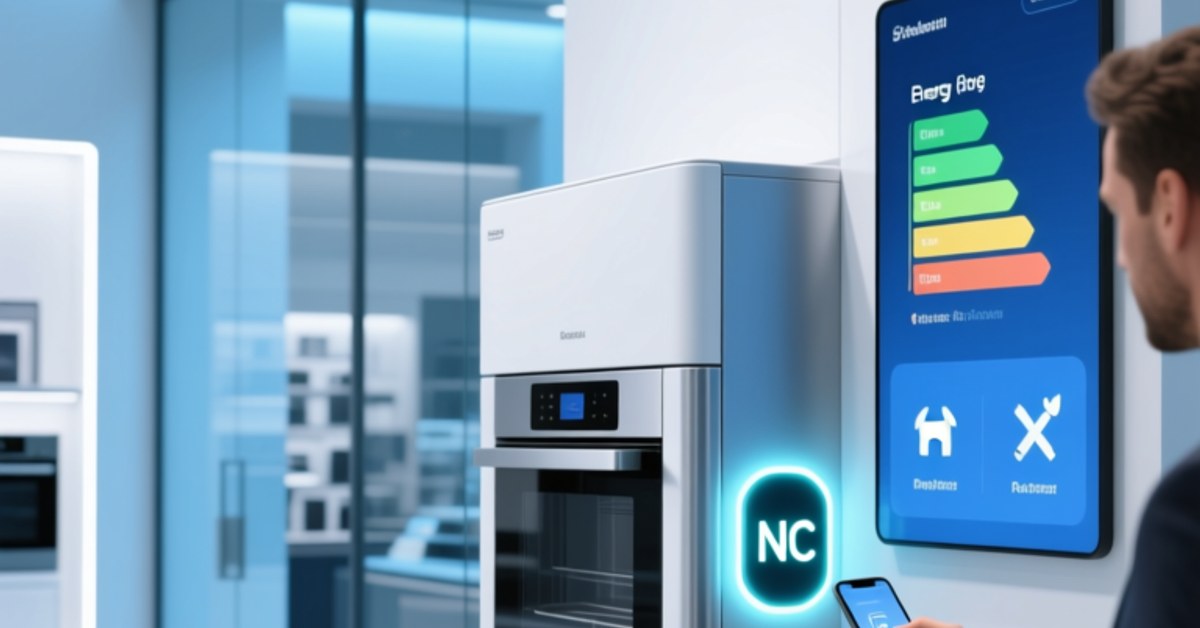
L'UE Passaporto dei prodotti digitali (Dpp) La normativa, in vigore dal 2026, impone l’identità digitale per i prodotti ad alto impatto, compresi i beni di lusso. NFC funge da vettore fisico ideale: basso costo, supportato a livello globale, tutela della privacy, e con funzionalità offline. Rfidhyi tag NFC e Braccialetti NFC sono progettati per implementazioni conformi a DPP, supporto dei modelli di dati EPCIS e della codifica GS1 Digital Link. Le implementazioni lungimiranti combinano NFC con ancoraggi blockchain, garantendo registri di verifica immutabili senza compromettere la privacy dell'utente.
FAQ
- In che modo l'autenticazione NFC differisce dalla scansione del codice QR?
NFC utilizza la crittografia, comunicazione radio a corto raggio con identificatori di chip univoci, rendendo la clonazione praticamente impossibile. I codici QR sono immagini statiche che chiunque può replicare. - Ho bisogno di un'app speciale per verificare i tag NFC?
NO. I moderni dispositivi iOS e Android supportano Web NFC in modo nativo: toccando si apre un'interfaccia sicura, pagina web controllata dal marchio senza installazione di app. - I tag NFC di RFIDHY sono conformi ai requisiti DPP dell'UE?
SÌ. I nostri tag NFC supportano GS1 Digital Link, Carichi utili compatibili con EPCIS, e fattori di forma a prova di manomissione richiesti per l'autenticazione di articoli di lusso conformi a DPP. - L'autenticazione NFC può funzionare per linee di produzione di lusso ad alto volume?
Assolutamente. RFIDHY offre prodotti di livello industriale Intarsi NFC e codificatori NFC desktop ottimizzati per l'integrazione con etichettatrici e sistemi ERP.
Proteggi la tua catena di fornitura del lusso oggi stesso
RFIDHY fornisce soluzioni di autenticazione NFC di livello aziendale, certificate, scalabile, e costruito per la conformità al DPP dell'UE, GDPR, e ISO/IEC 14443 standard.