Replacement Filters: High Value, High Risk, Frequently Faked
Water filters, air purifier filters and vacuum filters share a business characteristic that makes them a target: they are consumables. They are replaced on a predictable schedule, they carry high margins, and they are physically easy to copy. For appliance brands and filter manufacturers, the recurring cartridge aftermarket is often the most profitable part of the product line, which is precisely why counterfeiters invest in moulds, packaging and printed labels that look convincing at a glance.
The problem is not only lost revenue. An underperforming filter makes the appliance look bad. A refrigerator that dispenses odd-tasting water, an air purifier that no longer clears a room, or a vacuum that loses suction all point back to the brand on the housing, even when the cartridge inside came from an unverified third party. This guide covers how replacement filter authentication with NFC works in practice, from tag selection and placement to filter life tracking, subscription programs and end-of-life disposal.
Why Counterfeit Filters Underperform
Counterfeit consumables rarely fail immediately. They degrade quietly, which is why verification at the point of purchase and point of installation matters more than a visual comparison.
Water filter cartridges
- Lower-density media. Carbon block cartridges depend on controlled pore structure. Cheaper blocks with inconsistent compression can channel water past the media, reducing contaminant reduction well before the rated capacity is reached.
- Missing or false certification. Genuine cartridges are commonly tested to recognised standards such as NSF/ANSI 42, 53, 58 or 401. Copies often carry the logo without the test data behind it.
- Weak housings and seals. Thin-wall housings and undersized O-rings increase the risk of cracking, weeping joints and leaks under normal line pressure.
- Hygiene risk. Media that is not properly rinsed, or that sits in uncontrolled storage, can support microbial growth and turn a water treatment device into a source of contamination.
Air purifier filters
- Wrong media grade. HEPA-class performance depends on fibre diameter, pleat density and separators. Substandard media leaks particles and reaches end of life faster.
- Poor frame and gasket fit. A filter that does not seal to the housing lets air bypass the media entirely, so clean air delivery drops even though the fan runs at full speed.
- Low-activity carbon. Activated carbon with insufficient surface area or impregnation saturates quickly, so odours and gases pass straight through.
- Higher running costs. Restricted airflow increases pressure drop, forcing the fan to work harder and louder to deliver less clean air.
Vacuum filters and bags
- Incorrect pore size. Bags and exhaust filters with the wrong material let fine dust reach the motor and escape back into the room.
- Weak collars and seams. Poorly bonded bag collars detach under load, dumping debris into the bin and motor compartment.
- Motor wear. Dust ingress accelerates brush and bearing wear, shortening appliance life and generating warranty claims that the brand ends up paying for.
The Commercial Cost of Counterfeit Filters
- Lost recurring revenue across the entire installed base of appliances.
- Warranty and service costs caused by third-party consumables.
- Negative reviews and ratings attributed to the appliance rather than the cartridge.
- Reduced consumer confidence in subscription and auto-replenishment offers.
- Compliance and safety exposure where filter performance is part of a regulated claim.
Filter brand protection therefore needs to be verifiable by the person holding the cartridge: a consumer in a kitchen, a technician on a service call, or a retail buyer checking stock.
How NFC Verification Works on a Filter
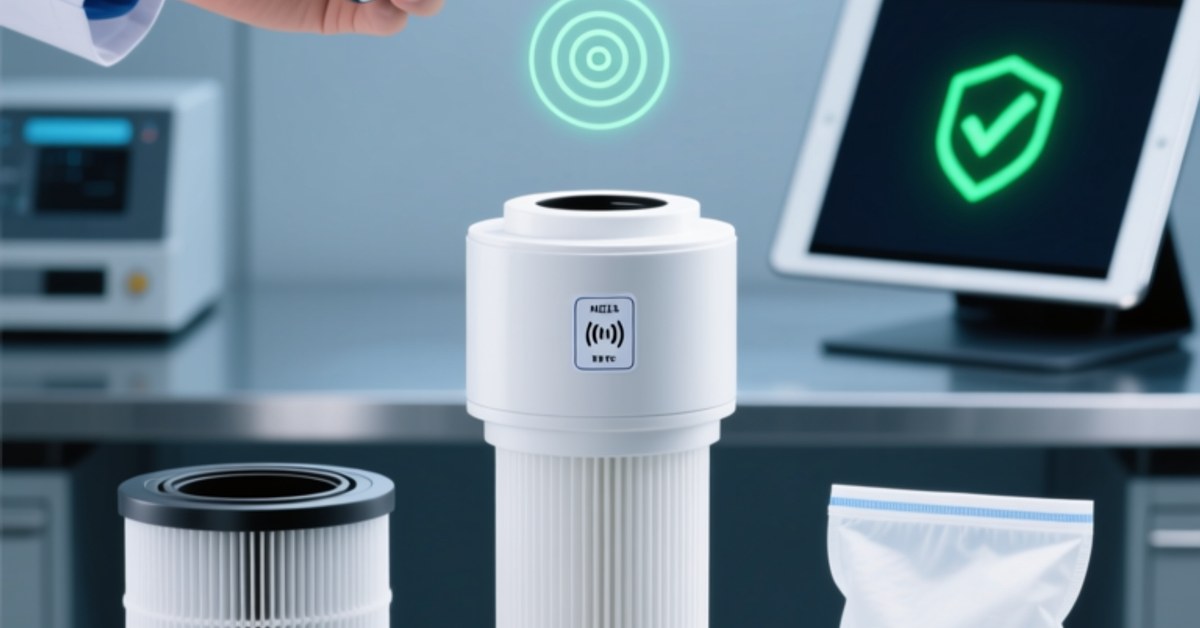
An NFC tag is a small, passive, battery-free chip that any NFC-enabled smartphone can read with a single tap. Attached to a filter housing, or printed as part of the label, it turns the cartridge itself into a verification token.
- Unique serialised identity. Every tag carries a unique UID, or a cryptographically signed message on higher-security chips, so each filter is individually identifiable.
- Cryptographic authentication. Tag chips with AES-128 based authentication and dynamic URL features can prove authenticity rather than simply looking up an ID that could be copied.
- Tamper evidence. Destructible or tamper-evident tag constructions make it obvious when a genuine tag has been peeled from a genuine cartridge and reused on a fake one.
- Instant consumer feedback. A tap opens a mobile page that confirms the filter model, batch and intended appliance, or warns that the code is unknown or already registered.
- Product data behind the tap. The same tap can serve installation instructions, certification documents and, where relevant, a Digital Product Passport record for the consumable.
The verification layer is not limited to filters. Printer cartridges face the same counterfeiting economics and use comparable tag strategies; our article on NFC authentication for printer cartridges offers a parallel implementation view.
Choosing the Right NFC Tag for Filter Housings
Filter housings are demanding environments: moisture, vibration, heat, pressure and curved plastic surfaces. Tag selection should follow the physical reality of the cartridge rather than the lowest unit cost.
>
| Tag format | Typical filter use | Practical notes |
|---|---|---|
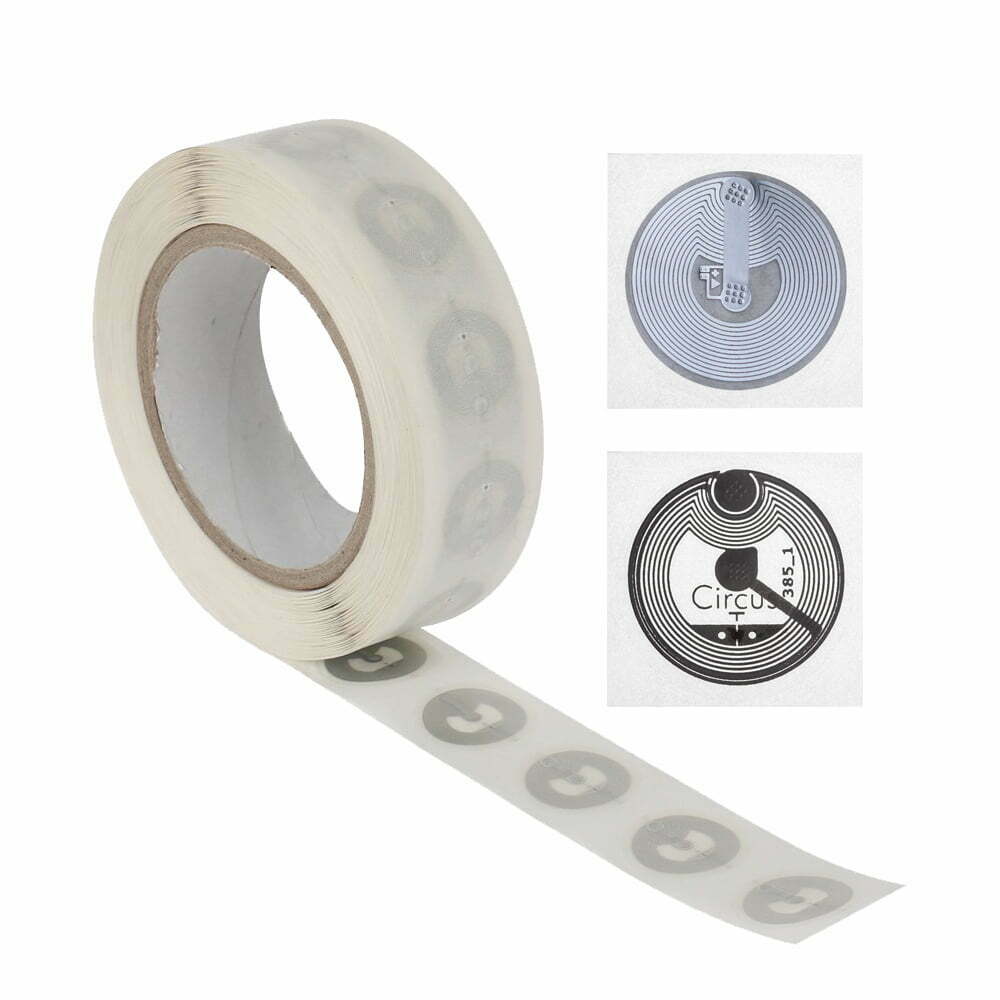
| NFC tags / NFC stickers | Flat or gently curved plastic housings, retail packaging | Lowest-cost option; suitable for model-level and batch-level verification on flat end caps |
| NFC labels (printed) | Combined QR plus NFC label applied to the cartridge body | Lets one artwork carry both the printed QR and the tap-to-verify chip |
| NFC inlay | Tags laminated under an existing brand label | Protects the antenna and keeps the marking visually clean |
| Anti-metal RFID tags / on-metal constructions | Metal end caps, bracket-mounted cartridges, motor housings | Required where a standard tag would be detuned by nearby metal |
| HF RFID tags | Factory and warehouse reading at the end of the production line | Supports automated write and verification before packing |
| Tamper-evident NFC tags | High-value cartridges and premium replacement programs | Antenna breaks on removal, so a genuine tag cannot be transferred |
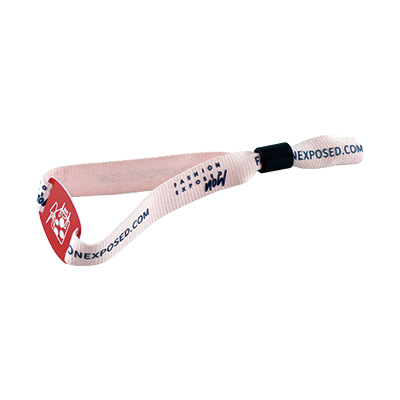
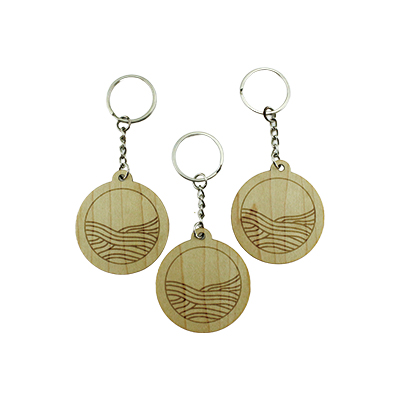
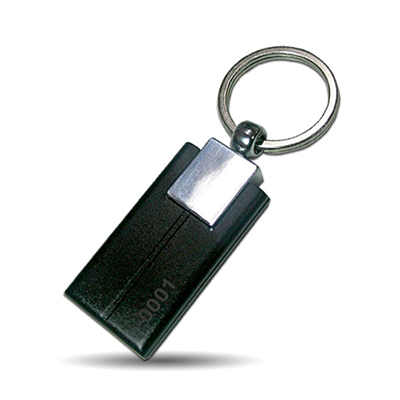
NFC tags, NFC stickers, NFC labels and NFC inlays for filter applications are available through the NFCWORK product range, while HF RFID tags and inlays for production-line encoding can be specified through our RFID tag portfolio.
Tag Placement on Filter Housing
Placement decides whether verification actually happens. The tag must be reachable without dismantling the appliance, readable on the first tap, and protected from the conditions the filter is designed to survive.
>
| Filter type | Recommended tag location | Why it works |
|---|---|---|
| Refrigerator twist-in water cartridge | Flat end cap face, or the side wall just below the brand label | Reachable while the cartridge is still in the housing; the flat face gives the most reliable read |
| Under-sink and reverse osmosis cartridges | Upper collar or shoulder, away from the sealing surface | Accessible during service and clear of wet fittings and O-ring seats |
| Whole-house filter sump | Moulded ribs on the outside of the housing | Read before installation and unaffected by water inside the bowl |
| Air purifier HEPA filter | Cardboard frame edge or corner, on the intake side | Flat, rigid surface that keeps the antenna geometry stable |
| Air purifier carbon pre-filter | Frame edge, opposite the handle cut-out | Survives handling during frequent replacement |
| Vacuum bag | Collar plate or the reinforced top edge of the bag | Readable before the bag is inserted and not crushed when seated |
| Vacuum exhaust / HEPA filter | Plastic frame, outside the gasket line | Keeps the tag off the sealing face and out of the airflow path |
Placement rules to follow
- Never place the tag over pleated media, airflow paths or gasket sealing surfaces.
- Keep the tag away from heat-seal lines, ultrasonic welds and areas that flex during installation.
- Respect the minimum bend radius of the chosen inlay on cylindrical housings.
- Test read distance through the final label, print and any varnish or lamination.
- Test after thermal cycling and water immersion, not only on the bench.
- Keep a few millimetres of clearance from large metal components, or specify an on-metal tag construction.
Filter Life and Replacement Timing
Consumers routinely run filters past their service life, and counterfeit cartridges fail earlier than genuine ones. NFC gives manufacturers a way to make replacement timing concrete rather than approximate.
Because the tag is serialised, a tap can register the installation date and model against a user account or appliance profile. From there, replacement prompts can be driven by elapsed time, treated volume, runtime hours or a combination, always governed by the manufacturer’s published specification for that filter.
>
| Filter category | Common replacement driver | Data the NFC tag can carry or trigger |
|---|---|---|
| Refrigerator and under-sink water filter | Rated capacity in litres or gallons, plus elapsed time | Model compatibility, rated capacity, certification references, install date, batch code |
| Whole-house sediment and carbon filter | Pressure drop and volume treated | Housing size, media type, install date |
| Air purifier HEPA filter | Runtime hours and dust loading | Filter class, efficiency rating, install date, compatible unit models |
| Air purifier carbon pre-filter | Shorter interval than the HEPA stage | Stage designation, install date, reorder reference |
| Vacuum bag | Fill level and floor type | Capacity, bag series, compatible vacuum models |
| Vacuum exhaust filter | Runtime and dust exposure | Filter media grade, install date, warranty terms |
Service intervals vary widely by model, load and environment, so published manufacturer guidance should always take precedence over any general rule. The role of NFC is to make that guidance personal, verifiable and easy to act on.
Genuine Filter QR NFC: Combining Printed Codes with Tap Verification
Many filter brands already print a QR code on the cartridge or the box. A QR code is cheap, but it is also trivially copyable: a counterfeiter can photograph a genuine code and reprint it a million times. NFC does not replace the QR code, it strengthens it.
- QR for reach. Any smartphone camera can scan a printed code, including older devices without NFC.
- NFC for proof. A tap reads a chip, not a picture, and cryptographic tags cannot be duplicated by photocopying.
- One verification journey. Both paths land on the same hosted verification page, so the brand sees scan and tap volumes in one place.
- Clearer consumer messaging. “Tap the label to confirm this filter is genuine” is simpler than asking a buyer to compare holograms.
A combined QR and NFC label also collects useful market intelligence: where verification attempts come from, which channels show elevated failure rates, and which regions are seeing copycat activity.
Subscription and Auto-Replenishment
Subscription only works when the customer believes the delivered filter is the right one. NFC turns that belief into something the customer can check in two seconds, and it gives the brand a defensible reason to keep the replenishment relationship direct.
- Tap to activate. Installation is confirmed by tapping the filter, which links the cartridge to the household or appliance.
- Automatic reorder triggers. Registered cartridges can generate a reminder or an automatic shipment based on the interval defined for that model.
- Warranty and claim validation. A serialised filter record shows whether the installed consumable was genuine when a warranty claim is raised.
- Channel integrity. Retail partners can offer the same verification experience, protecting legitimate aftermarket sellers instead of penalising them.
- Retention measurement. Verified installation events give a more honest picture of subscription attachment than shipment data alone.
For home and kitchen retailers and aftermarket sellers, NFC verification is also a selling point at the shelf: a shopper who can tap a filter and see that it is genuine is more likely to pay a fair price for it.
Recycling, Take-Back and Disposal
Filters are mixed-material products: moulded plastic housings, carbon block, non-woven media, seals and now a small electronic component. Used filters also hold captured contaminants, so end-of-life handling deserves a deliberate design decision rather than an afterthought.
- Keep the tag separable. Place NFC tags on a label that can be peeled off, or on a removable frame element, rather than embedding them inside welded plastic.
- Give disposal instructions at the tap. The verification page is the natural place to explain how to drain, empty and route the used filter.
- Support take-back programs. A tap can enrol the customer in a return or mail-back scheme and confirm which components are recyclable.
- Document materials for compliance. Serialised filter records support material and end-of-life data for regulatory reporting and for Digital Product Passport style requirements.
- Design for disassembly. If the tag is part of the label system, cartridge recycling streams stay cleaner and consumers get clearer instructions.
For brands already planning structured product data, our overview of the Digital Product Passport application shows how filter-level records can be extended into broader compliance reporting.
An Implementation Path for Filter Brands
- Define the verification goal. Model-level confirmation, batch traceability, or individually serialised authentication.
- Select the tag technology. Standard NFC tags for model and batch verification; cryptographic NFC chips for high-value or heavily counterfeited filters.
- Engineer placement early. Validate on real housings with real labels, after thermal cycling and moisture exposure.
- Encode at the point of manufacture. Write and verify tag data on the line, then record the serial range against the production batch.
- Build the verification page. Mobile-first, fast and clear about the outcome: genuine, unknown, or already registered.
- Connect operations. Feed verification events into warranty, service and replenishment systems.
- Educate the market. Tell consumers and retailers that tapping the filter is the way to check that it is genuine.
Conclusion
Counterfeit filters cost brands revenue, generate warranty claims and, most damaging of all, make good appliances perform badly in customers’ homes. NFC turns every cartridge into a verifiable, serialised object: confirming authenticity at the tap, anchoring filter life and replacement timing to a real record, strengthening subscription and auto-replenishment programs, and supporting cleaner recycling and disposal at end of life. For filter manufacturers, appliance brands, home and kitchen retailers and reputable aftermarket sellers, replacement filter authentication is no longer a packaging detail. It is part of the product’s performance promise.
Frequently Asked Questions
Can a QR code on a filter be copied by counterfeiters?
Yes. A printed QR code can be photographed and reprinted, which is why it works best as a convenience layer rather than the security layer. Combining the printed code with an NFC chip means the verification page can distinguish a picture of a code from a genuine chip, and serialised tags make each cartridge individually traceable.
Do consumers need a special app to read a water filter NFC tag?
No. Most modern NFC-enabled smartphones read a tag with a simple tap and open the verification page in the browser. A QR code on the same label provides a fallback for devices without NFC, so no customer is left without a way to check the filter.
Will an NFC tag survive water, heat and pressure inside a filter housing?
Tag durability depends on the construction and the placement. Inlays laminated under a protective label, on-metal versions for metal end caps, and positions that avoid sealing faces, heat-seal lines and airflow paths all improve survival. Every design should be validated on the real housing through thermal cycling, immersion and vibration before mass production.
Where is the best place to put an NFC tag on an air purifier filter?
On the rigid cardboard frame edge or corner, ideally on the intake side. This gives a flat, stable antenna surface that survives handling and keeps the tag clear of pleated media, where bending and airflow can affect readability.
Does NFC verification work for aftermarket sellers as well as the original brand?
Yes. Licensed and authorised aftermarket sellers benefit most from a verification system, because it lets them demonstrate that the stock they sell is genuine. The same tap-to-verify page can be used at the shelf, in the warehouse or in a service van.
How does NFC support filter subscription and auto-replenishment programs?
A tap registers the specific cartridge against a household or appliance, which confirms the installation date and model. Replenishment reminders or automatic shipments can then follow the interval defined for that filter, and warranty claims can be checked against the serialised filter record.
What should happen to the NFC tag when the filter is disposed of?
The cleanest approach is to place the tag on a removable label or frame element so it can be peeled off before the housing enters a plastic recycling stream. Verification pages can also display disposal instructions and enrol the customer in a take-back or return program.
Build Verification into Your Next Filter Program
NFCWORK Technology supplies NFC tags, NFC stickers, NFC labels, NFC inlays and RFID tag options for filter authentication, factory-line encoding and consumer-facing verification. Whether you are protecting a refrigerator water cartridge, an air purifier HEPA filter or a vacuum consumable line, we can help you match tag technology and placement to your housing design.
Explore the NFC product range, review the Digital Product Passport application, or read more on consumable authentication for printer cartridges. When you are ready to specify a filter tag program, contact our team with your filter type, housing material and verification requirements.