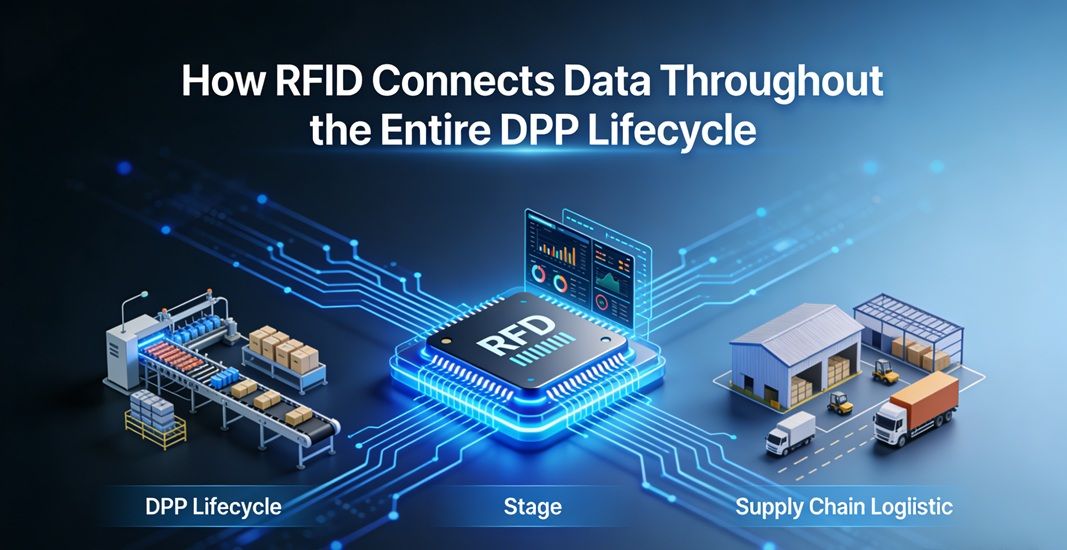
Avec la mise en œuvre obligatoire du règlement européen sur l’écoconception pour les produits durables (ESPR), le Passeport produit numérique (DPP) est devenu un “laissez-passer numérique” pour les entreprises manufacturières mondiales entrant sur le marché européen. Parvenir à la transparence tout au long du cycle de vie du produit, de l’extraction des matières premières au recyclage des déchets, le choix du support de données sous-jacent est crucial. RFID, avec son identification unique, lecture sans contact, et une capacité de transport de données élevée, devient l’infrastructure la plus critique pour connecter le flux de données DPP.
Étape de production
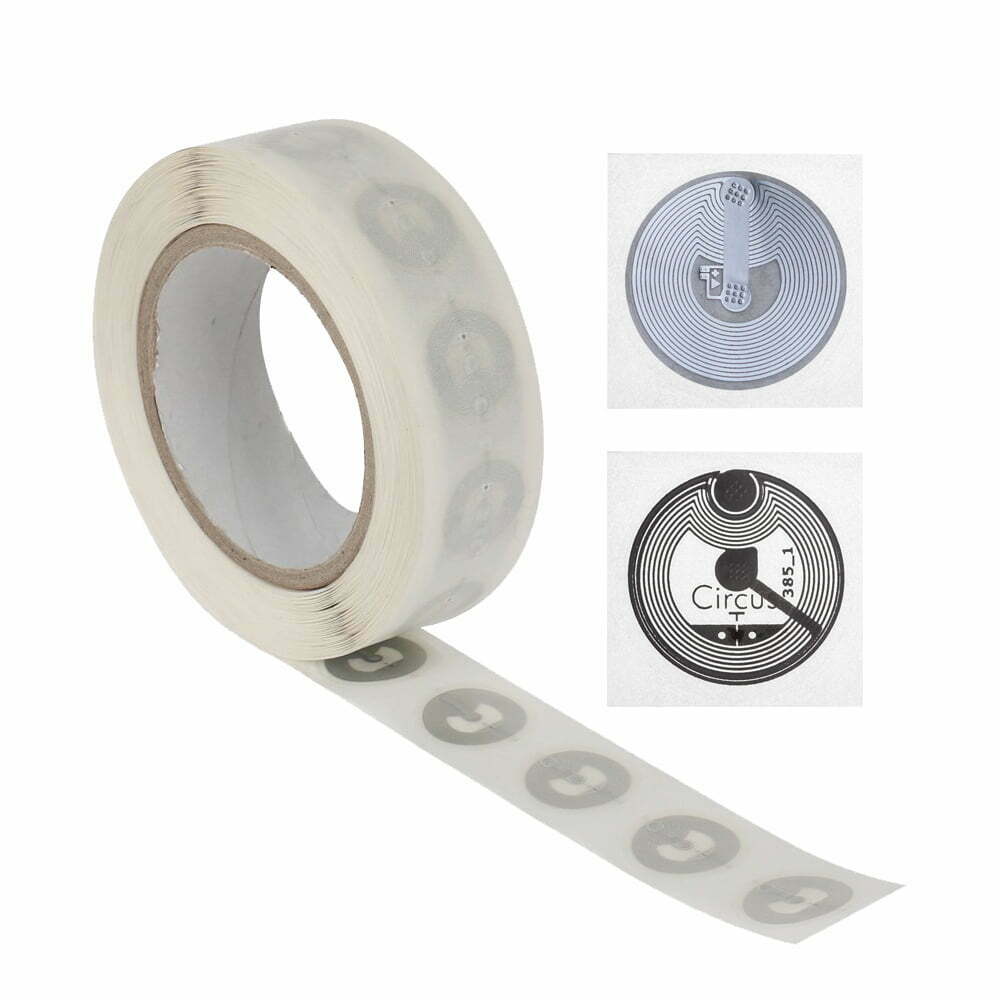
Dans la fabrication, en déployant Étiquettes RFID, les entreprises peuvent attribuer un code d'identification unique au monde à chaque produit physique. Contrairement aux codes QR traditionnels, Étiquettes RFID peut être écrit automatiquement à grande vitesse et par lots sur la ligne de production.
- Informations sur les données: Selon les recherches de Gartner, l'introduction de l'identification automatique RFID dans le processus de fabrication peut améliorer la nature en temps réel de la collecte de données en 40%, assurer l'exactitude des données clés dans le DPP, comme l'origine des matières premières et l'empreinte carbone initiale.
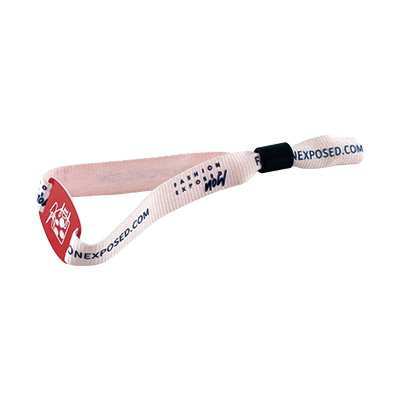
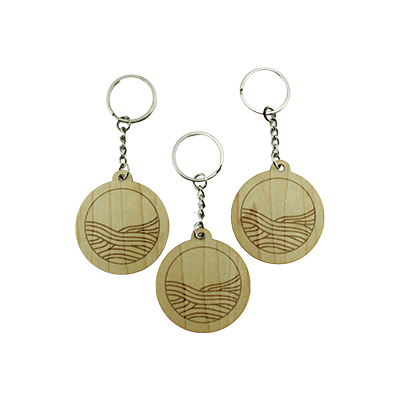
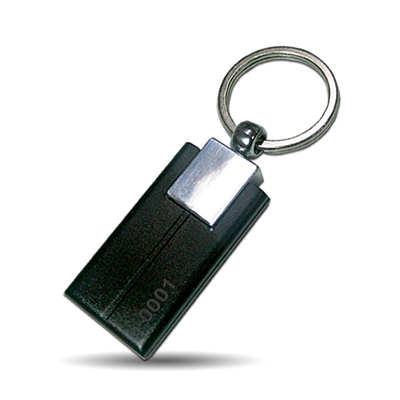
- Sélection du matériel: Fabricants professionnels d'étiquettes RFID, tel que RFIDHY, peut fournir des balises intégrées qui s'intègrent parfaitement au produit, éviter les pertes lors de la circulation ultérieure.
Étapes de distribution et de consommation
Une exigence fondamentale du DPP est que les données évoluent avec le produit et soient mises à jour en temps réel.. Dans la logistique et le commerce de détail, l'avantage de la technologie RFID réside dans sa “capacité de pénétration.”
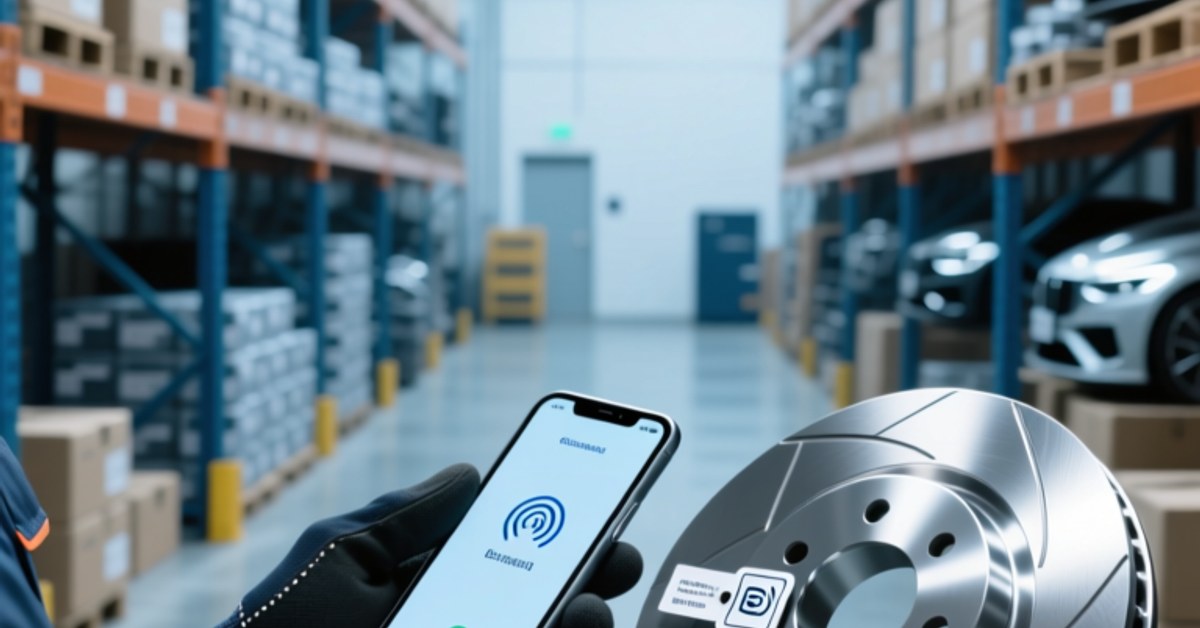
- Amélioration de l'efficacité: Utilisation de lecteurs portables/lecteurs fixes RFID, les prestataires logistiques peuvent effectuer la vérification des stocks sans ouvrir les cartons. Selon les statistiques IDTechEx, La RFID augmente la précision des stocks de la chaîne d'approvisionnement d'une moyenne de 65% à plus 95%.
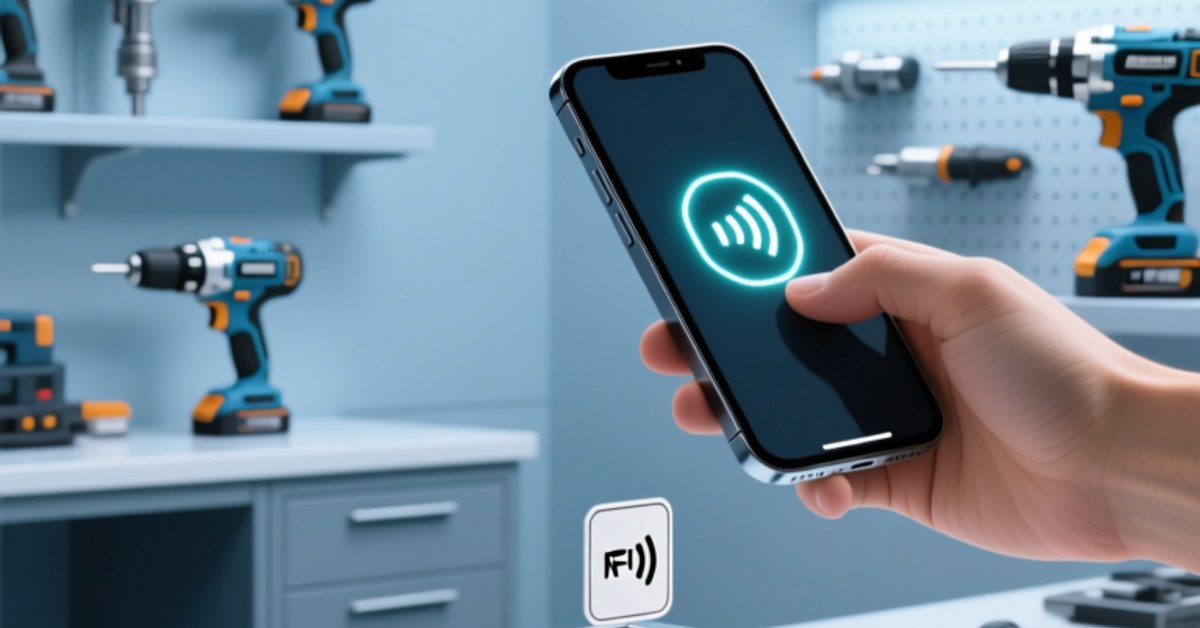
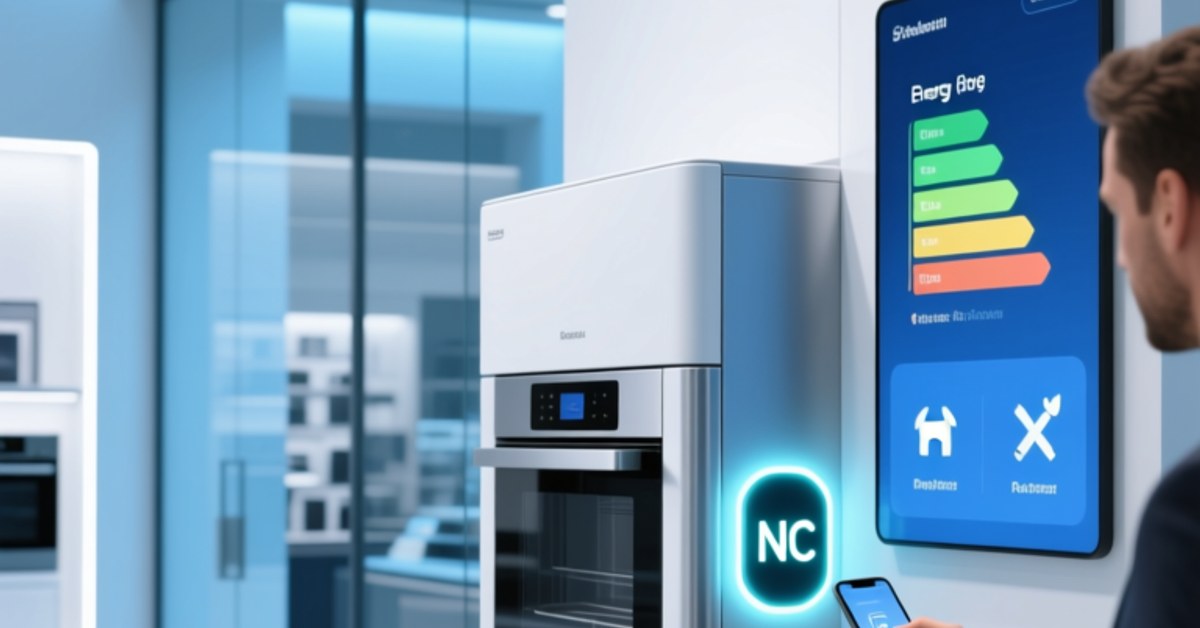
- Innovation interactive: Via des tags double fréquence NFC et UHF, les consommateurs peuvent accéder instantanément au produit “passeport numérique” en tenant simplement son smartphone à proximité du produit, consulter l'historique des réparations ou vérifier l'authenticité, améliorant considérablement la transparence de l'information.
Recyclage et réutilisation
L’objectif ultime du DPP est de promouvoir une économie circulaire. Quand un produit arrive en fin de vie, comment le classer et le démonter rapidement est le plus grand défi. Tri intelligent: Lorsque les produits mis au rebut avec des étiquettes RFID entrent dans la chaîne de recyclage, le système peut lire automatiquement leur composition matérielle (tels que la qualité du plastique et la teneur en métaux rares).
Valeur environnementale: Une recherche de la Fondation Ellen MacArthur indique que les systèmes d'identification automatique basés sur la RFID peuvent augmenter les taux de recyclage et de réutilisation des ressources d'environ 30%.
Dans le contexte de barrières commerciales vertes mondiales de plus en plus strictes, établir une infrastructure numérique centrée sur la RFID est devenu une nécessité pour les entreprises engagées dans le commerce international. Contactez-nous pour obtenir une solution matérielle DPP personnalisée adaptée à votre secteur d'activité.
Pour plus d'informations,s'il te plaît Contactez-nous.