Introdução: Uma nova era de transparência de EPI
The EU’s Passaporte de Produto Digital (DPP) iniciativa revolucionará a indústria de EPI, mudando radicalmente a forma como os equipamentos de segurança são fabricados, rastreado, e gerenciado durante todo o seu ciclo de vida. Com o EPI não conforme banido do mercado da UE por 2027, a adoção antecipada de uma solução robusta de conformidade com DPP baseada em RFID é crucial. Identificação de radiofrequência (RFID) a tecnologia é o facilitador mais eficiente e poderoso dessa transformação. Este guia fornece uma visão abrangente de como o UHF Sistemas RFID para o gerenciamento do ciclo de vida do EPI pode se tornar a pedra angular de uma solução mais inteligente, mais seguro, e ecossistema de EPI mais sustentável.
Por que RFID é a melhor tecnologia para conformidade com DPP
O DPP exige que cada produto possua uma dinâmica, identidade digital rica em dados acessível durante todo o seu ciclo de vida. Métodos tradicionais como códigos QR são insuficientes devido à capacidade limitada de dados, requisitos de varredura de linha de visão, e suscetibilidade a danos. Em contraste, Tags RFID pode armazenar kilobytes de informação, pode ser lido a longas distâncias sem linha de visão direta, e são duráveis o suficiente para suportar ambientes industriais agressivos.
Um estudo do consórcio AIM Global mostra que UHF Sistemas RFID têm uma precisão de leitura superior 99.9%, tornando-os ideais para inventário automatizado e relatórios de conformidade. Para DPP, isso significa incorporar uma riqueza de informações – desde a composição do material e a pegada de carbono até o histórico de reparos e instruções de reciclagem – diretamente nos produtos. Implementação certificada Tags RFID em conformidade com os regulamentos DPP da UE garante que cada capacete, colete, ou luva carrega seu próprio, verificável “passaporte,” permitindo transparência perfeita em toda a cadeia de fornecimento de EPI baseada em RFID.
Benefícios comerciais tangíveis: Além da conformidade
Embora a conformidade seja o motivador inicial, o valor estratégico de um sistema DPP habilitado para RFID reside no seu significativo retorno sobre o investimento em múltiplas funções de negócios.
Combate aos produtos falsificados: A Organização Mundial da Saúde estima que mais de 30% de EPI em algumas regiões pode ser de qualidade inferior ou falsificado. Cada etiqueta RFID inviolável usada para autenticação de EPI carrega um código exclusivo, virtualmente clonável, identificador criptografado, permitindo que distribuidores e usuários finais verifiquem instantaneamente a autenticidade do produto e protejam sua marca contra responsabilidades.
Eficiência Operacional: Usando um sistema de gerenciamento de estoque habilitado para RFID, contagens manuais de inventário podem ser reduzidas em até 85%. Um relatório da McKinsey descobriu que a RFID pode aumentar a precisão do inventário para mais de 98%, reduzindo significativamente a falta de estoque e o excesso de estoque. Essa eficiência decorre do rastreamento automatizado por RFID de ativos de EPI, agilizando todos os processos, desde o gerenciamento do armazém até a distribuição.
Parceiro para o sucesso: RFIDHY
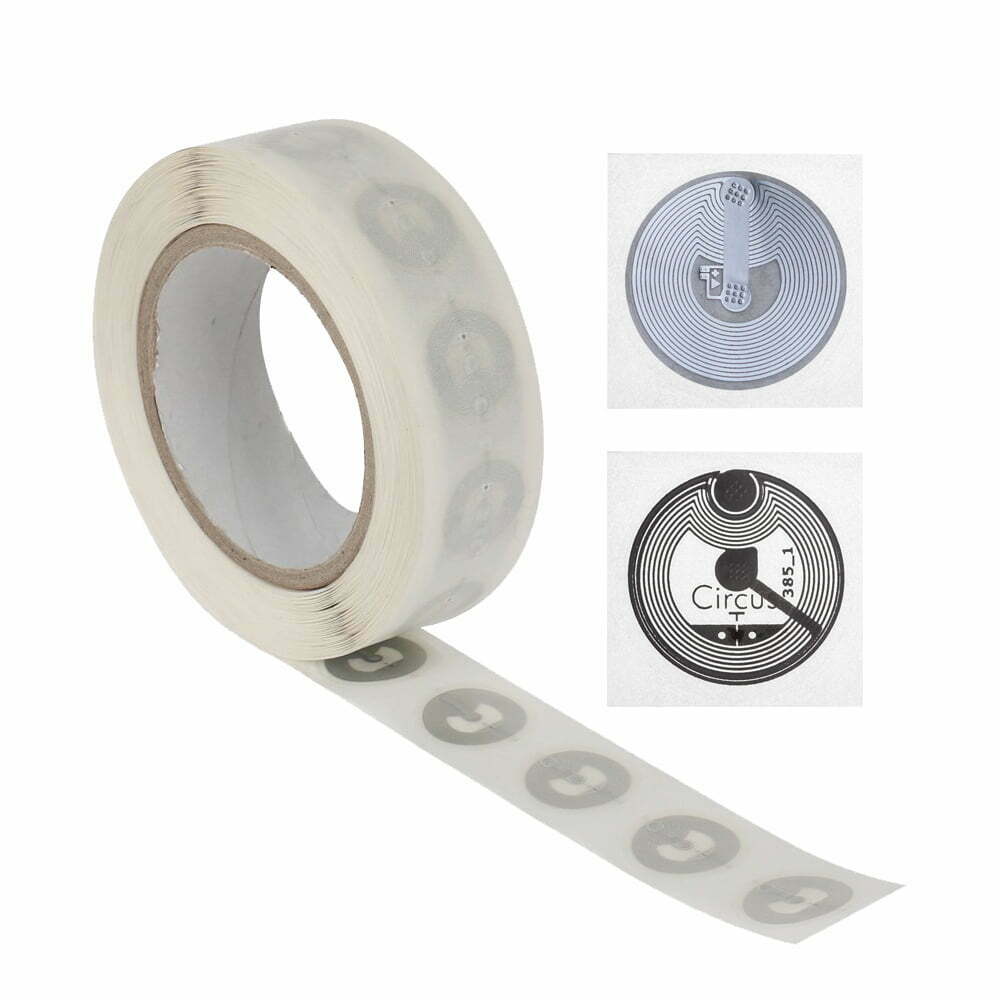
RFIDHY, fornecedor líder de hardware RFID e soluções de integração, fornece os principais componentes necessários para um projeto DPP bem-sucedido. Seu alto desempenho RFIDHY Incrustações RFID UHF são projetados para ambientes agressivos, garantindo captura confiável de dados sobre EPI, como capacetes e roupas de proteção. Fazendo parceria com um fabricante confiável, as empresas podem garantir um fornecimento de etiquetas RFID duráveis, adequadas para ambientes industriais exigentes, fornecendo uma base física sólida para sua estratégia DPP.
Implementando Seu Sistema RFID-DPP: Um roteiro prático
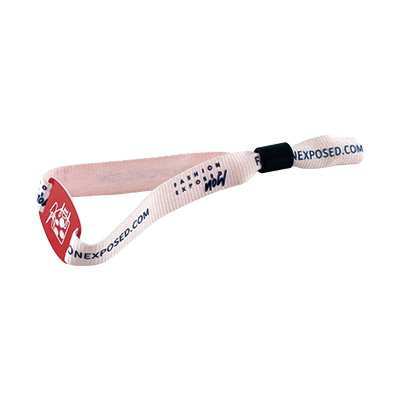
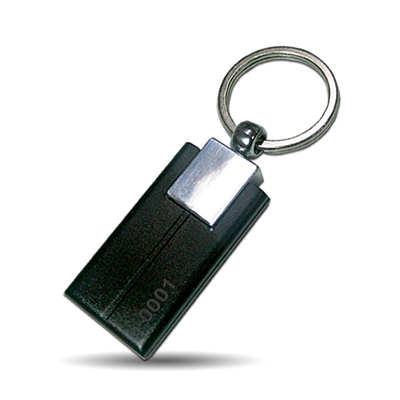
- Avaliação e seleção de tags: O primeiro passo é realizar uma avaliação abrangente de implementação de EPI RFID para determinar seus objetivos e selecionar tags apropriadas. Isto inclui escolher entre etiquetas RFID robustas para capacetes e flexíveis Etiquetas RFID para lavanderia para vestuário de segurança.
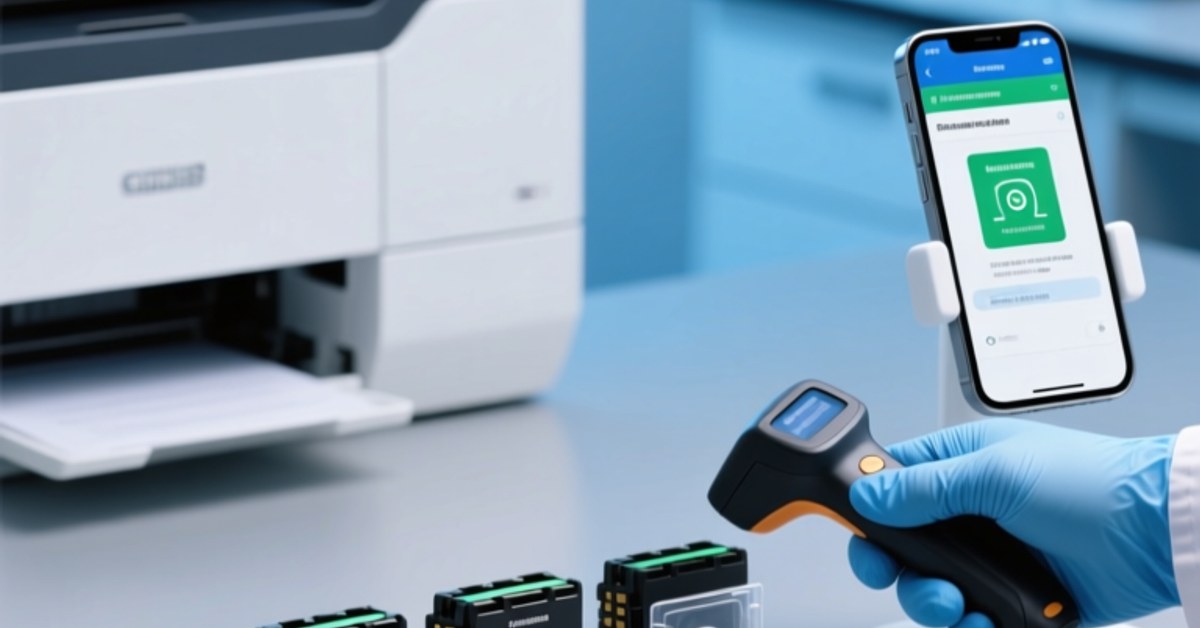
- Codificação e integração de dados: Cada etiqueta é codificada com um ID exclusivo e vinculada ao passaporte digital do produto em um banco de dados na nuvem. Isso requer middleware RFID avançado para gerenciamento de dados DPP e conexão dos leitores aos seus sistemas corporativos.
- Piloto e Escala: Comece com uma implantação piloto de RFID controlada para uma linha específica de produtos de EPI para validar o sistema antes de uma implementação em grande escala, permitindo otimização de processos e treinamento de funcionários.
Perguntas frequentes
1º trimestre: Quantos dados uma etiqueta RFID usada para DPP pode realmente armazenar?
Embora as etiquetas RFID UHF modernas usadas para DPP, como os da RFIDHY, não são projetados para grandes quantidades de conteúdo de arquivo, eles normalmente têm 128 para 512 bits de memória do usuário. Isso é suficiente para armazenar identificadores exclusivos e dados importantes do produto, enquanto a maior parte restante das informações do DPP é armazenada em um banco de dados em nuvem vinculado.
2º trimestre: Os dados na etiqueta RFID são seguros e privados??
Sim, a segurança é uma pedra angular da estrutura DPP. Os dados na tag podem ser criptografados, e acesso a diferentes níveis de informações de passaporte (Por exemplo, para consumidores, recicladores, e reguladores) pode ser controlado através de uma plataforma digital vinculada, garantindo acesso seguro a dados DPP baseados em RFID.
3º trimestre: Qual é o retorno típico do investimento (ROI) para implementação de DPP RFID em equipamentos de proteção individual (EPI)?
O ROI pode ser alcançado por meio de vários canais: reduzindo o esforço manual em inventário e relatórios de conformidade, eliminando perdas relacionadas à falsificação, e a criação de novos fluxos de receitas da economia circular. A maioria das empresas pode obter um retorno total destas medidas de eficiência combinadas dentro de 18-24 meses.
Conclusão: Da compulsão regulatória à liderança de mercado
O DPP da UE é mais do que apenas um obstáculo regulatório; é um catalisador para a transformação digital na indústria de EPI. Ao adotar uma solução estratégica de passaporte de produto digital RFID PPE, empresas com visão de futuro podem garantir acesso contínuo ao mercado e, ao mesmo tempo, melhorar a eficiência, proteção da marca, e confiança do cliente. Agora é a hora de construir uma transparência, sustentável, e cadeia de fornecimento de EPI inteligente.
Para mais informações,por favor Contate-nos.