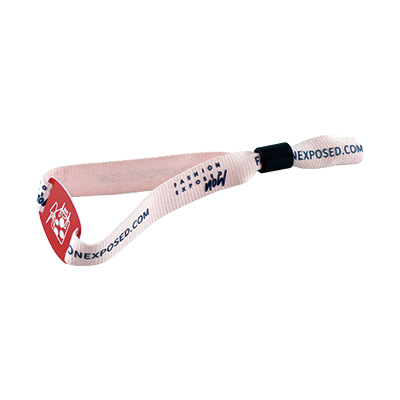
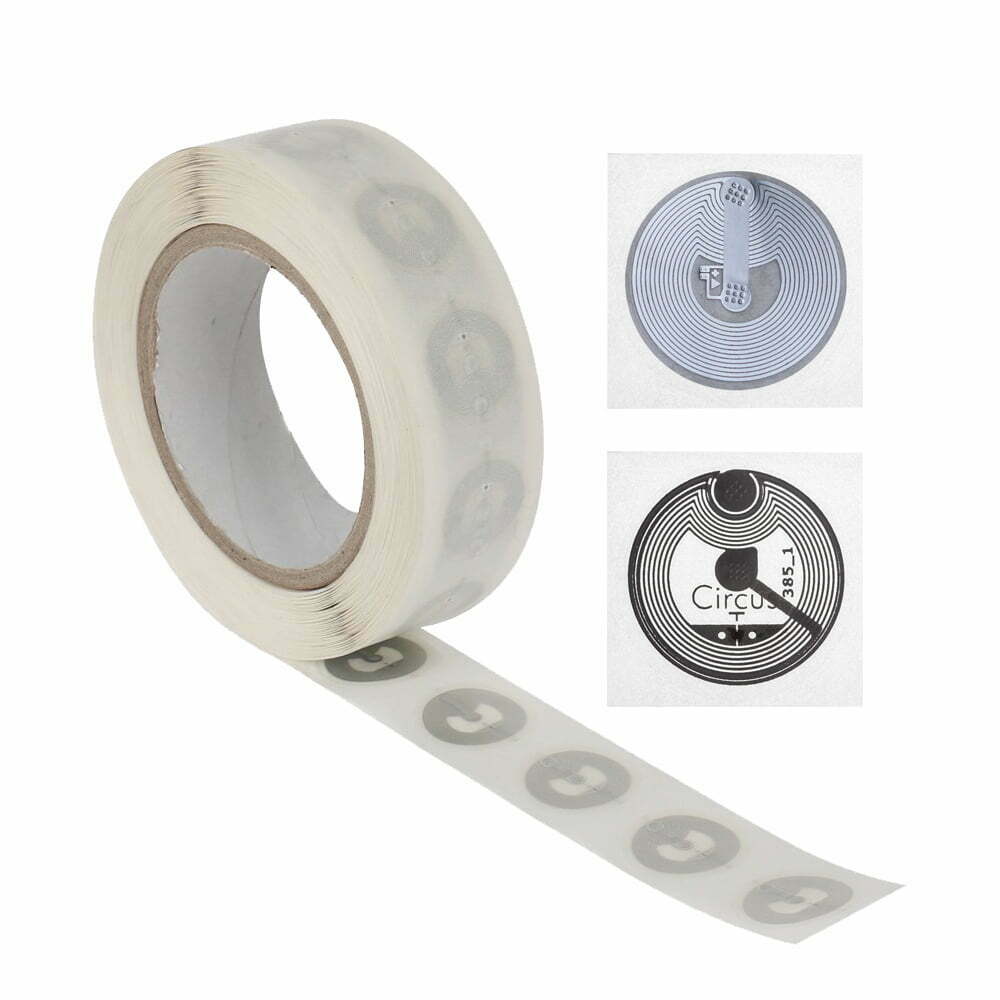
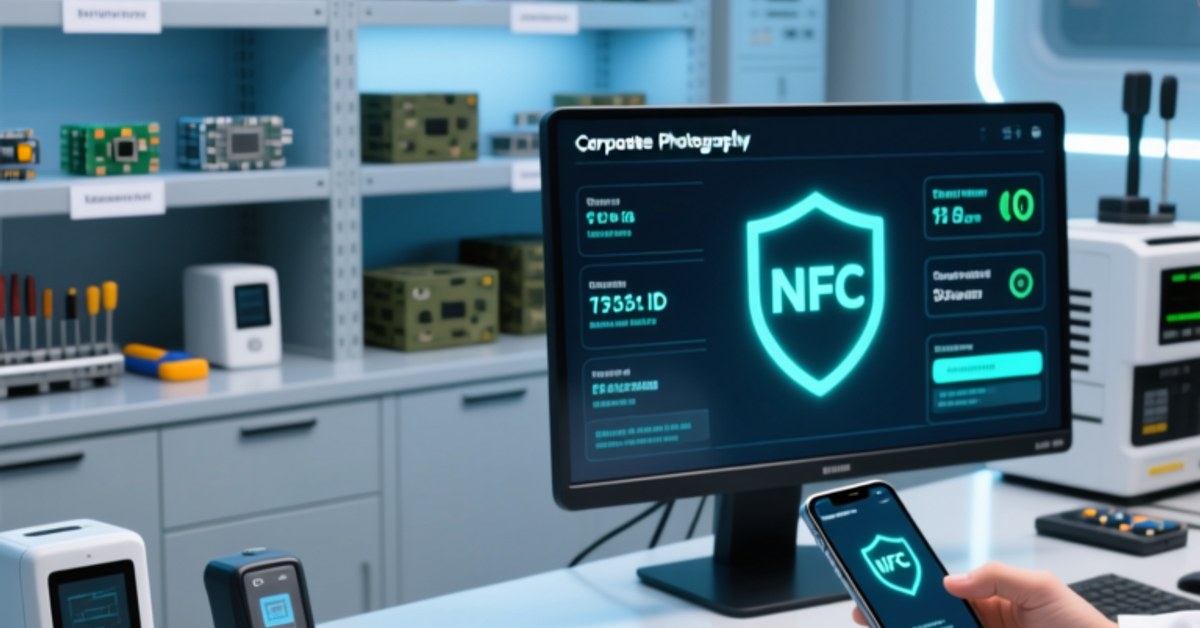
Chinese garment exporters can comply with the EU textile Санарип продукт паспорту by attaching an Nfc Tag to each garment or batch and resolving that tag to a structured DPP record containing fibre composition, келип чыгышы, chemical and care data, repair guidance, and end-of-life routing. The tag itself stores a compact identifier; the full dataset lives in a resolvable backend so it can be updated as the product moves through distribution and resale. NFC is preferred over printed QR codes for DPP carriers because it works without line-of-sight, survives laundering when properly encapsulated, and can cryptographically prove the item is genuine.
For Chinese cut-make-trim suppliers and garment factories, the practical challenge is not generating compliance data but delivering it in the exact structure an EU brand owner expects. Brand owners consolidate DPP records from dozens of suppliers, and a spreadsheet emailed at shipping time cannot be reconciled with the physical carton that arrives three weeks later.
A tag-resolved record closes that gap. When the brand, a repair shop, or a recycler taps the garment label, the same identifier resolves to the current version of the passport. Our guide to textile DPP implementation explains the data model behind this approach.
What the EU Textile DPP Requires From Chinese Suppliers
The Ecodesign for Sustainable Products Regulation introduces a Digital Product Passport for textiles and apparel, with phased application. The passport is a structured dataset rather than a marketing page, and it must be accessible through a data carrier on the product.
Data Fields Suppliers Must Be Ready to Supply
Chinese factories should be able to provide fibre composition percentages, material origin and mill identification, restricted-substance and chemical compliance declarations, care and repair instructions, durability information, and end-of-life or recycling routing. Traceability through textile lifecycle traceability shows how these fields are typically linked to a physical identifier.
- Fibre composition and material origin per SKU or lot.
- Chemical compliance and restricted-substance declarations.
- Care, repair and spare-part information for durability claims.
- Recycled-content and end-of-life routing data.
- Unique item or batch identifier that survives distribution.
Why NFC Outperforms QR Codes as a DPP Carrier
A printed QR code is cheap, but it must be visible, clean, and flat to scan. Garment labels are folded, жууган, and often hidden inside seams. NFC reads through fabric and packaging, needs no camera alignment, and works on a label that has been through a domestic wash cycle.
Authentication Is a Second Requirement
Counterfeit garments routinely reproduce QR codes perfectly. A secure NFC Chip with SUN authentication generates a one-time code per tap, so a copied label cannot pass verification. The comparison in NFC vs QR DPP carriers sets out the durability and security trade-offs in detail.
| Ташуучу | Fit for textile DPP | Limitation |
|---|---|---|
| Printed QR code | Low-cost consumer access and fallback | Clonable; needs line-of-sight; degrades after washing |
| NFC түрү 2 (plain memory) | Cheap item-level identifier | UID can be copied; no cryptographic proof |
| Алегат 424 ДНК | Verifiable authenticity plus DPP resolution | Бирдиктин баасы жогору; requires key management |
| Washable HF inlay / hard tag | Long-life garment or workwear identification | Must be validated for wash temperature and detergents |
A Step-by-Step Rollout for a Chinese Garment Factory
Start at the SKU level, not the factory level. Define which data the brand owner consumes, agree an identifier scheme, then validate the tag physically before committing to volume.
Validation Before Volume Procurement
Run tagged samples through industrial laundering, dye-finishing, and packing. Measure read range on the finished garment, жылаңач инстрацияда эмес. Then pilot one style with one EU buyer and confirm their system resolves the identifier correctly.
- Agree the DPP field list and identifier format with the EU importer first.
- Choose the tagging unit: per item, per pack, or per carton.
- Select chip security based on whether external parties must verify authenticity.
- Test washable inlays through the actual finishing and laundering process.
- Define who may write records and who may only read them.
- Confirm the buyer system resolves the tag before scaling.
Cost and Operational Realities
The incremental cost per garment is small relative to the cost of a rejected shipment or a failed brand audit, but it is not zero. Factories should budget for inlays, коддоо, a verification service if secure chips are used, and a short line-side tap step at packing.
When a Batch-Level Tag Is Enough
For low-value basics, a carton-level or pack-level identifier with a parent-child data model is often sufficient. Reserve item-level secure tags for premium styles, resale programmes, and products with warranty or repair obligations.
Suppliers that build this capability early can offer it as a service to brand owners rather than absorbing it as pure compliance cost. The broader commercial logic is covered in textile DPP implementation.
FAQ
Do Chinese garment exporters need a DPP for every single item?
Сөзсүз эмес. The tagging unit depends on the product category and the buyer’s data model. Item-level tagging is common for premium and resale-linked garments; carton or pack-level identifiers with parent-child records are acceptable for many basics. Confirm with the EU importer.
Is NFC mandatory for the EU textile DPP?
Жок. The regulation specifies a data carrier, not a single technology. NFC, QR and other carriers can be used. NFC is chosen where durability, tap convenience and cryptographic authentication matter.
Can a QR code be used alongside NFC?
Ооба, and it is common. A printed QR provides a low-cost fallback for consumers, while the NFC tag carries the secure identifier and authentication function.
What data must a Chinese factory actually hold?
Минималдуу: fibre composition, material origin, chemical compliance, care and repair guidance, durability information and end-of-life routing, linked to a stable identifier. Exact field lists should be agreed with the brand owner.
Will the tag survive industrial laundering?
Only if specified and validated. Use washable HF inlays or hard tags rated for the actual wash temperature and detergent, and test on the finished garment through repeated cycles before volume procurement.
Prepare Your Garment Line for the EU Textile DPP
NFCWORK Technology NFC тэгдерин камсыз кылат, washable NFC inlays, NFC стикерлери and RFID labels for apparel and textile DPP programmes. We can help you define the tagging unit, select a chip and housing, and validate read performance on your actual fabric and finishing process.
Биз менен байланышыңыз талаптарын талкуулоо үчүн, же биздин изилдөө NFC өнүмдөрү жана чечимдер.