With the deepening implementation of the new EU Battery Regulation (EU 2023/1542), the Digital Product Passport (Battery Passport, DPP) is transforming from a policy blueprint into a mandatory requirement for battery companies worldwide. By February 2027, all industrial and power batteries sold in the EU must have a unique “digital twin” record.
Who is worried about compliance?
According to EU regulations, power batteries (electric vehicles) and light mobility vehicle (LMT) batteries with a capacity exceeding 2kWh must be connected to the DPP via QR codes or physical carriers. This means companies must record real-time data throughout the entire supply chain, from raw material extraction (lithium, cobalt, nickel), production and assembly, lifespan (SoH health status), to final recycling.
Why is RFID the preferred physical solution for battery DPP?
While regulations mention QR codes, RFID tags are increasingly becoming the ultimate solution in extreme industrial and consumer environments due to the following advantages:
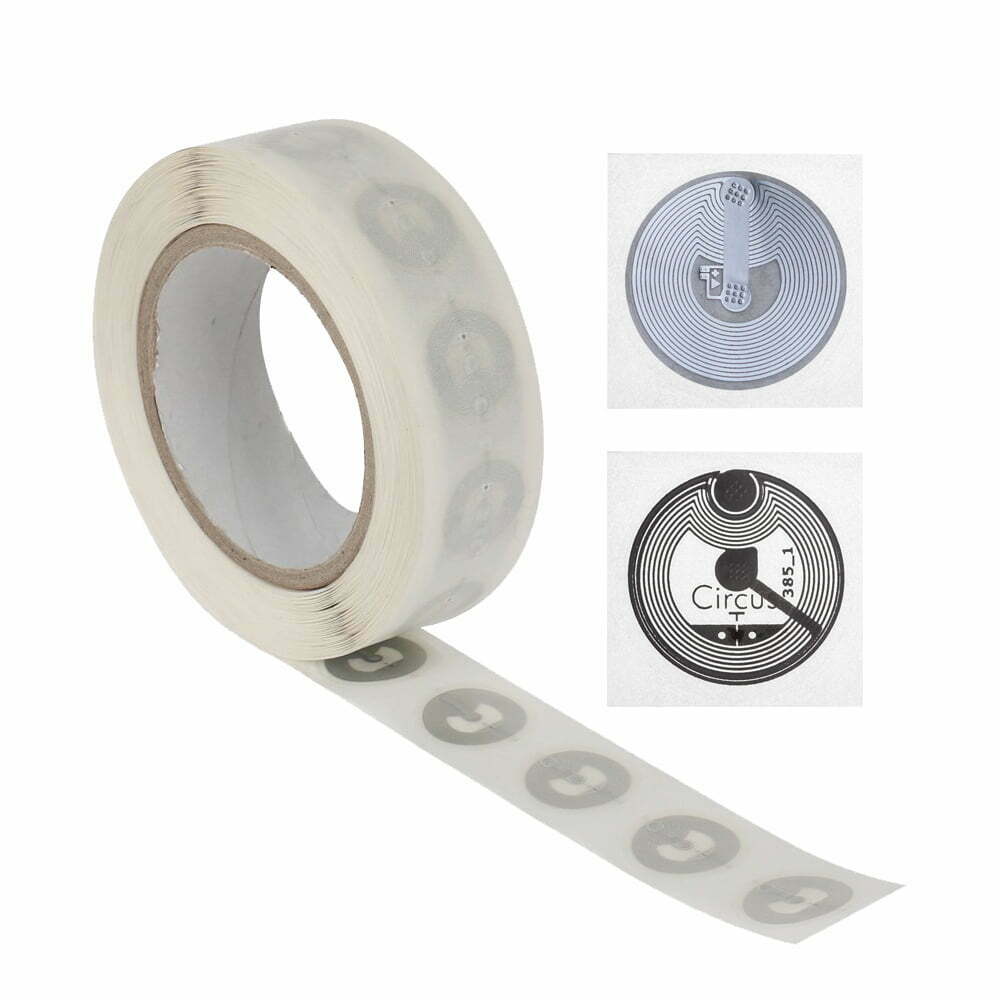
- Durability in extreme environments: Batteries face challenges such as high temperatures, acid and alkali corrosion, and vibration during use. Compared to easily worn printed carriers, embedded RFID chips can withstand high temperatures and ensure data readability throughout their entire lifespan of over 10 years.
- Contactless bulk reading: In the recycling phase, mountains of used batteries accumulate. Using UHF RFID tag technology, recyclers can scan battery components in bulk without opening the packaging, increasing recycling efficiency by approximately 80% compared to manual scanning.
- Dynamic data updates: Battery state of health (SoH) and charge/discharge cycle count are core components of DPP. By using read/write RFID tags for inventory solutions, this data can be dynamically written to the hardware, ensuring information authenticity even offline.
RFIDHY: Helping Battery Companies Overcome Compliance Barriers
As a leading global RFID solutions expert, RFIDHY provides customized asset tracking RFID tags for numerous battery brands expanding into international markets. We not only offer high-performance, competitively priced anti-metal RFID tags and hardware, but also help companies establish transparent supply chain traceability systems through software integration with the DPP platform.
Conclusion: Digital Transformation is Imperative
According to ABI Research, by 2027, more than 5 million electric vehicles in Western Europe will be equipped with digital battery passports. Adopting advanced printable RFID tag technology is not only about meeting compliance requirements, but also key to enhancing brand value and achieving data transparency.
For more information,please contact us.