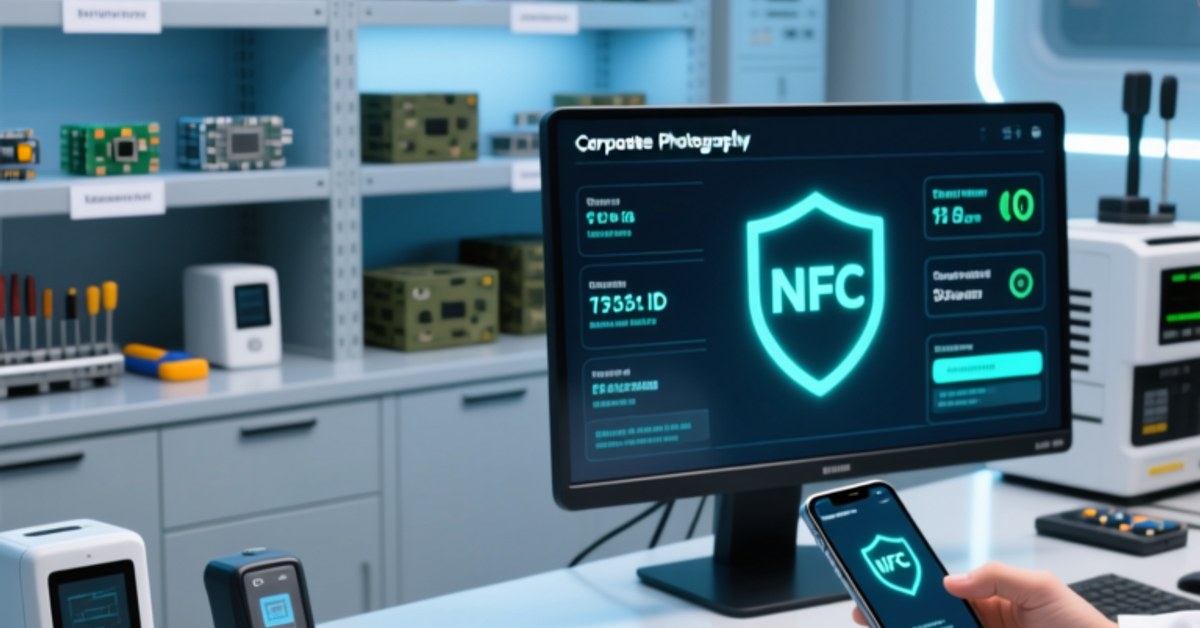
Chinese auto-parts suppliers can address EU ELV and automotive Дпп requirements by attaching an on-metal NFC-тег to each component and resolving it to a structured record containing part identity, состав материала, substance declarations, manufacturing genealogy, repair history and dismantling or recycling guidance. On-metal construction is essential because a standard NFC inlay will not read reliably on a steel or aluminium housing. The tag should carry a stable identifier while the record stays updatable through service and end-of-life handling.
European vehicle regulations increasingly require component-level material and circularity data, while OEMs separately demand genealogy for recalls and warranty. Chinese Tier-2 and aftermarket suppliers receive both requests, often in different formats.
A single resolvable identifier per part can serve both. The approach in automotive parts DPP shows how Дпп records are structured for automotive components, и counterfeit auto parts covers the counterfeit-aftermarket problem that the same tag can solve.
ELV and Automotive DPP: What Suppliers Must Supply
End-of-life vehicle rules require material and substance information and support dismantling and recovery targets. Automotive DPP concepts extend this with part identity, переработанный контент, repairability and lifecycle records. Exact obligations depend on the vehicle programme and the OEM.
Fields Typically Requested by OEMs
Expect part number and revision, manufacturing site and batch, material and coating composition, restricted-substance declarations, переработанный контент, torque or installation data where relevant, and dismantling instructions. Confirm the current regulatory scope with your importer or OEM.
- Part identity, revision and manufacturing genealogy.
- Material composition and restricted-substance declarations.
- Recycled content and dismantling guidance.
- Ремонт, warranty and service history.
- Counterfeit verification for the independent aftermarket.
Why On-Metal NFC Is a Design Requirement
A metal housing detunes a standard HF antenna, reducing read range to near zero. On-metal tags use a ferrite layer or a tuned antenna design to isolate the coil from the metal surface.
| Tag type | Fit | Ограничение |
|---|---|---|
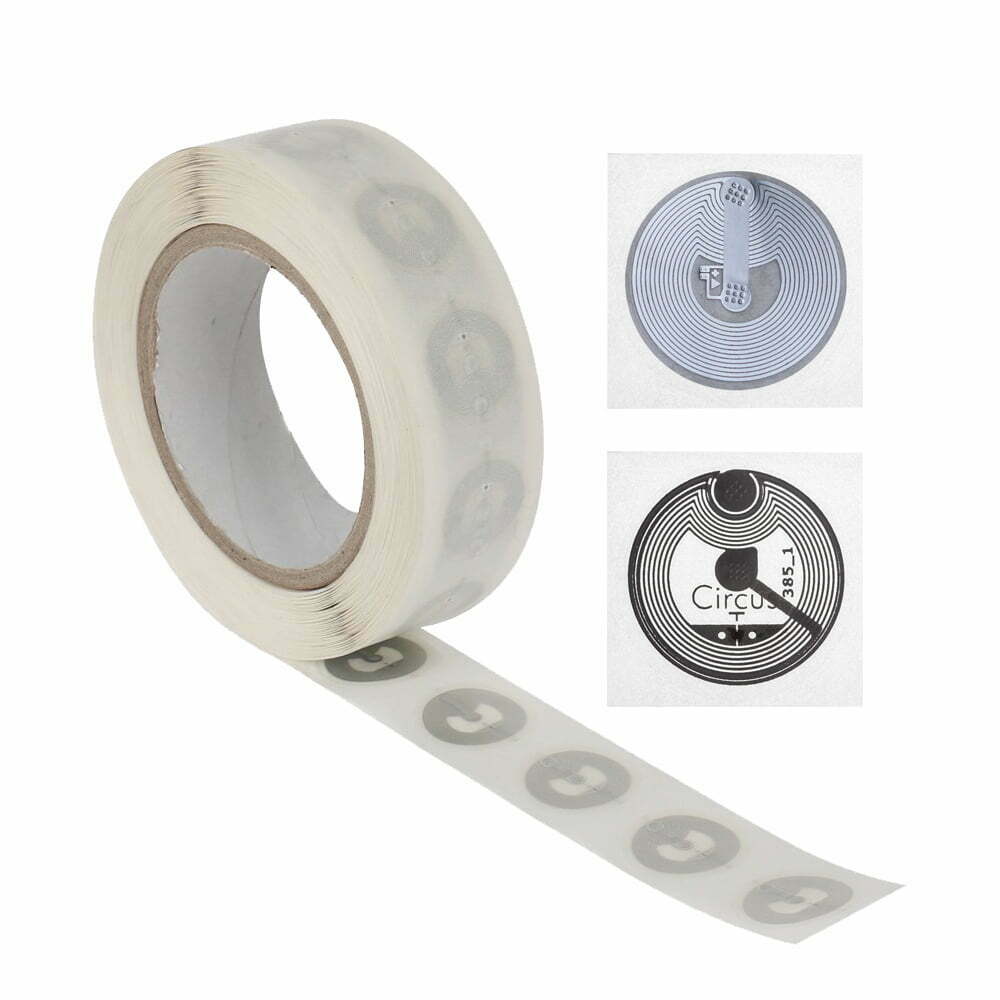
| Standard paper NFC inlay | Plastic housings, упаковка, этикетки | Fails or reads poorly on metal |
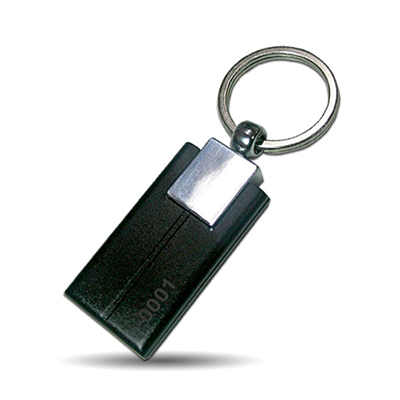
| Ferrite-backed on-metal NFC | Steel and aluminium components | Thicker; needs placement validation |
| Hard epoxy NFC-тег | Harsh under-hood or exterior conditions | Более высокая стоимость единицы; mechanical mounting |
| УВЧ RFID + NFC dual | High-throughput gate plus tap verification | Two reader infrastructures |
Combating Counterfeit Parts in the Aftermarket
Copied packaging and cast markings make counterfeit components difficult to detect at the point of fitting. A secure NFC chip provides a cryptographic check that a printed part number cannot, protecting both drivers and brand reputation.
Placement and Durability Validation
Validate the tag on the finished component through heat cycling, oil and solvent exposure, vibration and corrosion. Guidance on marking metal objects with RFID applies to metal-surface marking, пока counterfeit auto parts covers the commercial impact of counterfeit parts.
- Choose ferrite-backed or hard tags for metal housings.
- Test read range on the fully assembled part, not a bare inlay.
- Validate through heat, масло, vibration and corrosion exposure.
- Keep the identifier readable after installation and service.
- Define who may write repair and warranty events.
From Component Genealogy to Circular Economy
A resolvable part identifier is useful long after the vehicle is sold. Dismantlers need material data, remanufacturers need service history, and OEMs need recall scope. The same record serves all three if the write policy is controlled.
One Identifier, Many Consumers
Agree a single authoritative record per part and avoid parallel datasets at each supply-chain party. Fragmented records weaken both compliance evidence and warranty defence.
Suppliers able to deliver both material declarations and verifiable authentication reduce incoming inspection effort for OEMs, which is a tangible advantage in supplier selection.
Часто задаваемые вопросы
Do ELV rules require NFC tags on auto parts?
Нет. They require material, substance and circularity information. NFC is a data carrier that makes those records physically verifiable on the component.
Why does a normal NFC tag fail on a metal part?
Metal detunes the HF antenna and absorbs the field, dropping read range. Ferrite-backed on-metal tags or tuned hard tags isolate the coil from the metal surface.
Can one tag support both compliance and anti-counterfeiting?
Да. A stable identifier resolves to the compliance record, while a secure chip adds cryptographic authenticity verification for the aftermarket.
What should Chinese Tier-2 suppliers confirm with the OEM?
The exact field list, identifier format, who writes repair events, and whether secure authentication is required. Requirements differ by vehicle programme.
Does the tag need to survive the whole vehicle life?
It should remain readable through service and dismantling where practical. Validate adhesion and housing through heat, масло, vibration and corrosion testing.
Equip Your Components for ELV and DPP Compliance
NFCWORK Technology supplies on-metal NFC tags, ferrite-backed inlays, rugged HF RFID labels and readers for automotive components. We can help you select a tag construction and validate reads on your finished parts.
Связаться с нами чтобы обсудить ваши требования, или изучите наш NFC-продукты и решения.