EU-forordningen om økodesign for bæredygtige produkter (ESPR) bevæger sig ud over rammesprog og over i produktspecifikke delegerede retsakter. For forbrugerelektronik producenter og eksportører, at skiftet drejer forbrugerelektronik DPP fra et politisk emne til et operationelt planlægningspunkt. Smartphones, tabletter, husholdningsapparater, wearables, og andre tilsluttede enheder er højt prioriterede kandidater, fordi de kombinerer ressourcekrævende fremstilling, kritiske råvarer, og korte innovationscyklusser, der genererer betydeligt e-affald.
Denne artikel forklarer den forventede EU-tidslinje for økodesignelektronik, de datafelter, der sandsynligvis vises i en smartphone produkt pas eller apparatets bæredygtighedsdata optage, og hvordan NFC-baseret identifikation kan blive det forbrugervendte lag for overholdelse. Det opstiller også en praktisk 2030 beredskab køreplan for teams, der skal handle, før formelle delegerede retsakter offentliggøres.
Til baggrund, se vores Digital Product Passport løsninger og det relaterede batteripas vejledning.
Hvorfor forbrugerelektronik er den næste DPP-grænse
ESPR erstatter det gamle Ecodesign-direktiv og udvider fokus ud over energieffektivitet til holdbarhed, reparationsevne, genanvendelighed, og digital sporbarhed. Elektronik passer direkte til den dagsorden. En enkelt enhed kan indeholde snesevis af materialer, flere indlejrede batterikomponenter, og en kompleks servicekæde. Uden fælles digital journal, reparatører, genbrugere, og myndigheder kan ikke nemt kontrollere, om et produkt opfylder nye cirkularitetsforpligtelser.
EU har allerede indført separate krav til batteripas, og tekstil DPP arbejdet er i gang. Til elektronik, forventningen er, at fremtidige delegerede retsakter vil definere kategorispecifikke DPP-krav under ESPR. Mærker, der forbereder sig nu, vil kunne genbruge datamodeller, leverandørerklæringer, og NFC-databærervalg i stedet for at starte fra nul.
Læs tekstiler og beklædning DPP implementeringsvejledning for paralleller i dataindsamling og NFC-placering.
EU's ESPR-tidslinje og elektronikudvidelse
ESPR trådte i kraft d 18 juli 2024. Dets produkt-for-produkt-udrulning afhænger af delegerede retsakter vedtaget af Europa-Kommissionen. Den første ESPR-arbejdsplan identificerer prioriterede produktgrupper, og elektronik forventes i vid udstrækning at blive behandlet gennem efterfølgende arbejdscyklusser. Mens formelle datoer kan skifte, retningen er klar nok til, at en overholdelsesplanlægningshorisont kan 2030.
>
| Vejledende periode | Forventet udvikling | Hvad elektronikmærker skal gøre |
|---|---|---|
| 2024–2025 | ESPR-ramme i kraft; arbejdsplan og høringsaktivitet | Kortlæg produktkategorier, indsamle basismateriale og reparationsdata |
| 2026–2027 | Delegerede retsakter for indledende elektronikproduktgrupper forventes | Pilot DPP datastrukturer og test NFC carrier integration |
| 2028–2029 | De første DPP-forpligtelser begynder for udvalgt elektronik | Tilslut live produktdata og valider på EU-salgssteder |
| 2030 | Et bredere elektronikområde forventes | Skaler på tværs af produktlinjer og opdater service-/genbrugsarbejdsgange |
Denne tabel er et planlægningsbillede, ikke en lovlig tidsplan. Det afgørende er, at NFC-arbejdsgange og produktdatasystemer skal være designet til forandring, fordi hver delegeret retsakt kan tilføje eller forfine datafelter.
Hvilke datafelter vil en elektronik DPP kræve?
De endelige delegerede retsakter vil bestemme nøjagtige felter, men kørselsretningen peger mod en struktureret registrering, der dækker produktidentitet, cirkularitetsydelse, farlige stoffer, batterioplysninger, og udtjent håndtering. Følgende domænevisning hjælper teams med at begynde dataindsamling i dag.
- Produktidentitet: unikt produkt-id, model, batch- eller serienummer, fremstillingsdato, og oplysninger om fabrikanten eller autoriseret repræsentant.
- Reparationsevne og reservedele: reparationsscore eller vurdering, reservedels tilgængelighedsperiode, reparationsmanualer, og autoriserede reparationsmuligheder.
- Batteridata: batterikemi, kapacitet, CO2-fodaftryk, genbrugsindhold, og instruktioner om fjernelse/udskiftning, henviser til den separate EU batteripas.
- Materiale afsløring: genbrugsindhold, kritiske råstoffer som kobolt, lithium, tantal, og sjældne jordarter, plus erklæringer om farlige stoffer.
- Overholdelse og dokumentation: EU-overensstemmelseserklæring, økodesign ydeevne klasse, energieffektivitet, og software/firmware-supportforpligtelser.
- Vejledning i end-of-life: demontering, samling, genbrug, og tilbagetagelsesoplysninger.
Reparations- og reservedelsdata i praksis
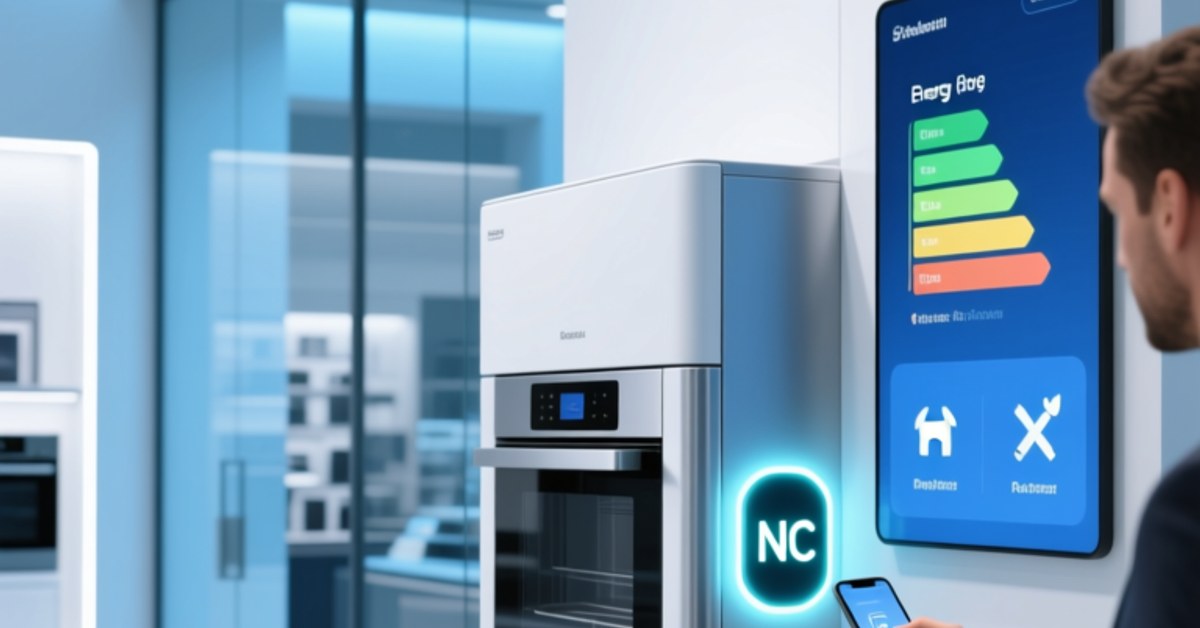
EN smartphone produkt pas indeholder sandsynligvis mere end en statisk etiket. Til en reparationstekniker, DPP skal vise, hvor længe reservedele vil være tilgængelige, hvilke værktøjer der kræves, om softwareopdateringer forbliver aktive, og hvilke reparationstrin der er tilladt uden at annullere garantien. Til husholdningsapparater, apparatets bæredygtighedsdata kan indeholde ledningsdiagrammer, motorspecifikationer, og energirelaterede servicebulletiner.
Fordi disse oplysninger ændres i løbet af produktets levetid, DPP kan ikke leve udelukkende i trykt dokumentation. En fysisk NFC -tag eller NFC-indlæg på produktet kan bære et unikt ID og link til en cloud-hostet registrering, som producenterne opdaterer som reparationspolitikker, tilgængelighed af reservedele, og genbrugsinstruktioner udvikler sig.
Batteri- og materialeoplysning
Elektronik DPP'er vil krydse EU's batteriforordning. Et smartphone- eller apparatpas kan referere til batteripasset i stedet for at duplikere hvert batteridatafelt. Imidlertid, elektronikjournalen bør stadig vise vigtige detaljer på forbruger- eller reparationsniveau: instruktioner om fjernelse, batterikemi, og om reservedele er tilgængelige.
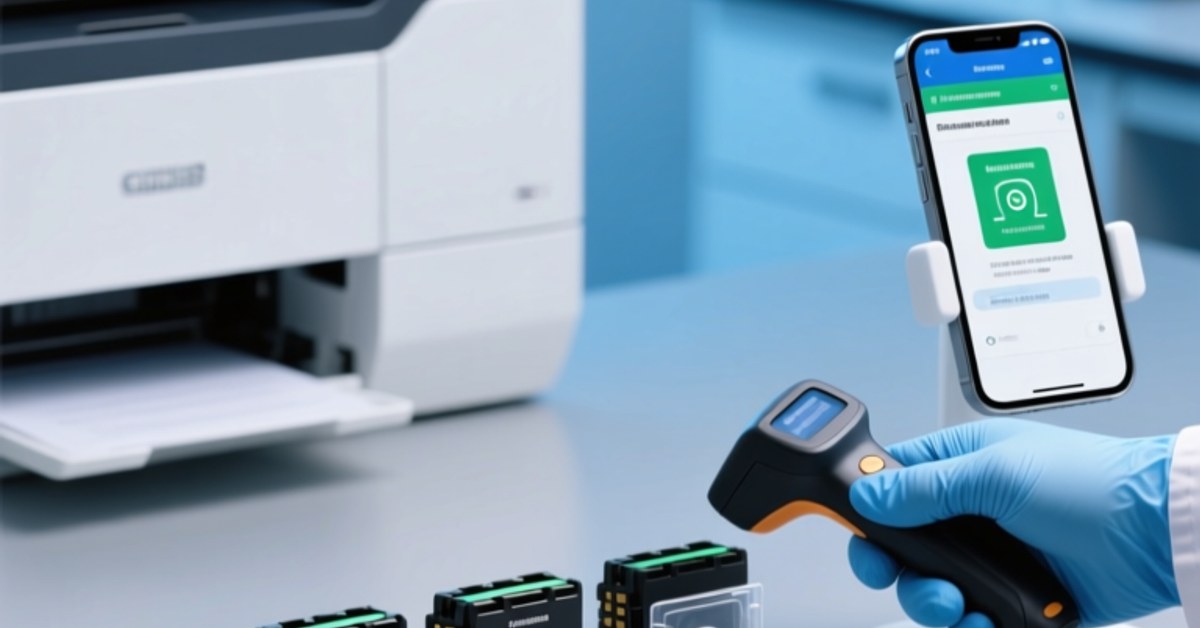
Materialeoplysning støtter genbrugere og hjælper med at demonstrere overholdelse af cirkularitetsmål. DPP-datastrukturen kan opbevare deklarationer for genbrugsindhold og kritiske råmaterialer. Til sporbarhed på komponentniveau, NFC -tags og UHF RFID tags kan bruges på forskellige niveauer: UHF RFID til logistik og lagersporing, NFC til eftersalgsinteraktion med forbrugere og adgang til overholdelse. Håndholdte RFID-læsere kan fange hændelser på komponentniveau under fremstilling og reparation, mens det endelige forbrugerprodukt bærer en NFC-databærer.
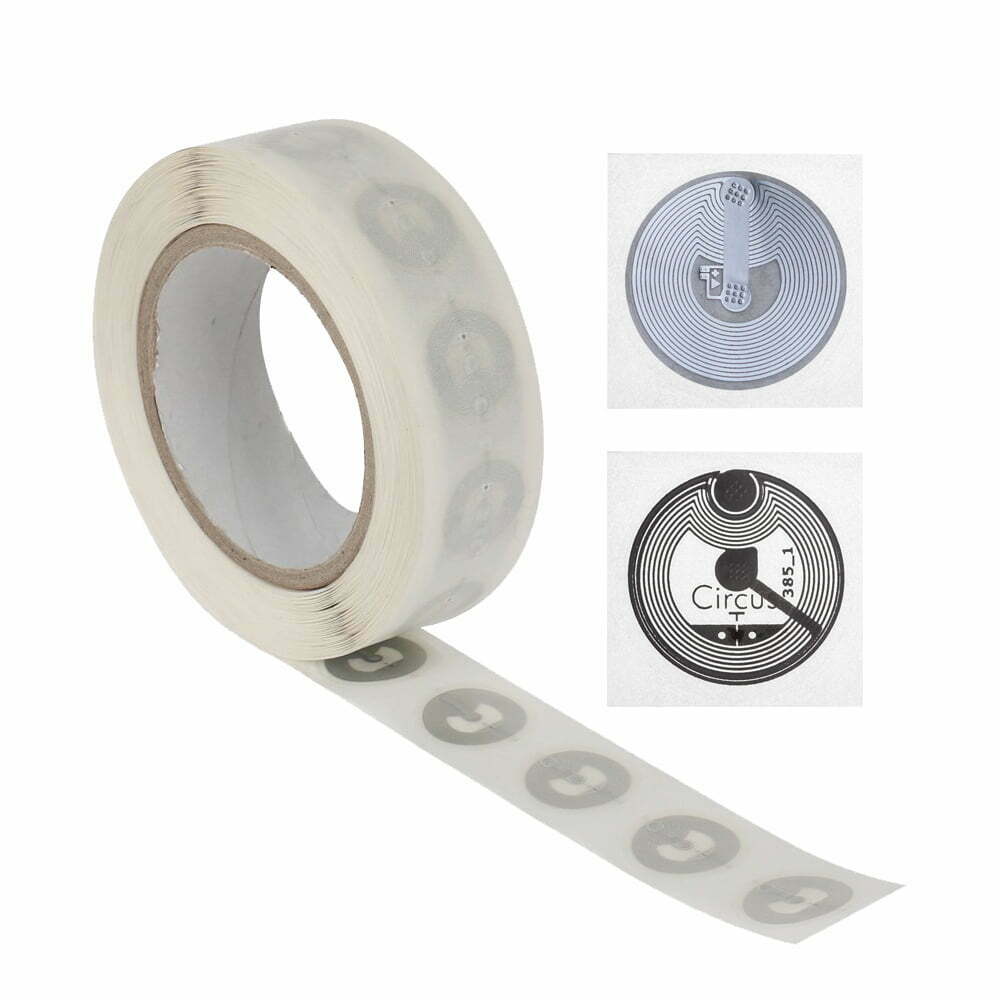
RFIDHY tilbud UHF RFID tags og håndholdte RFID læsere for forsyningskædesporbarhed, og NFC -tags, NFC -klistermærker, og NFC-indlæg for DPP-adgang på produktniveau.
Hvorfor elektronikoverholdelse NFC fungerer som DPP-databærer
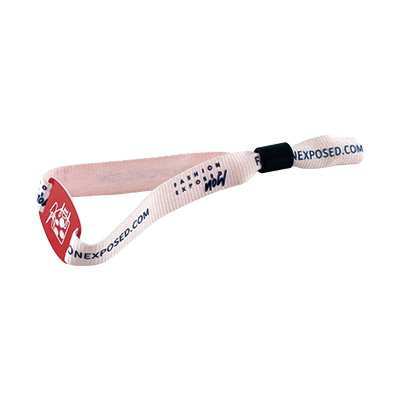
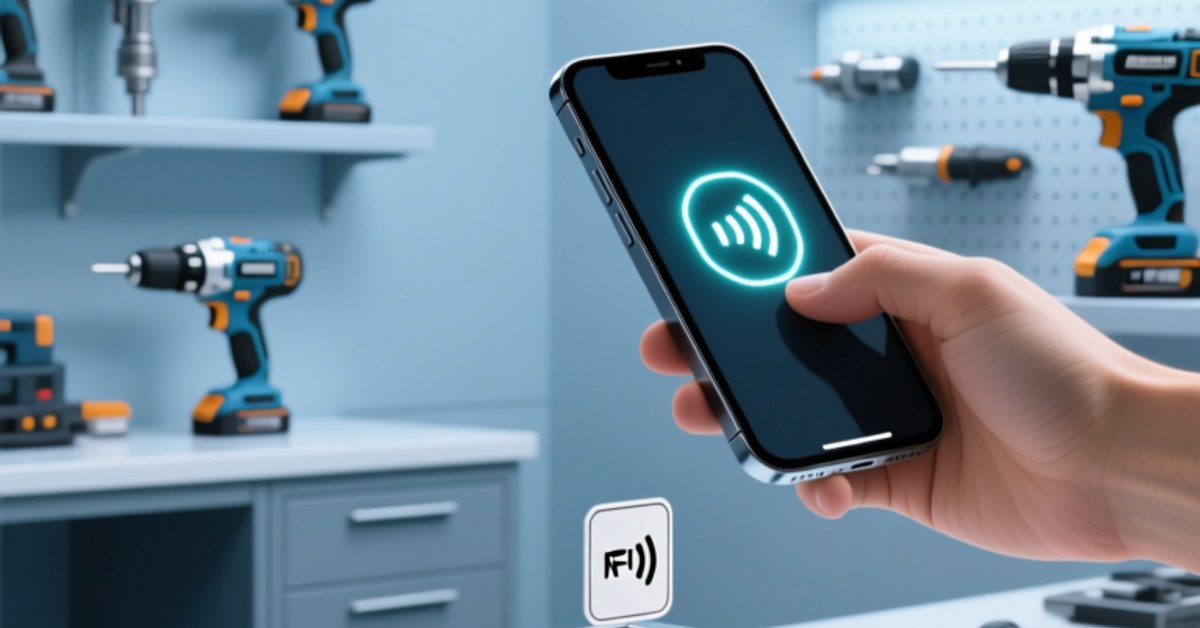
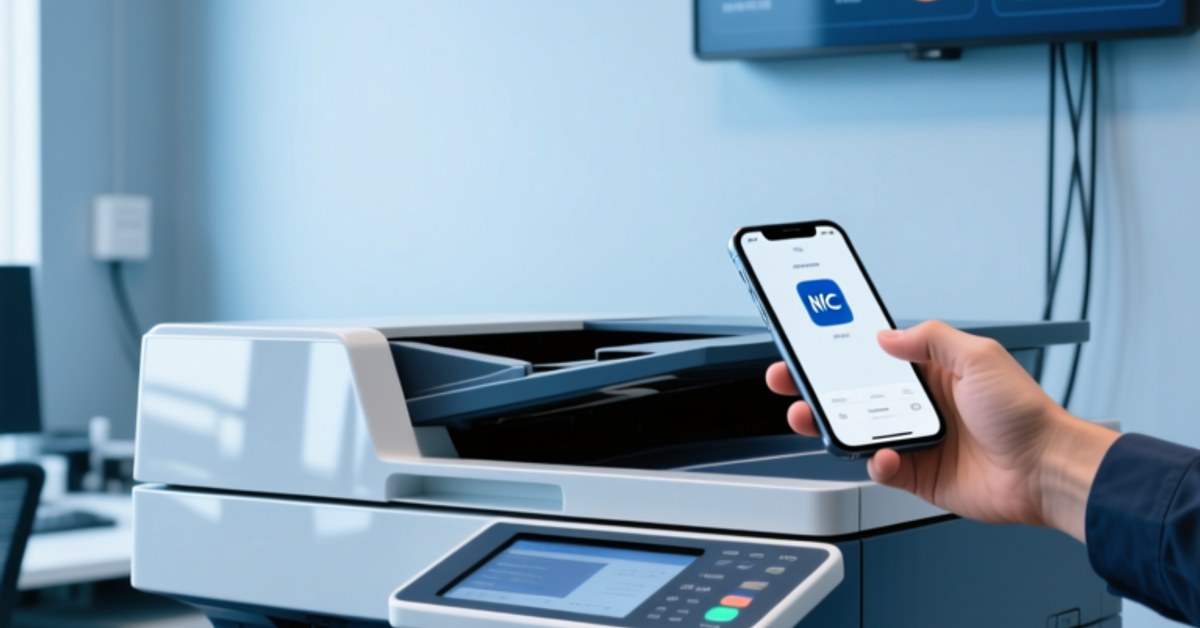
ESPR tillader forskellige databærere, herunder QR-koder og NFC. NFC har praktiske fordele for forbrugerelektronik, fordi tagget forbliver læsbart, selvom en trykt QR-kode slides, er dækket, eller er for lille. Et NFC-tag eller NFC indlæg kan indlejres i produkthuset, under en etiket, eller inde i emballagen. Når der trykkes på med en NFC-aktiveret smartphone, den kan åbne den seneste DPP-record uden at kræve en proprietær app.
NFC-tags understøtter også unikke ID'er og kryptografisk godkendelse. Til premium elektronik, dette hjælper mærker med at skelne ægte DPP-links fra forfalskede etiketter. Det samme tag kan understøtte service efter salg, såsom garantibekræftelse, reparationsbooking, og renoveringssporing.
Implementering køreplan: 2025–2030
En praktisk parathedssekvens hjælper elektronikhold med at undgå en datascramble i sidste øjeblik. Køreplanen nedenfor fokuserer på data, transportør, og procesberedskab frem for at vente på den endelige lovtekst.
Trin 1: Opbyg en produktdatabaseline
Revidere materialet, batteri, reparation, og compliance-oplysninger, der allerede er tilgængelige i ERP, PLM, og leverandørerklæringer. Identificer huller i reparationsbarhed og end-of-life data. Udnævn en ejer til forbrugerelektronik DPP datakvalitet.
Trin 2: Definer DPP-databærerstrategien
Evaluer, om NFC-tags, NFC -klistermærker, eller NFC-indlæg passer bedst til hver produktlinje. Overvej tags kun til emballage til billigt tilbehør og indlejrede tags for høj værdi Smartphones, apparater, og wearables. Til logistikdrift, parre NFC-produkttags med UHF RFID tags og håndholdte UHF RFID-læsere hvor palle- eller synlighed på kartonniveau er påkrævet.
Trin 3: Pilot én produktfamilie
Vælg et produkt med overskuelig datakompleksitet og en klar tilstedeværelse på EU-markedet. Opret et minimum levedygtigt DPP-datasæt, tildele NFC-tags til en pilotbatch, og testscanning på salgsstedet, reparation, og end-of-life scenarier.
Trin 4: Integrer med registreringssystemer
Tilslut DPP-posten til ERP, PLM, garanti, og servicesystemer. Brug unikke tag-id'er til at linke fysiske serienumre til cloud-hostede poster. Automatiser opdateringer, når batteridata, reparationsmanualer, eller overensstemmelsesdokumenter ændres.
Trin 5: Valider og skaler til 2030
Kør en vurdering af compliance gap i forhold til kendte ESPR-krav og kommende delegerede retsakter. Udvid piloten på tværs af produktfamilier, uddanne EU-servicepartnere, og inkludere DPP-kontrol i eksportkvalitetsprocesser.
Fra politisk signal til operationel parathed
Den næste bølge af EU-regler for ecodesign-elektronik vil belønne producenter, der behandler DPP som et informationssystem, ikke en etiket. Ved at forberede forbrugerelektronik DPP datafelter, reparationsdokumentation, batterikrydsreferencer, og NFC-baseret produktidentifikation nu, brands kan reducere overholdelsesrisikoen og skabe en bedre eftersalgsoplevelse.
For mere om den muliggørende teknologi, besøg vores Digitalt produktpas overblik eller NFC produktside.
FAQ
Hvad er EU's digitale produktpas til forbrugerelektronik?
Det er en struktureret digital registrering, der vil ledsage mange forbrugerelektronikprodukter under EU Ecodesign for Sustainable Products Regulation. Det giver oplysninger om produktidentitet, reparationsevne, reservedele, batteridata, materialer, overensstemmelsesdokumenter, og udtjent håndtering, tilgængelig via en databærer såsom et NFC-tag eller QR-kode.
Vil elektronik DPP-regler gælde for smartphones og husholdningsapparater?
Ja, Smartphones, tabletter, husholdningsapparater, og lignende elektroniske produkter forventes at være omfattet af fremtidige delegerede retsakter under ESPR. Det nøjagtige tidspunkt vil afhænge af Europa-Kommissionens arbejdsplan, men mærker bør forberede sig på trinvise forpligtelser før 2030.
Kræver EU NFC for DPP-overholdelse?
ESPR giver ikke mandat til en bestemt transportør. QR-koder og andre maskinlæsbare transportører er mulige. Imidlertid, NFC-tags og NFC-indlæg giver holdbarhed, unikke ID'er, og en direkte tryk-for-åbne-oplevelse, gør dem praktiske til elektronik, der har brug for langtidsadgang til opdaterede overholdelsesdata.
Hvad er forskellen mellem batteripasset og elektronik DPP?
Batteripasset er et særskilt krav i henhold til EU's batteriforordning. En elektronisk DPP kan referere til batteripasset og inkludere nøgleforbruger- eller batterioplysninger på reparationsniveau, såsom instruktioner om fjernelse, kemi, og udskiftning tilgængelighed, i stedet for at duplikere det fulde batteridatasæt.
Hvordan kan NFC-tags understøtte apparatets bæredygtighedsdata, der ændrer sig over tid?
Et NFC-tag bærer et unikt produkt-id og links til en cloud-hostet DPP-post. Ved reparationsmanualer, tilgængelighed af reservedele, software support, eller ændring af genbrugsanvisninger, producenten opdaterer skyrekorden. Det fysiske NFC-tag forbliver det samme, så forbrugere og reparationsteknikere altid har adgang til den nyeste version.
Forbered din elektronikportefølje til den næste EU DPP-bølge
RFIDHY og NFCWORK understøtter forbrugerelektronikmærker med NFC-tags, NFC indlæg, UHF RFID tags, og læsearbejdsgange for produktsporbarhed og overholdelse. Vores team kan hjælpe dig med at vælge den rigtige databærer, designe en pilot, og tilslut din DPP til eksisterende systemer før 2030 deadline.
Udforsk Digital Product Passport-løsninger · Se NFC-produkter · Gennemse UHF RFID-tags og læsere · Kontakt vores team