Digital Product Passport vs. Traditional Product Label: A Strategic Shift for Enterprises
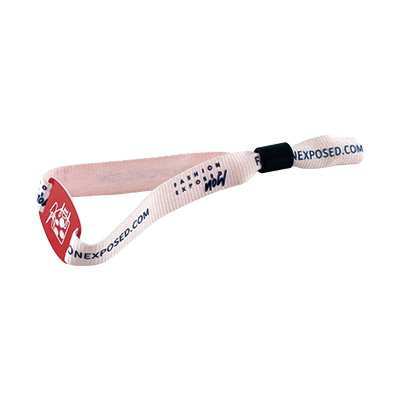
The European Union’s Digital Product Passport (DPP) is no longer a theoretical concept—it’s a regulatory imperative under the Ecodesign for Sustainable Products Regulation (ESPR). As deadlines approach for sectors including textiles, electronics, batteries, and furniture, enterprise leaders face a critical question: How does a DPP meaningfully differ from legacy product labeling—and why does that difference matter operationally, legally, and strategically? —Learn more about nfc event wristband.
Core Functional Differences at a Glance
>
| Feature | Traditional Product Label | Digital Product Passport (DPP) |
|---|---|---|
| Data Capacity | Limited to ~100–500 characters (printed text + QR code) | Unlimited—structured JSON-LD or GS1 Digital Link; supports images, certificates, maintenance logs, carbon footprint data |
| Information Type | Static: Fixed at time of printing | Dynamic: Updated in real time across lifecycle stages (manufacturing → distribution → repair → recycling) |
| Accessibility | Physical inspection only; QR codes require internet & app dependency | NFC-enabled: Tap-to-access on any NFC smartphone (no app, no internet required); also compatible with RFID taghy NFC tags and NFCWORK readers |
| Updateability | Immutable once printed; corrections require label reprints and manual replacement | Fully remote: Brands update compliance documents, firmware versions, or sustainability metrics instantly via cloud backend |
| EU ESPR Alignment | Non-compliant: Lacks verifiable, tamper-resistant, interoperable digital identity | Compliant by design: Supports GS1 standards, cryptographic signatures, and secure NFC authentication via RFIDHY NFC modules |
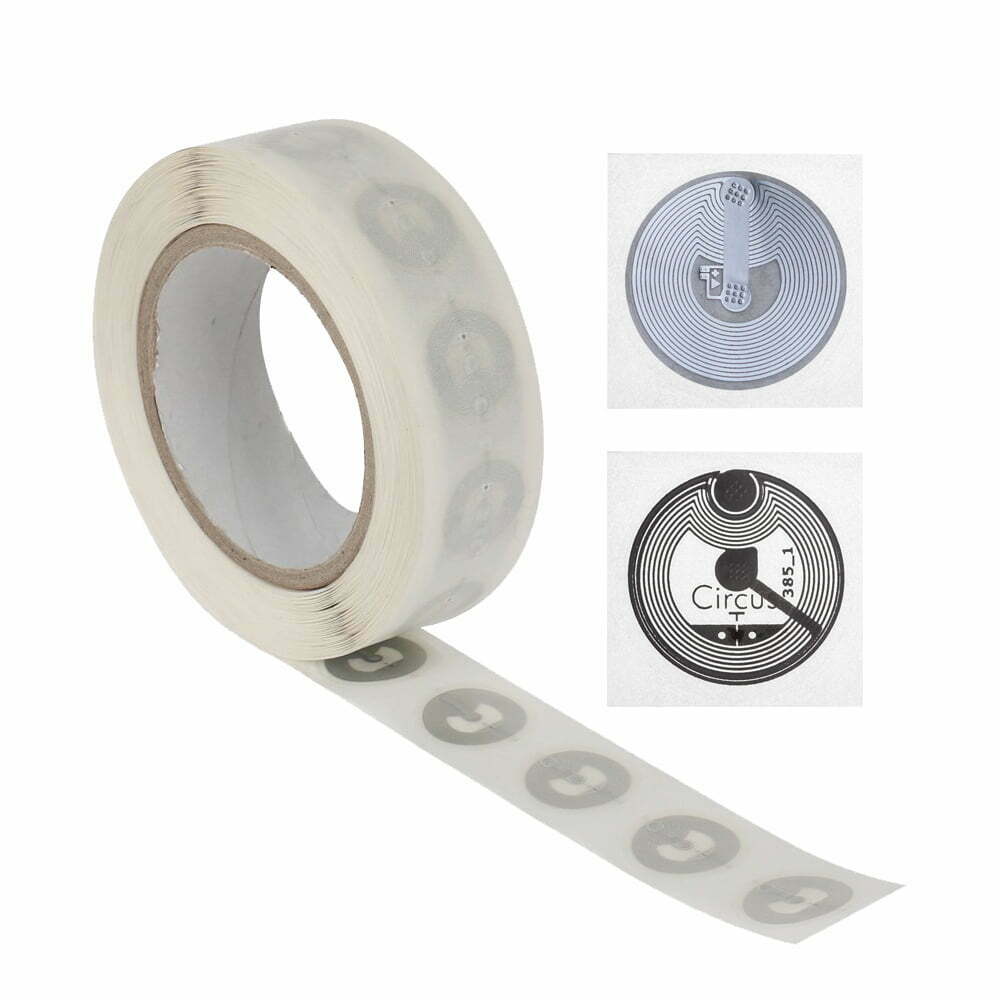
| Environmental Impact | Plastic/paper labels generate waste; adhesive removal complicates recycling | NFC inlays (e.g., RFID taghy NFC inlays) use minimal materials; many are recyclable and compatible with circular economy workflows |
Strategic Advantages Beyond Compliance
A DPP is not just a regulatory checkbox—it’s an enterprise asset:
- Supply Chain Transparency: Integrate DPPs with Smart Management systems to trace raw material origin, factory audits, and logistics handoffs—all accessible via NFC tap at any checkpoint.
- Enhanced Customer Engagement: Embed interactive content—care instructions, video tutorials, resale eligibility, or loyalty program links—directly into the DPP experience using NFC stickers or embedded NFC business cards.
- Future-Proofing: With modular architecture, DPPs scale to accommodate evolving regulations (e.g., battery passport requirements, AI-driven maintenance alerts) without hardware overhauls.
Implementation Readiness with NFCWORK & RFIDHY
Deploying DPPs requires reliable, certified infrastructure. RFIDHY provides secure NFC modules and UHF RFID modules designed for industrial durability and ESPR-aligned data signing. Meanwhile, RFID taghy offers globally certified NFC inlays, NFC stickers, and anti-metal NFC tags—ideal for metal appliances, packaging, or high-value goods. All integrate seamlessly with NFCWORK’s DPP platform, enabling rapid pilot deployment and full-scale rollout.
FAQ
- Do I need new hardware to deploy DPPs?
Yes—NFC tags (e.g., NFC inlays) and compatible readers (UHF RFID readers or NFC readers) are essential for secure, offline access and tamper-proof verification. - Can DPPs work without internet?
Yes—NFC-based DPPs deliver verified product data instantly on tap, even offline. Internet is only needed for backend updates or analytics dashboards. - Are RFID taghy NFC tags compliant with EU ESPR requirements?
All RFID taghy NFC tags support NDEF and ISO/IEC 14443-A/B protocols, and are compatible with ESPR-mandated GS1 Digital Link and cryptographic signature frameworks when paired with RFIDHY secure modules.
Ready to Align Your Product Lifecycle with EU ESPR?
Explore NFCWORK’s end-to-end DPP solution, powered by RFIDHY secure modules and RFID taghy certified NFC inlays. Request a technical consultation or download our DPP Implementation Playbook for enterprise teams.