Introducción
En industrias con requisitos de seguridad extremadamente altos, como industriales, construcción, fabricación, y petroquímica, La gestión adecuada del EPP es fundamental para garantizar la seguridad de los empleados y el cumplimiento de las operaciones.. Para garantizar que “cada pieza de EPI tenga un identificador digital único y su ubicación y estado sean rastreables,“Cada vez más empresas optan por colocarse Etiquetas RFID a su EPP. Sin embargo, no todos Etiquetas RFID son adecuados para entornos complejos o hostiles. Exploremos cómo elegir las etiquetas correctas considerando el diseño., durabilidad, y costo de etiquetas RFID personalizadas para PPE, y las ventajas de personalización de RFIDHY, un proveedor de soluciones industriales integradas.
¿Por qué el EPP necesita etiquetas RFID personalizadas??
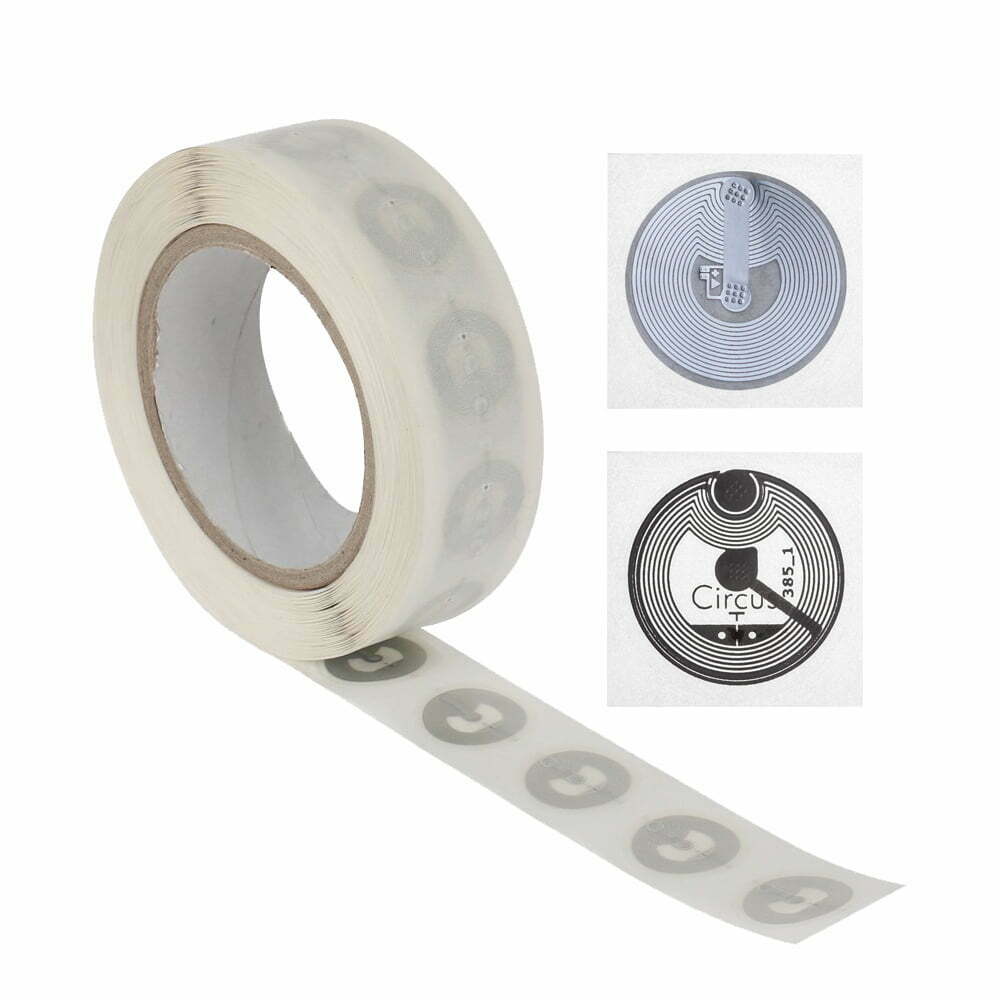
Las etiquetas RFID constan de un chip, antena, y sustrato, habilitando sin contacto, rápida identificación y almacenamiento de datos.
Manejo de equipos de protección personal. (EPI) como cascos, chalecos reflectantes, guantes protectores, y la ropa protectora normalmente enfrenta los siguientes desafíos con etiquetas genéricas estándar:
- El EPP está frecuentemente expuesto a ambientes extremos., como altas temperaturas, choques mecánicos, quimicos, humedad, y polvo, hacer que las etiquetas de papel ordinarias sean propensas a fallar.
- El material de la superficie del PPE puede ser tela., plástico, metal, o materiales compuestos; Las etiquetas simples pueden fallar debido a una mala adhesión o una lectura inestable..
- El EPP a menudo requiere un lavado frecuente, agotador, y reutilizar, impone altas exigencias a la durabilidad, adhesión, y flexibilidad de las etiquetas.
Por lo tanto, Personalización de etiquetas RFID para EPI, seleccionando materiales, tamaños, métodos de adhesión, y estructuras de encapsulación adecuadas para el entorno y la aplicación., Es crucial para garantizar una identificación estable y una durabilidad a largo plazo del EPI durante todo su ciclo de vida.. Como establecen las directrices de la industria, “Las etiquetas RFID personalizadas son ideales si son estándar Sistemas RFID no puede hacer frente a los desafíos operativos.”
Elementos clave de diseño para etiquetas RFID personalizadas para EPI
Al seleccionar o diseñar etiquetas RFID para EPI, se deben considerar los siguientes aspectos:
Adaptabilidad material y ambiental
Los diferentes materiales de etiquetas tienen una adaptabilidad significativamente diferente a las condiciones ambientales, como la temperatura., humedad, quimicos, y abrasión:
- PET\: A prueba de calor, resistente al desgarro, y químicamente resistente, adecuado para altas temperaturas, aceitoso, y ambientes corrosivos.
- PÁGINAS / BOPP y otros sustratos plásticos: Ofrece buena flexibilidad y resistencia a la humedad., adecuado para abrasión repetida, lavado, o ambientes húmedos.
- Parches metálicos/etiquetas reforzadas: Si el EPI contiene componentes metálicos o requiere mayor impacto, compresión, y resistencia a los golpes, Se deben seleccionar parches metálicos o etiquetas reforzadas..
En breve, Se debe seleccionar el material apropiado en función del entorno operativo real del EPI. (temperatura alta, aceite, quimicos, limpieza, fricción, impacto, etc.) para garantizar un funcionamiento fiable de la etiqueta durante todo el ciclo de vida del EPI.
Método de Adhesión y Diseño Estructural
Los materiales de la superficie del PPE pueden incluir plásticos., cascos, ropa de tela, cuero, guantes de goma, etc.. Las etiquetas requieren:
- Buena adherencia y soporte adhesivo adecuado para garantizar que la etiqueta no se desprenda debido a la flexión., impacto, o lavar.
- Para tela o ropa EPI, considere usar etiquetas flexibles, etiquetas cosidas, o etiquetas incrustadas para mejorar la durabilidad y la ocultación.
- El tamaño de la etiqueta y el diseño de la antena deben ser apropiados: demasiado grande afectará la comodidad de uso, demasiado pequeño puede afectar la distancia de lectura.
Tipo de etiqueta y método de lectura
- Etiquetas pasivas: No se requieren baterías, menor costo, tamaño más pequeño, adecuado para EPP de gran volumen, pero distancia de lectura más corta.
- Etiquetas activas/semipasivas: Adecuado para escenarios que requieren distancias de lectura más largas o seguimiento en tiempo real, pero mayores costos y costos de mantenimiento.
- Para la gestión de EPP (involucrando principalmente escenarios de emisión/inventario/auditoría), Las etiquetas RFID pasivas personalizadas suelen ser la opción más rentable.
Además, parámetros como el tipo de lector, distancia de lectura, y frecuencia de lectura (P.EJ., frecuencia ultraelevada, frecuencia cardíaca) deben determinarse en función del caso de uso específico para garantizar la estabilidad y eficiencia del sistema..
Costo, Durabilidad, y ventajas: por qué muchas empresas eligen soluciones personalizadas RFIDHY
Si bien el uso de etiquetas de papel genéricas es económico, son propensos a sufrir daños, desapego, y fallas en ambientes hostiles, lo que lleva a una gestión caótica del EPP, datos poco confiables, peligros potenciales, y mayores costos de gestión. Las investigaciones de la industria muestran que las etiquetas inadecuadas generalmente necesitan ser reemplazadas dentro de 1-2 años en entornos hostiles como químicos, mecánico, y limpieza de ambientes.
En contraste, RFIDHYEtiquetas RFID personalizadas para EPI (incluyendo resistente a altas temperaturas, químicamente resistente, resistente a la humedad, y versiones resistentes a impactos) – mediante la selección de materiales adecuados (Encapsulación de PET/PP/metal), adhesivos compatibles, y diseños estructurales: permiten que las etiquetas mantengan una identificación y adhesión estables durante períodos prolongados en entornos extremos. Según sus datos, la durabilidad y la precisión de los datos mejoran significativamente.
Desde una perspectiva de rentabilidad: Si bien las etiquetas personalizadas son más caras por unidad que las etiquetas estándar, considerando la vida útil de la etiqueta, Reducción del caos en la gestión del EPP debido a fallos en las etiquetas., costos de mantenimiento, costos de mano de obra/tiempo, y la confiabilidad de los datos requerida para las auditorías de cumplimiento, El uso de etiquetas RFID personalizadas normalmente genera un mayor retorno de la inversión.. Como enfatiza RFIDHY, en entornos hostiles y escenarios de uso a largo plazo, Las etiquetas personalizadas no solo mejoran la eficiencia sino que también reducen los riesgos de seguridad y los costos de gestión..
Preguntas frecuentes
Q1: ¿Qué es una etiqueta RFID EPI??
A1: Una etiqueta RFID para EPI es una etiqueta electrónica RFID diseñada específicamente para EPI.. Se pueden unir a EPI, como cascos, chalecos reflectantes, guantes, y ropa protectora, para una identificación única, seguimiento, inventario, y gestión de activos de EPI.
Q2: ¿Por qué utilizar etiquetas RFID personalizadas para EPI en lugar de etiquetas estándar??
A2: El EPP se utiliza a menudo en entornos complejos. (temperatura alta, quimicos, impacto, lavado, humedad, etc.). Las etiquetas estándar pueden tener poca durabilidad, no son adecuados para estos entornos, y son propensos al desapego o al fracaso. Las etiquetas RFID personalizadas para EPI se pueden adaptar al entorno y a los materiales de la superficie en términos de materiales., adhesivos, y estructura, asegurando la confiabilidad, durabilidad, y estabilidad.
Q3: ¿Qué material/tipo de etiqueta RFID PPE se debe elegir??
A3: Si el EPI va a estar expuesto a altas temperaturas, aceite, quimicos, o entornos con fricción e impacto., Se recomiendan etiquetas de plástico duraderas como PET o PP/BoPP.. Si el PPE contiene partes metálicas o requiere impacto extremadamente alto, choque, y resistencia a la compresión, Se deben considerar etiquetas encapsuladas en metal o etiquetas RFID resistentes.. Las etiquetas pasivas son generalmente rentables y adecuadas para la mayoría de los escenarios de gestión de EPP..
Q4: ¿Las etiquetas RFID personalizadas para EPI son demasiado caras para ser adoptadas ampliamente??
A4: Si bien las etiquetas personalizadas son más caras que las etiquetas estándar, ofrecen mayor durabilidad, estabilidad, y fiabilidad de identificación, reduciendo la frecuencia de reemplazo, Reducir los costos de gestión y mano de obra., y mejorar el cumplimiento y la eficiencia de la auditoría. A la larga, generalmente son más rentables para empresas con uso frecuente, ambientes hostiles, o altos requisitos de cumplimiento.
Conclusión
Para EPI utilizados en entornos complejos y hostiles, La adopción de etiquetas RFID PPE apropiadas y el diseño de etiquetas RFID personalizadas son pasos clave para garantizar la confiabilidad., trazabilidad, y durabilidad del manejo del EPI. Como proveedor de soluciones industriales, RFIDHY ofrece etiquetas personalizadas y sistemas de soporte, proporcionando a las empresas una completa, eficiente, estable, y solución de gestión de EPI auditable. Para empresas que priorizan la seguridad, cumplimiento, y eficiencia en la gestión, Una inversión de este tipo suele merecer la pena..
Para más información,por favor Contáctenos.