Introduction: Why DPP Adoption Is Non-Negotiable for Fashion Enterprises
The EU’s DPP regulation — effective under the Ecodesign for Sustainable Products Regulation (ESPR) — mandates verifiable, machine-readable product data for textiles entering the EU market by 2027. For enterprise fashion brands, this isn’t just compliance: it’s a strategic lever for transparency, circularity, and consumer trust. This DPP implementation case details how a Tier-1 European fashion house successfully embedded NFC-based DPPs into high-volume garment production — without disrupting existing operations.
Motivation: Beyond Compliance to Competitive Advantage
Facing tightening regulatory deadlines and rising consumer demand for ethical sourcing, the brand prioritized three goals:
- Full traceability from raw material to retail point-of-sale
- Real-time access to care instructions, repair services, and resale eligibility
- Automated sustainability KPIs (e.g., water usage, carbon footprint, recyclability score)
Unlike QR codes or web-only portals, NFC offered tap-to-access immediacy, offline functionality, and cryptographic security — critical for luxury and premium segments.
Technical Implementation: From Tagging to Integration
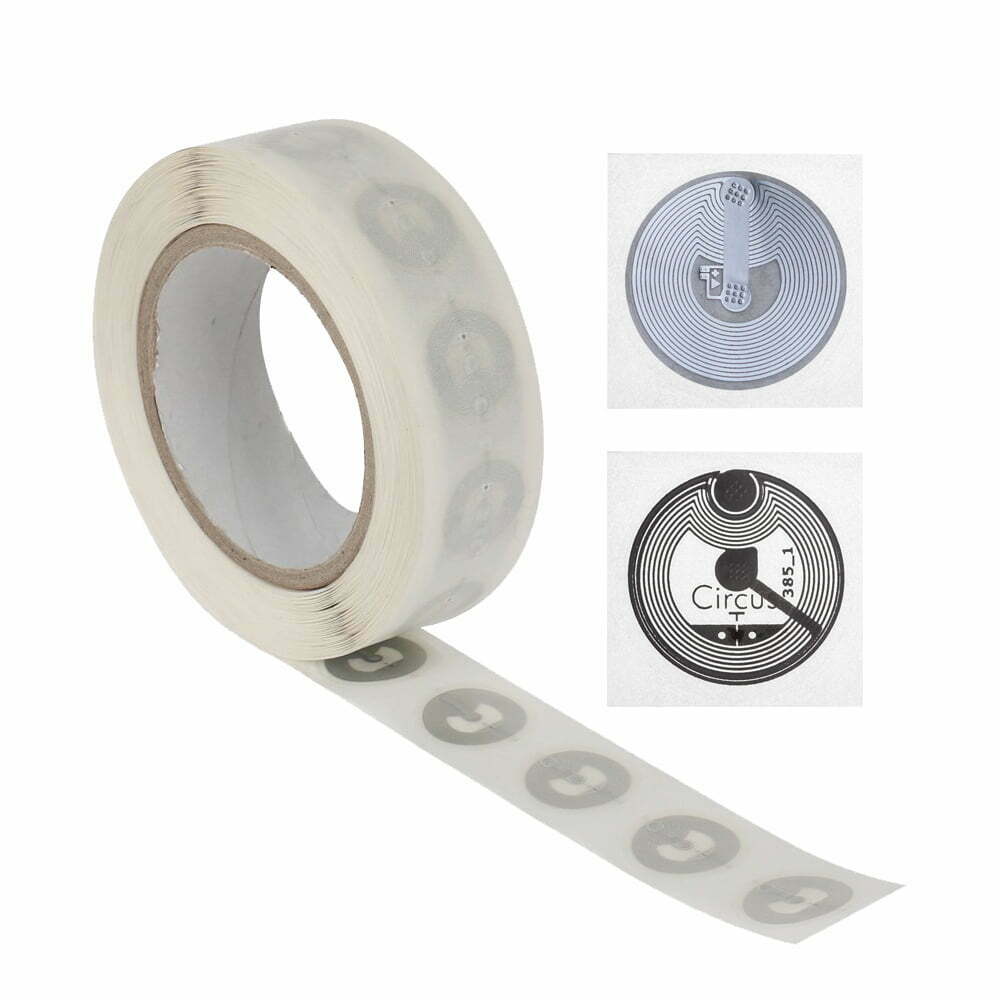
The solution leveraged RFIDHY’s NFC inlay portfolio, specifically custom-printed NFC stickers optimized for textile adhesion and wash durability (ISO/IEC 14443-A compliant, NXP NTAG 215 chip). Tags were embedded during final packaging at distribution centers — not on the garment itself — avoiding stitching interference and enabling reuse of tag carriers across SKUs.
Integration architecture included:
- ERP synchronization via RESTful API with SAP S/4HANA (master data, batch IDs, supplier certifications)
- Cloud-hosted DPP backend built on GS1 Digital Link standards, hosted on AWS EU-Frankfurt
- Legacy PLM and MES systems connected through lightweight middleware to push real-time production events
Challenges & Enterprise-Grade Solutions
>
| Challenge | Solution |
|---|---|
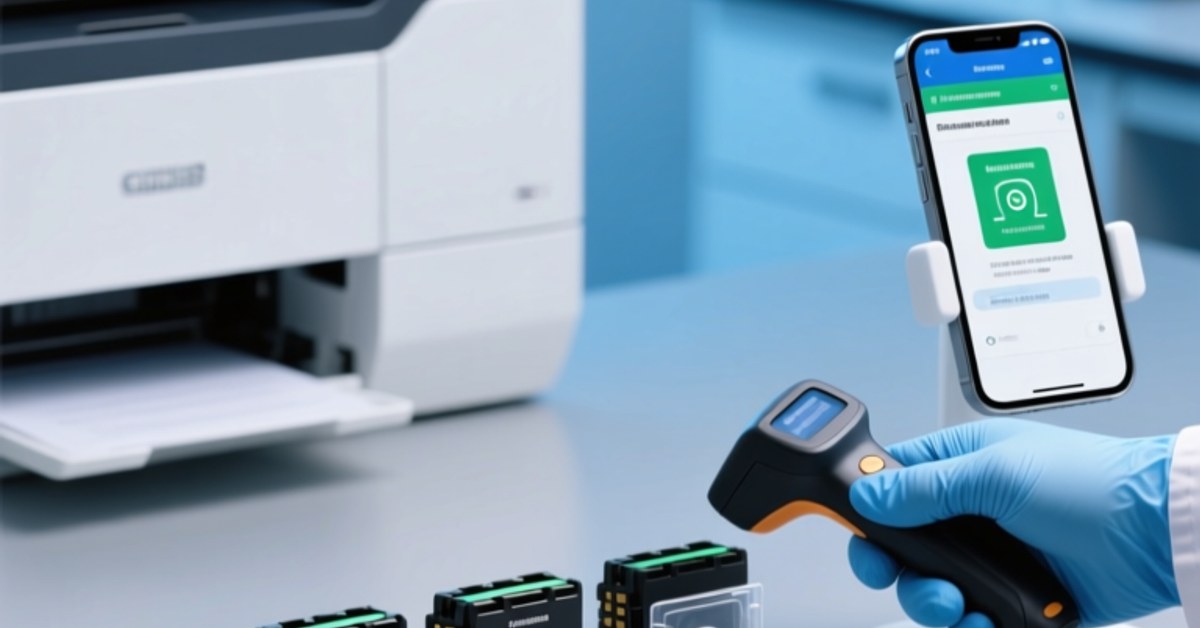
| Tag read reliability on metal hangers and near-body RF interference | Deployed RFIDTAGHY’s NFC wet inlay with ferrite shielding; validated via RFIDHY handheld NFC readers during line audits |
| Data sovereignty and GDPR-aligned consent management | Implemented zero-knowledge proof authentication layer; all personal engagement data stored exclusively in EU-based infrastructure |
| Scalable tag encoding across 12 global distribution hubs | Standardized encoding workflow using RFIDHY’s Desktop RFID reader + custom Python SDK for bulk UID injection and digital signature verification |
Measurable Outcomes (12-Month Post-Launch)
- Compliance: 100% DPP readiness for EU-bound shipments; passed third-party audit by TÜV Rheinland
- Customer Engagement: 42% tap-through rate on NFC-enabled garments; 28% increase in registered users accessing repair/resale portals
- Sustainability Reporting: Automated generation of ESPR-compliant reports reduced manual reporting effort by 65 hours/month
- Operational Efficiency: Reduced SKU-level traceability query time from 17 minutes to <3 seconds
Lessons for Other Fashion Brands
This DPP case study fashion underscores three enterprise imperatives:
- Start with pilot SKUs — not full portfolio — to refine tag placement, encoding speed, and UX flows
- Select NFC hardware partners with documented EU regulatory support (e.g., CE-marked readers, GDPR-ready cloud APIs)
- Treat DPP as a living system: update firmware, rotate cryptographic keys, and version-control schema changes via GS1’s DPP Registry
For brands evaluating their own DPP roadmap, Digital Product Passport solutions from NFCWORK Technology offer pre-integrated modules aligned with GS1, ISO 15459, and ESPR requirements.
FAQ
- What NFC tags were used in this DPP implementation case?
RFIDTAGHY’s custom NFC stickers with NXP NTAG 215 chips — optimized for textile packaging, wash-resistant, and certified for CE/GS1 compliance. - Can legacy ERP systems integrate with NFC-based DPPs?
Yes — via REST API or EDI middleware. This case used SAP S/4HANA integration with zero code changes to core ERP modules. - Is NFC more secure than QR codes for DPPs?
Yes. NFC supports mutual authentication, encrypted channels, and tap-limited interactions — reducing spoofing and phishing risks inherent in static QR links. - How does this NFC product passport example support resale and repair?
Each NFC tag links to a dynamic DPP profile that updates with service history, ownership transfers, and certification renewals — enabling trusted secondary markets.
Ready to Launch Your DPP Strategy?
Download our Enterprise DPP Readiness Checklist — including hardware selection criteria, ERP integration blueprints, and ESPR compliance timelines.