pengenalan: Cabaran Pengurusan Aset Perubatan
Hospital menghadapi cabaran berterusan dalam menjejaki nilai tinggi, aset perubatan mudah alih—termasuk pam infusi, unit ultrabunyi mudah alih, alat pengudaraan, dan defibrilator. Di Pusat Perubatan MetroHealth (sebuah hospital pengajaran akademik 500 katil), habis 3,200 peranti kritikal dilog secara manual menggunakan log berasaskan kertas dan imbasan kod bar sporadis—membawa kepada 14–17 minit purata masa carian kakitangan bagi setiap peranti, kitaran penyelenggaraan tertangguh, dan status pensterilan yang tidak disahkan sebelum digunakan oleh pesakit.
Seni Bina Penyelesaian Didayakan NFC
MetroHealth bekerjasama dengan NFWORK Technology untuk melaksanakan skala yang boleh dibuat, sistem penjejakan aset NFC selamat dibina pada perkakasan saling kendali daripada RFIDHY. Seni bina termasuk:
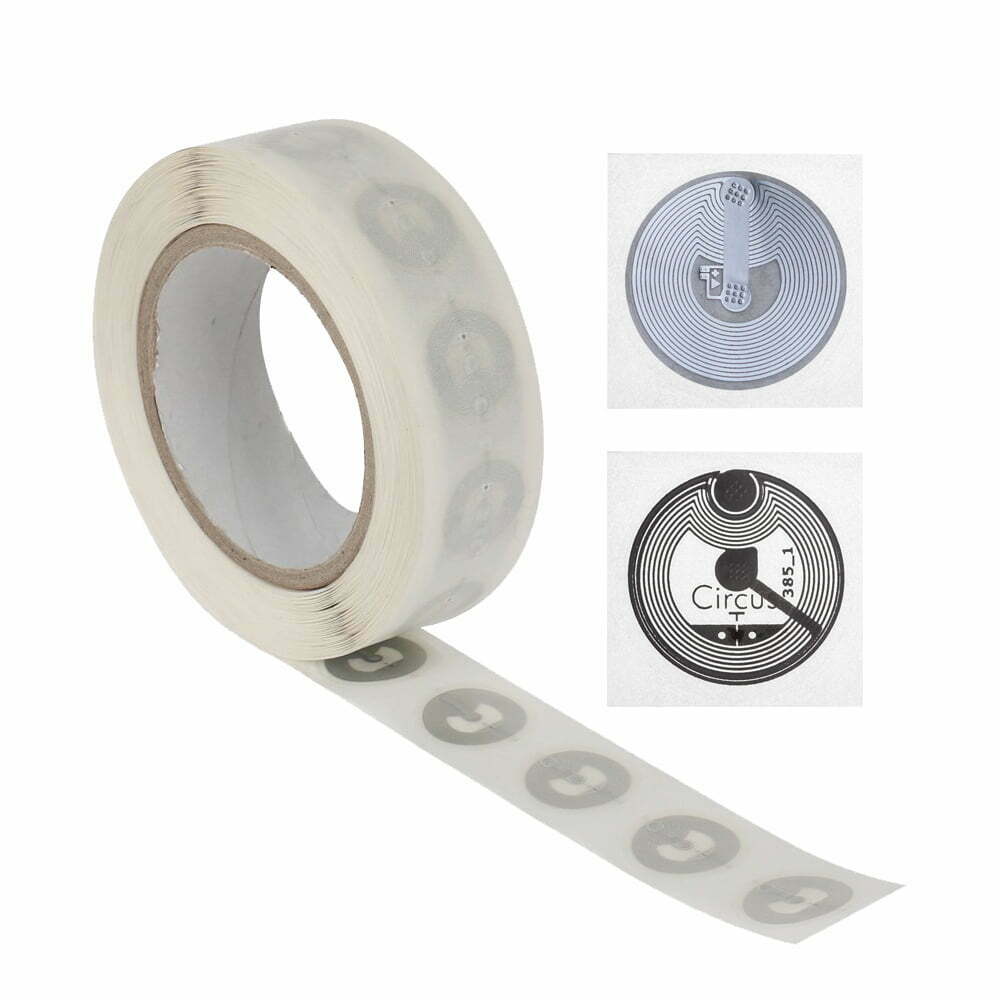
- Tag NFC: Gred perindustrian Pelekat NFC (NTAG216) digunakan pada semua aset yang dikesan—tahan terhadap pembasmian kuman, selamat autoklaf untuk instrumen boleh guna semula, dan boleh dibaca sehingga 5 cm pada permukaan logam melalui varian tatahan NFC anti-logam RFIDTAGHY
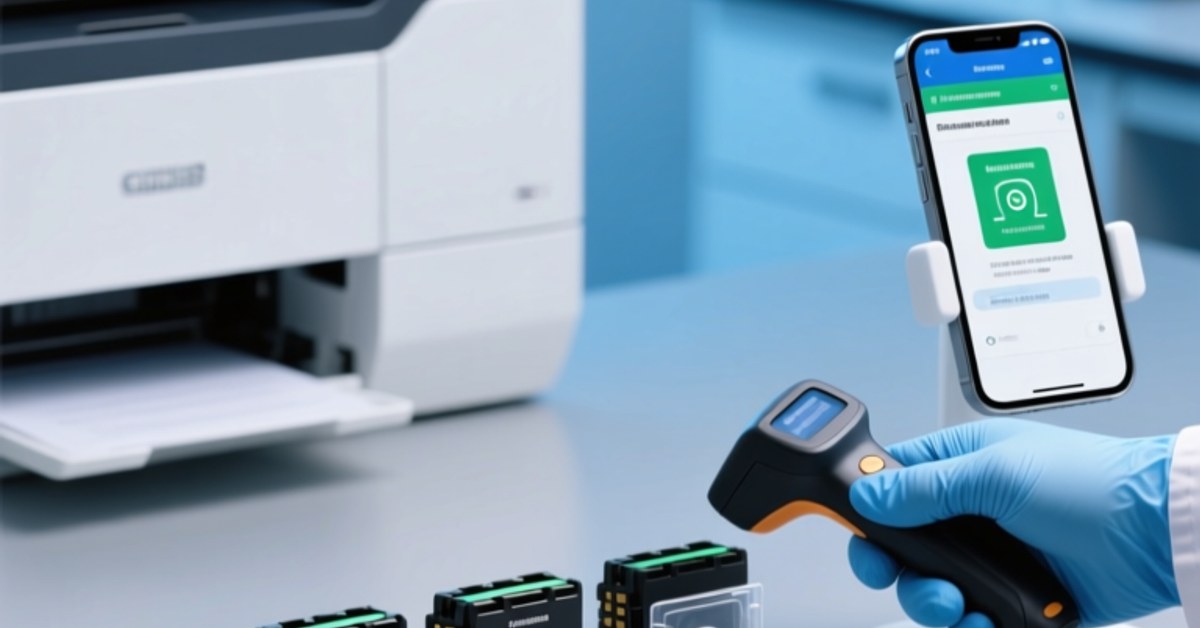
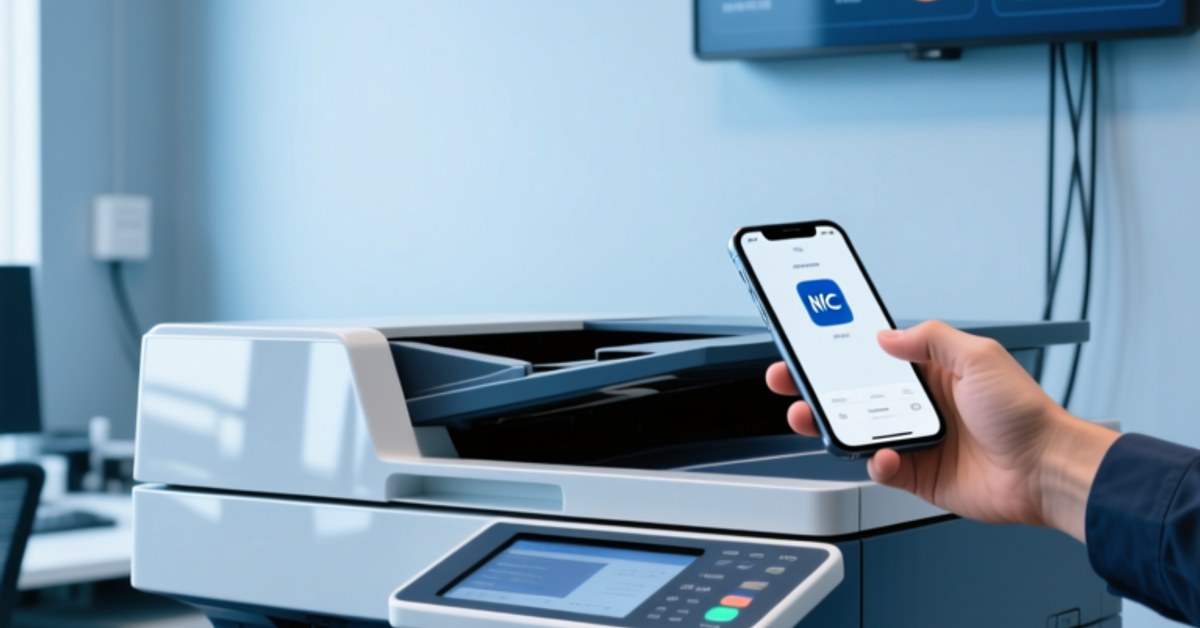
- Pembaca & Integrasi: Pembaca NFC tetap di pintu masuk jabatan dan pengimbas NFC pegang tangan (RFIDHY Pengimbas hibrid UHF/NFC) untuk pemeriksaan mengejut, disepadukan dengan CMMS sedia ada hospital (Sistem Pengurusan Penyelenggaraan Berkomputer)
- Platform: Papan pemuka Pengurusan Pintar NFCWORK menyediakan pemetaan lokasi masa nyata, analisis penggunaan, dan makluman penyelenggaraan automatik
Hasil Utama Merentas Domain Operasi
Lokasi Peralatan & Penggunaan
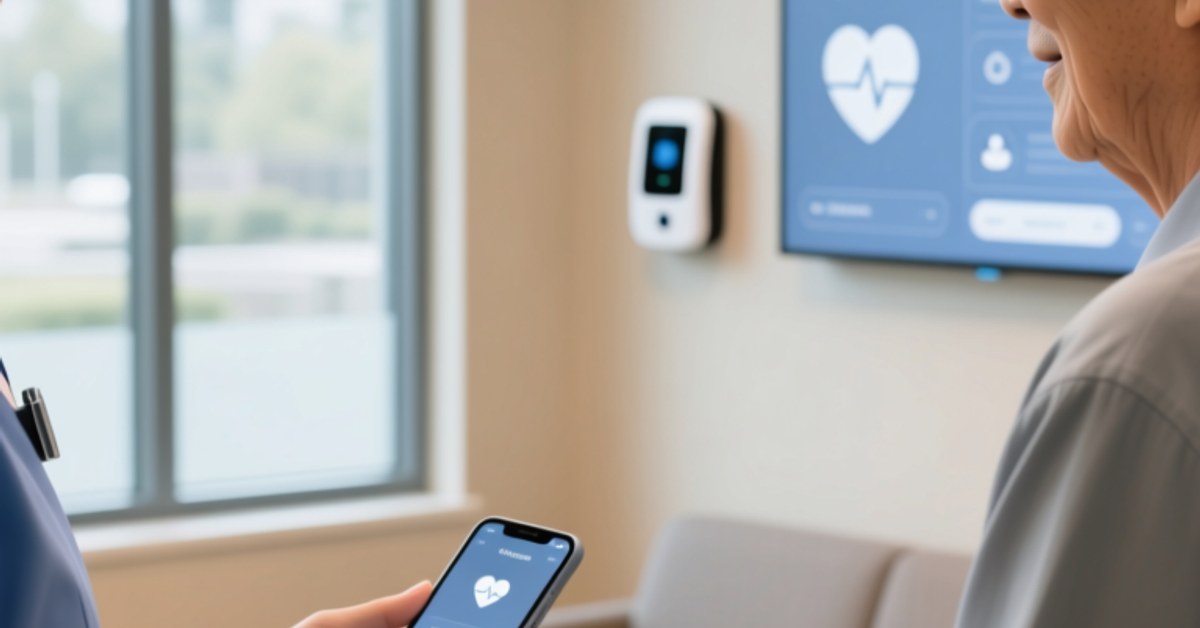
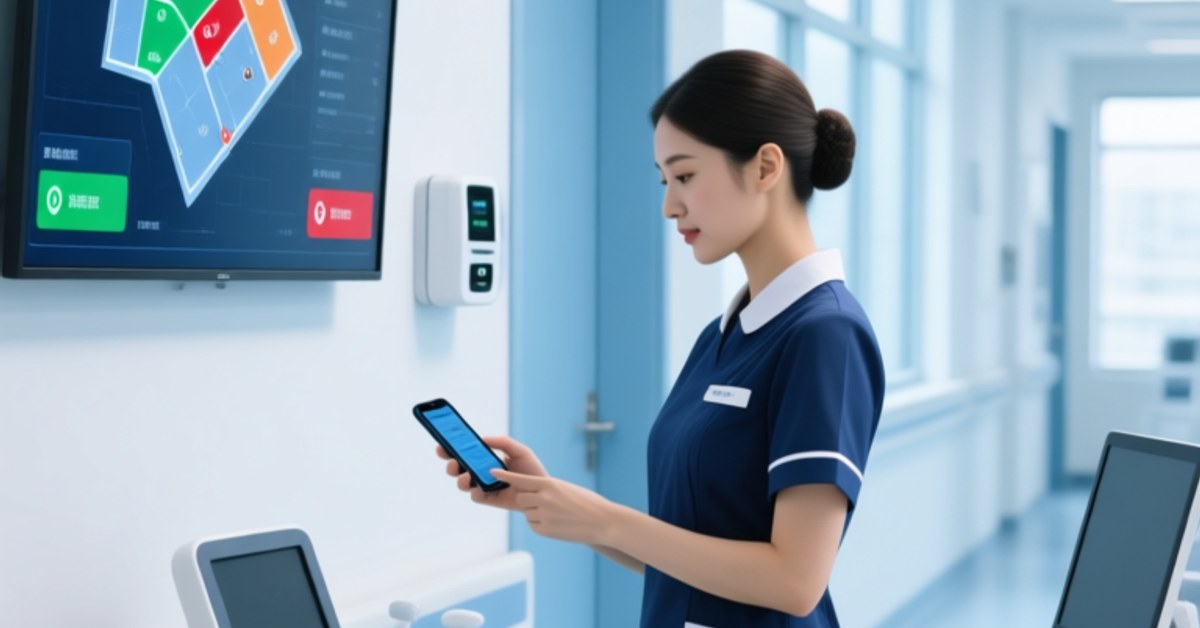
Setiap aset yang ditag kini muncul pada papan pemuka peta lantai langsung. Kakitangan mengakses sejarah lokasi, cap masa imbasan terakhir, dan tugasan jabatan semasa melalui NFC-enabled telefon pintar atau kiosk yang dipasang di dinding. Kadar penggunaan peranti meningkat sebanyak 29% disebabkan pengagihan semula yang dioptimumkan.
Penjadualan Penyelenggaraan & Pematuhan
Sistem ini mencetuskan tiket penyelenggaraan pencegahan secara automatik berdasarkan waktu penggunaan (Mis., setiap 200 waktu operasi untuk pam infusi). Log penyelenggaraan ditandatangani secara digital dan disimpan dalam rantai melalui modul NFC-ca, memastikan pematuhan sedia audit dengan piawaian Suruhanjaya Bersama.
Kecekapan Aliran Kerja Kakitangan
Sebelum pelaksanaan, kakitangan kejururawatan menghabiskan ~2.7 jam seminggu mencari peralatan. Selepas penempatan, yang jatuh ke 0.9 jam—a 68% pengurangan. Jururawat kini mengetik mana-mana peranti dengan kad ID hospital yang didayakan NFC mereka untuk mendapatkan segera sejarah perkhidmatan dan status penentukuran.
Penambahbaikan Keselamatan Pesakit
Masing -masing Tag NFC menyimpan pengesahan kitaran pensterilan, versi perisian, dan status tampalan perisian tegar. Sebelum menyambung kepada pesakit, doktor melakukan pembacaan NFC satu ketikan untuk mengesahkan kesediaan peranti—mengurangkan kejadian nyaris yang dikaitkan dengan peralatan usang atau tidak diservis dengan betul oleh 41% dalam Q1 2026.
Garis Masa Pelaksanaan & Ringkasan ROI
>
| Milestone | Garis masa | Kunci Boleh Dihantar |
|---|---|---|
| Mengetag & Pendaftaran | Minggu 1–4 | Semua 3,200+ aset yang ditandakan dengan tatahan basah RFIDTAGHY NFC; Label dwi-mod QR/NFC ditambahkan untuk keserasian pengimbas lama |
| Integrasi Sistem | Minggu 5–7 | Penyepaduan API dengan Epic EHR dan IBM Maximo CMMS diselesaikan melalui perisian tengah Pengurusan Pintar NFCWORK |
| Latihan kakitangan & Siaran Langsung | Minggu 8 | Latihan berasaskan peranan disampaikan; 100% kakitangan klinikal barisan hadapan disahkan pada aliran kerja pengimbasan NFC |
ROI direalisasikan dalam masa 5.2 bulan-didorong oleh penjimatan buruh, mengurangkan kos sewa peralatan, dan mengelakkan penalti masa henti.
Soalan Lazim
- Apakah teg NFC yang disyorkan untuk persekitaran hospital?
Anti-logam RFIDTAGHY Pelekat NFC dan tatahan basah NFC adalah ideal—ia tahan pembersihan berulang, tisu alkohol, dan autoklaf tanpa delaminasi atau kegagalan bacaan. - Bolehkah sistem ini berintegrasi dengan EHR atau CMMS sedia ada kami?
Ya. Platform Pengurusan Pintar NFCWORK menyokong HL7, LELAKI, dan integrasi API RESTful—sudah digunakan dengan Epic, Cerner, dan IBM Maximo merentasi 12 pelanggan penjagaan kesihatan. - Adakah NFC cukup selamat untuk data perubatan terkawal?
betul-betul. Semua transaksi NFC memanfaatkan penyulitan AES-128, dan metadata sensitif disimpan di luar tag dalam infrastruktur awan yang mematuhi HIPAA—tidak sekali-kali pada cip NFC itu sendiri. - Bagaimanakah NFC dibandingkan dengan Bluetooth atau UHF RFID untuk kes penggunaan ini?
NFC menawarkan tepat, interaksi yang disengajakan (TAP-TO-READ), penggunaan kuasa yang lebih rendah, tiada risiko gangguan dalam persekitaran RF yang padat, dan sokongan telefon pintar asli—menjadikannya optimum untuk tugas pengesahan yang dimulakan oleh doktor.
Bersedia untuk Mengoptimumkan Kitaran Hayat Aset Hospital Anda?
Ketahui cara hospital NFWORK Penyelesaian NFC boleh memberikan peningkatan yang boleh diukur dalam masa operasi peralatan, produktiviti kakitangan, dan pematuhan peraturan.