עקיבות מדויקת בשלב הייצור
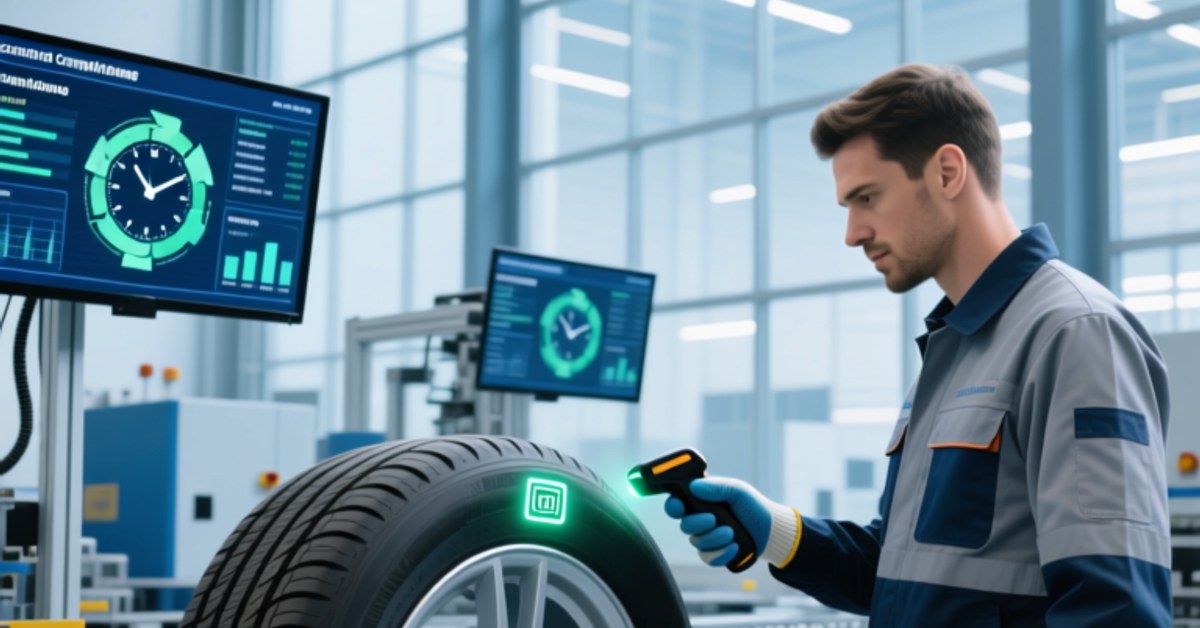
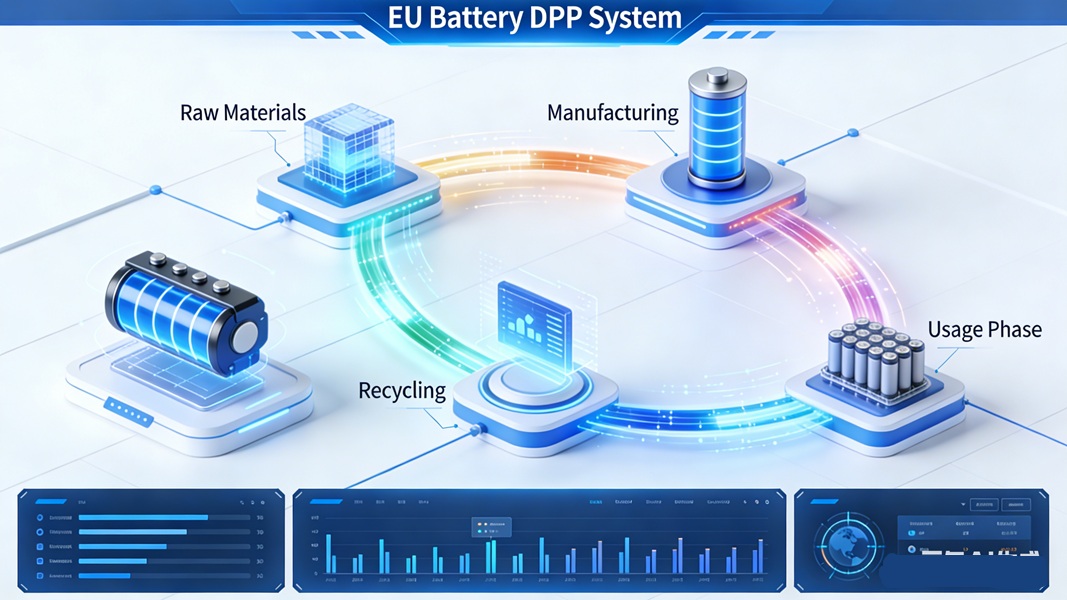
"מחזור החיים הדיגיטלי" של כל סוללה מתחיל במפעל הייצור. על ידי הטבעה תעשייתית תגיות RFID במודולי סוללה, חברות יכולות לתעד את הרכב חומרי הגלם, טביעת רגל פחמנית, ושיעורי מיחזור של חומרי מפתח כגון ליתיום, קובלט, וניקל בזמן אמת.
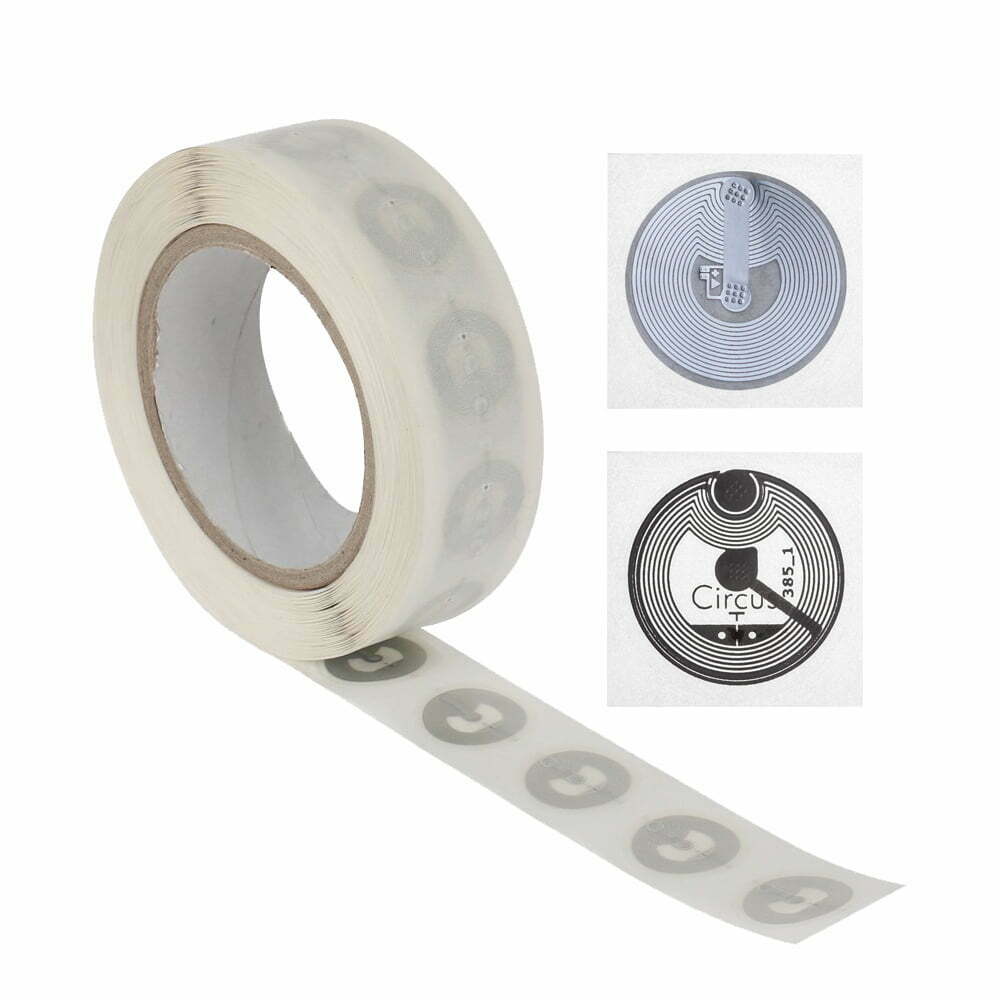
לפי הפורום הכלכלי העולמי, ניהול שקוף באמצעות דרכונים דיגיטליים עשוי להפחית את פליטת גזי החממה בשרשרת הערך של הסוללה בכ 20% עַל יְדֵי 2030 (מָקוֹר: דוח דרכון סוללה של הפורום הכלכלי העולמי). RFIDHY' תגיות RFID לא רק לעמוד בטמפרטורות וברעידות הגבוהות של קו הייצור, אלא גם להבטיח את חוסר השינוי של נתונים מקוריים באמצעות מספרים סידוריים ייחודיים של שבבי RFID.
ניטור בריאות במהלך השימוש
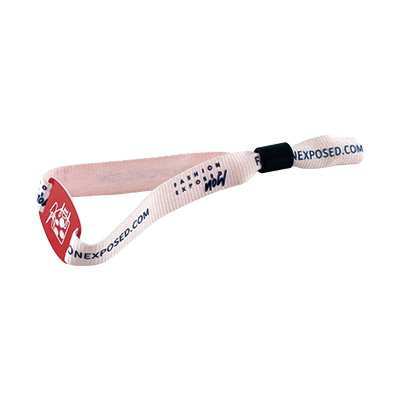
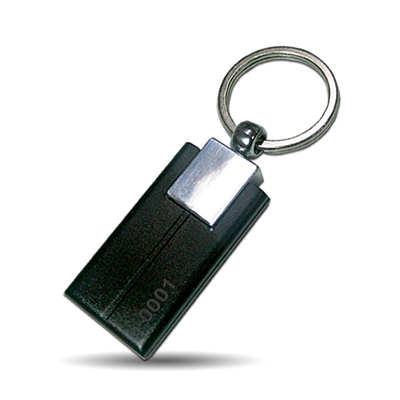
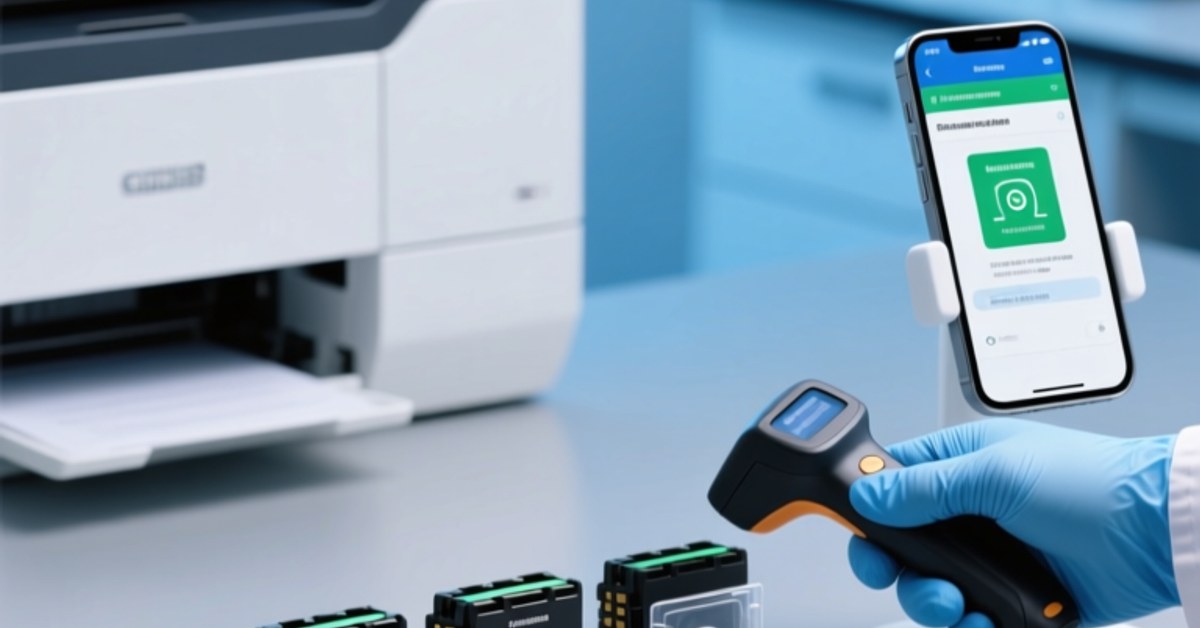
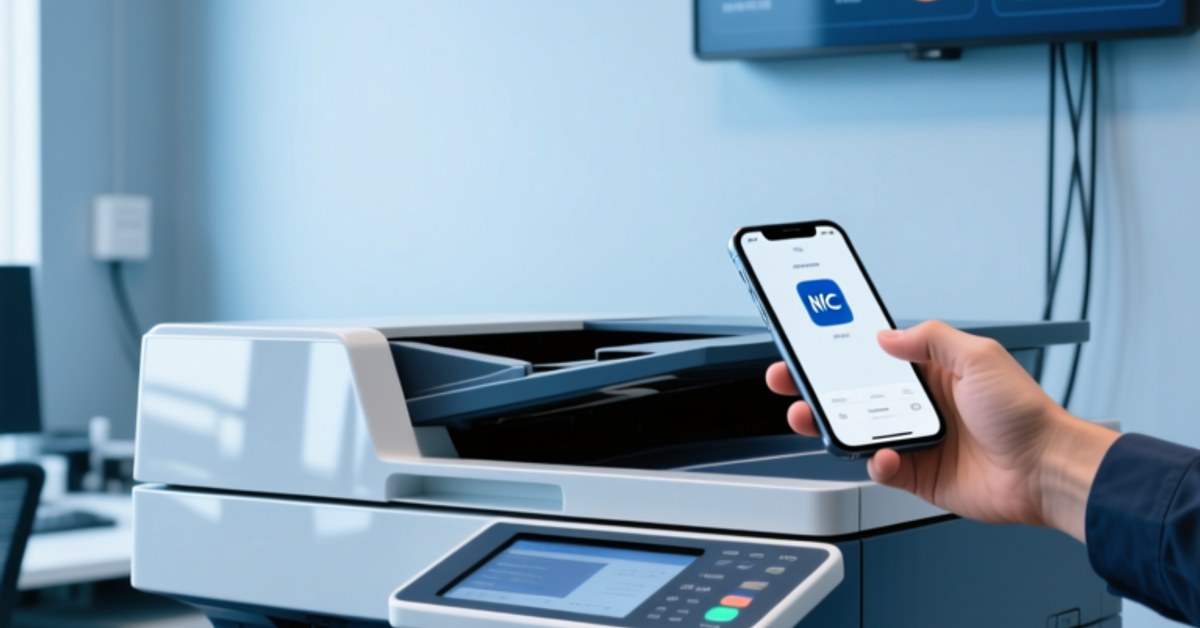
ברגע שהסוללות נכנסות לשלב השימוש, את DPP המערכת צריכה לתעד את מצב הבריאות של הסוללה (SOH) ומספר מחזורי טעינה-פריקה. בהשוואה לקודי QR, תגיות RFID למעקב אחר נכסים מציעים את היתרון של קריאה ללא מגע. גם אם סוללות מותקנות עמוק בתוך המארז, אנשי תחזוקה יכולים לגשת במהירות לנתונים היסטוריים באמצעות טווח ארוך קוראי RFID, הוזלה משמעותית עלויות הבדיקה.
יעילות גבוהה בשלב המיחזור
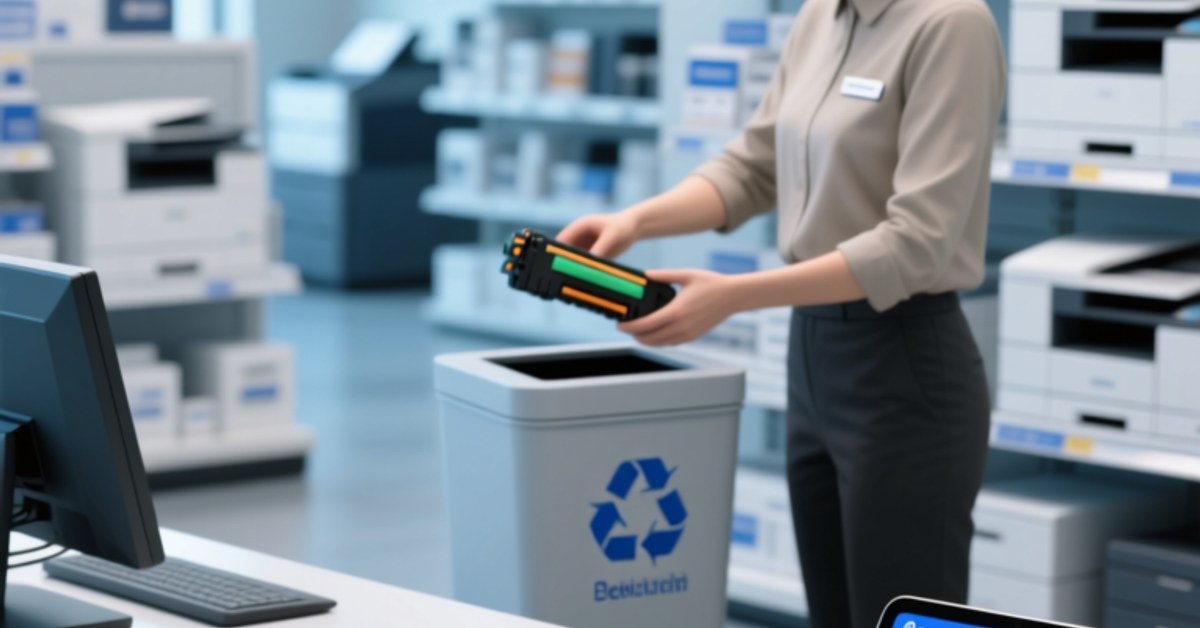
מיון יעיל הוא חיוני להשגת כלכלה מעגלית ברגע שהסוללות מגיעות לסוף חייהן. ניצול תג RFID טכנולוגיית מעקב אחר מלאי, תחנות מיחזור יכולות להשיג “דו קומתי” הִזדַהוּת.
קריאת אצווה: אנשי מיחזור יכולים לזהות את ההרכב הכימי של הסוללות באמצעות תגי RFID על הציוד מבלי לפרק אותם בנפרד, הגדלת יעילות המיון על ידי 80%.
אמצעי בטיחות: RFIDHYתגי RFID UHF מוגני פיצוץ המותאמים אישית יכולים לפעול ביציבות בסביבות מורכבות, מונע ביעילות סכנות שריפה הנגרמות משגיאות מיון.
מַסְקָנָה
מתגי RFID ועד פתרונות RFID מלאים, חברות סוללות חייבות לא רק לעמוד בדרישות הרגולטוריות אלא גם לעצב מחדש את התחרותיות שלהן בכל שרשרת הערך. בעידן הדיגיטלי הזה, סוללות ללא “הִזדַהוּת” ייאבק כדי לשרוד.
למידע נוסף,אָנָא צרו קשר.