מָבוֹא: מדוע ניהול מחסני PPE זקוק ל-RFID?
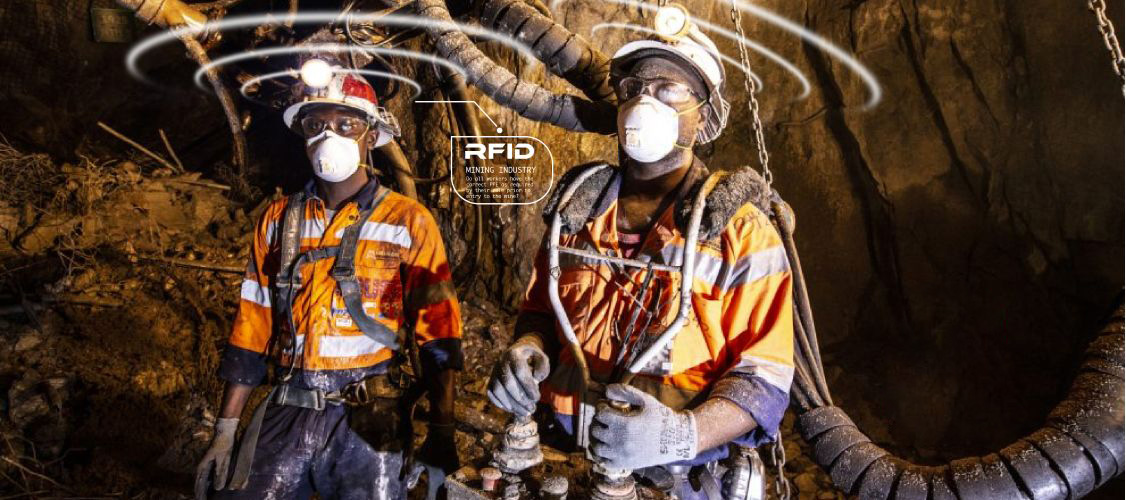
במחסני PPE, כגון אלה המאחסנים קסדות, אפודים מחזירי אור, ומשקפי מגן, בדיקות מלאי ידניות מסורתיות ושיטות סריקת ברקוד אינן יעילות, מועד לשגיאות, וגוזל זמן. על ידי תיוג כל חלק של ציוד מגן עם תגי UHF RFID וטקסטיל תגיות RFID, בשילוב עם קוראי RFID בדרגה תעשייתית וכף יד, קבלה אוטומטית, הנפקה, וניתן להשיג ספירת מלאי. מחקרים מראים ששימוש בטכנולוגיית RFID יכול לשפר את דיוק המלאי מלמטה 90% למעלה 95%.
ביישומי מחסן PPE, “מחסן RFID מעקב PPE” הופך לטרנד, וזה בדיוק הפתרון שדוגלים בו ומספקים אותו RFIDHY, חברת RFID מקצועית.
ערכי ליבה: עבודה מופחתת, דיוק מוגבר, נראות בזמן אמת
- בדיקות מלאי ידניות מופחתות: תיאור מקרה במחסן אחד, קוראי RFID ואנטנות המותקנות על כלי רכב/פלטפורמות ניידות שנסרקו 15,000 נכסים תוך שעה אחת בלבד, עם שיעור דיוק העולה על 98%. באופן דומה, במחסני PPE, השימוש בתגי RFID UHF וקוראי RFID ברמה תעשייתית יכול להפחית משמעותית את עוצמת העבודה הידנית.
- נראות מלאי בזמן אמת: על ידי מעקב רציף אחר המצב של “ציוד-תג-קורא,” ניתן להבין במהירות איזה ציוד הונפק ואיזה קיים במלאי. מחקרים מראים ש-RFID יכול לספק “עדכוני מלאי בזמן אמת,” פונקציה שמערכות ברקוד מסורתיות נאבקות להשיג.
- שיפור שיעור תיקון שגיאות ותאימות: לאחר שהציוד מתויג בתגי RFID של טקסטיל, נתונים נכנסים ויוצאים נאספים אוטומטית, צמצום שגיאות הזנה ידניות ובכך שיפור מהימנות נתוני המלאי.
תהליך יישום
- תיוג ואימות סביבתי: כל חלק של PPE מסומן בתג המתאים לסביבת המחסן. לְדוּגמָה, בסביבות לחות או מתכתיות, ניתן לבחור תגי RFID אנטי מתכת/תגי UHF RFID עמידים בפני מזג אוויר. תגים אלה נפרסים במעברים מרכזיים של המחסן באמצעות קוראי RFID ברמה תעשייתית.
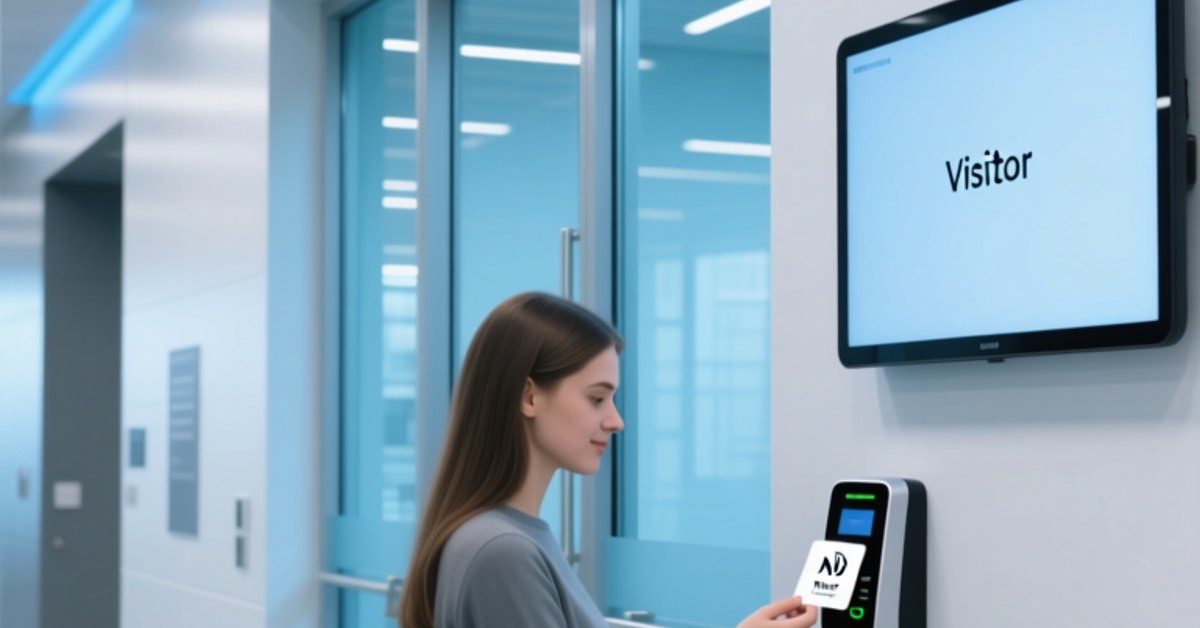
- קורא ותצורת תוכנה: קוראי RFID כף יד משמשים לבדיקות מלאי תקופתיות, בעוד קוראים קבועים משמשים לניטור פעולות נכנסות ויוצאות. הנתונים משולבים במערכת ניהול המחסנים או במודול ה-ERP כדי להפוך את “נכנס-מלאי-יוצא” תַהֲלִיך.
- ניתוח נתונים ואופטימיזציה של משוב: נתוני המערכת משמשים לניתוח מחזור מלאי, פריטים חסרים/פגומים בציוד, וטעויות במלאי; אינטגרציה נוספת עם שרשרת האספקה יכולה לעורר תהליכי מילוי או תחזוקה.
מקרי מקרים ותמיכה בנתונים
תיאור מקרה במחסן אחד, באמצעות כלי רכב המצוידים בקוראי RFID לסריקה 15,000 נכסים השלימו את הסריקה תוך שעה אחת בלבד עם קצב דיוק של 98%.
במחקר אחר, השימוש בטכנולוגיית RFID שיפר משמעותית את הדיוק של ניהול המחסן, הפחתת התדירות ושיעור השגיאות של בדיקות מלאי ידניות. ניתוח התעשייה מצביע על כך “RFID וניתוח נתונים הם טכנולוגיות מפתח עבור מחסנים כדי להשיג מעקב אחר מלאי בזמן אמת ולהפחית את שיעורי השגיאות.”
אתגרים והמלצות
- סביבה מורכבת: מחסנים משתמשים בדרך כלל במדפי מתכת ובקופסאות ארוזות בצפיפות, מה שיכול להשפיע על קריאת התגים; מומלץ לבחור בתגי RFID אנטי-מתכתיים ולבצע אופטימיזציה של פריסת האנטנה.
- התנגדות לשינוי תהליכים: המעבר מספירת מלאי ידנית לקריאה וכתיבה אוטומטית דורשת הכשרת עובדים ויישום מדיניות. מומלץ לשתף פעולה עם ספק מנוסה (כְּגוֹן RFIDHY) לתמיכה בפתרון.
- שילוב ציוד ומערכות: שילוב נתוני קריאה/כתיבה של RFID עם מערכות ניהול מחסנים או מערכות ERP מצריך התחשבות בפורמטים של נתונים, מפרטי ממשק, וביצועים בזמן אמת. מומלץ יישום בשלבים.
אם אתה רוצה להציג א “מחסן RFID מעקב PPE” פתרון לתוך מערכת ניהול המחסן שלך, שקול שיתוף פעולה עם ספק RFID מקצועי. לְדוּגמָה, RFIDHY מציעה פתרון מלא מתגיות (לְמָשָׁל., תגי UHF RFID עמידים בפני מזג אוויר), קוראים (קוראי RFID ברמה תעשייתית, קוראי RFID כף יד) לפלטפורמות תוכנה (מחסן PPE מערכות RFID), לעזור לך להתחיל במהירות ולהפחית ניסוי וטעייה.
המלצות למוצרים של תג RFID
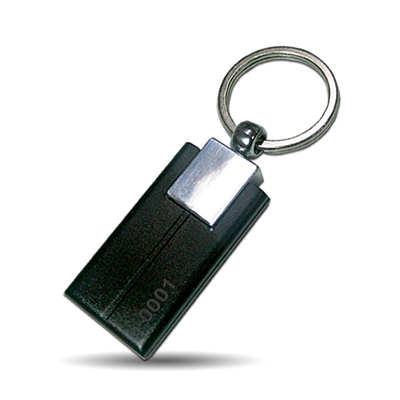
- תגיות ABS MIFARE עגולות: מתאים לאביזרי PP קשיחים, כגון קסדות.
-
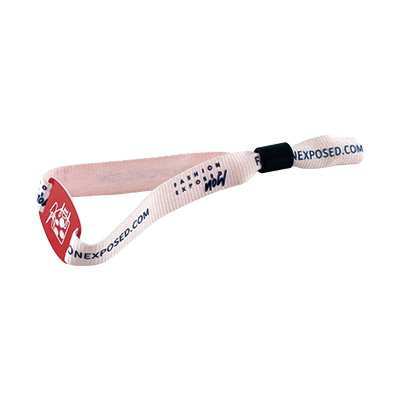
תג טקסטיל לאיטום בחום: מתאים לציוד רך, כגון אפודים וחליפות בטיחות.
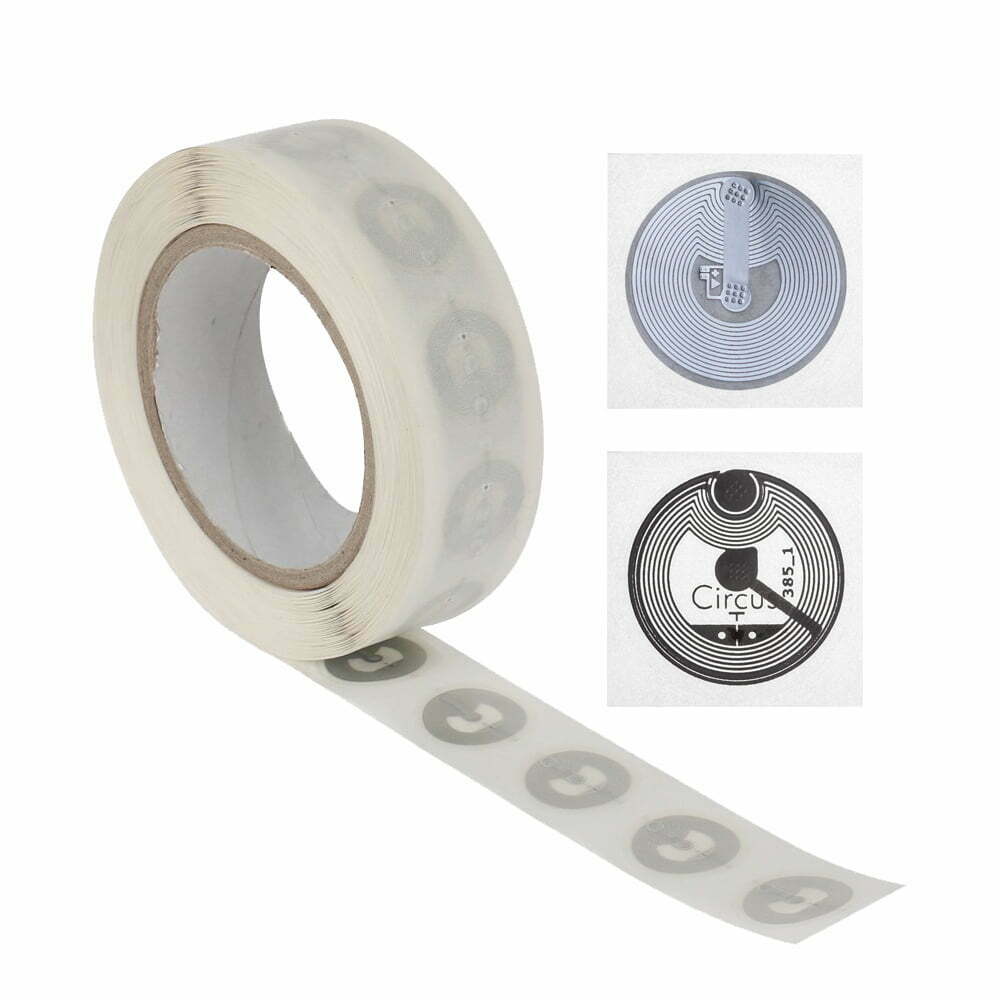
- תגיות אנטי מתכת RFID UHF (1000 חתיכות): מתאים למחסני סביבת מתכת.
ניתן לחבר מוצרים אלה ל-ppe או לאריזות/קופסאות שלו וניתן לפרוס אותם עם קוראי RFID בדרגה תעשייתית בכניסות למחסנים או במעברים כדי להשיג תוצאה מלאה “מחסן RFID מעקב PP” תַהֲלִיך.
שאלות נפוצות
שאלה 1: מה זה “מחסן RFID מעקב PP”?
תְשׁוּבָה: זה מתייחס לשימוש בטכנולוגיית RFID (כגון תגי UHF RFID, קוראי RFID ברמה תעשייתית, וקוראי RFID כף יד) לעקוב ולנהל PPE במחסן, ובכך להשיג מלאי בזמן אמת, ספירת מלאי אוטומטית, והתערבות ידנית מופחתת.
שאלה 2: כמה עבודת מלאי ידנית ניתן להפחית באמצעות טכנולוגיית RFID?
א: מחקרי מקרים מראים כי ניתן לסיים משימות שבאופן מסורתי לוקח ימים או אפילו שבועות לבצע באופן ידני תוך מספר שעות בלבד עם מערכות RFID (כגון קוראים מותקנים ברכב), השגת קצב דיוק של מעל 98%.
שאלה 3: אילו סוגי תגים יש לקחת בחשבון בעת פריסת מערכת RFID במחסן PPE?
א: מומלץ לבחור תגים המתאימים לסביבת המחסן. לְדוּגמָה, תגי RFID אנטי מתכת מתאימים למדפי מתכת או תרחישים עם מספר רב של קופסאות; תגי UHF RFID עמידים בפני מזג אוויר מתאימים לסביבות חיצוניות או לחות. יֶתֶר עַל כֵּן, בחירת קוראי RFID תואמים בדרגה תעשייתית וקוראי RFID כף יד היא גם חיונית.
למידע נוסף,אָנָא צרו קשר.