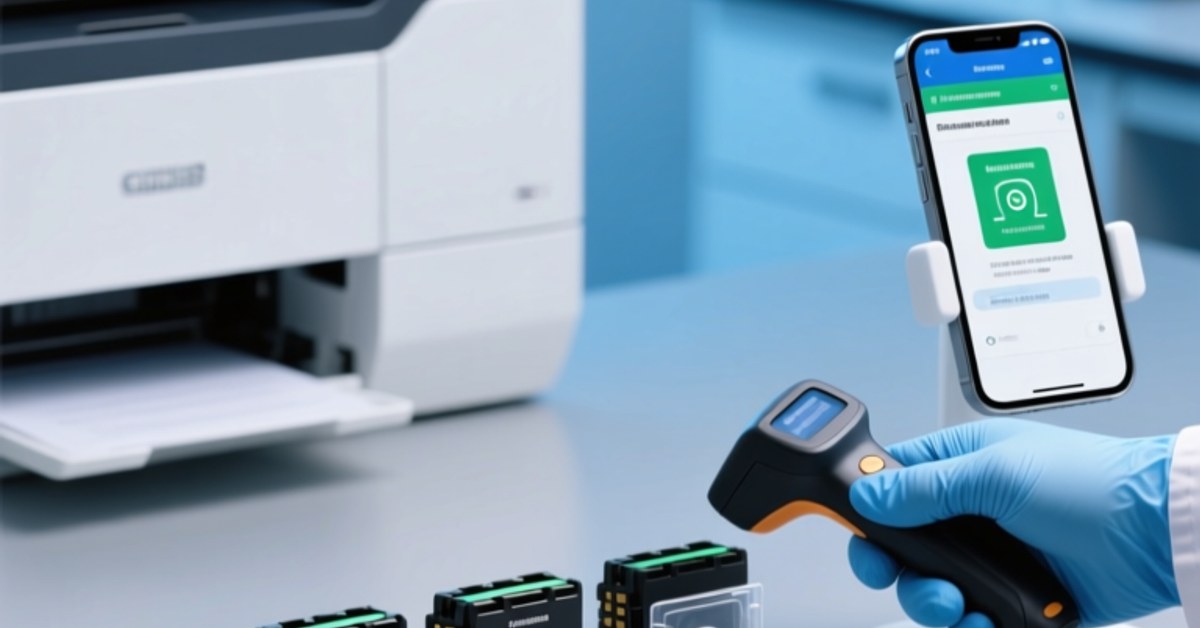
Gedreven door de EU-verordening inzake duurzaam ecologisch ontwerp (ESPR), Digitale productpaspoorten (DPPS) worden standaardpraktijk in de textiel- en kledingindustrie. In deze digitale transformatie, RFID-tags zijn niet alleen een inventarisatietool, maar ook een cruciale schakel die fysieke producten verbindt met digitale dubbele informatie.
Van productie tot retail: Onmisbare transparantie
In de productiefase, RFID-kledinglabels geef elk item een wereldwijd unieke digitale identiteit. Volgens gegevens van McKinsey, Door RFID in te zetten kan de inventarisnauwkeurigheid worden verhoogd van gemiddeld 65% naar voorbij 95% en verminder het voorraadpercentage met maximaal 50%. Als toonaangevende leverancier van oplossingen, RFIDHYDe UHF-chips registreren de oorsprong van grondstoffen, verwerkingstechnieken, en gegevens over de CO2-voetafdruk in realtime, het waarborgen van de naleving en het gezag van DPP informatie.
Het binnendringen van de “Zwarte doos” Na consumptie: De basis van de circulaire economie
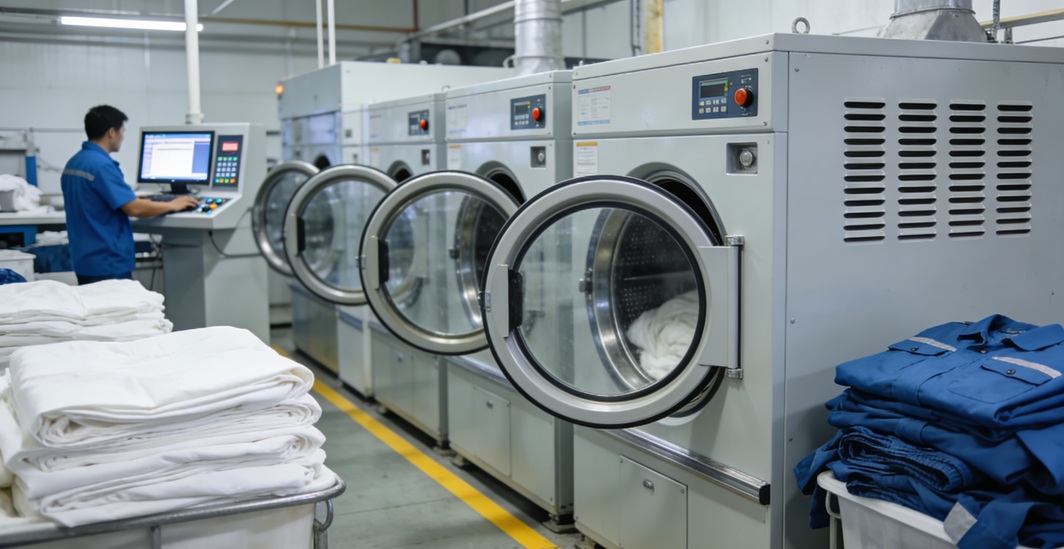
De kernuitdaging van DPP ligt in het identificeren van kleding nadat deze het recyclingproces is ingegaan. Gewone papieren labels raken gemakkelijk kwijt, terwijl ze hoge prestaties leveren RFID-wastags kan in kledingnaden worden ingebed en is bestand tegen overbelasting 200 industriële wasbeurten. Dit betekent dat wanneer een oud kledingstuk een recyclingcentrum binnenkomt, het sorteersysteem kan direct de vezelsamenstelling aflezen (Bijv., 60% katoen + 40% polyester) en informatie over het land van herkomst via RFID-trackingtags. Dat blijkt uit statistieken van de China Textile Recycling Federation, Nauwkeurig geautomatiseerd sorteren kan de waarde van gerecyclede materialen met ongeveer verhogen 20%-30%.
Waarom kiezen voor RFIDHY ter ondersteuning van uw DPP-strategie?
Het realiseren van een volledig levenscyclusbeheer van textiel vereist uiterst stabiele hardware. RFIDHYDe gespecialiseerde tags die zijn ontwikkeld voor de textielindustrie voldoen aan internationale normen op het gebied van temperatuurbestendigheid, druk weerstand, en signaalgevoeligheid. Of het nu gaat om snelle voorraadcontroles met behulp van RFID-tag lezers in de detailhandel of voor RFID-trackingsystemen in de logistiek, RFIDHY biedt end-to-end compliance-ondersteuning.
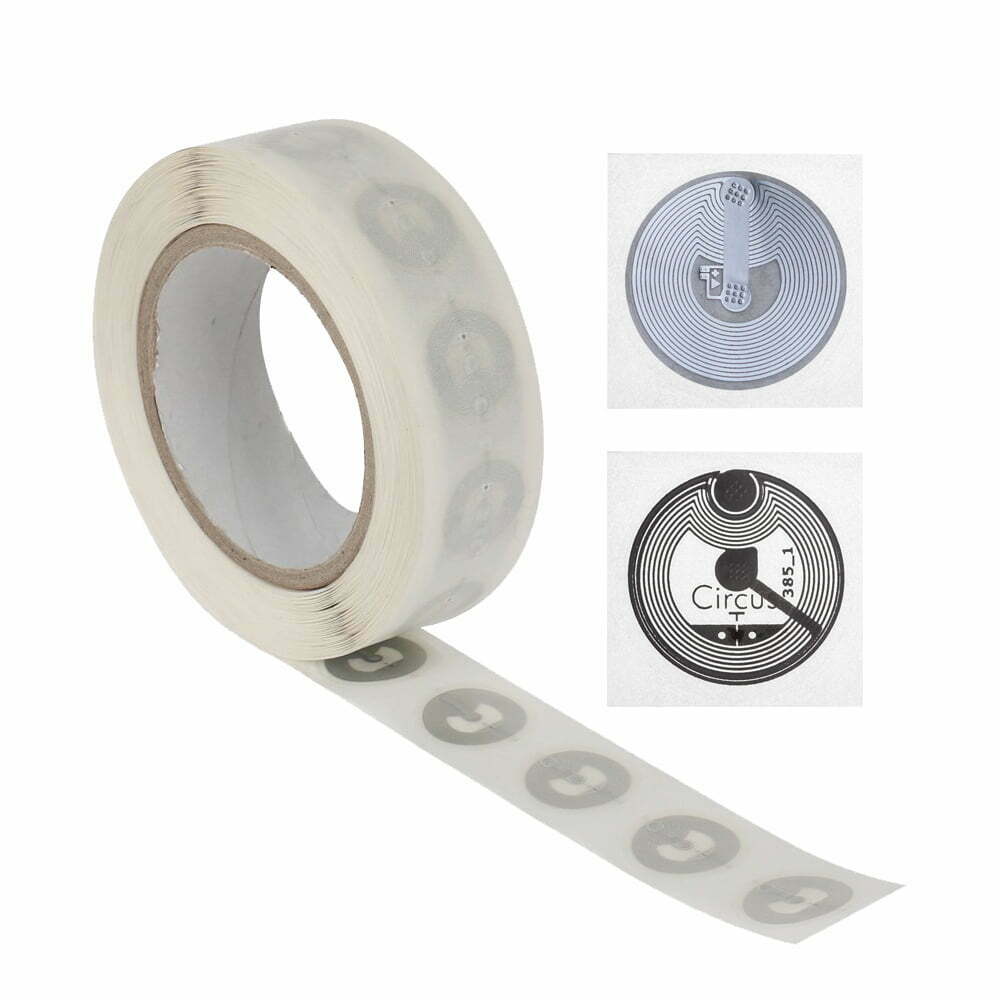
Samenvattend, RFID-technologie is de beste technische oplossing voor het implementeren van digitale productiviteit (DPP). Het verlengt de “digitale identiteitskaart” van een kledingstuk van de fabriek naar de tweedehandsmarkt en recyclingcentra. Door te solliciteren RFID-stickers voor inventaris en ingesloten tags, merken kunnen niet alleen aan de wettelijke eisen voldoen, maar ook een echt betrouwbare en groene gesloten kringloop opbouwen.
Voor meer informatie,Alsjeblieft neem contact met ons op.