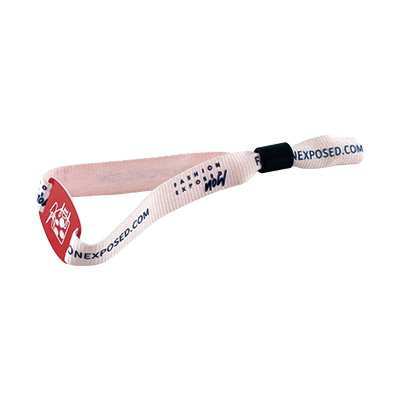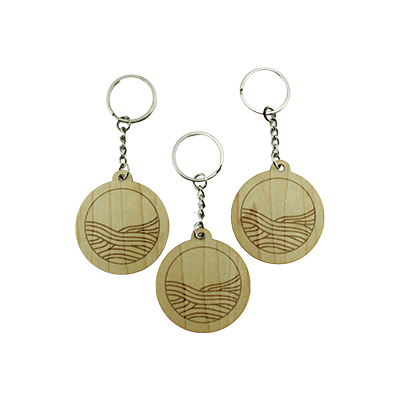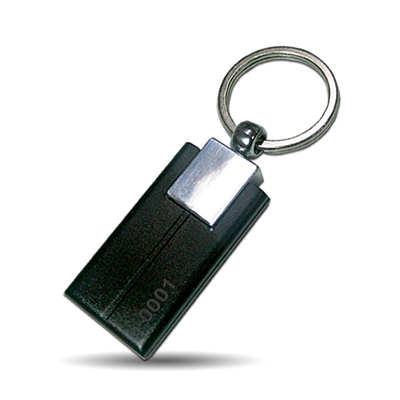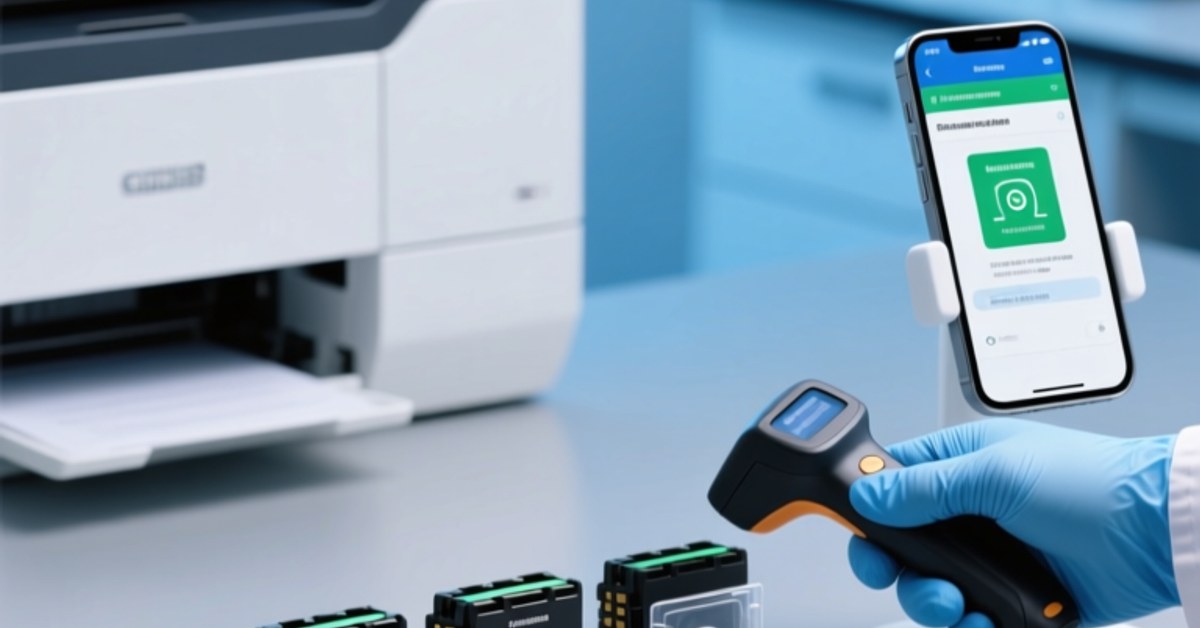
EU의 지속 가능한 에코디자인 규정에 따라 추진됨 (ESPR), 디지털 제품 여권 (DPP) 섬유 및 의류 산업의 표준 관행이 되고 있습니다.. 이번 디지털 트랜스포메이션에서는, RFID 태그 재고 도구일 뿐만 아니라 실제 제품과 디지털 트윈 정보를 연결하는 중요한 링크이기도 합니다..
생산에서 소매까지: 필수적인 투명성
생산 단계에서, RFID 의류 태그 각 항목에 전 세계적으로 고유한 디지털 ID를 부여합니다.. 맥킨지 데이터에 따르면, RFID를 배포하면 평균적으로 재고 정확도를 높일 수 있습니다. 65% 이상으로 95% 품절률을 최대로 줄입니다. 50%. 선도적인 솔루션 제공업체로서, RFIDHY의 UHF 칩은 원자재 원산지를 기록합니다., 처리 기술, 탄소발자국 데이터를 실시간으로, 규정 준수 및 권한 보장 DPP 정보.
관통 “블랙박스” 소비 후: 순환경제의 기초
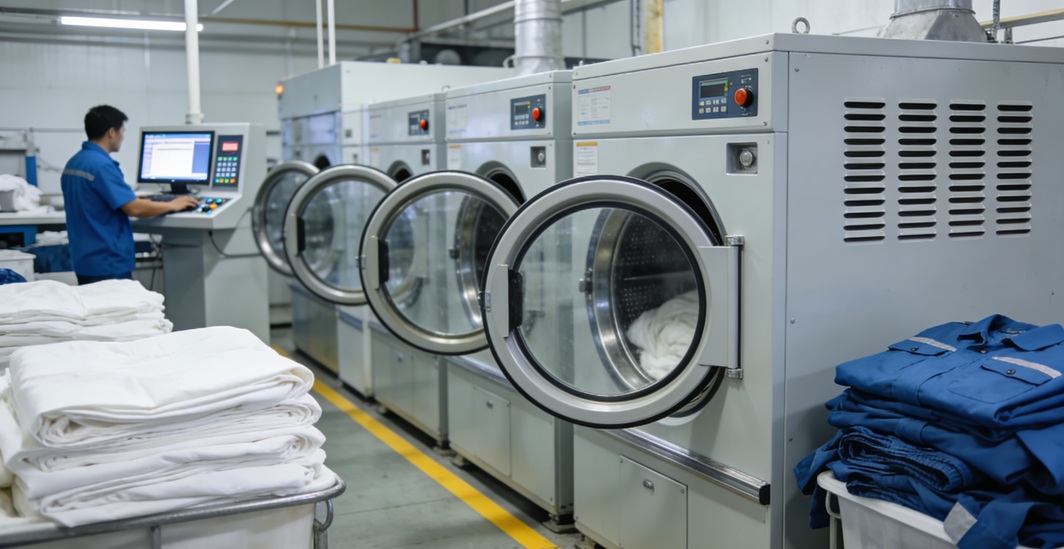
핵심 과제 DPP 의류가 재활용 과정에 들어간 후 이를 식별하는 데 있습니다.. 일반 종이 태그는 쉽게 분실됩니다., 고성능이면서 RFID 세탁 태그 의류 솔기에 내장되어 견딜 수 있음 200 산업용 세척제. 이는 오래된 의류가 재활용 센터에 들어갈 때를 의미합니다., 분류 시스템은 섬유 구성을 즉시 읽을 수 있습니다. (예를 들어, 60% 면 + 40% 폴리에스테르) RFID 추적 태그를 통한 원산지 정보 및 원산지 정보. 중국섬유재활용연합회 통계에 따르면, 정확한 자동 분류를 통해 재활용 물질의 가치를 대략적으로 높일 수 있습니다. 20%-30%.
DPP 전략을 지원하기 위해 RFIDHY를 선택해야 하는 이유?
직물의 전체 수명주기 관리를 달성하려면 매우 안정적인 하드웨어가 필요합니다.. RFIDHY섬유 산업용으로 개발된 의 특수 태그는 내열성 측면에서 국제 표준을 충족합니다., 압력 저항, 신호 감도. 신속한 재고 확인 여부 RFID 태그 소매업 리더기 또는 물류업계 RFID 추적 시스템용 리더기, RFIDHY는 엔드 투 엔드 규정 준수 지원을 제공합니다..
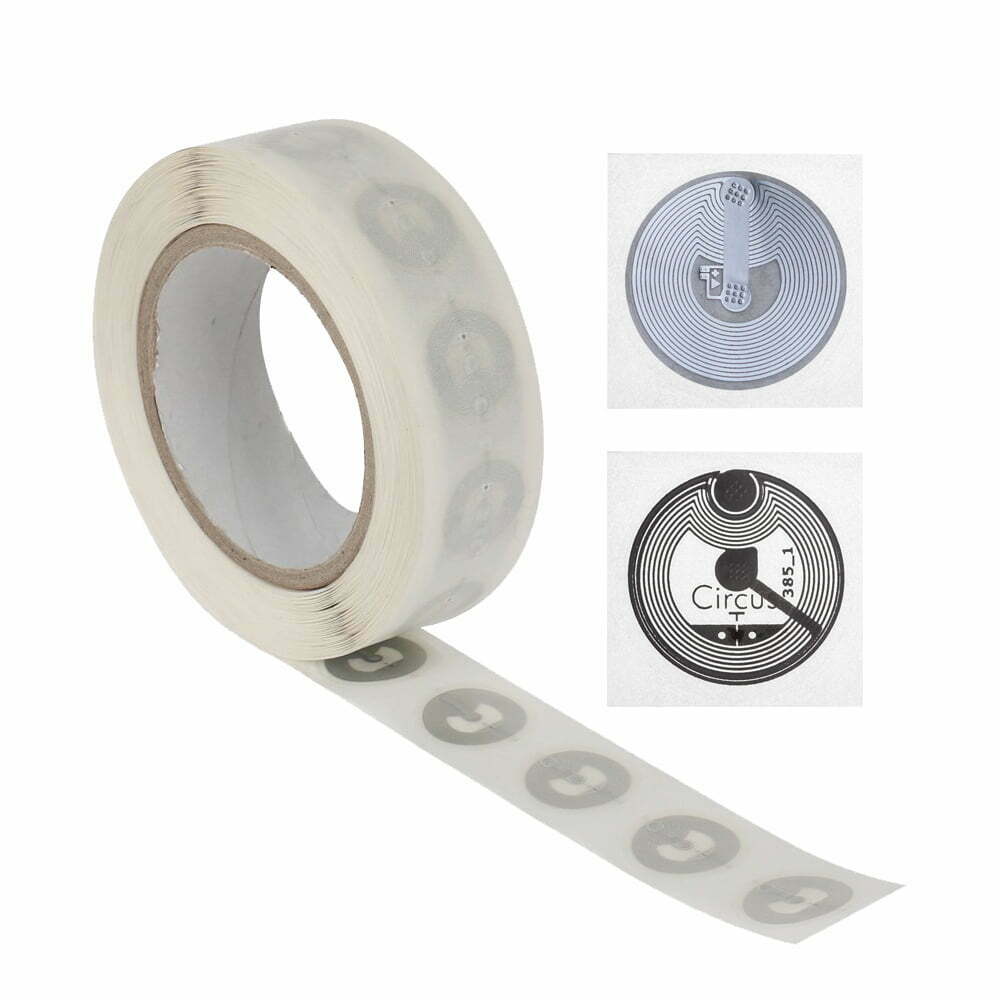
요약, RFID 기술은 디지털 생산성 구현을 위한 최고의 기술 솔루션입니다. (DPP). 그것은 확장합니다 “디지털 ID” 공장에서 중고시장 및 재활용 센터로 의류를 운송하는 과정. 신청함으로써 RFID 스티커 인벤토리 및 삽입된 태그의 경우, 브랜드는 규제 요구 사항을 충족할 수 있을 뿐만 아니라 진정으로 신뢰할 수 있는 친환경 폐쇄 루프를 구축할 수 있습니다..
자세한 정보,제발 저희에게 연락하십시오.