Why the NFC Chip Matters for Your B2B Solution
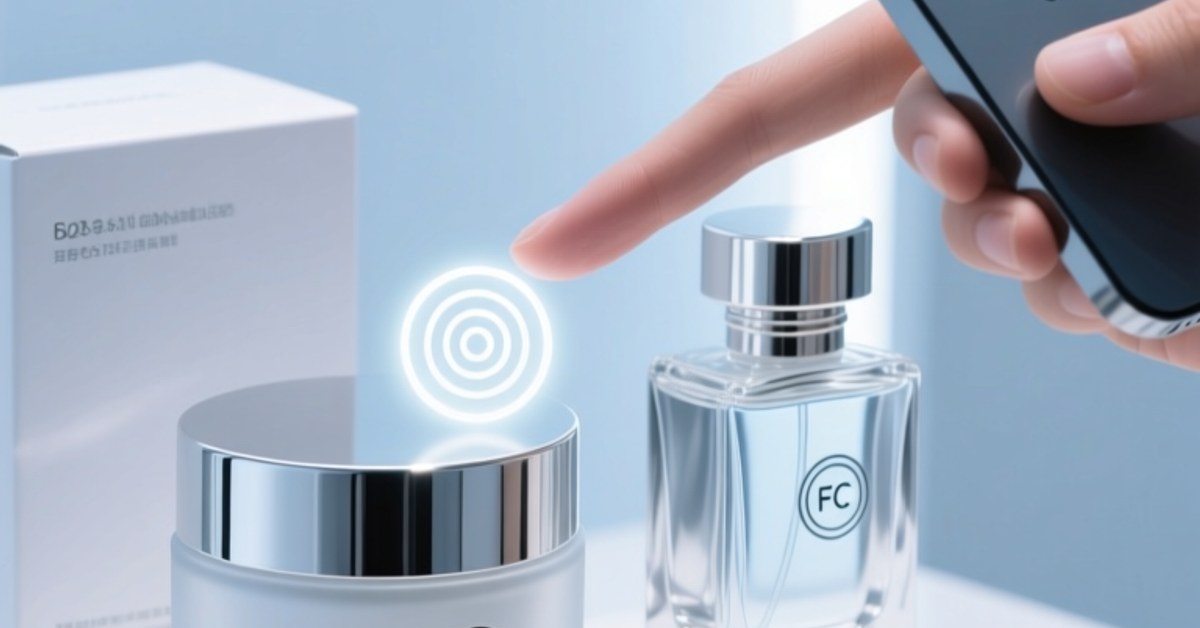
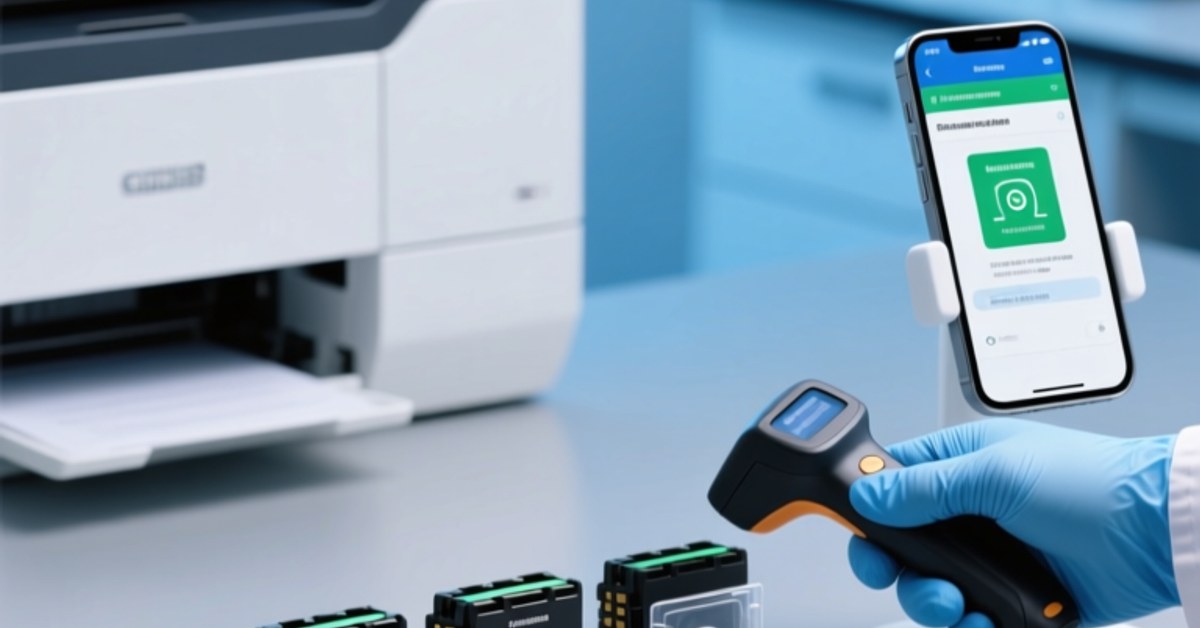
For OEMs, system integrators, and enterprise buyers, the tiny NFC chip at the heart of a tag, label, or wristband determines not only read range and speed but also data security, format compatibility, and supply chain traceability. Choosing the wrong IC can lead to interoperability failures in the field, insufficient memory for your application data, or missing anti-counterfeiting features. This guide compares five NXP semiconductors commonly found in commercial NFC products, helping you align chip selection with project requirements.
Chip Overview: NTAG and ICODE Families
The NTAG family follows NFC Forum Type 2 and Type 4 specifications, ensuring broad compatibility with all NFC-enabled smartphones and readers. Memmory-optimized NTAG 213, 215, and 216 serve general-purpose NFC tasks. NTAG 424 DNA adds AES-128 cryptographic authentication and Secure Unique NFC (SUN) messaging for brand protection. ICODE (specifically ICODE SLIX and ICODE DNA) belongs to the ISO 15693 vicinity standard, offering longer read range and strong anti-collision; it is the preferred foundation for industrial RFID and library applications where multiple tags must be inventoried rapidly.
Detailed Feature Comparison
>
| Chip | User Memory | Security & Special Features | Standard | Best-Fit Use Cases |
|---|---|---|---|---|
| NTAG 213 | 144 bytes | 32-bit password, originality signature (ECC) | NFC Forum Type 2 | URL redirection, simple smart posters, basic product info |
| NTAG 215 | 504 bytes | 32-bit password, originality signature | NFC Forum Type 2 | Digital Product Passport profiles, gaming, medium-capacity NDEF records |
| NTAG 216 | 888 bytes | 32-bit password, originality signature | NFC Forum Type 2 | Rich content delivery, detailed product documentation, smart packaging |
| NTAG 424 DNA | 416 bytes | AES-128 encryption, CMAC, SUN mirroring, configurable file system, privacy mode | NFC Forum Type 4 | Anti-counterfeiting, secure authentication, luxury item validation, event ticketing |
| ICODE SLIX / ICODE DNA | 112 bytes (SLIX) / 440 bytes (DNA) typical | UID, EAS, optional AES (DNA), fast anti-collision, long read range | ISO 15693 | Asset tracking, library management, industrial inventory, medical device tagging |
How to Match Chips to Your Product Category
Once you narrow down the IC, you still need the right physical format. NFCWORK, RFIDHY, RFIDTAGHY, and WRISTBANDHY offer finished products built on these chips. Use the table below to quickly map a chip to a corresponding product category from our portfolio.
>
| Application Domain | Recommended Chip | Suitable Product Category | Source Site |
|---|---|---|---|
| Basic URL or digital business card sharing | NTAG 213 | NFC business cards, NFC stickers | nfcwork.com |
| Digital Product Passport or medium data load | NTAG 215 | NFC tags, NFC inlays for apparel | nfcwork.com |
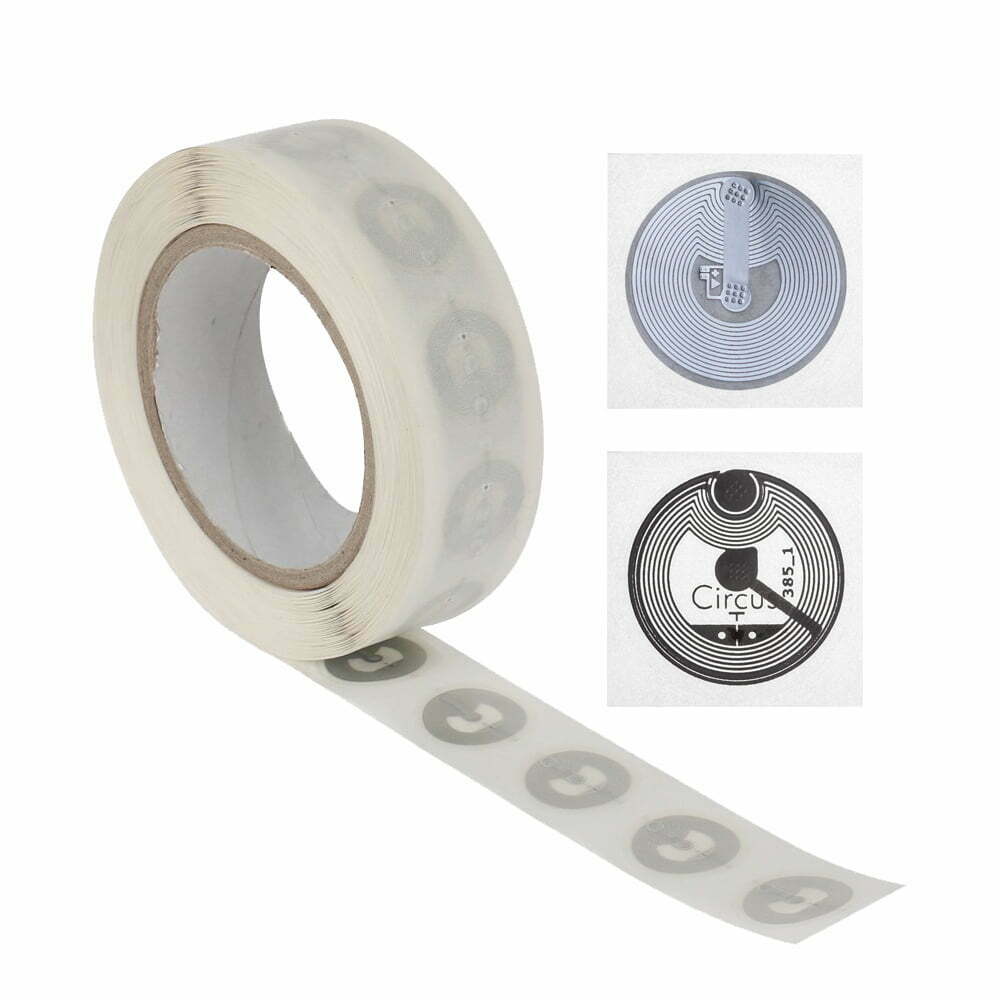
| Rich content packaging and consumer engagement | NTAG 216 | NFC stickers, NFC labels for smart packaging | rfidhy.com, nfcwork.com |
| Luxury brand authentication and anti-tampering | NTAG 424 DNA | NFC tags for luxury items, NFC inlays with originality protection | nfcwork.com, rfidtaghy.com |
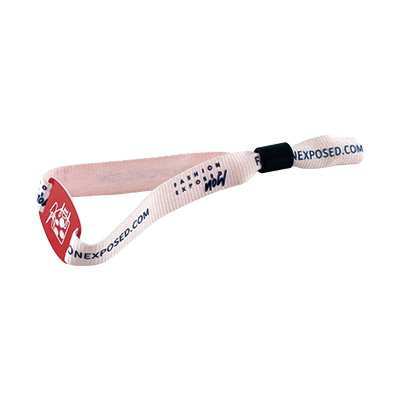
| Contactless event wristbands with secure access | NTAG 215 / NTAG 424 DNA | NFC wristbands, NFC silicone wristbands | wristbandhy.com |
| Industrial asset and inventory tracking | ICODE SLIX | RFID tags, RFID labels, high-temperature RFID tags | rfidtaghy.com, rfidhy.com |
Making the Final Decision
Start with the application layer: what data goes on the tag? Is end-to-end encryption mandatory? Will readers be consumer phones (NFC Forum) or dedicated RFID infrastructure (ISO 15693)? NTAG 213, 215, and 216 deliver smooth interoperability in smartphone-centric use cases. NTAG 424 DNA is the go-to when brand trust and data integrity cannot be compromised. ICODE steps in for bulk scanning and industrial environments where read speed and distance matter more than smartphone tapping. By aligning the chip spec with the output format—be it an NFC inlay, NFC wristband, or RFID label—you ensure a reliable, cost-optimized solution.
1. Can a smartphone read both NTAG and ICODE chips?
Most modern smartphones natively read NTAG (NFC Forum compliant) but do not read ISO 15693 (ICODE) without a dedicated app or external reader. For consumer smartphone interaction, NTAG is the right choice.
2. What memory size do I really need?
A URL or simple text record fits in 144 bytes (NTAG 213). A Digital Product Passport with full attributes may require 504 bytes (NTAG 215) or more. NTAG 216 gives headroom for rich content. Choose based on the maximum NDEF message your application demands.
3. Is NTAG 424 DNA always necessary for security?
Not always. It is essential when you need cryptographically verifiable authenticity and mirroring of dynamic tap data. For basic password-protected memory, NTAG 213-216 can suffice. NTAG 424 DNA adds AES-128 encryption and SUN, making it ideal for anti-counterfeiting.
4. Where can I source finished tags on these chips?
NFCWORK, RFIDHY, RFIDTAGHY, and WRISTBANDHY all offer NFC and RFID products built on the chips covered here. You can request a consultation for your specific chip, form factor, and volume requirements.
Ready to choose the right NFC chip for your next project? Our team at NFCWORK Technology helps you navigate chip selection, antenna design, and product encoding. Explore our NFC product line or contact us to discuss your specifications. We provide samples and volume pricing on NTAG 213, 215, 216, 424 DNA, and ICODE-based tags, inlays, and wristbands.