EU Regulatory Mandates Driving DPPs
The European Union is accelerating sustainability accountability through binding legislation: the Battery Regulation (EU) 2023/1542 and the ESPR framework now require DPPs for all rechargeable industrial, EV, and portable batteries—and for electronic products placed on the EU market. As of February 2027, every battery above 2 kWh must carry a unique, machine-readable battery passport. Similarly, electronics covered under ESPR—including smartphones, laptops, and power tools—must embed DPPs by 2029.
What Data Belongs in a Battery & Electronics DPP?
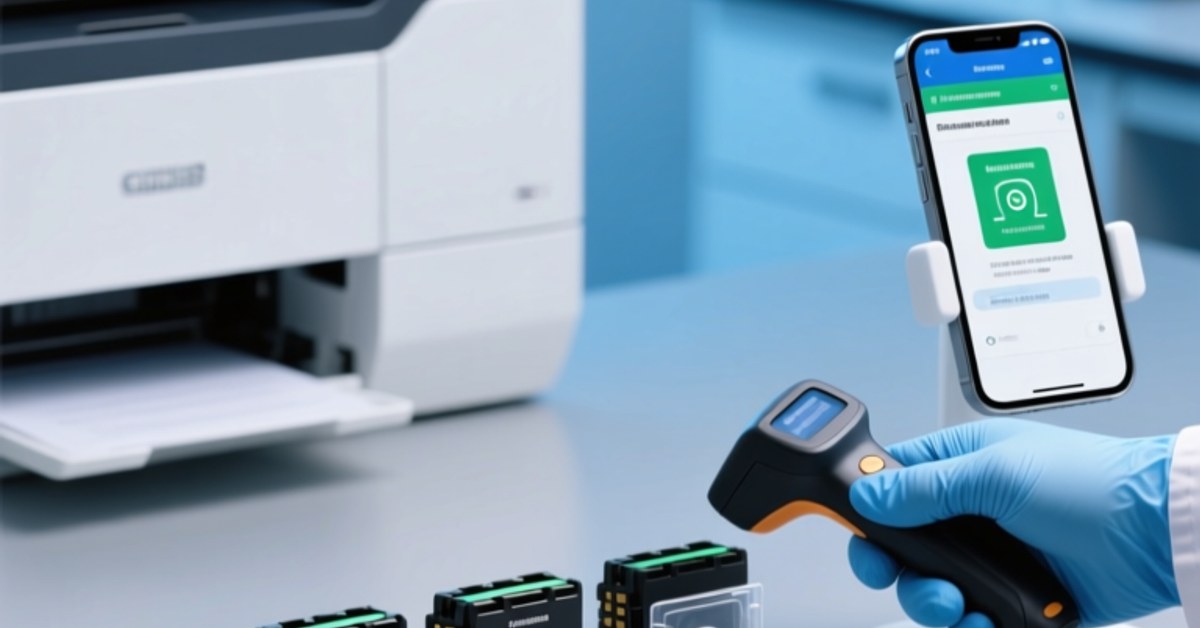
A compliant DPP goes beyond serial numbers. It serves as a living sustainability dossier, storing verified, tamper-resistant data including:
- Battery chemistry (e.g., LFP, NMC), nominal capacity, and state-of-health metrics
- Cycle life history and remaining usable cycles
- Percentage of recycled cobalt, lithium, nickel, and aluminum
- Repairability score, disassembly instructions, and spare part availability
- Carbon footprint (cradle-to-gate), end-of-life collection routes, and recycling instructions
NFC Integration: Secure, Seamless, and Scalable
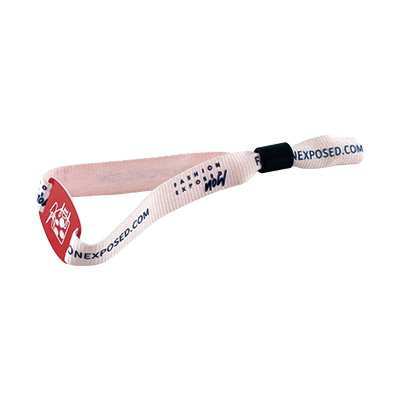
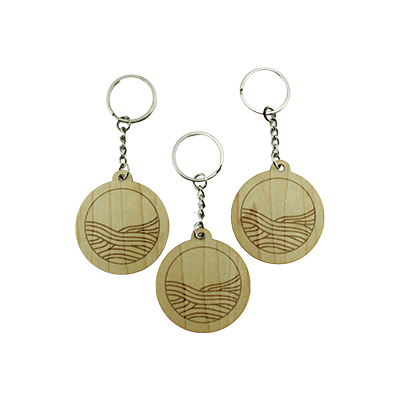
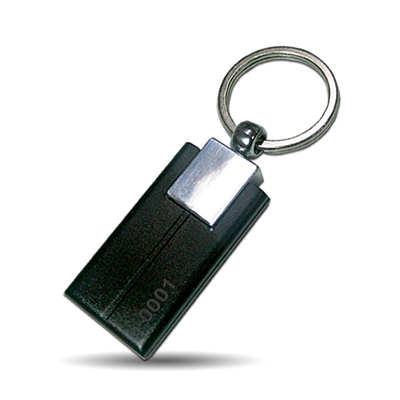
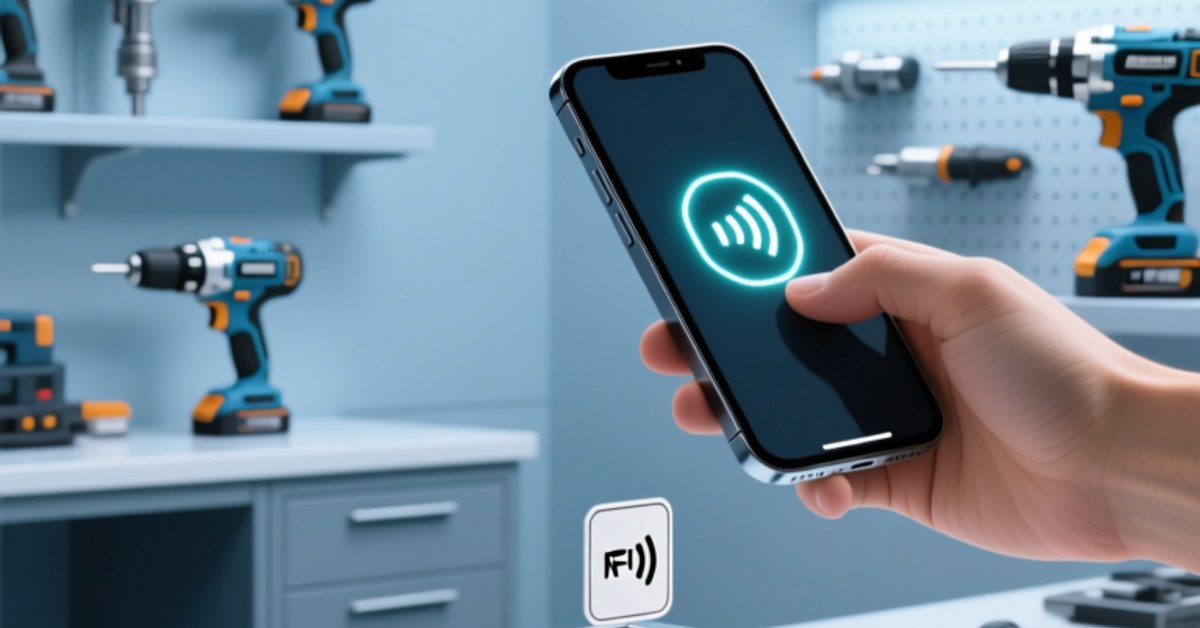
NFC technology provides the ideal interface for DPPs—contactless, low-power, smartphone-accessible, and inherently secure when implemented correctly. For batteries and electronics, NFC tags are embedded at three key points:
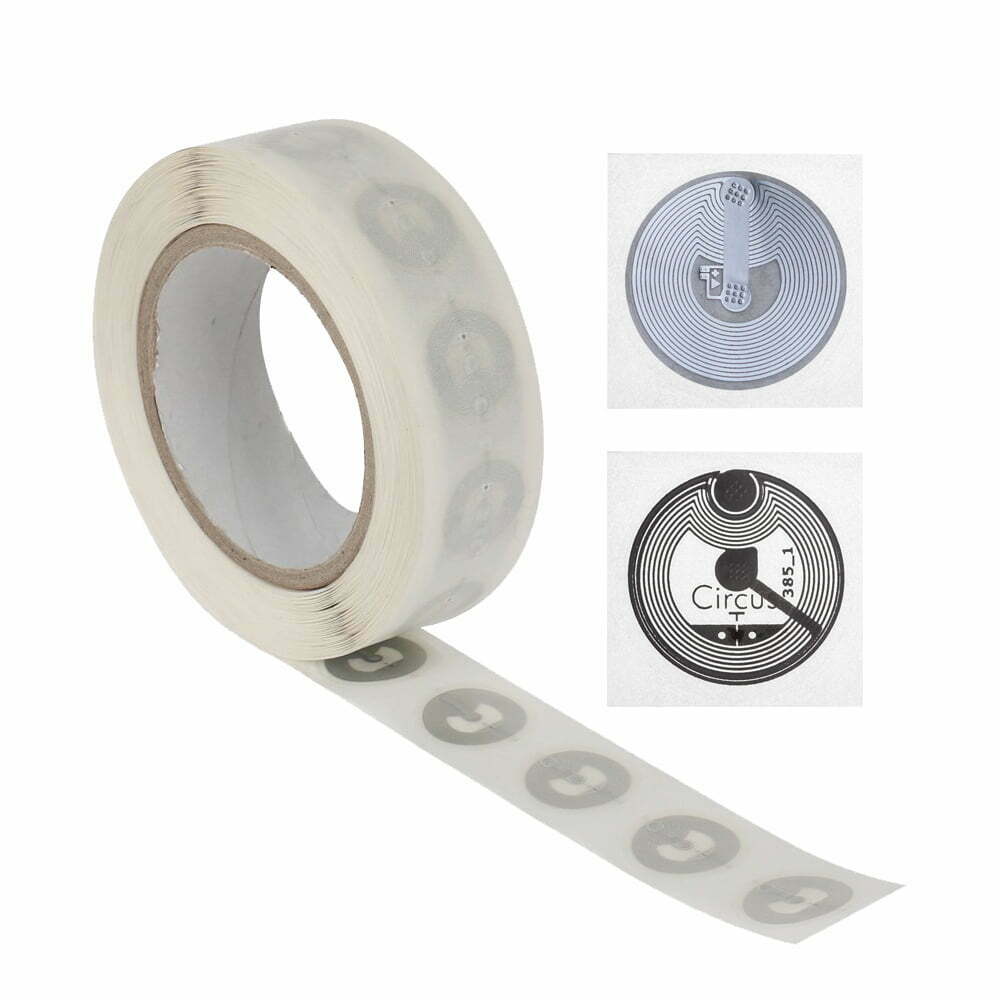
- In labels or nameplates: Applied to battery casings or device chassis using high-adhesion NFC stickers or custom NFC inlays
- Sealed within protective housings: Using ruggedized NFC tags rated for thermal, mechanical, and chemical resistance
- Integrated into packaging: NFC business cards or NFC-enabled product boxes for out-of-box DPP access
RFIDHY’s NFC tags—including NTAG 424 DNA and NTAG 226 chips—are engineered for this purpose. NTAG 424 DNA supports cryptographic signature verification and dynamic URL redirection, ensuring only authorized stakeholders (manufacturers, recyclers, regulators) can update core DPP fields—while consumers scan for read-only sustainability summaries. NTAG 226 offers robust memory and strong anti-cloning protection, ideal for high-volume electronics production lines.
Real-World Adoption Across Sectors
Early adopters include major EV battery manufacturers embedding NFC tags directly into module housings for real-time health tracking and second-life qualification. Consumer electronics OEMs are piloting DPP integration via NFC inlay labels on laptop bottom plates—linking to manufacturer-hosted DPP portals with repair guides and material declarations.
Consumer and Enterprise Benefits Beyond Compliance
For enterprises, DPPs streamline regulatory reporting, reduce audit risk, and strengthen ESG disclosures. For consumers, NFC-enabled DPPs deliver transparency: scan a smartphone to instantly view recycled content %, verify authenticity, locate certified e-waste drop-off points, or assess repair options before purchase.
Timeline & Consequences of Non-Compliance
>
| Milestone | Requirement | Penalty Risk |
|---|---|---|
| Feb 2027 | All new batteries >2 kWh must have functional battery passport | Market withdrawal, fines up to 4% global turnover (per EU Directive) |
| 2029 | DPPs mandatory for ESPR-covered electronics (e.g., smartphones, tablets) | Loss of CE marking eligibility; import bans |
FAQ
- Do DPPs apply to batteries already in stock before 2027?
Yes—only batteries placed on the EU market after the deadline require DPPs. Stock manufactured earlier may be sold without, but traceability systems must still support future DPP linkage. - Can legacy devices be retrofitted with NFC-based DPPs?
Yes. RFIDHY offers NFC stickers and flexible NFC inlays compatible with surface-mount application on existing electronics and battery packs—enabling phased compliance rollout. - How do I ensure my NFC tag meets EU cybersecurity requirements for DPPs?
NTAG 424 DNA is Common Criteria EAL5+ certified and supports AES-128 encryption and dynamic URL signing—meeting EN 303 645 IoT security baseline standards referenced in the Battery Regulation. - Are RFIDHY NFC tags compatible with ERP and PLM systems?
Yes. All RFIDHY NFC tags support standard NDEF formatting and integrate seamlessly with leading PLM platforms via RESTful APIs and cloud-based DPP management dashboards.
Prepare Your Supply Chain for EU DPP Mandates—Before 2027
RFIDHY delivers certified NFC tag solutions—including NTAG 424 DNA and NTAG 226 variants—designed for battery and electronics DPP deployment at scale. Request a technical consultation and sample kit today.