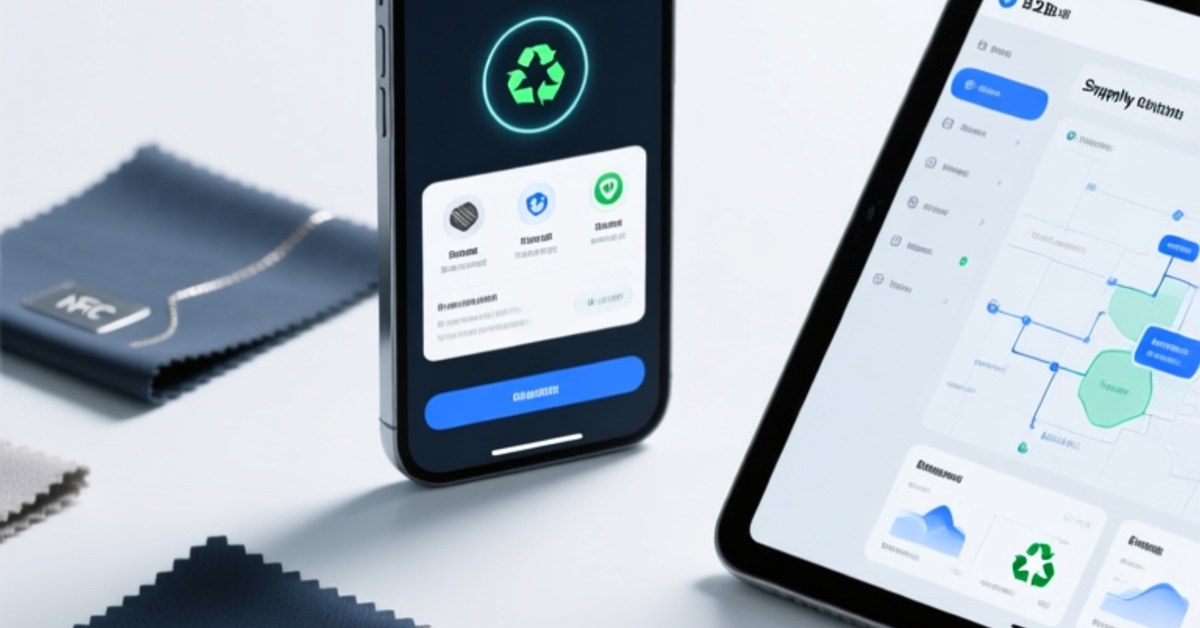
Why Digital Product Passports Are Essential for Textile & Fashion Brands
The European Union’s Eco-design for Sustainable Products Regulation (ESPR) mandates Digital Product Passports (DPP) for textiles by 2027 — making DPP implementation no longer optional, but a strategic imperative. As one of the most resource-intensive industries globally, fashion faces mounting pressure to prove origin, composition, environmental impact, and end-of-life pathways. A robust DPP solution bridges regulatory compliance, supply chain visibility, and consumer trust — all anchored by secure, scannable digital identities embedded directly into garments.
How NFC Clothing Tags Power the Textile DPP Ecosystem
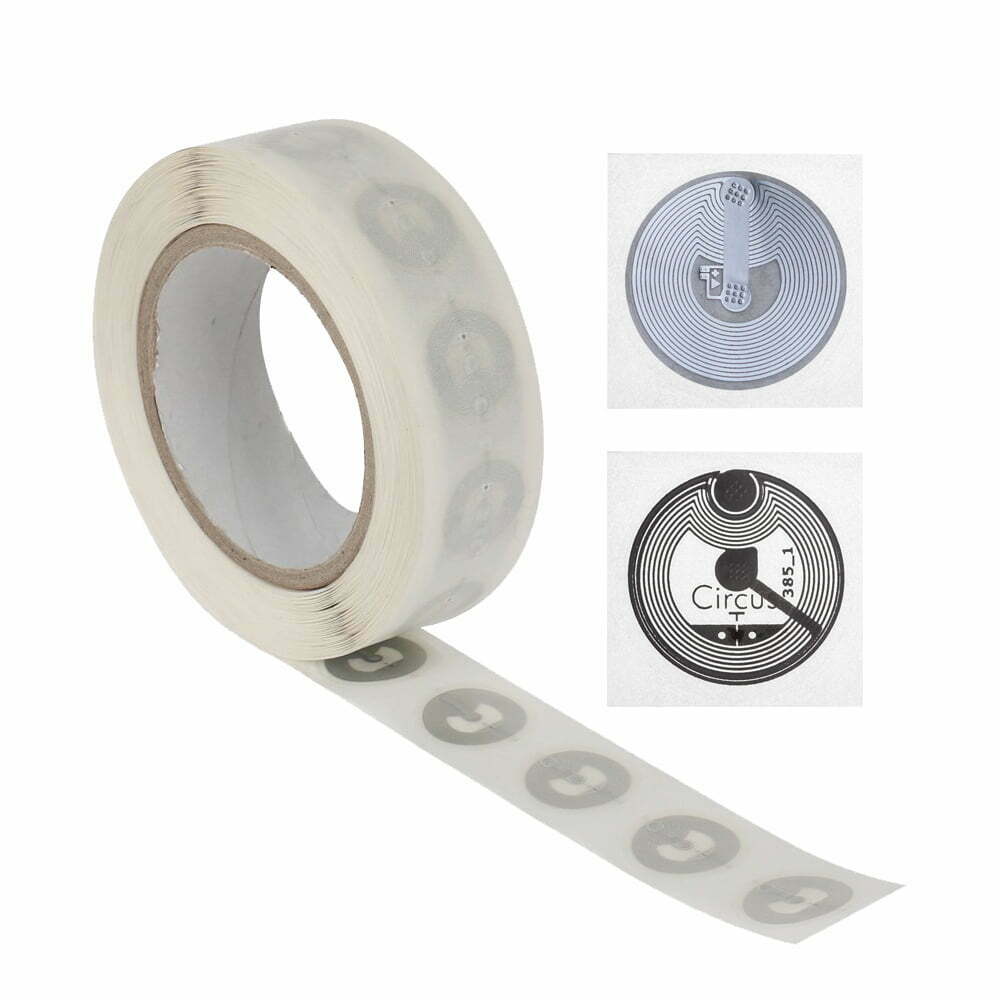
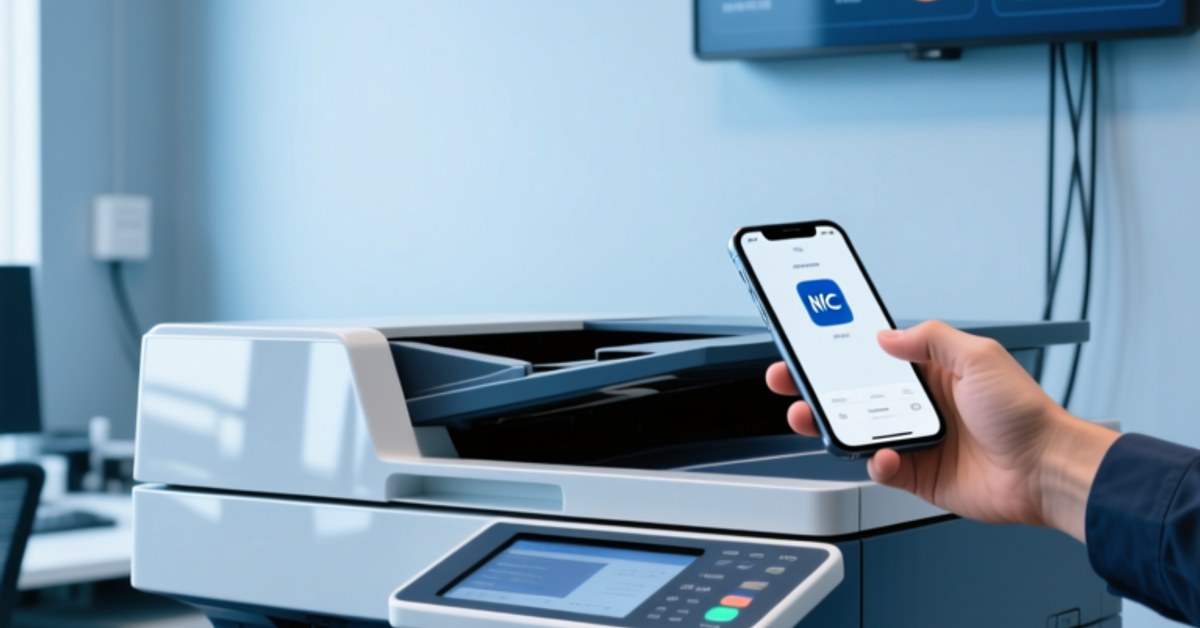
NFC technology provides the ideal physical layer for textile DPPs: contactless, smartphone-readable, tamper-resistant, and embeddable at scale. Unlike QR codes or printed labels, NFC tags — including flexible NFC inlays and wash-resistant NFC stickers — can be seamlessly integrated into garment care labels, woven linings, or accessory hardware without compromising aesthetics or durability.
Data Stored in a Textile Digital Product Passport
A compliant DPP stores structured, verifiable data accessible via NFC tap. Key fields include:
- Material Composition: Fiber types, percentages, certifications (e.g., GOTS, recycled PET)
- Supply Chain Origins: Tiered manufacturing locations, factory IDs, and audit dates
- Care & Repair Guidance: Machine-wash settings, ironing temps, repair tutorials
- Recyclability & Disposal Pathways: Sorting instructions, chemical compatibility, take-back program links
- Sustainability Metrics: Water usage, carbon footprint, circularity score (aligned with EU PEF methodology)
DPP Use Cases Across Fashion Segments
>
| Segment | Primary DPP Drivers | RFIDHY Enabling Technology |
|---|---|---|
| Fast Fashion | Regulatory compliance, inventory accuracy, reverse logistics optimization | NFC inlays for high-volume label integration; compatible with existing UHF RFID readers for dual-mode warehouse scanning |
| Luxury & Premium | Authentication, exclusivity, immersive storytelling, resale verification | Custom NFC stickers with encrypted payload; paired with HF RFID readers for boutique authentication kiosks |
Integration with Existing Infrastructure
Brands need seamless DPP adoption — not system replacement. RFIDHY’s NFC solutions interoperate natively with legacy labeling workflows and enterprise systems:
- Label Printing: NFC inlays integrate into standard thermal or flexographic label printers used for care tags
- Inventory Systems: NFC data syncs with ERP and PLM platforms via REST APIs; UHF RFID readers (e.g., handheld RFID reader) read both NFC and UHF tags during receiving and stock audits
- Consumer Apps: Tap-to-learn experiences use open NFC standards — no proprietary app required
The Enterprise Business Case for Textile DPPs
Beyond compliance, DPPs deliver measurable ROI:
- Sustainability Reporting: Automated data capture reduces manual ESG reporting effort by up to 65% (per internal brand pilot data)
- Customer Engagement: 78% of consumers report higher brand loyalty when accessing verified product stories via NFC (2024 McKinsey Apparel Consumer Survey)
- Circular Economy Enablement: Accurate material ID improves sorting yield in textile recycling facilities — critical for meeting EU EPR obligations
F AQ
- What is a textile digital product passport?
A standardized digital record linked to a physical garment via NFC or QR, containing verified data on materials, origin, care, and end-of-life options — mandated under EU ESPR for textiles. - Can NFC clothing tags survive industrial laundering?
Yes. RFIDTAGHY’s RFID laundry tags and specialized NFC inlays are engineered for >100 wash cycles and withstand high-temp steam pressing. - Do I need new hardware to deploy NFC DPPs?
No. Most modern smartphones (iOS 13+/Android 6+) read NFC natively. For backend scanning, desktop RFID readers or handheld units support hybrid NFC/UHF workflows. - How does this differ from standard RFID inventory tags?
While UHF RFID enables bulk scanning, NFC provides human-accessible, secure, two-way interaction — essential for consumer-facing DPP experiences and authentication.
Ready to Launch Your Textile DPP Strategy?
RFIDHY offers certified NFC inlays, scalable tag encoding services, and integration support tailored to fashion supply chains — from prototype to global rollout.