Why NFC Is a Game-Changer for Brand Protection
Counterfeit goods cost brands over $1.7 trillion annually (OECD, 2023), eroding trust, revenue, and safety. NFC anti-counterfeiting delivers cryptographic, user-verifiable authenticity—without requiring proprietary infrastructure or consumer apps. Unlike barcodes or QR codes, NFC tags support secure element integration, dynamic data updates, and read-write capabilities that enable end-to-end traceability.
Digital Product Passport Integration
As regulatory frameworks like the EU’s Ecodesign for Sustainable Products Regulation (ESPR) mandate Digital Product Passports (DPP), NFC becomes the physical-digital bridge. Each RFIDHY NFC tag embeds a unique identifier linked to a cloud-hosted DPP—storing origin, materials, compliance certifications, and service history. This ensures verifiability at every touchpoint: from customs inspection to consumer scan.
Luxury Items Authentication in Practice
High-value luxury goods face disproportionate counterfeiting risk. NFC brand protection enables seamless, offline-capable authentication: customers tap an NFC-enabled smartphone on a discreetly embedded tag to instantly verify provenance, serial number, and authorized retailer status. No internet required for initial validation—enhancing UX while preserving privacy.
How NFC Product Verification Works
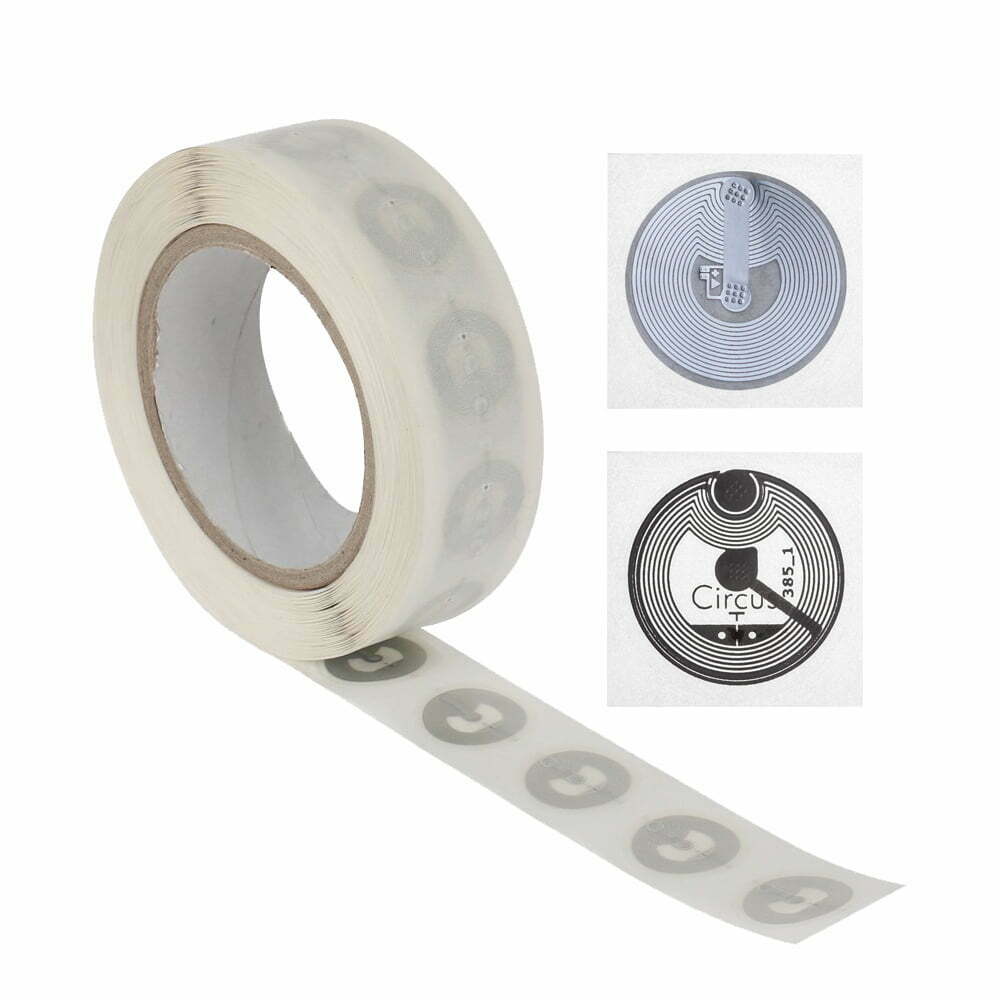
- Secure Tagging: RFIDHY NFC inlays with NDEF-compliant memory and optional Secure Element (SE) or SAM support ensure cryptographic signing of data payloads.
- Cloud Synchronization: Each tag ID maps to a verified record in your brand’s DPP platform—updated in real time during manufacturing, distribution, or servicing.
- Consumer Engagement: Scans trigger branded microsites or progressive web apps (PWAs) with rich media, care instructions, and resale eligibility—turning verification into loyalty activation.
Implementation Considerations
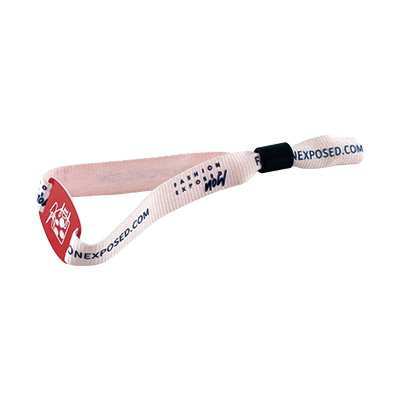
For enterprise deployment, prioritize Digital Product Passport alignment and Luxury items authentication workflows. Ensure NFC inlays meet ISO/IEC 14443-A/B standards and are certified for durability under target environmental conditions (e.g., IP68 for wearable authentication devices).
FAQ
- How does NFC anti-counterfeiting differ from QR code-based solutions?
NFC supports encrypted, write-capable communication and hardware-level security (e.g., SE/SAM). QR codes are static, easily replicated, and lack native tamper detection. - Can NFC brand protection work without internet access?
Yes. Initial tag reading and signature validation occur locally on-device. Full DPP details load upon connection—but core authenticity confirmation is instant and offline-capable. - Is NFC product verification compatible with existing ERP or PLM systems?
Yes. RFIDHY provides RESTful APIs and middleware integrations for SAP, Oracle, PTC Windchill, and other enterprise platforms—enabling synchronized DPP updates across your ecosystem.
Ready to Strengthen Your Brand Protection Strategy?
Our NFC brand protection specialists will help you design, pilot, and scale a solution aligned with your Digital Product Passport roadmap and luxury authentication requirements.