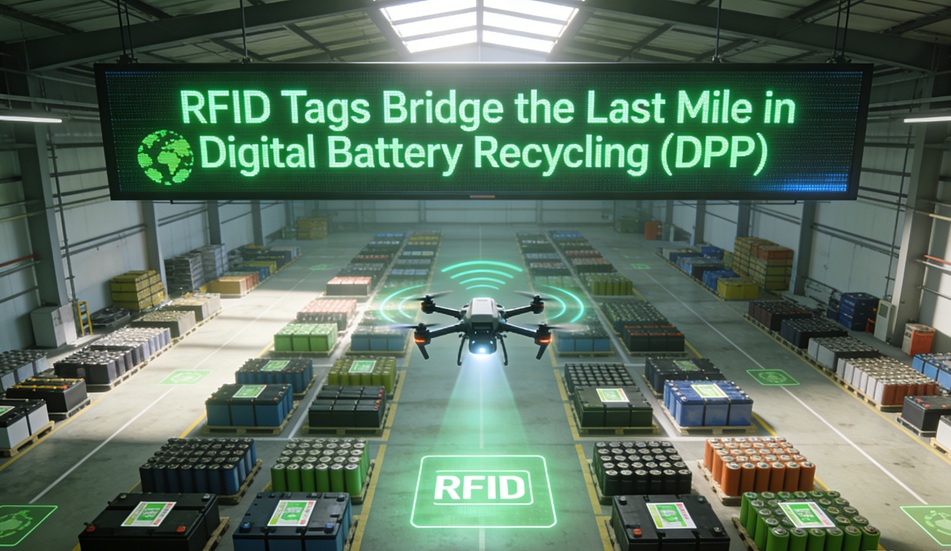
With the phased implementation of the EU’s New Battery Regulation (EU 2023/1542), the global battery industry is entering the era of digital passports. By February 2027, all power and industrial batteries (capacity > 2kWh) placed on the EU market must be equipped with a Digital Product Passport (DPP). How to achieve accurate identification and compliant disposal in the recycling process? RFID (Radio Frequency Identification) technology is becoming the key to bridging the “last mile.”
Recycling is No Longer a “Blind Box”
The core of compliance lies in transparency. The regulations require recording data throughout the entire process, from raw material proportions and carbon footprint to recycling efficiency. According to EU plans, battery labels must indicate chemical composition starting in 2026, and by 2027, this data must be searchable through a digital carrier (Source: European Commission).
RFID: The Physical Key to Recycling Efficiency
In the complex battery recycling environment, traditional QR codes or manual data entry solutions struggle to balance efficiency and durability.
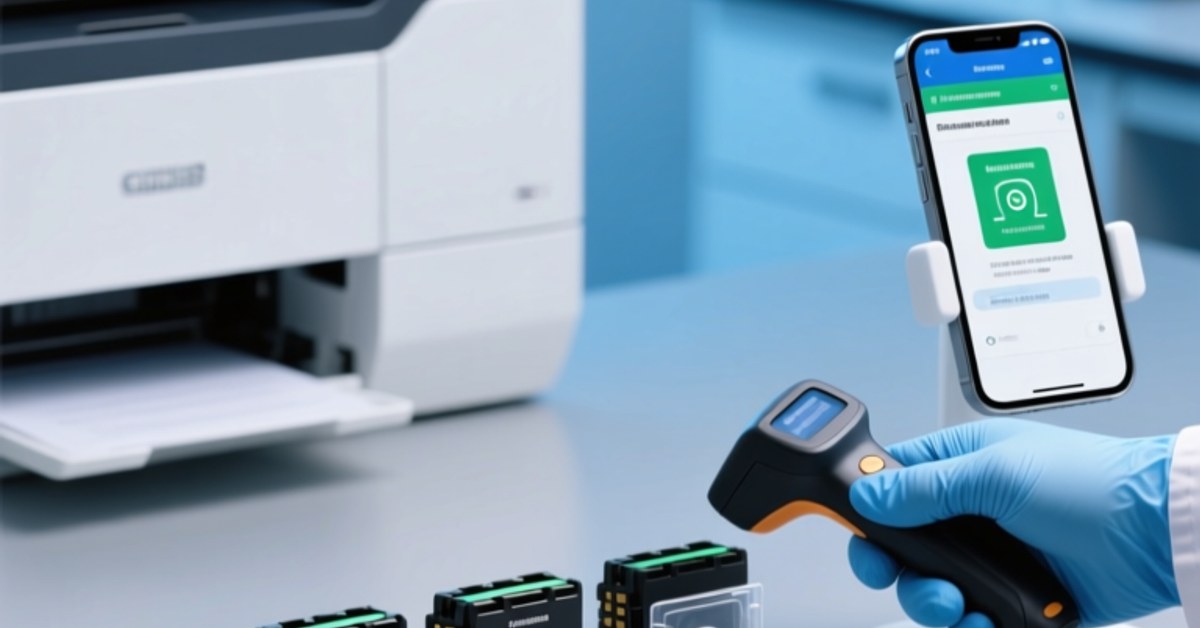
- Non-visual identification, batch sorting: Waste batteries are often heavily stacked. Using industrial RFID tags, recyclers can achieve batch scanning without focusing. According to industry data, RFID can improve automated sorting efficiency by approximately 80% compared to manual QR code scanning (Source: ABI Research).
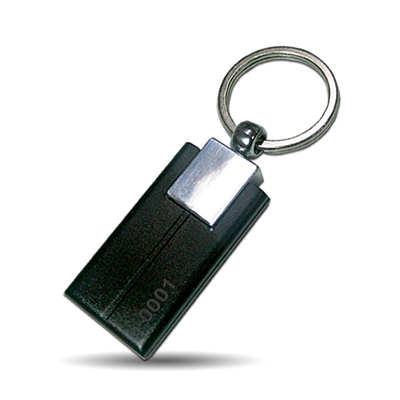
- Survival in extreme environments: Battery recycling involves mechanical collisions and corrosion. Embedded RFID chips can be placed in the inner layer of the casing, ensuring that data remains readable throughout its 10-15 year lifespan.
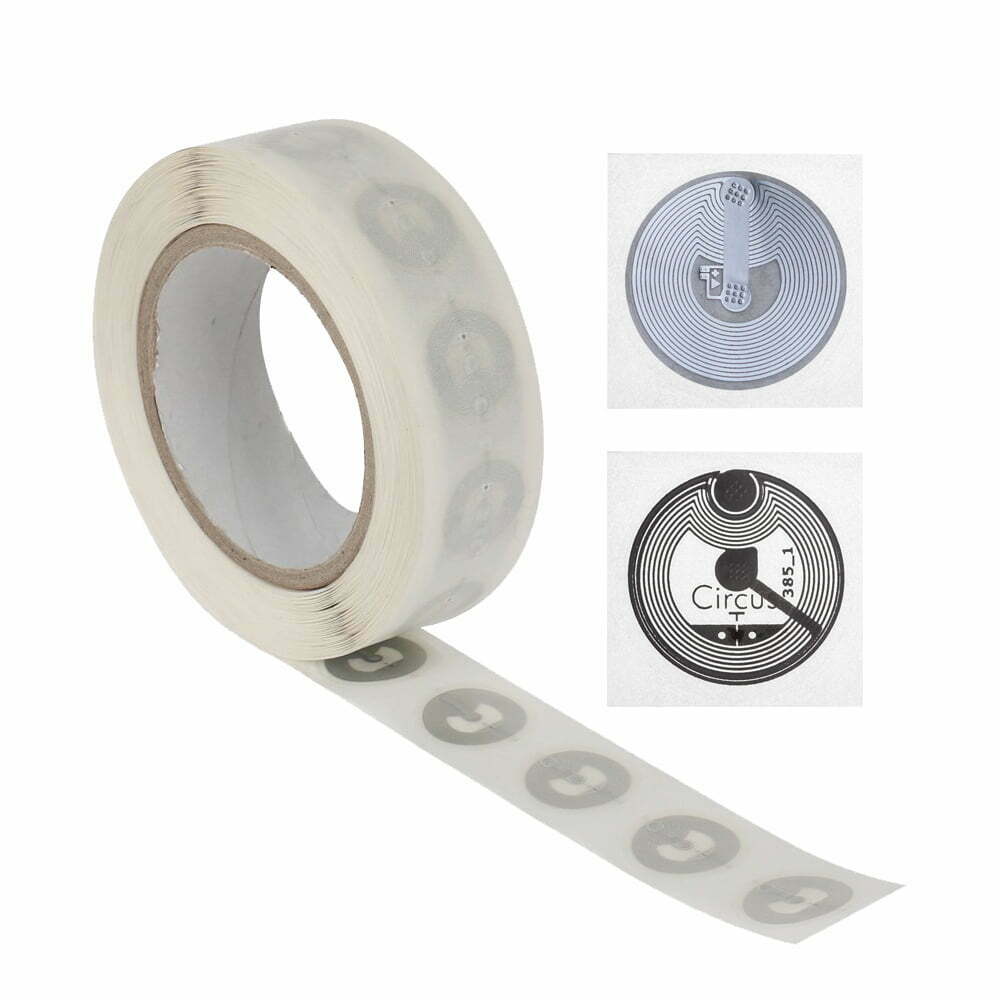
- Dynamic data closed loop: By using readable and writable RFID stickers for inventory, the battery’s historical State of Health (SoH) and maintenance records can be dynamically accumulated, providing authoritative evidence for secondary use.
RFIDHY Helps Businesses Overcome Trade Barriers
As a leading pioneer in the RFID field, RFIDHY provides battery manufacturers with a one-stop RFID solution that complies with EU standards.
- High-temperature resistant and anti-metal tags: High-performance UHF RFID tags are provided to address the strong interference environment of batteries, ensuring signal penetration.
- End-to-end data integration: Combining RFID tags for asset tracking, RFIDHY helps businesses seamlessly link physical tags with cloud-based DPP databases, ensuring that every exported battery has a compliant digital identity.
Conclusion
In today’s environment of increasing compliance pressure, battery companies need not only to produce batteries with excellent energy density but also to have a complete digital recycling system. Building a closed-loop management system using printable RFID tag technology is not only a response to policy requirements but also a way to gain the trust of the European and global markets through data transparency.
For more information,please contact us.