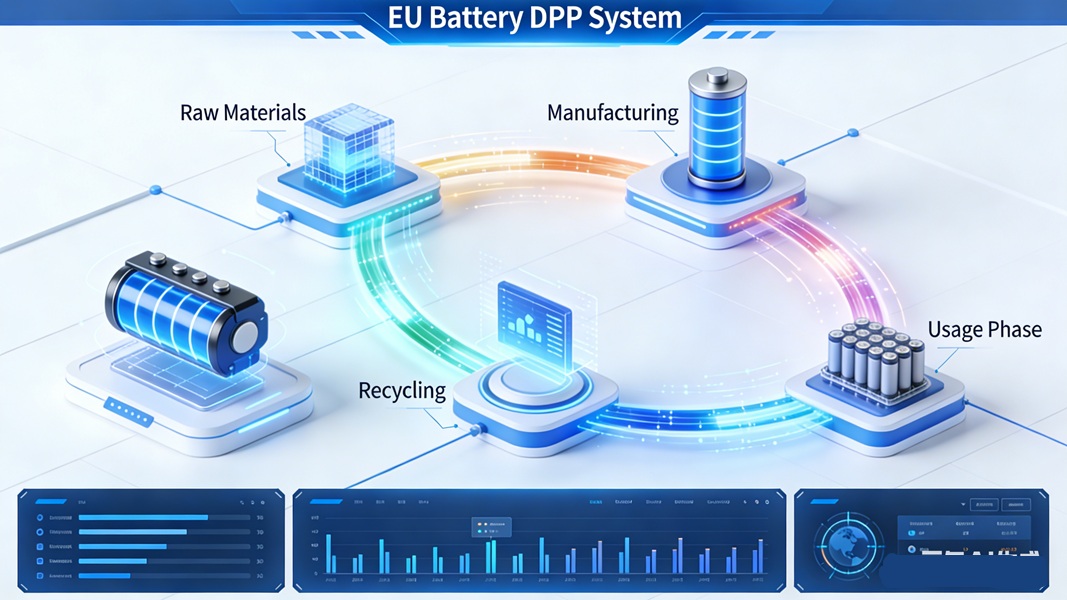
With the mandatory enforcement of the EU’s New Battery Regulation, the Digital Product Passport (DPP) has become the “digital pass” for the global battery industry to enter the European market. Although the regulation allows the use of QR codes as data carriers, in actual industrial scenarios and throughout the battery’s lifespan of more than ten years, RFID tags demonstrate absolute advantages that QR codes cannot match.
1.Survival Challenges in Extreme Environments
Batteries are often exposed to high temperatures, vibrations, or acid and alkali corrosion during their lifecycle. QR codes rely on surface printing and will fail if the surface is damaged or contaminated.
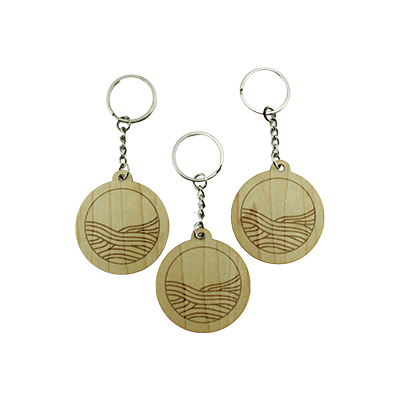
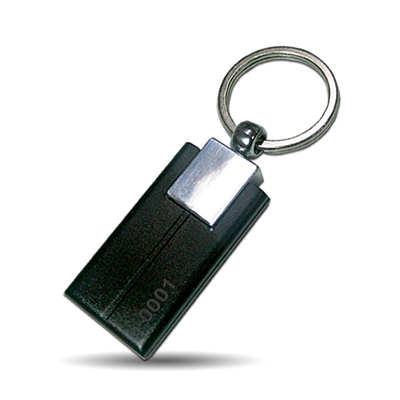
In contrast, the RFID chip encapsulated in industrial RFID tags can be embedded inside the battery casing. This hardware-level carrier has strong anti-interference capabilities, and its data retention period can cover the entire battery lifecycle from production to recycling.
2.Batch Reading and Automation
In the recycling and warehousing stages, efficiency is the lifeline of enterprises, and high efficiency helps companies reduce costs.
- QR codes: Must be scanned individually and manually, and are limited by line of sight.
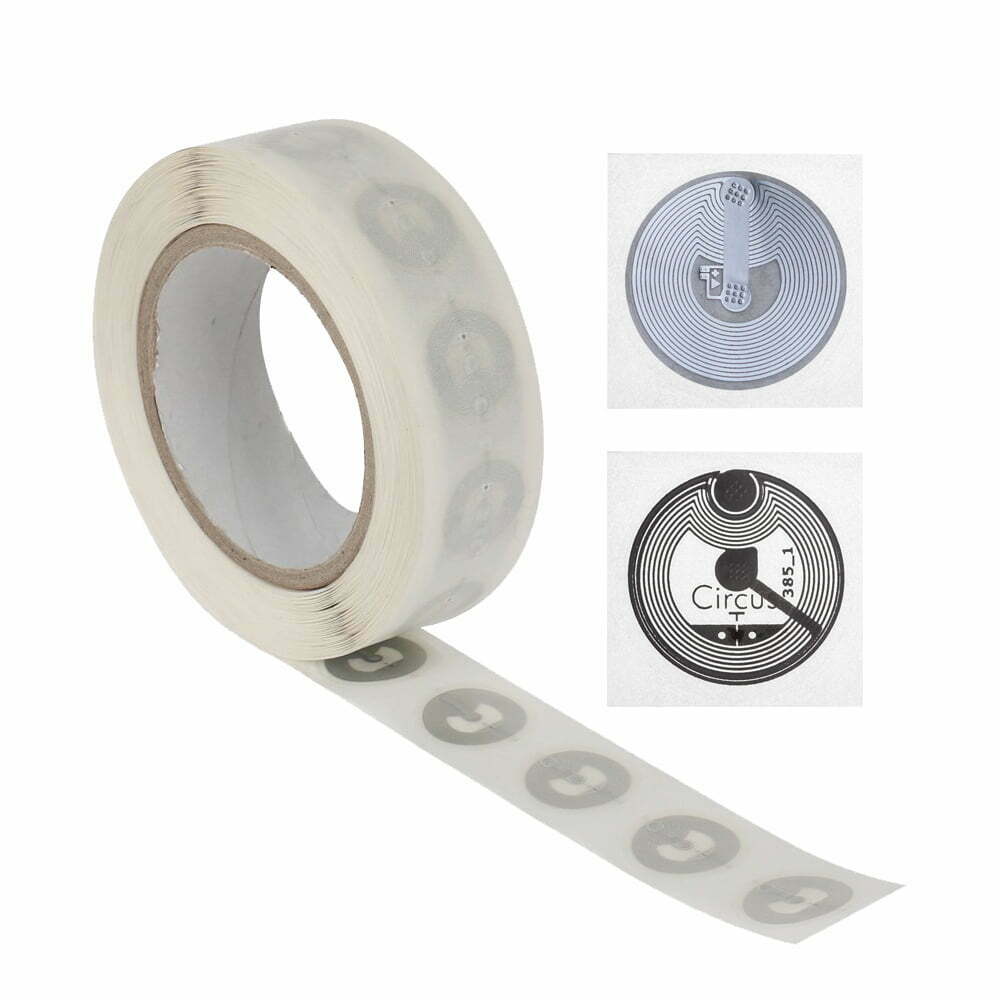
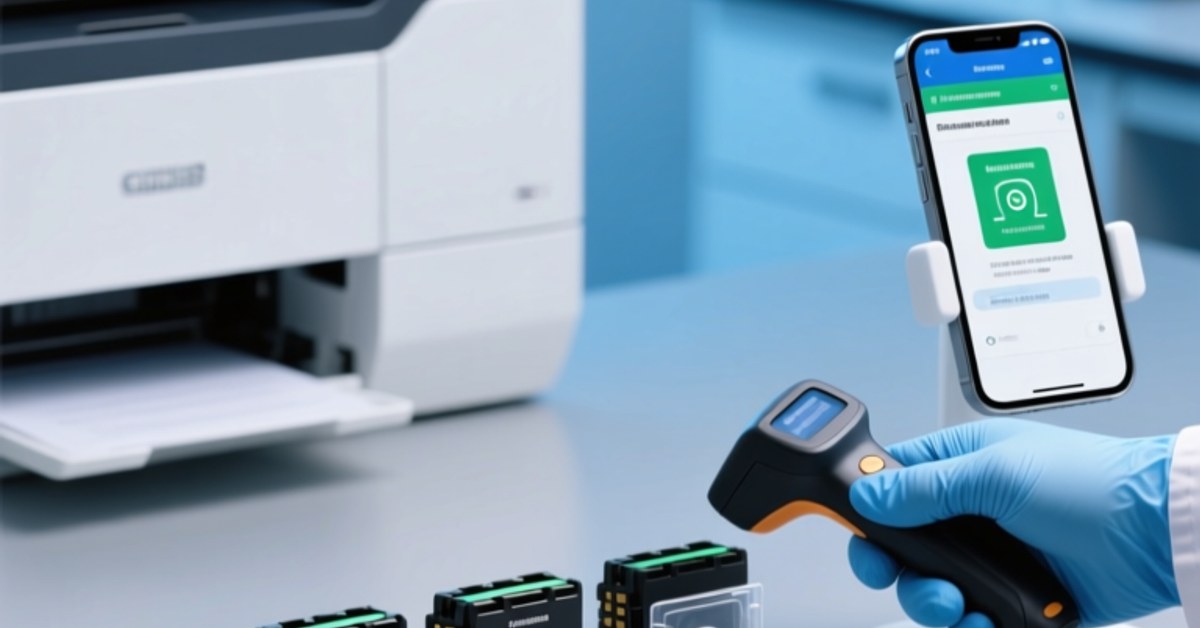
- RFID system: Using UHF RFID tag technology, recyclers can achieve batch identification of hundreds or thousands of batteries without opening the boxes.
According to research data, using RFID tags for inventory tracking in large warehouses improves inventory efficiency by more than 80% compared to traditional barcode scanning. For battery companies with an annual output of tens of millions of batteries, this efficiency improvement means millions of dollars in cost savings.
3.Data Security and Dynamic Interaction
Battery DPP not only needs to record “birth information” but also needs to dynamically update its state of health (SoH). The read/write RFID labels provided by RFIDHY support multiple data writes and can record the battery’s cycle count offline. QR codes, as static links, cannot provide real-time hardware interaction information without a network or cloud authorization.
In addition, the encrypted system composed of RFID tags and readers effectively prevents malicious tampering of DPP data, ensuring the authenticity and trustworthiness of the supply chain.
3.Conclusion
As a leading RFID solution provider, RFIDHY believes that QR codes are a low-barrier entry point for DPP (Digital Product Passport), while RFID tag systems are the high-performance foundation for achieving a circular economy in batteries. For battery companies striving for ultimate compliance and efficient management, implementing RFID stickers for inventory and related traceability solutions is an urgent priority.
For more information,please contact us.