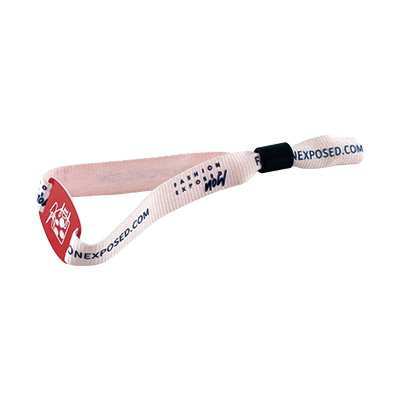
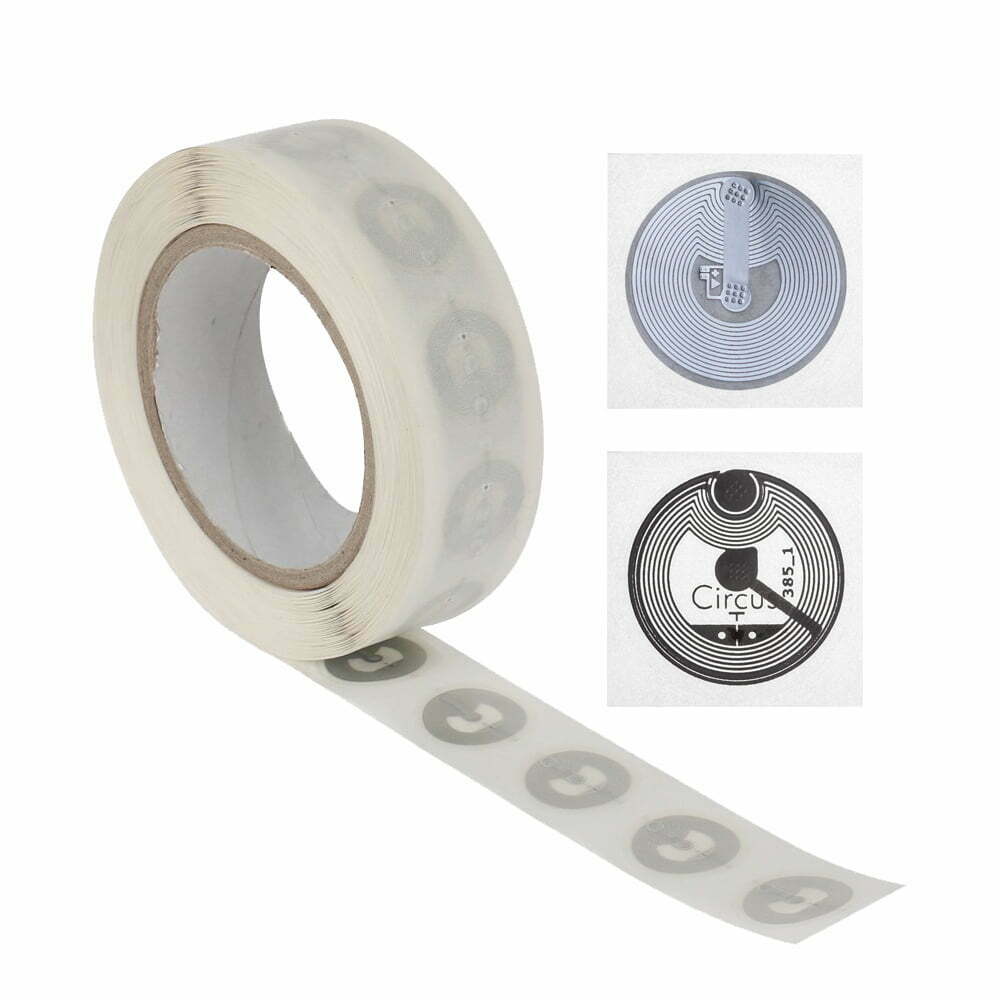
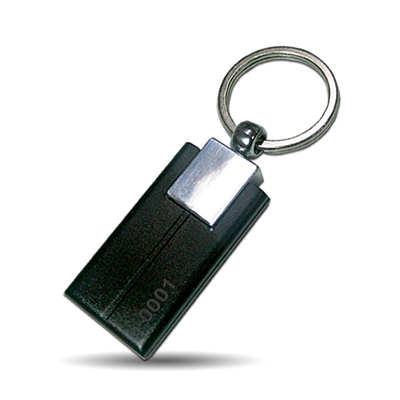
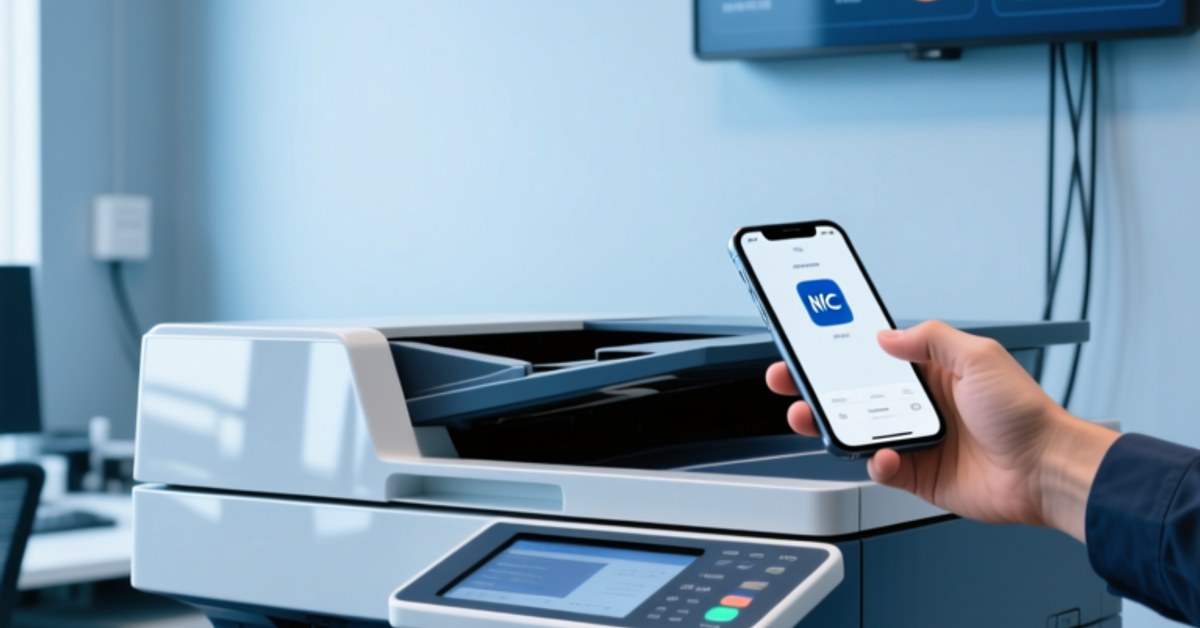
Many mistakenly believe that DPP is simply a QR code printed on the packaging, but the industry consensus is shifting towards the idea that the true entry point for DPP should be an interactive RFID/NFC system.
Dimensional Comparison: Why are QR codes merely a “temporary solution”?
Although QR codes are inexpensive, they have fatal flaws in the long-term management of consumer electronics. First, there’s physical durability: electronic products typically have a lifespan of 3-10 years, and printed QR codes are easily worn or peeled off. Second, there’s security: QR codes are easily forged or subject to URL hijacking, failing to provide a hardware-level root of trust.
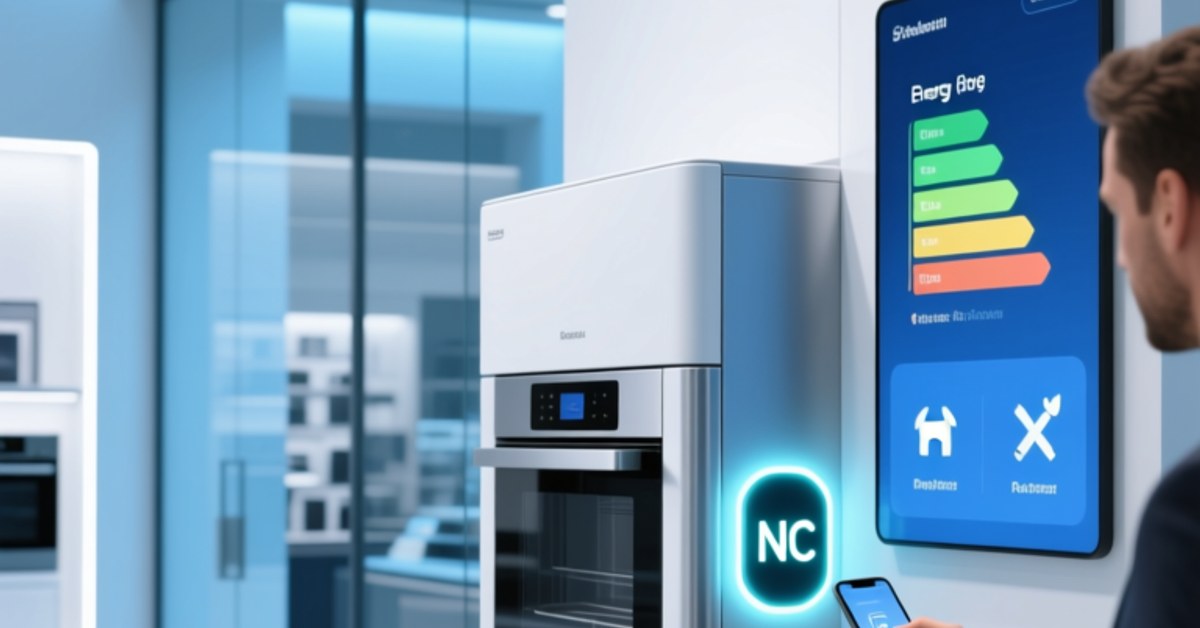
In contrast, with customized NFC tag solutions, the chip can be embedded inside the product. Even if the outer casing is damaged, the stored tag data can still be read. According to NXP’s research data, NFC has an interaction success rate approximately 25% higher than QR codes in high-end electronic products, which is crucial for guiding user participation in recycling.
The Core Value of NFC/RFID Systems: Two-Way Data Interaction
Dynamic Update Capability: Once a QR code is printed, its content is fixed. However, NFC tags support multiple read and write operations, allowing repair records, battery health, and carbon footprint data to be dynamically updated throughout the product’s lifecycle.
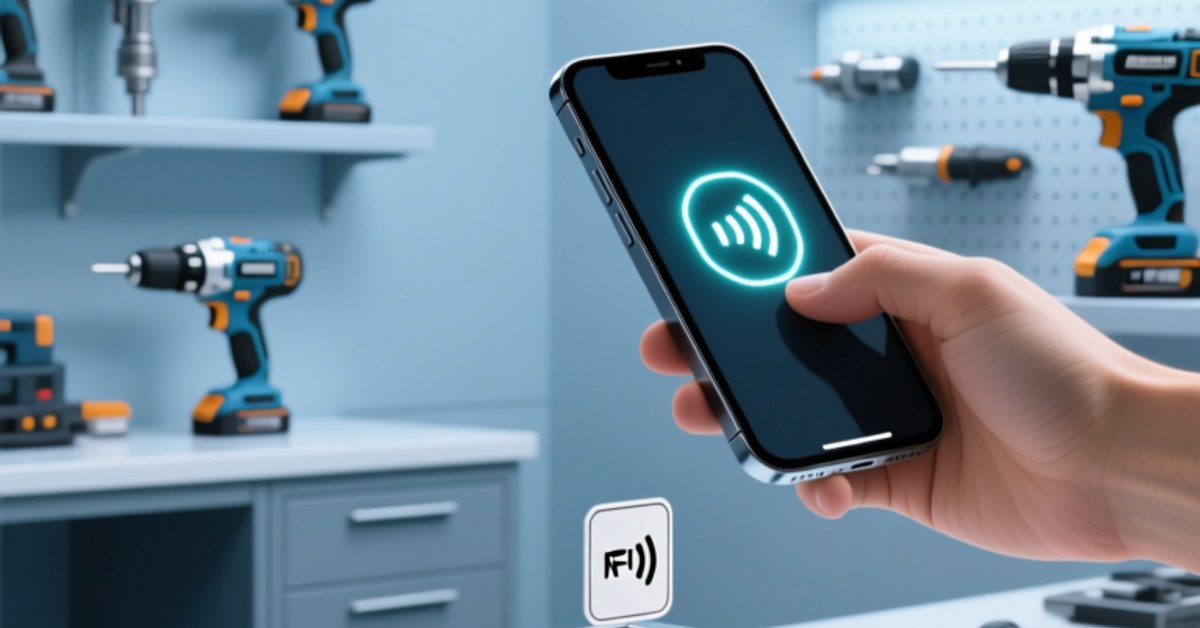
Seamless Experience Without Opening an App: With NFC tags or embedded chips, users can simply “tap” their phone to directly access the product passport interface.
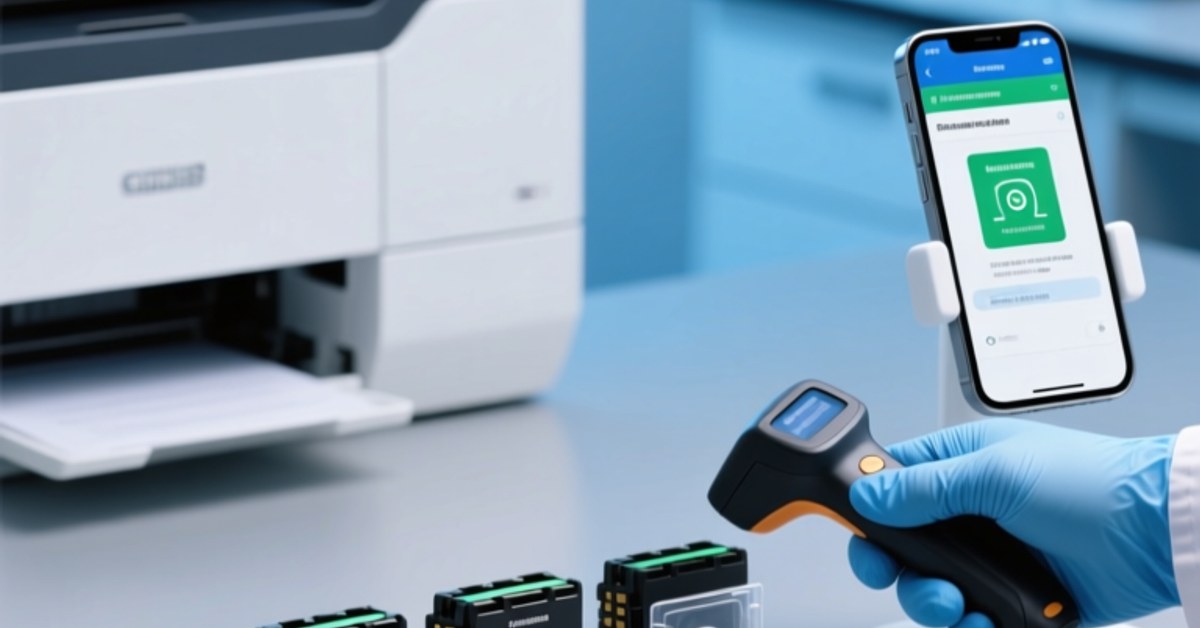
Anti-Counterfeiting and Ownership Verification: Consumer electronics face serious challenges from refurbished products. RFIDHY’s encrypted RFID system provides tamper-proof identity authentication, ensuring the authenticity of DPP data.
Industry Trends and RFIDHY’s Insights
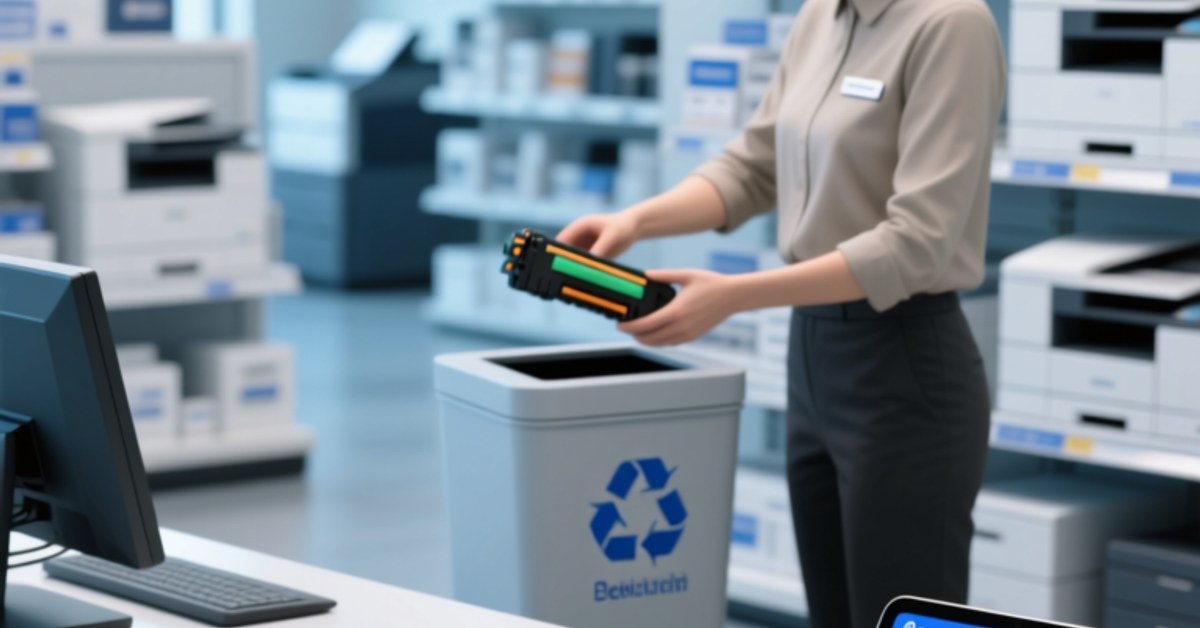
As a pioneer in the RFID industry, RFIDHY believes that future DPPs will not only be a compliance tool but also a link for brand building. Utilizing high-temperature resistant and anti-metal interference technologies provided by NFC tag manufacturers, companies can achieve full-chain digitalization from raw material traceability to final waste disposal. According to data from the European Circular Economy Alliance, electronic products using RFID/NFC systems have an 18% higher material recycling value than products that rely solely on paper records.
Conclusion
Consumer electronics DPPs (Digital Product Passports) should not be merely cold, static links. Choosing printable NFC tags or high-performance RFID solutions to build an interactive and trustworthy digital portal is the best path for companies to address future regulations and enhance customer loyalty.
For more information,please contact us.