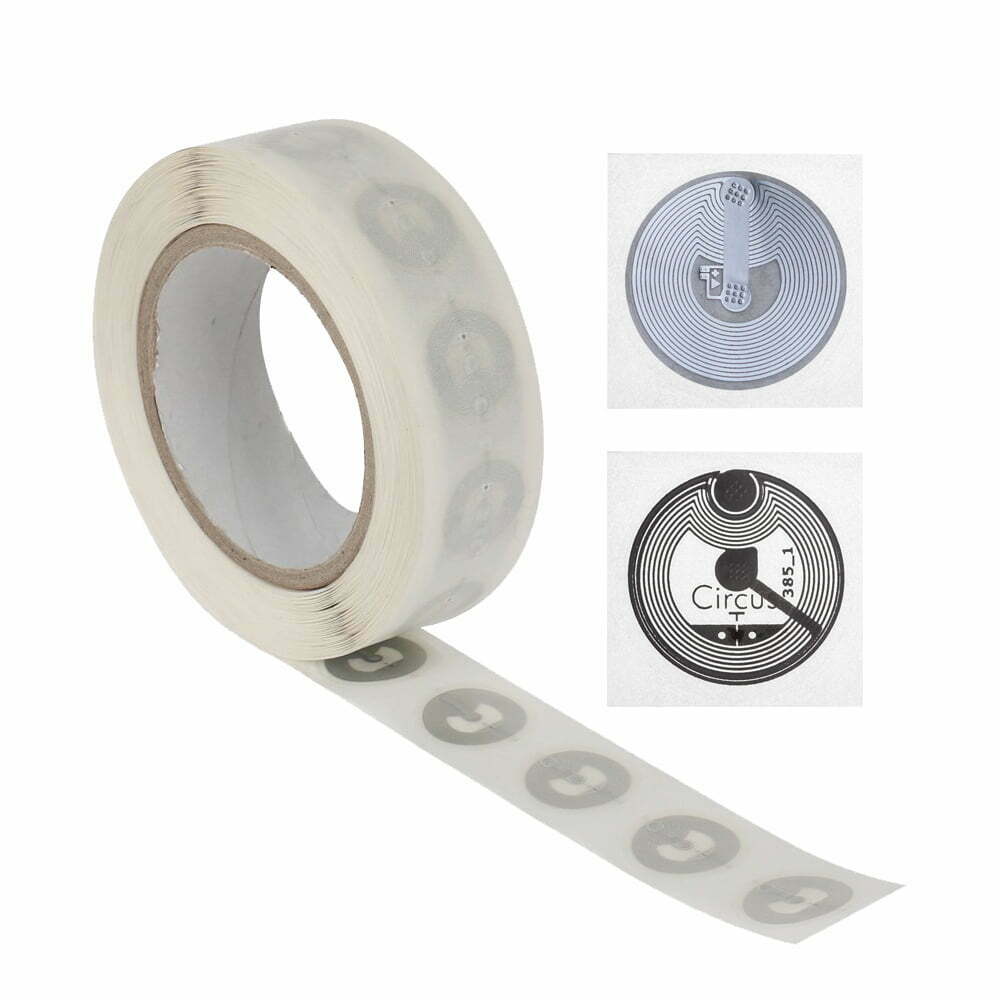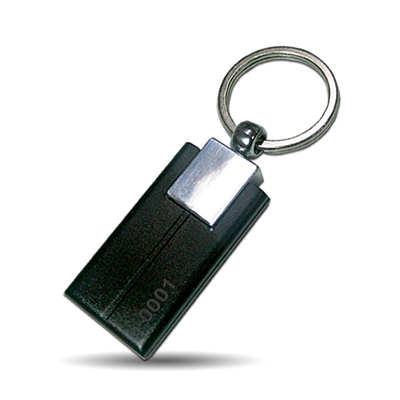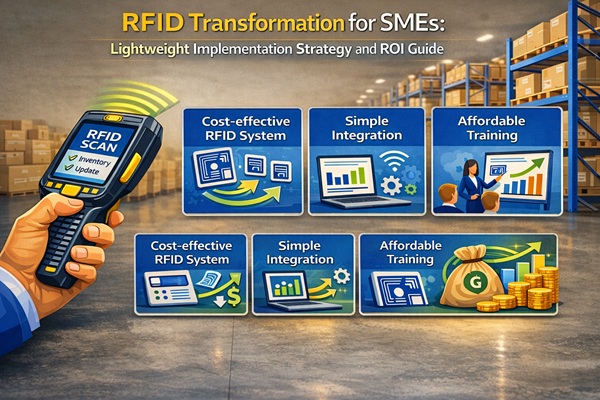
With the entry into force of the EU’s New Battery Regulation, the Digital Product Passport (DPP) has become a mandatory digital identity for batteries entering the European market. Among numerous data carriers, RFID tags, with their unique physical characteristics, are becoming the core foundation for achieving transparent management of the entire battery lifecycle.
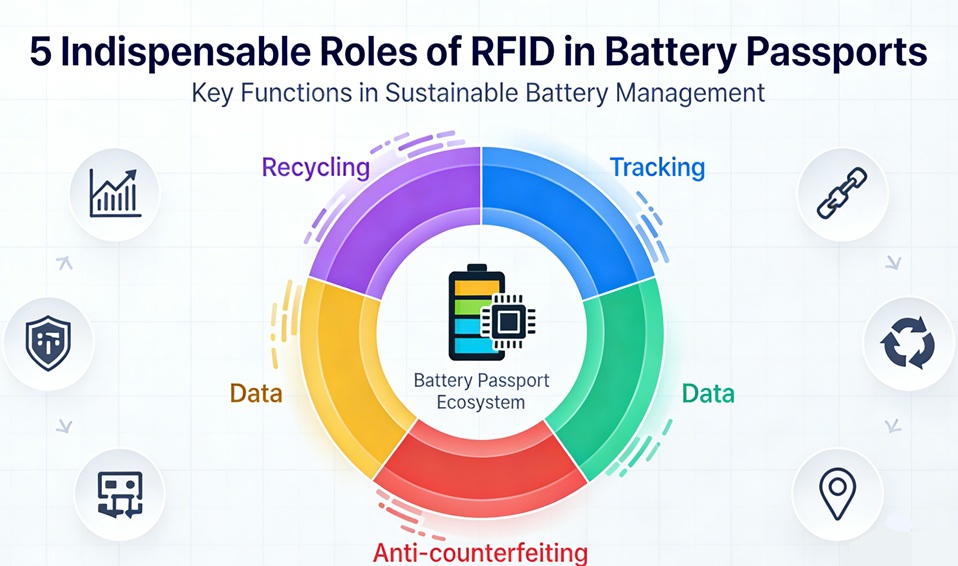
Here are 5 indispensable roles of RFID in battery passports:
-
Durability in Extreme Industrial Environments
Batteries experience high temperatures, vibrations, and chemical corrosion during their service life. Compared to QR codes, industrial RFID tags can be embedded inside the battery pack, unaffected by oil and wear. According to NXP white paper data, industrial-grade RFID chips have a data retention life of over 20 years, perfectly covering the complete lifecycle of power batteries.
-
Non-Line-of-Sight Automated Batch Sorting
During the recycling phase, batteries are often stored in piles. Using UHF RFID tag technology, recyclers can achieve batch reading within a hundred-meter range without having to focus on each individual battery like with QR codes. Studies show this can increase sorting efficiency at the recycling end by approximately 80% (Source: Global Battery Alliance).
-
Real-time Updating and Writing of Dynamic Data
Battery State of Health (SoH) is core data for the DPP. Using read/write RFID tags, after-sales personnel can dynamically write real-time charge and discharge cycle data to the tag hardware. RFIDHY’s encrypted RFID solution ensures that this offline data remains authentic and trustworthy even without network coverage.
-
Hardware-Level Security and Anti-Counterfeiting Traceability
To prevent illegal tampering with DPP data, RFID solutions provide a hardware encryption mechanism. Customized RFID tags for battery export companies, bound to a cloud database through a unique chip ID, can effectively prevent refurbished batteries from impersonating original factory batteries in the secondary market.
-
Reducing Long-Term Total Lifecycle Costs
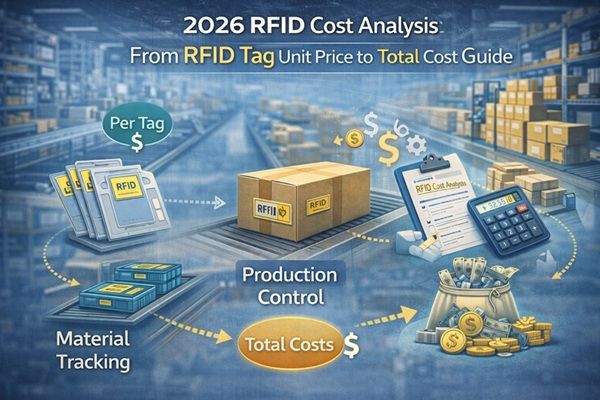
Although the cost of a single RFID tag is slightly higher than printed labels, the reduced manual intervention in logistics, maintenance, and recycling significantly lowers overall operating costs. By using printable RFID tags in conjunction with automated production lines, companies can meet EU ESPR compliance requirements at a lower cost.
For more information,please contact us.