תוכנת RFID קובעת את ההצלחה או הכישלון של טרנספורמציה דיגיטלית ארגונית
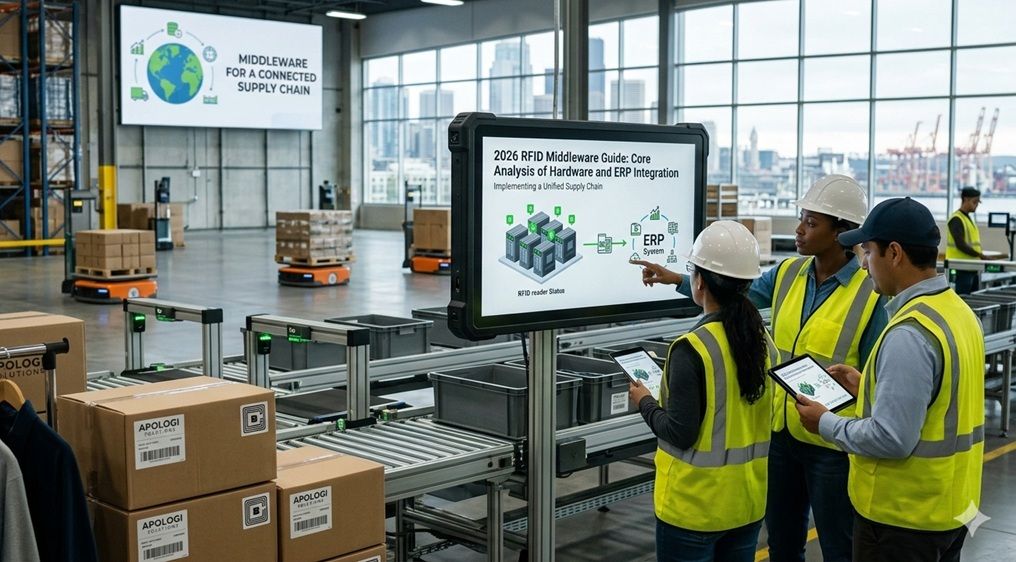
לפי גרטנר'ס 2025 “Magic Quadrant עבור תוכנת IoT ארגונית” דִוּוּחַ, ההצלחה של מעל 80% של פרויקטי RFID תלוי ישירות בבחירה ובתצורה של תוכנת הביניים. כמרכז הליבה המחבר בין חומרת הקורא הבסיסית לבין שילוב ה-ERP ברמה העליונה, תוכנת RFID לוקחת על עצמה את האחריות הקריטית של סינון נתונים, ניהול מכשירים, ויצירת אירועים. ללא תוכנת ביניים יעילה, an מערכת RFID הוא רק אוסף של איי חומרה לא משתפים פעולה.
פונקציות ליבה של תוכנת RFID
1.1 סינון נתונים ומניעת כפילויות
קוראי UHF RFID יכולים לקרוא מאות תגים בשנייה, יצירת כמות גדולה של נתונים גולמיים. תוכנת RFID משתמשת ב-ALE (אירועים ברמת האפליקציה) ממשק סטנדרטי לסינון קריאות כפולות והחלקת נתוני ריצוד בזמן אמת, הגשת אירועים עסקיים משמעותיים בלבד (כְּגוֹן “מוצר א' יוצא מהמחסן”) למערכת ברמה העליונה.
1.2 ניהול וניטור מכשירים
תוכנת הביניים מספקת ממשק ניהול מכשירים אחיד, מסוגל לנטר בו זמנית עשרות עד אלפי קוראים, אנטנות, וחיישנים. לְדוּגמָה, תוכנת האמצע של Impinj יכולה להגדיר מרחוק את כוח האנטנה, תֶדֶר, ולקרוא מחזור, ולספק התראות בזמן אמת על תקלות במכשיר.
1.3 הפקת אירועים וסטנדרטיזציה
תוכנת הביניים ממירה נתוני RFID גולמיים לאירועים עסקיים התואמים את ה-EPCIS 2.0 תֶקֶן, המכיל את ארבעת מרכיבי המפתח של “איזה חפץ, כַּאֲשֵׁר, אֵיפֹה, ולמה.” זה מבהיר את סמנטיקה של הנתונים במהלך שילוב ERP ומקל על שיתוף בין מערכות.
תקנים מרכזיים ומוצרי מיינסטרים
2.1 פרוטוקולי ליבה ותקנים
- אֲבָל 1.1.1: מגדיר את מפרטי רכישת הנתונים בין תוכנת RFID לקוראים.
- אני מצטער 2.0: תקן חילופי נתונים RFID ברמה ארגונית התומך באופטימיזציה של מלאי ועקיבות לאורך שרשרת האספקה.
- LLRP (פרוטוקול קורא ברמה נמוכה): פרוטוקול ניהול קורא.
2.2 מוצרי תיכונה RFID מיינסטרים
- RFIDHY לְגַשֵׁר: תוכנת ביניים קלת משקל שפותחה על ידי RFIDHY, תמיכה בקוראים ובכותבים מהזרם המרכזי, עם התמקדות מיוחדת באינטגרציה מהירה עם SAP EWM ו-Oracle WMS.
שילוב ERP: השגת אוטומציה של תהליכים עסקיים
הערך של שילוב תוכנת RFID עם ERP בא לידי ביטוי בתהליכים עסקיים ספציפיים:
3.1 קבלה אוטומטית
כאשר סחורה מתויגת עוברת דרך מכונת מנהרת ה-RFID, התוכנה לוכדת את כל מזהי התגים, יוצר ASN (הודעה על קבלה) על ידי השוואה עם הזמנת הרכש, וכותב אותו ל-SAP ERP דרך ממשק API של RESTful או SOAP, השגת פרסום אוטומטי עם עיכוב סנכרון מלאי של פחות מ 1 שְׁנִיָה.
3.2 ספירת מלאי דינמית
כאשר מסופי כף יד (כגון RFIDHY HY-R6100) לבצע ספירות מלאי אצווה, תוכנת האמצע משווה את המלאי הפיזי לנתוני ה-ERP בזמן אמת. הבדלים נוצרים מיד כדי ליצור משימות ספירת מלאי, הבטחת אופטימיזציה מתמשכת של המלאי.
3.3 אימות משלוח
אנטנת בקרת הגישה בערוץ היוצא קוראת את הסחורה שיש לשלוח. תוכנת האמצע קוראת להזמנת משלוח ERP לצורך אימות. משלוחים שגויים מפעילים אוטומטית אזעקות קוליות וחזותיות כדי למנוע משלוחים שגויים והשמטות.
יכולות התאמה אישית: טיפול בתרחישים עסקיים מורכבים
בעוד תוכנת ביניים סטנדרטית מכסה את רוב הצרכים, התהליכים העסקיים של כל ארגון, גרסת ERP, ותצורת החומרה משתנות. כאן בדיוק טמונות יכולות ההתאמה האישית.
RFIDHY, בתור איש מקצוע פתרון RFID ספק, לא רק מציע את תוכנת האמצע הבוגרת RFIDHY Bridge אלא גם בעל יכולות פיתוח משניות עמוקות:
- אופטימיזציה של אלגוריתמי סינון נתונים עבור תעשיות ספציפיות (כגון שרשרת קר וכימיקלים)
- פיתוח מנועי כללים עסקיים מותאמים אישית כדי לעמוד בהיגיון מורכב (כְּגוֹן “אותו מוצר, יש למזג צבעים שונים” הנחיות)
- השגת חיבור ישיר לטבלאות נתונים בסיסיות עם מערכות ERP מדור קודם (כמו SAP R/3) כדי לפצות על ממשקים לא מספיקים
- באמצעות פיתוח תוכנה מותאמת אישית, ארגונים יכולים למקסם את החזר ה-ROI של RFID ולהשיג שילוב ERP חלק באמת.
מַסְקָנָה
תוכנת RFID היא המוח של מערכת RFID. הוא הופך אותות תדרי רדיו גולמיים לתובנות עסקיות ניתנות לפעולה ומשמש כגשר המחבר שילוב בין חומרה ו-ERP. בחירת שותף בתווך (כגון RFIDHY) שעומד בסטנדרטים בינלאומיים כמו EPCIS 2.0 ו-ALE ובעל יכולות התאמה אישית חזקות הוא צעד חיוני עבור ארגונים לייעול המלאי ולשפר את יעילות שרשרת האספקה.
שאלות נפוצות
1.מה ההבדל בין תוכנת RFID לתוכנת רכישת נתונים רגילה?
תוכנת ביניים RFID תוכננה במיוחד לעיבוד בתדר גבוה, בזמן אמת, ונתוני RFID מרובי מקורות. יש לו ארבע יכולות ליבה: ניהול מכשירים, סינון נתונים, יצירת אירועים, וממשקים סטנדרטיים, תוכנת רכישת נתונים פשוטה בהרבה. זה עומד בתקני ALE ו-EPCIS, הבטחת תאימות Plug-and-Play עם מערכות ERP שונות.
2.האם חברות קטנות ובינוניות זקוקות לתוכנת RFID עצמאית?
בְּהֶחלֵט. אפילו עם מעט קוראים בלבד, תוכנת ביניים יכולה לשפר משמעותית את יציבות המערכת. לְדוּגמָה, RFIDHY Bridge מציע גרסה קלת משקל הפועלת על מחשבים רגילים, שמירה על עלויות תחת שליטה תוך הגדלת יעילות המלאי האצווה מעל 80%.
3.כיצד תוכנת RFID מבטיחה אבטחת מידע?
תוכנת הביניים המרכזית תומכת בתקשורת מוצפנת TLS, בקרת גישה מבוססת תפקידים, ויומני ביקורת. במהלך שילוב ERP, מנגנונים כגון מפתחות API ורשימות הלבנה של IP יכולים להבטיח שהנתונים זורמים רק בין מערכות מהימנות. תוכנת האמצע RFIDHY מספקת גם אפשרויות אנונימיזציה של נתונים כדי לעמוד בדרישות תאימות GDPR.
4.מהן מגמות הפיתוח העתידיות של תוכנת RFID?
לפי התחזית של פורסטר, תוכנת הביניים ומחשוב הקצה יהפכו למיינסטרים החל מחודש 2026. תוכנת אמצעית תפעל יותר ויותר בקצה הקורא או בענן, שילוב אלגוריתמי AI להשגת תחזוקה חזויה וקבלת החלטות בזמן אמת, העמקה נוספת של רמת האינטליגנציה באינטגרציה של ERP.
למידע נוסף,אָנָא צרו קשר.