Киришүү: RFID долбоорунун чыныгы баасы тег бирдигинин баасынан алда канча ашып кетет
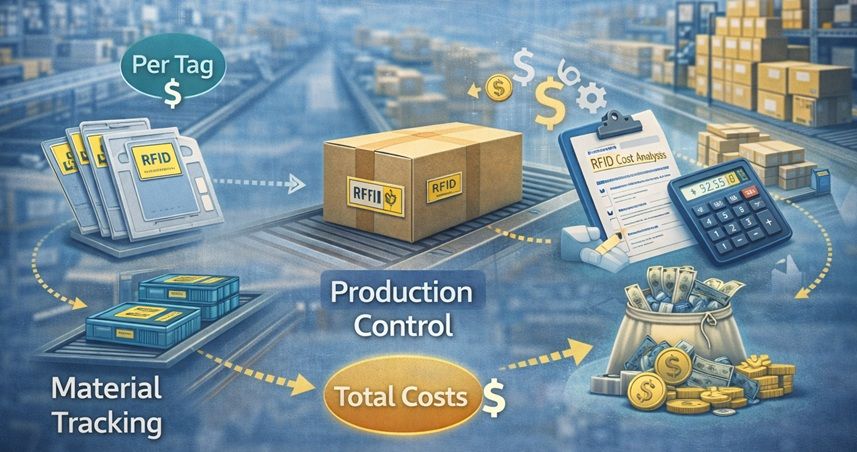
GS1 ылайык 2025 RFID ROI эталондук отчету, типтүү бир пункттан турган байкоо жүргүзүү долбоорлорунда, сатып алуу наркы RFID Тэгдери гана эсепке алынат 28-35% ээлик кылуунун жалпы наркынын (ТКО). Калган 65-72% окурмандын жабдыктарынан келет, программалык камсыздоону лицензиялоо, системалык интеграция, тренинг, жана узак мөөнөттүү тейлөө. Бул макала, ТКОнун талдоо маалыматтарынын негизинде 100 Европанын чекене соода тармагындагы RFID долбоорлору, ишке ашырууга кеткен чыгымдардын толук курамын ачып берет, компанияларга негизделген инвестициялык чечимдерди кабыл алууга жардам берүү.
RFIDдин беш негизги компоненти ээлик кылуунун жалпы наркы (ТКО)
1.1 Tag Cost: Дайыма азайып, бирок дагы эле кылдат эсептөөнү талап кылат
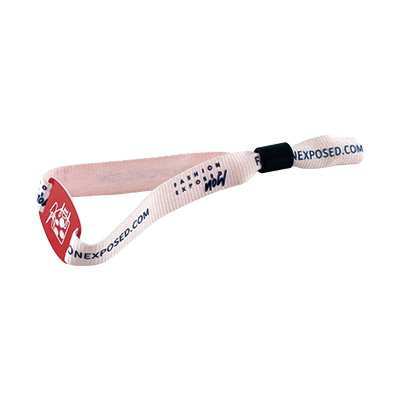
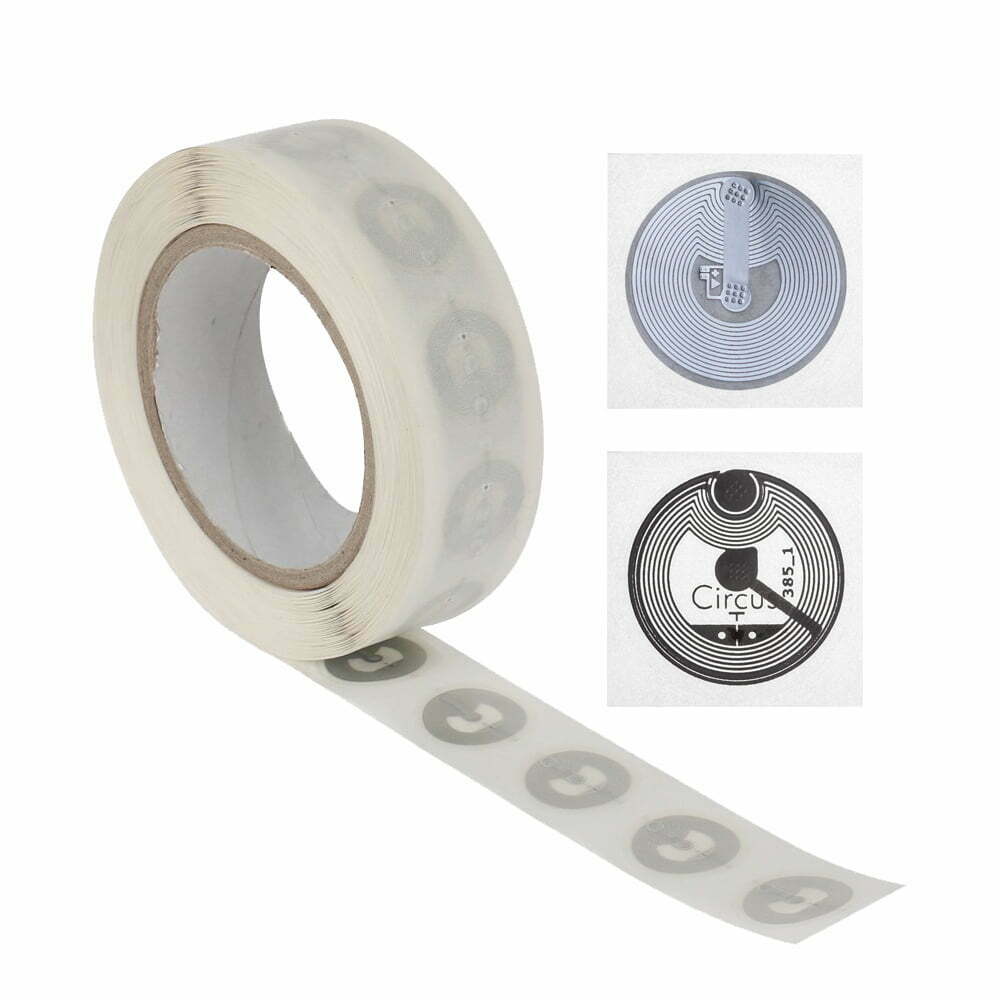
Учурда, бирдигинин баасы UHF RFID тэгдери бир тег үчүн € 0,1-0,22 чейин төмөндөдү (NXP UCODE негизинде 8 же Impinj M730 чиптери). Жуунучу тегтер, алардын татаал таңгактоо процессине байланыштуу, бир тег үчүн € 0,25-0,45 ортосунда баасы. жылдык колдонуунун негизинде 5 миллион тег, жылдык тег чыгашасы болжол менен € 250,000-400,000 түзөт.
1.2 Аппараттык жабдуулар: Окурмандарга жана антенналарга алгачкы инвестиция
- Кол терминалдары: сыяктуу Rfidhy Hy-R6100, бирдигинин баасы болжол менен € 590-650, өмүрү 3-5 жыл
- Туруктуу окурмандар: RFIDHY HY-R346A болжол менен €485/бирдик, Nordic ID RR900 болжол менен €3,200/бирдик
- Туннелдөөчү агрегаттар: Rfidhy Туннел, салым €30,000-80,000 / конфигурацияга жараша
- Антенналар: Rfidhy HY-RA9002 9dbi (€65-75), Times-7 A5020 (€320-450)
1.3 Программалык камсыздоо жана интеграция: Көбүнчө бааланбайт “Жашыруун наркы”
- RFID орто программаны лицензиялоо: Ар бир окурманга же жыл сайын бааланат, Impinj ItemSense жылына болжол менен € 2,000-5,000 турат.
- ERP интеграциясын өнүктүрүү: Системанын татаалдыгына жараша, SAP/Oracle интеграциясы адатта €20,000-€50,000 турат.
- Custom Development: Атайын бизнес эрежелери жана отчеттуулук талаптары €10,000-€30,000 кошот.
1.4 Ишке ашыруу жана тейлөө
- Жеринде изилдөө жана орнотуу: Окурман/жазуучу үчүн €300-800 евро
- Label Application Labor: Эгерде этикеткалоо берүүчүнүн булагында жасалса, наркы анчалык деле жок; эгерде складдык маркировка жасалса, бир нерсеге болжол менен €0,02-€0,05.
- Окутуу жана сыноо операциясы: Долбоор үчүн €5,000-€15,000.
1.5 Узак мөөнөттүү эксплуатацияга жана тейлөөгө чыгымдар
- Жылдык тейлөө акысы: 8-12% аппараттык баалуулугу
- Этикетканын бузулуу ылдамдыгы: Жуулган этикеткалардын тажрыйбасы болжол менен 2-5% жылдык зыян; hangtags жокко эсе.
- Системаны жаңыртуу жана колдоо: Жылдык программалык төлөмдөр, адатта, негизги колдоону камтыйт.
ТКО анализи: менен бренддин Case Study 5 Жыл сайын миллион даана колдонулат
Орто өлчөмдөгү кийим брендин айтсак (E.G., Германиянын StreetWear) GmbH жылдык пайдалануу менен RFID долбоорун ишке ашырган 5 миллион тег (95% hangtags + 5% жууса болот), жайылтуу 20 кол терминалдары, 4 туннель агрегаттары, жана 2 Белгиленген окурмандар, SAP ERP менен интеграцияланган. ТКОнун анализи төмөнкүдөй:
| Чыгым пункту | Биринчи жылдын баасы | Орточо жылдык чыгым (Жыл 2-5) | Процент |
| Тег сатып алуу | €275 000 | €275 000 | 31% |
| Аппараттык жабдуулар | €198 000 | €18 000 (Амортизация) | 22% |
| Программалык камсыздоо жана интеграция | €68 000 | €15 000 | 10% |
| Ишке ашыруу жана тейлөө | €42 000 | €8 000 | 7% |
| Техникалык тейлөө жана зыянды азайтуу | €15 000 | €25 000 | 7% |
| Жылдык ТКО | € 598 000 | €341 000 | 100% |
Key Insight: Биринчи жылы ишке ашыруу баасы салыштырмалуу жогору, бирок ТКО төмөндөйт 43% кийинки жылдарда. Жылдык кирешеси 120 миллион евро, RFID TCO болжол менен түзөт 0.28-0.5% кирешенин, запастарды оптималдаштыруу сыяктуу артыкчылыктарга ээ, запастарды эсептөөнүн натыйжалуулугун жогорулатуу, жана кыскартылган жоготуулар, адатта, жабуу 2-3 эсе кымбат.
Ыңгайлаштыруу ТКОну кантип оптималдаштырат
Rfidhy, анын терең настройка мүмкүнчүлүктөрү менен, кардарларга төмөнкү багыттар боюнча ТКОну оптималдаштырууга жардам берет:
* Тег тандоо оптималдаштыруу: Колдонмо сценарийлеринин негизинде эң үнөмдүү чиптерди сунуштоо (E.G., NXP UCODE 9 vs. Impinj M730), ашыкча аткарууну болтурбоо.
* Так аппараттык конфигурация: Жеринде симуляциялоо аркылуу ашыкча антенналардан же ысырапкорчулуктан качуу.
* Интеграциянын чыгымдарын көзөмөлдөө: Стандарттык RESTful API'лерди жана алдын ала курулган SAP/Oracle туташтыргычтарын камсыз кылуу, аркылуу интеграцияны өнүктүрүүгө чыгымдарды кыскартуу 40%.
* Жарыш сөздү күтүү: Middleware реалдуу убакытта жабдуулардын абалын көзөмөлдөйт, күтүлбөгөн токтоп калууларды азайтуу.
Корутунду
By 2026, RFID долбоорлорун ишке ашыруу баасы өтө ачык-айкын болот, тег бирдигинин баасы аз гана бөлүгү болуп саналат. ТКОнун илимий анализи аппараттык каражаттардын бүткүл жашоо циклин камтышы керек, программалык камсыздоо, интеграция, жана эксплуатациялоо жана тейлөө. Өнөр жай тажрыйбасы жана ыңгайлаштыруу мүмкүнчүлүктөрү менен өнөктөш тандоо (RFIDHY сыяктуу) жалпы ТКОну азайтышы мүмкүн 15-25% аткарууга таасирин тийгизбестен.
FAQ
Q1: Төмөнкү чыгашалар төмөндөө берет?
VDC изилдөөсүнө ылайык, UHF RFID тегинин баасы төмөндөйт деп болжолдонууда 2-3% жылдан баштап 2026 чейин 2028, негизинен чип интеграциясынын жана масштабдын экономикасынын жогорулашына байланыштуу. Бирок, жуула турган тегдер татаал таңгактоо процесстеринен улам бааны төмөндөтүү үчүн чектелген орунга ээ.
Q2: Сиздин компаниянын RFID TCO кантип баалоого болот?
Биз төрт кадамдуу мамилени сунуштайбыз: 1) Жылдык колдонуу көлөмүн жана тег түрүн аныктоо; 2) Окуу/жазуу пункттарынын санын жана жабдууларга талаптарды талдоо; 3) Учурдагы ERP/WMS системаларынын интеграциялык татаалдыгын баалоо; 4) Тажрыйбалуу камсыздоочулар менен кеңешиңиз (RFIDHY сыяктуу) алдын ала тырмакчалар жана TCO моделдери үчүн.
Q3: ЧОИлер ишке ашырууга кеткен чыгымдарды кантип көзөмөлдөй алышат?
Этаптуу ишке ашыруу ыкмасы сунушталат: жогорку баалуу жеке буюмдар менен баштоо, туннель терминалдарынын ордуна кол терминалдарын колдонуңуз, жана жер-жерлерде жайылтуунун ордуна SaaS ортолук программасын тандаңыз. RFIDHY жеңил башталгыч топтомун сунуштайт (анын ичинде 2 кол терминалдары + 5000 Тегдер + программалык камсыздоо лицензиясы), баштоо үчүн € 15,000 баштапкы инвестицияны талап кылат.
Q4: Аппараттык жабдуулар үчүн типтүү амортизациянын мөөнөтү канча жыл?
Колдук терминалдар жана туруктуу окурмандар, адатта, эскирилген 3-5 жыл, ал эми туннель казуучу станоктор сыяктуу автоматташтырылган жабдуулар эскирип 5-7 жыл. Impinj сыяктуу бренддердин өнүмдөрүнүн иштөө мөөнөтү чейин болушу мүмкүн 1.5 нормалдуу пайдаланууда алардын амортизациялык мөөнөтү.
Көбүрөөк маалымат алуу үчүн,өтүнөмүн Биз менен байланышыңыз.