소개: RFID 프로젝트의 실제 비용은 태그 단가를 훨씬 뛰어넘습니다.
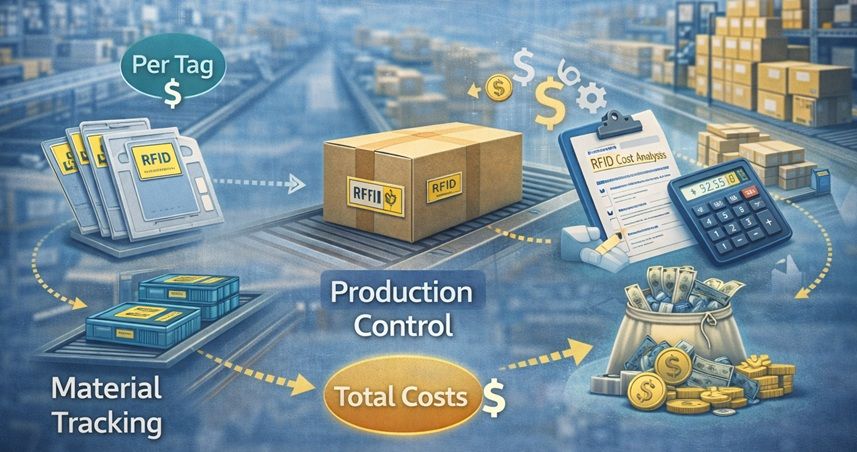
GS1에 따르면 2025 RFID ROI 벤치마크 보고서, 일반적인 단일 품목 추적성 프로젝트에서, 구매 비용 RFID 태그 오직 계정 28-35% 총 소유 비용 중 (TCO). 남은 65-72% 리더 하드웨어에서 발생, 소프트웨어 라이센스, 시스템 통합, 훈련, 그리고 장기적인 유지보수. 이 기사, TCO 분석 데이터를 기반으로 100 유럽 소매 산업의 RFID 프로젝트, 구현 비용의 전체 구성을 보여줍니다., 기업이 정보에 입각한 투자 결정을 내릴 수 있도록 지원.
RFID 총소유비용의 5가지 주요 구성요소 (TCO)
1.1 태그 비용: 지속적으로 감소하고 있지만 여전히 신중한 계산이 필요함
현재, 단가 UHF RFID 태그 태그당 €0.1-0.22로 떨어졌습니다. (NXP UCODE 기반 8 또는 Impinj M730 칩). 세탁 가능한 태그, 복잡한 포장 과정으로 인해, 태그당 비용은 €0.25-0.45입니다.. 연간 사용량을 기준으로 5 백만개의 태그, 연간 태그 지출은 약 €250,000-400,000입니다..
1.2 하드웨어 장비: 리더 및 안테나에 대한 초기 투자
- 휴대용 단말기: 와 같은 Rfidhy Hy-R6100, 단가 약 €590-650, 수명 3-5 연령
- 고정 리더: RFIDHY HY-R346A 약 €485/개, Nordic ID RR900 약 €3,200/개
- 터널링 단위: RFIDHY 터널, 구성에 따라 투자 €30,000-80,000/세트
- 안테나: RFIDHY HY-RA9002 9dbi (€65-75), 타임즈-7 A5020 (€320-450)
1.3 소프트웨어 및 통합: 종종 과소평가되는 “숨겨진 비용”
- RFID 미들웨어 라이센스: 독자당 또는 연간 가격, Impinj ItemSense 비용은 연간 약 €2,000-€5,000입니다..
- ERP 통합 개발: 시스템 복잡성에 따라 다름, SAP/Oracle 통합 비용은 일반적으로 €20,000-€50,000입니다..
- 맞춤형 개발: 특별 비즈니스 규칙 및 보고 요구 사항에 따라 €10,000~€30,000 추가.
1.4 구현 및 서비스
- 현장 조사 및 설치: 독자/작가당 €300-€800
- 라벨 부착 노동: 라벨링이 공급자의 출처에서 수행된 경우, 비용은 무시할 만하다; 창고 라벨링이 완료된 경우, 항목당 약 €0.02-€0.05.
- 훈련 및 시운전: 프로젝트당 €5,000-€15,000.
1.5 장기 운영 및 유지관리 비용
- 연간 유지관리비: 8-12% 하드웨어 가치
- 라벨 손상률: 세탁 가능한 라벨은 대략적으로 경험합니다. 2-5% 연간 피해; 행태그는 무시할 수 있습니다.
- 시스템 업그레이드 및 지원: 연간 소프트웨어 요금에는 일반적으로 기본 지원이 포함됩니다..
TCO 분석: 브랜드 사례 연구 5 연간 수백만 개 사용
중견 의류 브랜드를 가정 (예를 들어, 독일 스트리트웨어) GmbH는 연간 사용량으로 RFID 프로젝트를 구현했습니다. 5 백만개의 태그 (95% 행태그 + 5% 빨 수 있는), 배포 중 20 휴대용 단말기, 4 터널 단위, 그리고 2 고정 리더, SAP ERP와 통합. TCO 분석은 다음과 같습니다:
| 비용 항목 | 첫해 비용 | 평균 연간 비용 (연령 2-5) | 백분율 |
| 태그 조달 | €275,000 | €275,000 | 31% |
| 하드웨어 장비 | €198,000 | €18,000 (감가 상각) | 22% |
| 소프트웨어 및 통합 | €68,000 | €15,000 | 10% |
| 구현 및 서비스 | €42,000 | €8,000 | 7% |
| 유지보수 및 손상 감소 | €15,000 | €25,000 | 7% |
| 연간 TCO | €598,000 | €341,000 | 100% |
주요 통찰력: 첫해 구현 비용이 상대적으로 높음, 하지만 TCO는 다음과 같이 감소합니다. 43% 다음 해에. 연간 수익 1억 2천만 유로, RFID TCO는 대략적으로 차지합니다. 0.28-0.5% 수익의, 재고 최적화와 같은 이점을 누리면서, 재고 계산 효율성 향상, 감소된 손실은 일반적으로 2-3 비용의 배.
맞춤화가 TCO를 최적화하는 방법
RFIDHY, 심층적인 맞춤화 기능을 갖춘, 고객이 다음 영역에서 TCO를 최적화하도록 돕습니다.:
* 태그 선택 최적화: 애플리케이션 시나리오를 기반으로 가장 비용 효율적인 칩 추천 (예를 들어, NXP U코드 9 대 Impinj M730), 성능 과잉 방지.
* 정확한 하드웨어 구성: 현장 시뮬레이션을 통해 과도한 안테나 또는 전력 낭비 방지.
* 통합 비용 관리: 표준 RESTful API 및 사전 구축된 SAP/Oracle 커넥터 제공, 통합 개발 비용 절감 40%.
* 예측 유지 관리: 미들웨어는 장비 상태를 실시간으로 모니터링합니다., 예상치 못한 다운타임 손실 감소.
결론
에 의해 2026, RFID 프로젝트의 구현 비용은 매우 투명할 것입니다, 태그 단가는 아주 작은 부분에 불과합니다.. 과학적 TCO 분석은 하드웨어의 전체 수명주기를 포괄해야 합니다., 소프트웨어, 완성, 그리고 운영 및 유지보수. 업계 경험과 맞춤형 역량을 갖춘 파트너 선택 (RFIDHY와 같은) 전체 TCO를 다음과 같이 줄일 수 있습니다. 15-25% 성능에 영향을 주지 않고.
FAQ
1분기: 태그 비용이 계속 감소할 수 있나요??
VDC 리서치에 따르면, UHF RFID 태그 가격은 다음과 같이 하락할 것으로 예상됩니다. 2-3% 매년부터 2026 에게 2028, 주로 칩 집적도 증가와 규모의 경제로 인해 발생. 하지만, 세탁 가능한 태그는 복잡한 포장 공정으로 인해 가격 인하 여지가 제한적입니다..
2분기: 회사의 RFID TCO를 추정하는 방법?
4단계 접근 방식을 권장합니다.: 1) 연간 사용량 및 태그 유형 결정; 2) 읽기/쓰기 포인트 수 및 장비 요구 사항 분석; 3) 기존 ERP/WMS 시스템의 통합 복잡성 평가; 4) 경험이 풍부한 공급업체에 문의하세요 (RFIDHY와 같은) 예비 견적 및 TCO 모델용.
3분기: 중소기업이 구현 비용을 관리하는 방법?
단계별 구현 접근 방식이 권장됩니다.: 고가의 개별 품목부터 시작하세요, 터널 터미널 대신 휴대용 터미널 사용, 온프레미스 배포 대신 SaaS 미들웨어를 선택합니다.. RFIDHY는 경량 스타터 키트를 제공합니다. (포함 2 휴대용 단말기 + 5000 태그 + 소프트웨어 라이센스), 시작하려면 €15,000의 초기 투자가 필요합니다..
4분기: 하드웨어의 일반적인 감가상각 기간은 몇 년입니까??
휴대용 단말기와 고정형 리더기는 일반적으로 3-5 연령, 터널 굴착기와 같은 자동화 장비는 감가상각됩니다. 5-7 연령. Impinj와 같은 브랜드의 제품은 최대 수명을 가질 수 있습니다. 1.5 정상적인 사용 시 감가상각 기간을 곱한 값.
자세한 정보,제발 저희에게 연락하십시오.