Wstęp: Recykling odpadów tekstylnych jest pilną kwestią dla globalnej gospodarki o obiegu zamkniętym
Według Europejskiej Agencji Środowiska 2025 “Sprawozdanie z postępu prac nad gospodarką o obiegu zamkniętym w branży tekstylnej,” UE generuje około 5.8 milionów ton odpadów tekstylnych rocznie, z których tylko 22% jest poddawany recyklingowi i ponownie wykorzystywany, większość jest spalana lub składowana na wysypiskach śmieci. Przez 2025, Unijna dyrektywa ramowa w sprawie odpadów wymaga od państw członkowskich ustanowienia niezależnych systemów sortowania i zbierania tekstyliów. RFID, jako cyfrowy plan działania łączący cały cykl życia odzieży, staje się kluczową technologią do rozwiązania tego problemu.
Trzy główne problemy związane z recyklingiem odpadów tekstylnych
1.1 Niska wydajność sortowania ręcznego
Tradycyjny recykling używanej odzieży polega na ręcznej identyfikacji wizualnej materiałów, zabarwienie, i marki. Według danych niemieckiej Federalnej Fundacji Ochrony Środowiska, wykwalifikowani pracownicy mogą sortować maksymalnie 50-80 odzieży na godzinę, z dokładnością wynoszącą zaledwie 75-85%. Dla centrów recyklingu przetwarzających dziesiątki tysięcy ton rocznie, stanowi to istotne wąskie gardło pod względem kosztów pracy i wydajności.
1.2 Trudność w identyfikacji materiału
Szybka identyfikacja tkanin mieszanych (takie jak mieszanki bawełny i poliestru oraz mieszanki wełny) jest poważnym wyzwaniem dla branży. Podczas bliskiej podczerwieni (NIR) Spektroskopia pozwala zidentyfikować niektóre materiały, jego współczynnik rozpoznawalności znacznie spada w przypadku ubrań w ciemnych kolorach, struktury wielowarstwowe, lub tkaniny powlekane. Testy przeprowadzone przez Holenderskie Centrum Badań nad Tekstyliami Okrągłymi pokazują, że dokładność NIR w identyfikacji materiału czarnej odzieży jest mniejsza niż 60%.
1.3 Utrata danych prowadząca do utraty wartości
Informacje takie jak marka, wiek, i historia pielęgnacji zawarta w odpadach tekstylnych zostaje całkowicie utracona po wejściu do procesu recyklingu. Uniemożliwia to dokładne wycenę odzieży używanej o dużej wartości, a zakłady recyklingu włókien nie mogą uzyskać danych dotyczących składu w celu optymalizacji swoich procesów.
Rozwiązanie RFID: Z “Marnować” Do “Zasób danych”
2.1 Zasada techniczna: Cyfrowe znaczniki nawigacyjne wbudowane w odzież
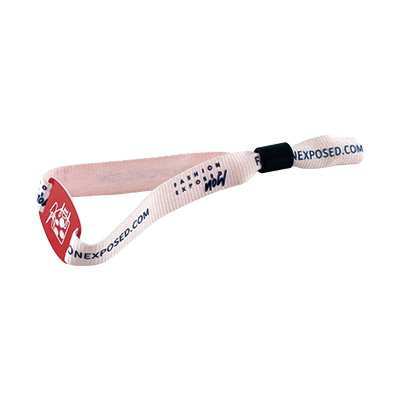
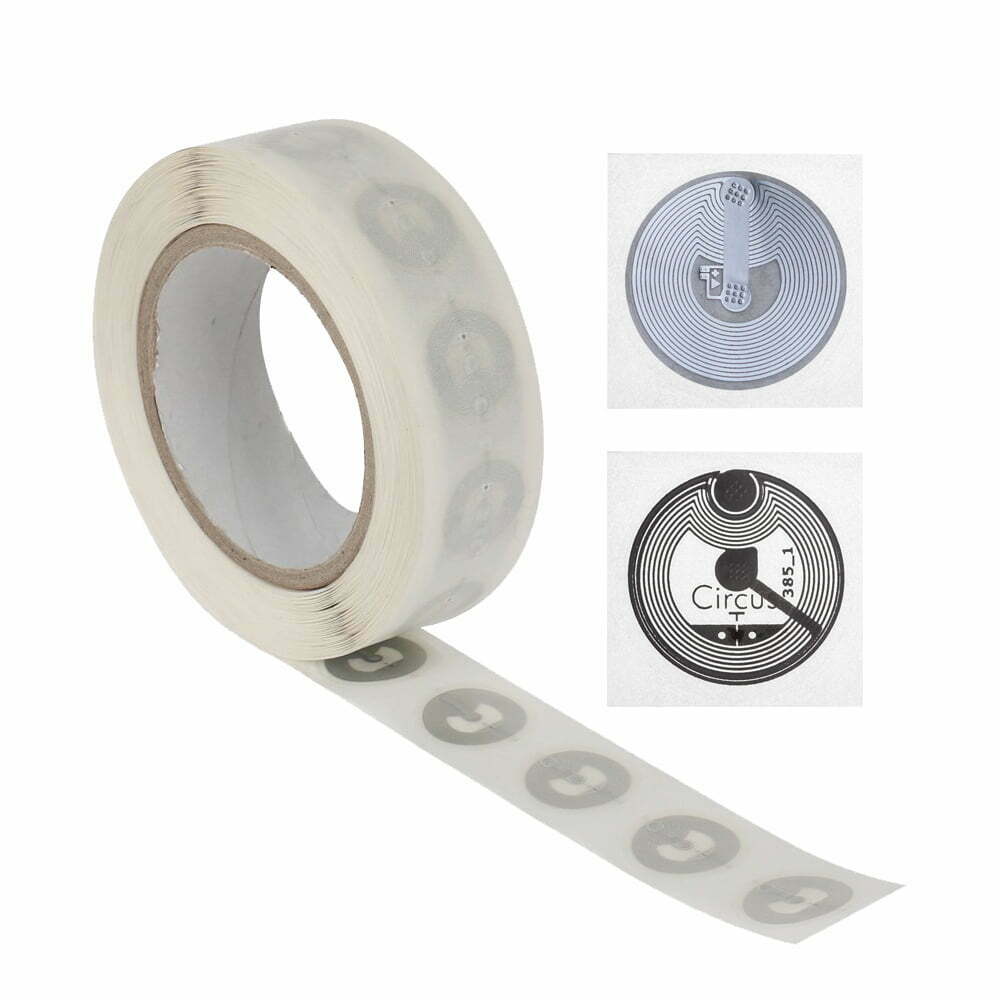
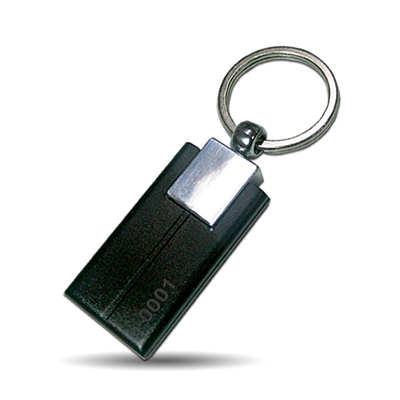
Jeśli odzież jest oznaczona Tagi RFID (czy to metki nadające się do prania, czy zawieszki) na etapie produkcji, wówczas odzież ta nosi unikalną tożsamość cyfrową przez cały cykl życia, od produkcji po recykling. Kluczowe chipy i standardy obejmują:
- Kod NXP 9: Wysoka czułość (-24dBm), nadaje się do czytania w gęsto ułożonych stosach
- Impingera M730: Zintegrowana technologia QT, obsługujący szybkie czytanie mobilne
- Obcy Higgs-9: 512-bitowa pamięć użytkownika, zdolne do przechowywania składu materiału, Data produkcji, historia opieki, itp.
- ISO/IEC 18000-6C: Globalny standard protokołu RFID UHF
- EPC Gen2v2: Obsługuje bezpieczne polecenia i zapis w pamięci użytkownika
2.2 Proces recyklingu: Automatyczne sortowanie drugiego poziomu
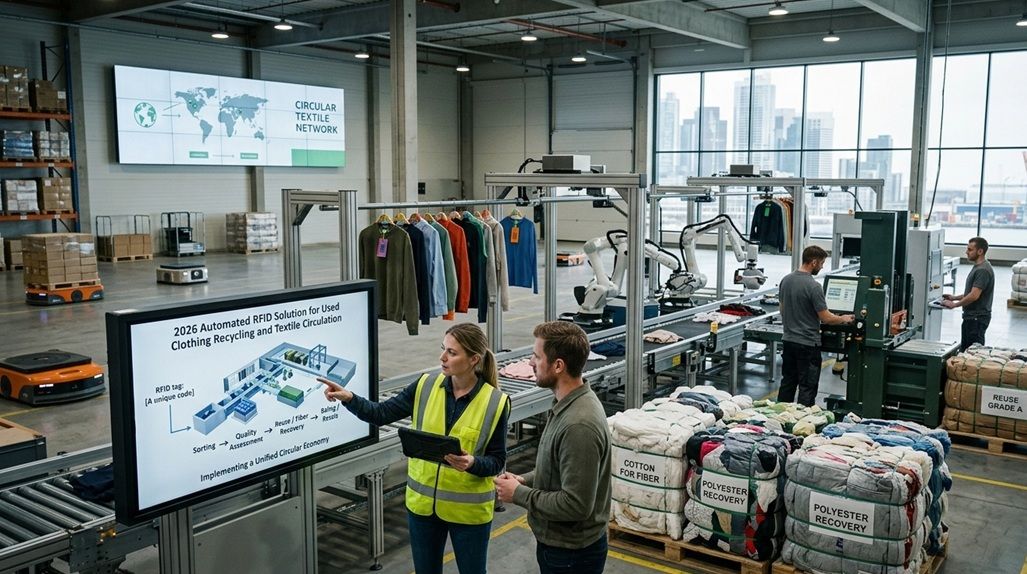
Kiedy zużyte tekstylia trafiają do centrum recyklingu, w pełni zautomatyzowaną identyfikację partii uzyskuje się dzięki szybkim maszynom tunelowym RFID (jak na przykład RFIDHY Tunel recyklingu):
- Szybkość czytania: Prędkość przenośnika taśmowego do 3 metrów/sekundę, przetwarzanie jednokanałowe 15,000+ sztuk na godzinę
- Współczynnik identyfikacji: Ze zoptymalizowanym układem anten (Kombinacja Laird S9028P × Times-7 A5020), szybkość odczytu wynosi 99.8%
- Powyższe dopasowanie danych: Odczytany kod EPC natychmiast wysyła zapytanie do bazy danych w chmurze w celu uzyskania informacji takich jak materiał, marka, wiek, i oryginalna cena.
2.3 Klasyfikacja i sortowanie: Precyzyjna klasyfikacja oparta na danych
Na podstawie danych odczytanych z RFID, system automatycznie kieruje odzież na poszczególne linie sortujące:
| Kategoria sortowania | Kryteria oceny | Miejsce docelowe |
| Możliwość odsprzedaży | Marka + Stan + Tworzywo | Rynek wtórny/eksport |
| Recykling włókien | Czysta bawełna/czysta wełna/włókno chemiczne | Otwieranie i obracanie |
| Recykling chemiczny | Mieszane/powłoka | Rozpuszczanie chemiczne |
| Obniżone wykorzystanie | Mocno zabrudzone/uszkodzone | Ściereczka do wycierania/materiał wypełniający |
| Spalanie/składowanie na śmieciach | Nie nadaje się do recyklingu | Odzyskiwanie energii |
Sprawa ze świata rzeczywistego: Rewolucja w zakresie automatycznego sortowania RFID w holenderskiej firmie recyklingowej
3.1 Tło sprawy
Holenderska firma zajmująca się recyklingiem tekstyliów „CircleTex” (roczna zdolność przerobowa wynosząca 80,000 mnóstwo) stoi w obliczu rosnącej wielkości recyklingu i presji ze strony nowych przepisów UE. W 2024, jego ręczna linia sortująca przetwarzała wyłącznie 120 ton dziennie przy dokładności ok 82%, a trudności w rekrutacji pracowników nadal rosły.
3.2 Rozwiązanie
W 2025, CircleTex nawiązał współpracę z profesjonalistą Rozwiązanie RFID dostawcy do uruchomienia projektu pilotażowego dotyczącego automatycznego sortowania RFID:
- Przygotowanie danych front-end: Osiągnięto porozumienie z 5 partnerskim markom odzieżowym nakazujące stosowanie materiałów nadających się do prania zgodnych z normą ISO 18000-6C Tagi RFID (w oparciu o NXP UCODE 9 żeton) dla nowych produktów, z danymi materialnymi udostępnianymi w chmurze.
- Modernizacja linii sortującej: 4 wdrożono zestawy szybkich maszyn tunelowych RFID, integrując czytniki RFID i anteny RFID.
- Wykonanie sortowania: Po przeczytaniu danych, sterownik PLC (Siemensa S7-1500) sterowane popychacze pneumatyczne do prowadzenia odzieży 12 różne kanały sortowania.
3.3 Dane wyników (od lutego 2026)
| Wskaźniki | Przed wdrożeniem (2024) | Po wdrożeniu (Pytanie 1 2026) | Skala doskonalenia |
| Dzienna zdolność przetwarzania | 120 mnóstwo | 380 mnóstwo | ↑217% |
| Dokładność sortowania | 82% | 97.5% | ↑15,5% |
| Koszt pracy | 4,2 €/tonę | 1,1 €/tonę | ↓74% |
| Wysoki współczynnik recyklingu | 18% | 31% | ↑72% |
| Roczny wzrost przychodów | – | 7,2 mln euro | Nowe przychody |
– stwierdził dyrektor techniczny CircleTex, „RFID przekształca odpady tekstylne ze „śmieci” w aktywa zawierające kompletne dane. Możemy nie tylko sortować szybciej, ale także dostarczać klientom marki raporty dotyczące recyklingu pokazujące stopień recyklingu ich produktów.
Możliwości dostosowywania: Rozwiązanie złożonych scenariuszy recyklingu
Scenariusz recyklingu odpadów tekstylnych jest znacznie bardziej złożony niż magazynowanie nowych produktów: ubranie może być brudne, wilgoć, lub uszkodzony, i znaczniki mogą być częściowo zasłonięte. Właśnie na tym polegają możliwości dostosowywania. RFIDHY zapewnia:
4.1 Bardzo solidny algorytm odczytu
Opracowano algorytm mocy adaptacyjnej, aby uwzględnić różne stany znaczników w scenariuszach recyklingu, dynamicznie dostosowując moc czytnika i wybór anteny, aby zapewnić maksymalną szybkość odczytu.
4.2 Optymalizacja zapobiegania kolizjom wielu tagów
Podczas gęstego układania (takich jak wiązany recykling), kolizje sygnałów pomiędzy tagami są poważne. RFID RecycleTunnel wykorzystuje hybrydowy wielokrotny dostęp z podziałem czasu (TDMA) + wielokrotny dostęp z podziałem częstotliwości (FDMA) schemat, przetwarzanie 800+ tagów jednocześnie na jednym kanale.
4.3 Delikatny projekt znacznika
Na metki, które należy zniszczyć po recyklingu, Dostępny jest RFIDHY EcoTag. Wykonane z materiałów biodegradowalnych, dezaktywuje się automatycznie po recyklingu i sortowaniu, ochrona prywatności konsumentów.
4.4 Integracja z systemami NIR
Do istniejącej odzieży bez znaczników RFID, Linię sortującą RFID można połączyć ze spektrometrem bliskiej podczerwieni (takie jak TOMRA AUTOSORT). Podstawową metodą jest odczyt RFID, uzupełnione detekcją martwego punktu NIR, osiągnięcie pełnego pokrycia. Przez 2026, recykling odpadów tekstylnych zmienił się z “pracochłonne” do “intensywne technologicznie” model. RFID, jako cyfrowy plan działania nieodłącznie związany z odzieżą, zmienia każdy aspekt recyklingu starej odzieży: od rejestracji materiału źródłowego po automatyczne sortowanie w transporcie, i wreszcie ocena wartości dla użytkownika końcowego. Wybór partnera (takie jak RFIDHY) który spełnia standardy EPC Gen2v2 i ISO 18000-6C i posiada głębokie możliwości dostosowywania, jest kluczowym krokiem dla firm i marek zajmujących się recyklingiem, aby wspólnie zbudować system recyklingu w obiegu zamkniętym. Tak. Nowoczesne linie do recyklingu i sortowania wykorzystują zazwyczaj model hybrydowy: RFID jako główny kanał, uzupełnione spektroskopią w bliskiej podczerwieni (NIR) lub rozpoznawanie obrazu przez kamerę. Do nieoznaczonych ubrań, NIR identyfikuje materiał przed sortowaniem, a biodegradowalne znaczniki RFID można dołączyć po sortowaniu w celu łatwego śledzenia. Jeśli w odzieży zastosowano zmywalne metki spełniające standardy przemysłowe (NP., przejście poziomu AARH 10 testowanie) podczas produkcji, może osiągnąć ich żywotność 10 lat lub 200 myje, całkowicie pokrywając normalną żywotność odzieży. Etykiety można nadal odczytać podczas recyklingu. Nawet zwykłe zawieszki mogą być nadal czytelne przed wyrzuceniem, ale czytelność spadnie. Komercyjne linie do recyklingu zazwyczaj wymagają prędkości przenośnika taśmowego wynoszącej 2-3 metrów na sekundę, odpowiadające przetwarzaniu 10,000-15,000 odzieży na godzinę. RFID RecycleTunnel utrzymuje szybkość odczytu ponad 99.5% nawet przy prędkościach 3 metrów na sekundę, w pełni zaspokajając potrzeby recyklingu na dużą skalę. To jest właśnie podstawowa wartość RFID w gospodarce o obiegu zamkniętym. Rejestrując informacje, takie jak skład materiału i raporty z testów substancji zabronionych, Tagi RFID zapewniają podmiotom zajmującym się recyklingiem wiarygodne dane dotyczące składu, umożliwiając recykling o wysokiej wartości (takich jak włókno do włókna). Marki mogą to wykorzystać do uzyskania certyfikatów ekologicznych i kredytów redukcji emisji dwutlenku węgla. Skala inwestycji uzależniona jest od wielkości przerobu. Do małych stacji recyklingu 5,000 ton rocznie, stacjonarną stację sortującą RFID (takie jak RFIDHY SortDesk) można wybrać, z inwestycją o wartości około 20 000–30 000 EUR. W połączeniu z terminalami ręcznymi, można osiągnąć półautomatyczne sortowanie, zwiększenie wydajności poprzez 2-3 czasy. Duże centra recyklingu wymagają systemu maszyn tunelowych kosztującego 200 000–500 000 euro.
Często zadawane pytania
Pytanie 1: Jeśli stare ubrania nie mają znaczników RFID, czy ten system może być nadal używany?
Pytanie 2: Czy w procesie recyklingu można nadal odczytywać znaczniki RFID?? Czy mogą być uszkodzone?
Pytanie 3: Jak szybka musi być linia do recyklingu i sortowania, aby spełnić potrzeby komercyjne?
Pytanie 4: Czy RFID może pomóc w udowodnieniu “możliwość recyklingu” odzieżowy?
Pytanie 5: Czy ten system to duża inwestycja? Czy małe stacje recyklingu mogą z niego korzystać?
Aby uzyskać więcej informacji,Proszę Skontaktuj się z nami.